
This post contains affiliate links. We may earn a small commission when you buy through our links — at no extra cost to you.
Toddler headphones commonly fail at the headband or ear cushions within a few months. Cheap plastic hinges and peel-off pads are the usual culprits. Many parents find themselves buying replacements sooner than expected.
The core decision is wired versus wireless. Wired models under $20 often outlast wireless ones at three times the price because they have no battery to degrade and fewer weak points. Bluetooth convenience comes with a durability penalty – especially in the budget range, where plastic headbands and cheap adhesive are the norm.
This guide identifies the wired models that deliver real longevity and the wireless options worth buying for light travel or as backups. The right choice hinges on how much wear your toddler’s headphones will actually endure.




Best for Budget Wireless
EarFun K2 BT
Key Features
- Volume Limiting: 85/94 dB switchable
- Battery Life: 40 hours
- Frame Material: Plastic frame
- Connection Type: Wireless + wired
- Price: Budget
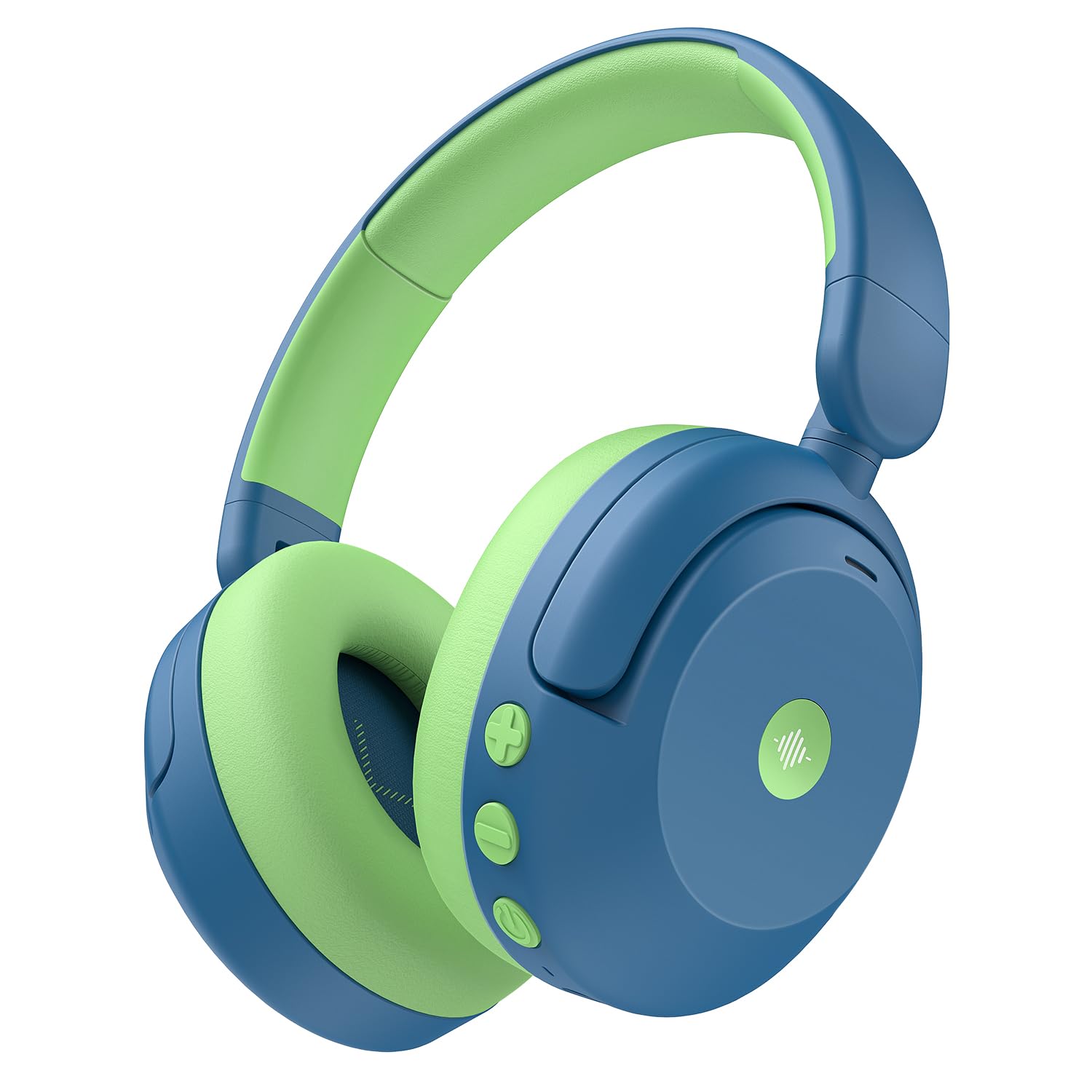
The EarFun K2 offers a rare combination of wireless convenience and volume-limited safety at a budget-friendly price point. Bluetooth 5.4 provides quick pairing and a stable connection with iPads and tablets. Sound is clear and balanced, suitable for music and audiobooks. Plush padding keeps the lightweight design comfortable for longer sessions.
Battery life reaches up to 40 hours on a full charge, with USB-C for easy recharging. The switchable volume limiter (85/94 dB) gives parents control over listening levels without sacrificing usability for older kids.
These headphones are best for budget-minded parents seeking wireless freedom for toddlers at home or in the car. The plastic build is not intended for heavy daily use – consider a wired alternative if headphones will see rough handling or continuous school use.
Pros
- Great wireless value at a budget price
- Clear, balanced sound quality
- Easy Bluetooth pairing with stable connection
- Comfortable for extended wear with plush padding
- Long 40-hour battery life with USB-C charging
Cons
- The electronics may stop functioning after a few months in some units
- The plastic headband may crack if handled roughly by an active toddler
If your toddler uses headphones occasionally at home or in the car, the K2 delivers strong wireless value with minimal risk. For daily heavy use in school or travel, a wired alternative offers better durability.
Best for School & Home
Acer HK03 Wired
Key Features
- Volume Limiting: 85/94 dB switchable
- Frame Material: Plastic frame
- Connection Type: Wired
- Special Features: Foldable
- Price: Budget
The Acer HK03 Wired stands out for its solid construction and soft ear pads at a price that undercuts almost everything else in the toddler headphone category. Unlike wireless options that trade durability for convenience, this model uses a simple 3.5mm connection and a padded adjustable headband that holds up well during everyday use. The 40mm drivers deliver clear audio with a switchable volume limiter (85/94 dB) that gives parents control without distortion.
This headphone is best suited for families who want a no-fuss wired solution for school, travel, or home listening. Toddlers who stay within reach of a device won’t miss Bluetooth — the lightweight 147g frame and foldable design make it easy to pack. The tradeoff is that it’s tethered: active toddlers who roam freely will tug the cord, so this works best when seated or supervised.
At roughly $14, the Acer HK03 delivers value that’s hard to match. While most budget wired headphones feel flimsy, this one has a solid plastic shell and cushioned ear pads that stay comfortable during longer sessions. The sound profile is balanced enough for music and audiobooks, with enough headroom for slightly louder environments when parents switch to the 94dB setting.
Pros
- Build quality and materials feel far more substantial than the price suggests
- Soft ear pads and adjustable headband allow for extended wear without discomfort
- Sound is clear and balanced for school use, travel, or quiet play
- One of the cheapest wired headphones available, yet consistently praised by buyers
Cons
- The plastic headband adjustment mechanism can develop cracks after several months of daily use
If your toddler stays put during audio time and you want a corded headphone that won’t fall apart after a few weeks, the Acer HK03 is the smart buy under $15.
Best for Fun Occasional
iClever BTH12 LED
Key Features
- Volume Limiting: 74/85 dBA switchable
- Battery Life: 85 hours
- Frame Material: Plastic frame
- Connection Type: Wireless + wired
- Special Features: LED lights
- Price: Budget
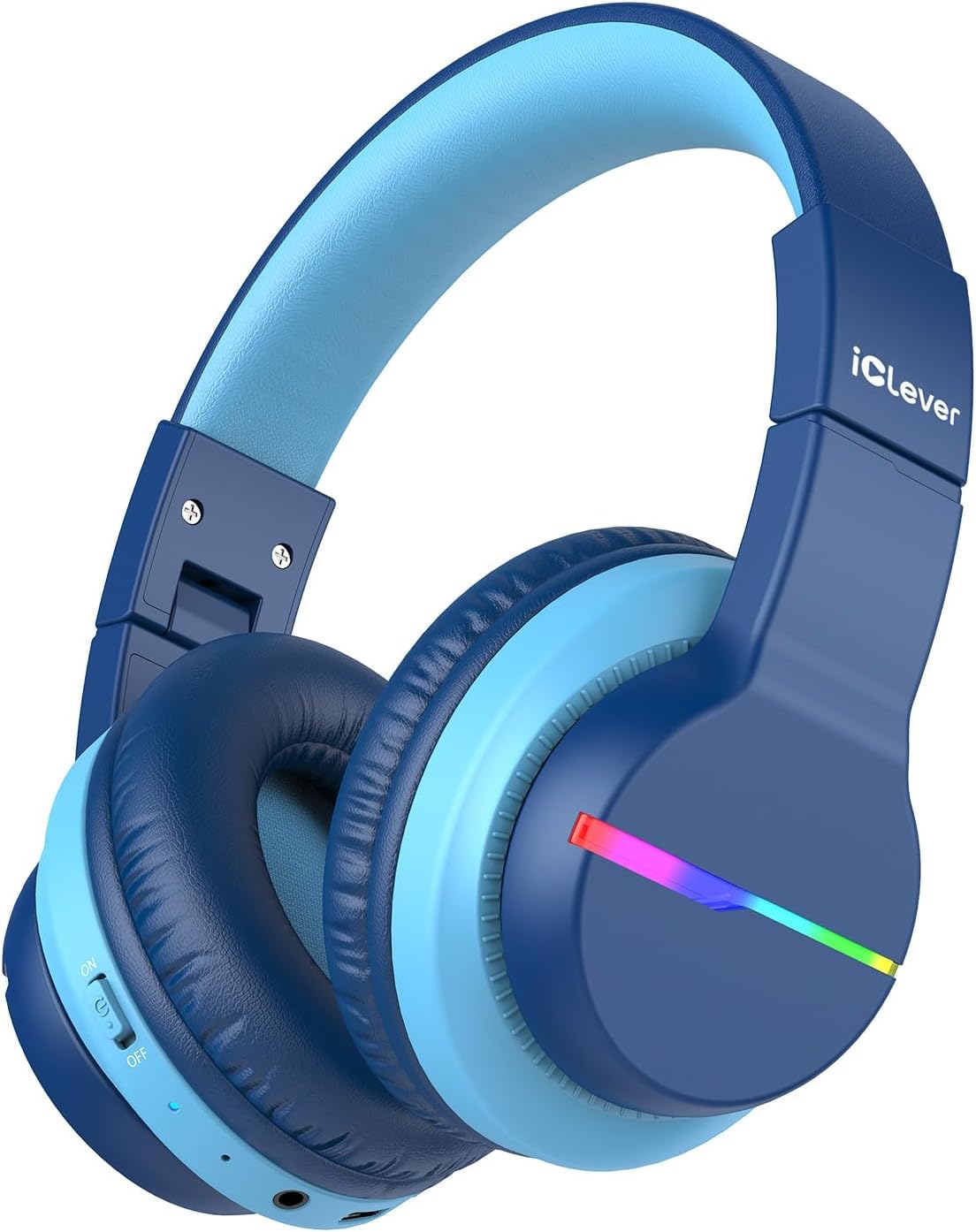
The iClever BTH12 offers a massive 85-hour battery life with fast charging, plus LED lights that kids can toggle on or off. While the most affordable wireless model in this roundup focuses on bare-bones runtime, the BTH12 adds visual appeal that many toddlers enjoy — and the volume limiter switches between 74 and 85 dBA, meeting hearing safety guidelines for young children.
Bluetooth pairing is straightforward with tablets, and the sound quality is clear and balanced for the price — enough for story podcasts or music. The over-ear design is lightweight enough for short sessions, though the plastic headband may show stress over time with frequent handling.
This model suits occasional use or as a backup pair for car rides or travel. If a toddler wears headphones daily for screen time or long trips, the headband can crack and some units have stopped working within months. Parents who need a primary pair for heavy toddler use are better served by a wired option with sturdier construction.
Pros
- 85-hour battery life with fast charging – outlasts most competitors
- Fun LED lights with an off switch to conserve power
- Clear, balanced sound quality that works well for kids’ content
- Easy Bluetooth pairing and stable connection with tablets
Cons
- Plastic headband may crack under the demands of frequent toddler use
- Some units can stop working after a few months of regular handling
For families who need a feature-packed second pair or occasional headphones with lights and long battery, the BTH12 delivers good value — just don’t count on it surviving years of daily toddler wear and tear.
Best for Daily Travel
JBL Junior 320BT
Key Features
- Volume Limiting: <85 dB, app-customizable
- Battery Life: 50 hours
- Frame Material: Plastic frame
- Connection Type: Wireless
- Special Features: Parental controls
- Price: Mid-Range
The JBL Junior 320BT stands out with its app-based parental controls, letting you set volume limits and track listening time directly from your phone. JBL’s signature audio tuning delivers clear, balanced sound that suits both speech and music. A 50-hour battery with a 5-minute quick charge providing 3 hours of use means less downtime waiting for headphones to charge.
The adjustable, lightweight design (124g) fits children aged 4–10 comfortably, with soft ear pads that sit gently on ears. Many families find the fit suitable for daily use and travel. The foldable build makes packing easy, and the Bluetooth 5.3 connection stays stable across rooms.
This model is best suited for parents who want app-based control and are willing to pay more than for simpler wireless options. The ear pads can detach with rough handling, so it’s not ideal for toddlers who pull at their headphones. At a mid-range price, it costs more than wireless models without app features, but the parental controls justify the added cost for those who use them regularly.
Pros
- 50-hour battery with a 5-minute quick charge – minimal waiting time.
- JBL signature audio – clear and enjoyable for kids’ content.
- Lightweight adjustable fit for children 4–10.
- App-based volume limit and playtime tracking.
Cons
- Mid-range price; simpler wireless models cost less.
- Ear cushions may come off over time and are not easily reattachable.
For parents who value app-based control over a lower price, the Junior 320BT delivers where it matters.
Best for Travel with Anc
iClever BTH20 ANC
Key Features
- Volume Limiting: 80 dBA fixed
- Battery Life: 35-60 hours
- Frame Material: Plastic frame
- Connection Type: Wireless + wired
- Special Features: ANC
- Price: Mid-Range
The iClever BTH20 is one of the few toddler-specific headphones with active noise cancellation, offering two modes: one for continuous low-frequency noise (like plane engines) and another for ambient sounds (like chatter). Combined with a fixed 80 dBA volume cap and lightweight 218g frame with pressure-reducing ear pads, this headphone prioritizes hearing safety and comfort for little ears during travel or focused activities.
Battery life spans 35 to 60 hours depending on ANC use, and USB-C charging tops up quickly — enough for multi-day trips. Bluetooth 5.4 provides stable connectivity, and a wired option is included for devices without Bluetooth. Some users note that ANC performance feels weaker than advertised in very noisy settings, so expectations should align with moderate noise reduction rather than total silence.
This headphone suits families whose toddler needs occasional noise cancellation during flights or in stimulating environments, and whose sensory sensitivity benefits from reduced background noise. It is less ideal for daily rough-and-tumble use: headband cracking has been noted in some units after a few months, so careful handling and occasional rather than constant wear extend its lifespan.
Pros
- Active noise cancellation with two selectable modes for different environments
- Comfortable pressure-reducing ear pads that fit long travel sessions
- Long battery life with fast USB-C charging
- Safe fixed 80 dBA volume limit with balanced audio quality
Cons
- Headband cracking may occur after several months of use
- Battery holding capacity can degrade over time in some units
- Active noise cancellation may feel less effective than advertised in very loud spaces
If active noise cancellation is a priority for your toddler’s travel or focus needs, the iClever BTH20 delivers that feature at a mid-range price — just be mindful that long-term durability is not guaranteed with heavy daily use.
Best for Ultra-Budget Wireless
iClever BTH22 BT
Key Features
- Volume Limiting: 74/85 dBA switchable
- Battery Life: 60 hours
- Frame Material: Plastic frame
- Connection Type: Wireless + wired
- Price: Budget
The iClever BTH22 offers the longest battery life in this price bracket – 60 hours on a charge – along with Bluetooth 5.4 for dependable pairing and switchable 74/85 dBA volume limits to protect young ears. For the price, it matches or beats many competitors on features, but the tradeoff is in build quality: the headband has been noted to crack after a few months of use, especially if handled roughly.
This headphone suits parents who need a wireless option for occasional use – car trips, flights, or as a backup pair. If your toddler is gentle with gear, the battery life and clear sound make it a practical choice. For daily heavy use, a wired model from the top pick in this category offers better long-term durability at a similar price.
Pros
- 60-hour battery life – lasts weeks with moderate use
- Smooth Bluetooth 5.4 connection with easy pairing to tablets
- Clear, balanced sound for a budget wireless headphone
Cons
- Headband may crack after extended use – a tradeoff for the low price
For occasional wireless use on a tight budget, the iClever BTH22 delivers impressive battery life and features. Just keep in mind the headband is not built for daily rough handling.
Best for Cheap Wireless Travel
JoySpark Kids BT 60H
The JoySpark delivers impressive 40-60 hour battery life with quick charging, and its Bluetooth pairing is seamless with tablets. The over-ear design stays comfortable for toddlers as young as 18 months, with soft padding that avoids irritation. However, durability can be inconsistent – some units may develop cracks within a few months, especially with daily handling by active toddlers. This makes it a secondary option compared to the EarFun K2, which has slightly fewer durability complaints at a similar price. It’s a good fit for families who need a cheap wireless option for travel or occasional use and are willing to accept the gamble on longevity.
Pros
- Battery life of 40-60 hours with fast recharge
- Comfortable fit for toddlers as young as 18 months
Cons
- Occasional durability issues – some units may crack within months of use
A solid budget choice for occasional toddler use where long battery life matters more than long-term build quality.
Best for Cute Occasional
Candy Bila Wired

Key Features
- Volume Limiting: 85/94 dB switchable
- Frame Material: Plastic frame
- Connection Type: Wired
- Special Features: Cute design
- Price: Budget
The Candy Bila Kids Headphones offer a cute design with soft ear cushions that keep young listeners comfortable during short sessions. The switchable 85/94 dB volume limiter provides hearing safety, a key feature for toddler headphones. However, the max volume may be too quiet for children who prefer louder audio, and unit-to-unit consistency varies – some headphones may cease to function after a few months. This wired option works well for parents seeking a low-cost, occasional-use headphone with a fun look, but not for daily heavy use or louder playback needs.
Pros
- Soft ear cushions keep toddlers comfortable during short listening sessions
- Cute design with multiple color options that kids enjoy
- Budget-friendly wired headphone with volume limiter for hearing safety
Cons
- Max volume may be insufficient for toddlers who prefer louder audio – suitable for quiet listening environments
- Unit-to-unit consistency varies; some headphones may cease to function after a few months of use
For parents who need an inexpensive wired headphone with volume limiting for occasional toddler use and can accept the volume and reliability tradeoffs, this is a functional option.
Best for Brand Loyalists
Belkin SoundForm Mini

Key Features
- Volume Limiting: 85 dB fixed
- Battery Life: 30 hours
- Frame Material: Plastic frame
- Connection Type: Wireless
- Special Features: Stickers
- Price: Mid-Range
The Belkin SoundForm Mini offers toddlers a snug, comfortable fit and comes with stickers for personalizing the headband. Sound quality is suitable for videos and music, and the 30‑hour battery covers several days of casual use. However, the Bluetooth connection can become inconsistent after a few months, occasionally requiring re‑pairing, and the plastic hinge may show wear with regular handling. Some units also show variation in long‑term reliability. This makes it a better fit for light, at‑home use rather than frequent travel or daily outings — parents who value Belkin’s name and want a simple wireless set for occasional entertainment will find it adequate, while those needing consistent performance should look to the EarFun K2 instead.
Pros
- Snug fit that works well for toddlers and 3‑year‑olds
- Decent sound quality for budget kids’ headphones
- Included stickers let kids customize the design
Cons
- Bluetooth pairing may become inconsistent after a few months of use
- Plastic hinge can show wear or loosen with regular handling
A solid choice if you trust the Belkin name and want a simple wireless headphone with sticker fun for occasional at‑home use, provided you accept possible connectivity dips and hinge wear over time.
Best for Budget Early Adopt
Acer OHR668 BT

Key Features
- Volume Limiting: 85/94 dB switchable
- Battery Life: 60 hours
- Frame Material: Plastic frame
- Connection Type: Wireless + wired
- Price: Budget
The Acer OHR668 BT outpaces most budget wireless toddler headphones with a 60-hour battery that lasts through long trips and quick charge cycles. Audio is clear enough for songs and audiobooks, and the switchable 85/94 dB volume limiter gives parents control. However, because this is a new model with a short track record, its construction quality under repeated drops and pulls remains unconfirmed. The ear cups also run large—some toddlers under three may find the fit loose rather than snug.
Pros
- Exceptional 60-hour battery with fast recharge
- Clear, balanced audio at a budget price
Cons
- Ear cups may feel oversized for toddlers under three
Choose this Acer if extreme battery life outweighs the risk of uncertain durability. For more predictable daily use, the top pick EarFun K2 is the safer bet.
How to Choose
The most important buying decision is whether to choose wired or wireless, because wiring directly affects durability and price.
Volume Limiting
85 dB is the standard safe limit, but some headphones offer a switchable 85/94 dB mode for louder environments. Fixed 85 dB can be too quiet in noisy settings like airplanes or busy cars. If your toddler will use headphones in varying noise levels, choose a model with a switchable limiter to avoid needing to crank the device volume.
Battery Life
Wireless headphone batteries degrade after 300–500 charge cycles, meaning a 40-hour battery may drop to 20 hours within a year. If you plan to use the headphones for multiple children or over several years, wired models eliminate this concern entirely. For occasional travel, a 30–60 hour battery is sufficient, but expect capacity loss over time.
Build Durability
Headband cracking and ear pad detachment are the most common failures. Cheap plastic hinges snap under toddler handling, while adhesive pads peel off after months. Look for models with reinforced hinges and replaceable ear pads. Wired models under $20 often use sturdier plastics because they don’t need to house a battery, which gives them a clear durability edge over wireless alternatives at the same price.
Connection Type
Wired headphones have no battery to replace and no Bluetooth to drop, making them inherently more reliable over years of use. The cord, however, can be a tripping hazard and limits movement. Wireless headphones free up toddlers to move around but introduce failure points: the battery, charging port, and Bluetooth chip. For daily use, wired wins on longevity; for travel, wireless wins on convenience.
Special Features
LED lights, active noise cancellation, and parental controls add appeal but also cost and complexity. Lights drain the battery, ANC adds weight, and app-based controls require ongoing updates. These features are worthwhile only if they solve a specific problem—like keeping a sensory-sensitive toddler calm on a plane—otherwise they reduce value per dollar.
FAQ
Why do toddler headphones keep breaking at the headband?
Most budget headphones use thin plastic hinges that can’t handle the twisting and bending toddlers inflict. Over time, these hinges crack or snap. Choosing a wired model with a reinforced headband or a model with a metal core can dramatically reduce the risk. Wired headphones under $20 often have sturdier plastic because they don’t need to house a battery.
Are wireless headphones for toddlers worth it or should I stick with wired?
Wireless headphones win on convenience—no cord to tangle or trip over—but they lose on durability. In the under-$25 range, wired models consistently outlast wireless ones by a year or more. If your toddler uses headphones daily, wired is the smarter investment. For occasional car rides or flights, the freedom of wireless may be worth the shorter lifespan.
Do volume-limited headphones really protect my toddler’s hearing?
Yes, when the limit is set to 85 dB or lower, it prevents the volume from reaching levels that can cause permanent hearing damage over time. However, some models use switchable 85/94 dB modes—setting it to 94 dB defeats the purpose. Stick with fixed 85 dB or ensure the switch stays locked on the safe setting.
How can I fix ear cushions that keep falling off my kid’s headphones?
Fabric glue or double-sided adhesive tape can reattach loose cushions temporarily. For a permanent fix, look for headphones with screw-on or clip-on ear pads that are designed to be replaceable. Budget models rarely offer this, so prevention is key: teach your toddler to hold the headband when removing the headphones rather than pulling the ear cups.