
This post contains affiliate links. We may earn a small commission when you buy through our links — at no extra cost to you.
Winter glove marketing is full of bold temperature ratings and waterproof claims. In reality, many gloves can’t keep hands warm below freezing or stay dry in light snow. The gap between promise and performance is wider than any other cold-weather accessory.
The solution isn’t to buy the most expensive pair. It’s to pick gloves designed for your specific use – daily commute, weekend skiing, or outdoor work. This guide highlights the gloves that actually deliver on warmth and protection for their intended purpose.
Whether you need reliable touchscreen, premium leather, or heavy insulation, there’s a pair here that won’t let you down. No guesswork required.


Best for Everyday Cold Work
Carhartt Waterproof Insulated
Key Features
- Insulation Type: Polyester fill
- Waterproofing: Treated shell
- Touchscreen: No
- Price: $$
The acrylic-wool blend shell and polyester insulation keep hands warm in freezing temperatures, while the knit cuff seals out drafts. The build quality stands up to shoveling, hauling, and general chores without signs of wear.
These gloves suit men who need dependable cold-weather protection for routine outdoor tasks rather than wet snow or rain. The fit runs snug—ordering a size up is key—and water resistance is limited to light snow, not steady rain.
Pros
- Keeps hands warm in sub-freezing weather.
- Durable construction holds up to daily use and light work.
- Comfortable fit and good value for the price.
Cons
- Sizing runs small—order at least one size up for a comfortable fit.
- Water resistance is inconsistent; not suitable for wet snow or rain.
For dry winter days and light tasks, these gloves are a solid buy. If you face wet conditions regularly, consider a fully waterproof model.
Best for Mild Cold Commute
TRENDOUX Merino Wool
Key Features
- Insulation Type: Merino wool
- Waterproofing: No
- Touchscreen: All fingers
- Price: $
Real merino wool at a budget price makes these gloves an easy choice for cool-weather commutes. The soft knit and silicone palm grip keep driving and phone use comfortable, and the touchscreen works reliably on most devices.
This is a glove for mild winter days — think morning walks or errands above 20°F. Touchscreen response can be inconsistent with some phone models, and the fabric may show pilling after a season of regular wear. Not intended for heavy outdoor work or prolonged sub-freezing exposure.
Pros
- Genuine merino wool at a price that beats most synthetic alternatives
- Touchscreen works across all fingers for quick phone use without removing gloves
- Soft, comfortable knit with a secure silicone grip on the palm
Cons
- Insufficient warmth for temperatures below 20°F or extended outdoor exposure
- Pilling and minor wear may appear after a season of frequent use
A solid value for mild-weather days — keep these for commuting, driving, and walks above freezing.
Best for Snow Sports Waterproof
Tough Outdoors Ski Pro
Key Features
- Insulation Type: SUMMITLOFT
- Waterproofing: TPU membrane
- Touchscreen: No
- Price: $$
The Tough Outdoors Ski Pro uses a TPU waterproof membrane and SUMMITLOFT insulation to keep hands dry and warm on the slopes. The adjustable wrist closure and synthetic leather palm provide a secure grip, but the glove lacks touchscreen compatibility and feels bulky for casual wear. Skiers and snowboarders who prioritize reliable waterproofing over daily convenience will get solid performance for a season or two.
Pros
- Waterproof membrane keeps hands dry in wet snow and slush.
- Adjustable wrist closure with drawstring locks out snow and secures fit.
- Synthetic leather palm delivers reliable grip on ski poles and gear.
Cons
- No touchscreen capability – you’ll need to remove gloves for phone use.
- Seam stitching may show wear after a full season of frequent heavy use.
For dedicated skiers and snowboarders who value warmth and waterproofing over touchscreen convenience, these gloves deliver strong performance at a mid-range price.
Best for Freezer Light Work
LOCCEF 2-Pack Work Gloves
Key Features
- Insulation Type: Thermal fleece
- Waterproofing: No
- Touchscreen: No
- Price: $
The LOCCEF two-pack delivers thermal fleece insulation and a silicone palm coating that provides solid grip for detailed work in cold rooms or light yard tasks. Warmth is sufficient for short exposures above 20°F, but the gloves can fall short during prolonged outdoor use in sub-freezing temperatures. This pair suits someone who needs a low-cost backup for quick trips into a freezer or mild-weather chores, rather than a primary winter glove for hours in the cold.
Pros
- Two pairs included at a budget-friendly price
- Silicone grip works well for handling tools and packages
- Thermal fleece keeps hands warm during brief freezer exposure
Cons
- Warmth can be insufficient for extended outdoor use in sub-freezing temperatures
- Durability may be limited; some pairs show wear after light use
For quick trips into a cold room or light chores above 20°F, these gloves offer good value in a two-pack, but they are not a substitute for a dedicated winter glove when sub-freezing outdoor work is the main task.
Best for Dress Driving Style
Alepo Sheepskin Leather
Key Features
- Insulation Type: Cashmere lining
- Waterproofing: No
- Touchscreen: All fingers
- Price: $$$
This genuine sheepskin leather glove with cashmere-blend lining delivers a refined look and feel for moderate cold, making it the dressier alternative to the top pick’s work-oriented build. The leather is supple and forms to the hand over time, while the lining provides comfortable warmth without bulk for commuting, errands, and driving in dry conditions above freezing. It’s not a glove for rain or snow — keep these for occasions where style and comfort take priority. Touchscreen capability works for quick phone checks but can be inconsistent, which suits occasional use rather than heavy texting.
Pros
- Premium sheepskin leather with a soft, tailored fit that improves with wear.
- Cashmere-blend lining keeps hands warm without overheating in moderate cold.
- Classy, sophisticated appearance suitable for dress occasions and driving.
Cons
- Rain soaks through the leather quickly — not for wet conditions.
- Touchscreen response can be unpredictable, especially with thicker seams.
A premium dress glove that excels in style and comfort for dry, moderate cold — not a replacement for a weatherproof winter work glove.
Best for Extreme Cold Sports
MCTi 3M Thinsulate Ski
Key Features
- Insulation Type: 3M Thinsulate
- Waterproofing: Membrane
- Touchscreen: No
- Price: $$
The 200g Thinsulate insulation and waterproof membrane deliver consistent warmth in single-digit temperatures, making this glove a strong performer for skiing and snow removal. Build quality feels robust initially, with a fleece lining that adds comfort. However, seam stitching can come undone after limited use, and the waterproofing may struggle in wet snow. This glove suits weekend skiers or occasional snow shovelers who prioritize warmth over long-term durability.
Pros
- 200g Thinsulate insulation keeps hands warm in sub-zero temperatures.
- Comfortable fleece lining and adjustable wrist strap for a secure fit.
- Strong value for the warmth and waterproofing at this price point.
Cons
- Seam stitching can fail after a few uses, reducing longevity.
- Waterproof membrane may let moisture through in wet snow conditions.
These gloves deliver impressive warmth for the price, but the seam durability makes them better suited for occasional use rather than daily wear.
Best for Budget All-Rounder
Achiou Thermal Knit Gloves

Key Features
- Insulation Type: Fleece lining
- Waterproofing: No
- Touchscreen: Thumb & index
- Price: $
These gloves deliver cozy warmth and a secure grip for walks or errands in cool weather — the fleece lining and rubberized palm dots work well above freezing. The touchscreen feature on thumb and index is inconsistent, so you may need to uncover a finger for reliable phone use. Durability is adequate for light wear but seams can tear under heavier handling. A cost-effective backup pair for mild cold, not a primary winter glove for work or snow.
Pros
- Good warmth and soft fleece lining for cool days
- Secure grip from rubberized palm dots
Cons
- Touchscreen response on thumb and index is hit-or-miss
Best for light use in temperatures above freezing — reliable warmth and grip at a budget-friendly price, but the touchscreen and durability limit it to casual wear only.
Best for Snow Play Mild
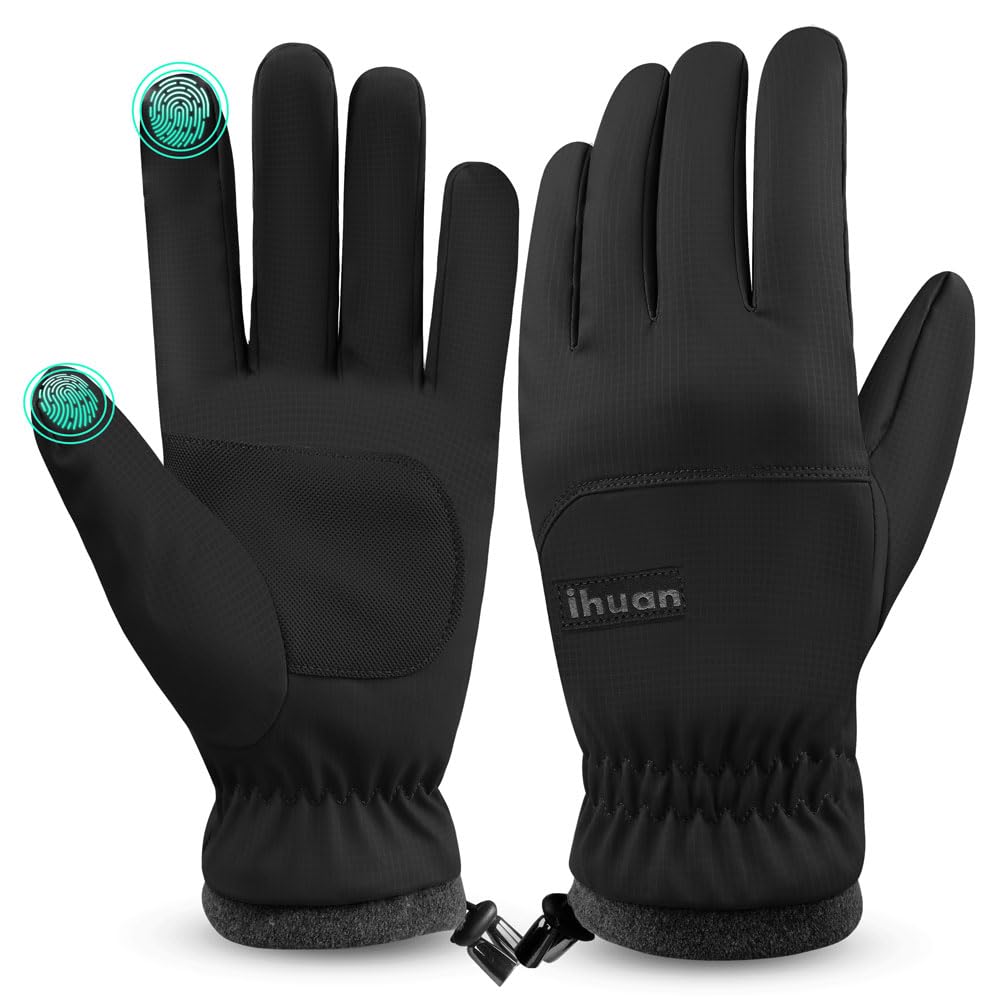
ihuan Waterproof Ski Gloves
Key Features
- Insulation Type: Fleece lining
- Waterproofing: TPU membrane
- Touchscreen: Thumb & index
- Price: $$
The TPU membrane blocks snow and slush well, making these gloves a practical choice for building snowmen or shoveling. The snug fit suits people with smaller hands, but the fingers run short even after sizing up. The fleece lining provides enough warmth for temperatures above freezing, not for extreme cold.
Pros
- Waterproof TPU membrane keeps hands dry in snow and slush.
- Snug fit works well for people with smaller hands.
Cons
- Fingers run short even after ordering a size up.
A good option for occasional snow play or shoveling if you have smaller hands and don’t need protection below 20°F.
Best for Active Dry Cold
TRENDOUX 3M Thinsulate

Key Features
- Insulation Type: 3M Thinsulate
- Waterproofing: Coated shell+PU
- Touchscreen: Fingertips
- Price: $$
3M Thinsulate insulation provides excellent warmth-to-weight for active use. Build quality and value are strong at this price. However, the coated shell and PU palm offer limited water resistance in wet snow, and touchscreen responsiveness can be unreliable. These gloves suit dry cold activities like cycling, running, and skiing rather than wet conditions.
Pros
- Excellent warmth-to-weight ratio with 3M Thinsulate insulation.
- Good quality and value for a mid-range price.
Cons
- Water resistance can be inconsistent in wet snow or slush.
A good fit for cyclists, runners, and skiers who face dry cold conditions and prioritize lightweight warmth over weatherproofing.
Best for Outdoor Light Work
HANDLANDY Thinsulate Work

Key Features
- Insulation Type: 3M Thinsulate
- Waterproofing: Membrane
- Touchscreen: No
- Price: $$
These gloves use 3M Thinsulate for decent warmth during light tasks in temperatures above 20°F. The silicone palm grip and flexible build allow good dexterity for handling tools. However, the water resistance is inconsistent in wet conditions, and sizing runs small, so order up. For heavier winter use or below-freezing wet cold, look elsewhere.
Pros
- Quality construction with comfortable fit for light work.
- Good finger mobility for handling tools and tasks.
Cons
- Insulation is adequate only above 20°F; water resistance may fail in wet conditions.
Suitable for cool-weather chores and outdoor tasks in dry conditions, but not for snow or wet cold.
Best for Budget Ski Trips
Tough Outdoors Ski (Budget)

Key Features
- Insulation Type: Polyester fill
- Waterproofing: Nylon+coating
- Touchscreen: No
- Price: $
This budget glove offers genuine warmth and water resistance for occasional snow play—ideal for a few ski trips a season. Polyester insulation and a coated nylon shell keep hands dry in wet snow, and the fleece lining adds comfort. However, sizing can be inconsistent (some find them too big or too tight), and seam stitching may come apart under frequent use. The lack of touchscreen compatibility means you’ll need to bare hands for phone use. For a weekend skier on a tight budget, these work fine; for all-winter everyday wear, look elsewhere.
Pros
- Warm and dry for snow activities
- Great value for occasional use
Cons
- Fit can be inconsistent – order up if between sizes
Best suited for the budget-conscious skier who hits the slopes a few times a year and can accept minor fit variance and limited seam durability.
Best for Touchscreen Dexterity
SIMARI Thermal Touch Gloves

These gloves prioritize dexterity and touchscreen compatibility over warmth – conductive fingers work well for typing or navigation. In temperatures below 30°F, insulation falls short, and seam durability has been noted as a concern after extended use. They suit light activities in cool weather where phone access without removing gloves is a priority.
Pros
- Responsive touchscreen performance
- Comfortable fit with good dexterity
Cons
- Warmth drops off noticeably below 30°F, limiting use to mild cold
Best for light cool-weather tasks where touchscreen priority outweighs warmth and long-term seam durability.
How to Choose
The most important factor in choosing winter gloves is matching the insulation and waterproofing to your specific activity, not the temperature rating on the box.
Insulation Type
Insulation determines how warm a glove will be, but the type matters more than the thickness. Synthetic fills like 3M Thinsulate trap heat without bulk, making them ideal for active use where dexterity matters. Fleece and wool linings provide decent warmth for light movement but lose efficiency when wet.
For sedentary activities like commuting or standing, a thicker polyester fill or fleece lining works fine. For skiing or shoveling, Thinsulate or a dedicated insulation like SUMMITLOFT maintains warmth even during heavy sweating. Avoid trusting generic ‘cold weather’ labels – check the actual material.
Waterproofing
Waterproofing comes in two forms: a treated shell (DWR coating) or a sealed membrane like TPU. Treated shells resist light snow but fail in wet snow or rain after a few uses. Membranes keep water out consistently but can make gloves less breathable.
If you’ll be in wet snow for hours, choose a glove with a TPU membrane. For dry cold and occasional flurries, a coated shell is sufficient and more affordable. Gloves labeled ‘waterproof’ without a membrane are often only water-resistant – read reviews for real-world performance.
Touchscreen Reliability
Most touchscreen gloves use conductive fibers in the fingertips, but the execution varies widely. Reliable gloves use dedicated conductive threads on multiple fingers, not just a patch of material. Gloves that only claim ‘touchscreen compatibility’ as a bullet point often fail in practice.
If you need to use your phone without removing gloves, look for models with high positive feedback specifically on touchscreen performance. Budget gloves under $10 rarely deliver, while mid-range options from TRENDOUX and SIMARI show better results. Avoid gloves that only have a single conductive finger – it limits typing.
Durability of Seams and Palm
Seam failure is the most common durability complaint in winter gloves. Double-stitched seams and reinforced palm patches extend lifespan, especially in gloves used for work or sports. Leather or synthetic leather palms resist abrasion better than fabric or silicone-only coatings.
For heavy use, prioritize gloves with a full palm overlay (leather or thick synthetic). Knit or spandex palms tear faster when gripping tools or ski poles. Check reviews for specific seam failure patterns before buying.
Fit and Sizing Accuracy
Winter gloves often run small because manufacturers assume you want a snug fit for dexterity. But a too-tight glove restricts blood flow and makes hands colder. Most brands recommend ordering one size up from your normal glove size.
Pay attention to finger length – short fingers are a common complaint. If reviews consistently mention tight fingers, size up. A well-fitting glove should have a slight amount of spare fabric at the fingertips without bunching.
FAQ
How can I tell if a winter glove is actually waterproof?
Look for a sealed membrane like TPU or Gore-Tex in the specifications. Gloves labeled only ‘water-resistant’ or with a DWR coating will wet out in sustained snow or rain. User reviews are the best indicator – search for ‘wet hands’ in feedback. If it doesn’t list a membrane type, expect limited protection.
Should I buy a size larger for winter gloves?
Yes, for most glove models. Winter gloves often fit snugly for dexterity, but a tight fit restricts blood flow and makes hands colder. Order one size up from your normal glove size, especially if reviews mention short fingers. A small air pocket actually improves insulation.
Why do my winter gloves make my hands colder after wearing them?
This usually happens when the glove is too tight, cutting off circulation, or when moisture builds up inside. Sweat-wicking liners like merino wool help, but if the glove is not breathable and your hands sweat, evaporative cooling sets in. Switch to a looser fit or a breathable insulation like Thinsulate.
Are insulated leather gloves warm enough for everyday winter use?
Yes, for moderate winter days (down to around 20°F). Genuine leather with a cashmere or fleece lining provides good warmth and blocks wind. They are not suitable for wet conditions or extreme cold. For sub-zero temperatures, choose a synthetic ski glove with heavier insulation.