
This post contains affiliate links. We may earn a small commission when you buy through our links — at no extra cost to you.
Ski glove shopping often means navigating exaggerated claims and inconsistent sizing. Many pairs under $30 boast subzero ratings and waterproof membranes, but real-world performance varies widely – some run small, some leak at the wrist, and few deliver the warmth they promise.
The key is to focus on what you’ll actually encounter on the mountain: a secure cuff seal, reliable touchscreen access, and insulation that holds up in 20°F conditions. This guide highlights gloves that earn their keep through material choices and design details, not marketing numbers.
Whether you need a budget pair for family snow days or a premium shell for wet climates, these picks match the glove to the use case.


Best for Casual Skiers
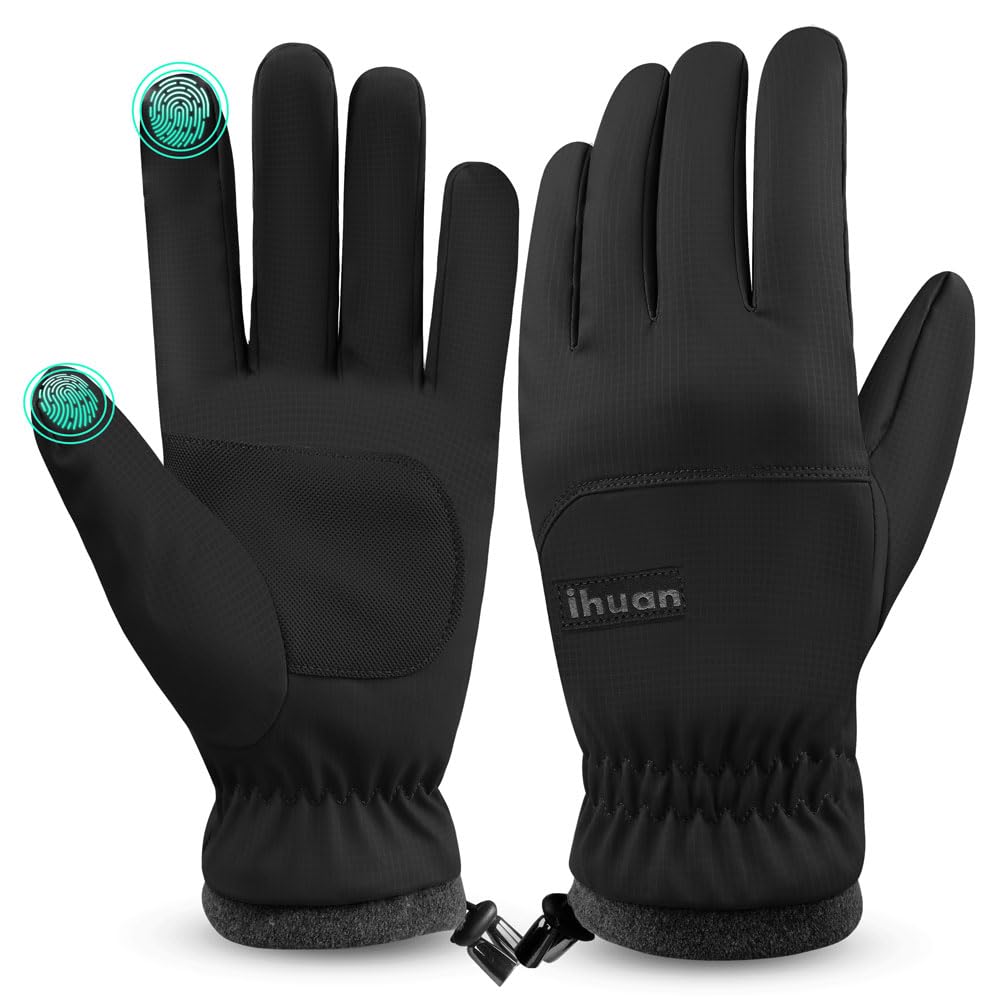
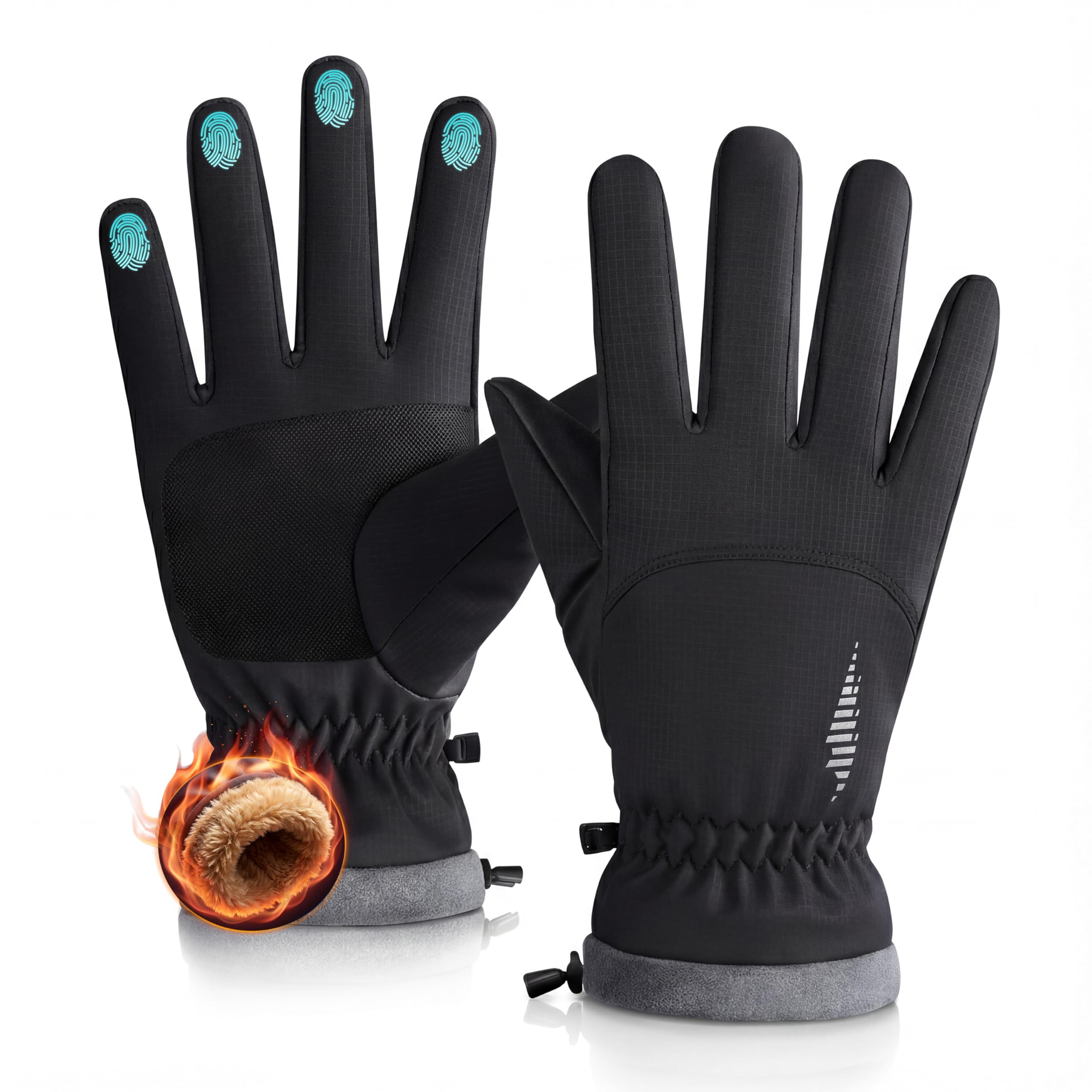
ihuan Ski Gloves
Key Features
- Waterproofing: Waterproof fabric outer
- Insulation: Fleece lining, 20-32°F
- Touchscreen: All fingers
- Price: $
The ihuan ski gloves deliver steady warmth and a secure grip thanks to the soft fleece lining and silicone palm print, making them comfortable for recreational skiing and cold-weather errands. The wrist area lacks a snow seal, so deep powder or wet snow can work its way in through the cuffs—best kept to dry, moderate conditions above 20°F.
These gloves fit best for budget-conscious skiers and families on light slope days who don’t push into extreme cold or wet snow. Buyers with smaller hands will appreciate the sizing—others may need to order one size up for a comfortable fit.
Pros
- Soft fleece lining provides steady warmth for casual skiing and outdoor use.
- Build quality holds up well across multiple winter outings.
- Budget-friendly price offers strong value for the warmth and comfort provided.
Cons
- Sizing runs small; consider ordering one size up.
- Wrist area not waterproof; snow can enter if cuffs get wet or submerged.
A cost-effective choice for fair-weather skiing and everyday winter use, provided you size up and keep cuffs clear of wet snow.
Best for Budget Skiers
EMITGLAM Insulated
Key Features
- Waterproofing: 2-layer TPU nylon
- Insulation: 3M C100, 2X thicker
- Touchscreen: All fingertips
- Price: $
The EMITGLAM Insulated gloves stand out for their thick 3M C100 insulation, which provides warmth that punches above the price tag. Touchscreen compatibility across all ten fingertips works well, and the grip is reliable on ski poles. Where they differ from the top pick is a slightly looser fit — some hands will find the sizing runs a touch large. For budget-conscious skiers who prioritize warmth and don’t mind checking their fit, these are a strong alternative, though long-term durability under regular heavy use has yet to be established.
Pros
- Thick 3M C100 insulation offers impressive warmth for the price.
- Quality construction and comfortable padding for extended wear.
- Touchscreen fingers respond accurately without removing gloves.
Cons
- Fit runs slightly large, which may require sizing down for a snug feel.
These gloves deliver serious warmth at a budget-friendly price, making them a smart pick for first-time skiers or daily cold-weather use.
Best for Men’s Hands
TRENDOUX 3M Thinsulate
Key Features
- Waterproofing: Durable coating + PU
- Insulation: 3M Thinsulate 200g
- Cuff Design: Wrist strap + elastic cuff
- Touchscreen: Fingertips
- Price: $
The TRENDOUX gloves provide generous sizing for men with larger hands and use genuine 3M Thinsulate for solid warmth. The advertised -20°F rating is optimistic; they perform best above 20°F. Water resistance is inconsistent – snow contact can lead to damp hands. These gloves are best suited for daily commuting, outdoor work, or occasional dry-snow skiing where a roomy fit is the priority.
Pros
- 3M Thinsulate insulation keeps hands warm in cold conditions.
- Build quality and materials hold up well for everyday use.
- Fit accommodates men with average to large hands comfortably.
Cons
- Warmth rating is overstated – comfortable to about 20°F, not -20°F.
- Water resistance is inconsistent; some users get wet hands after snow contact.
A budget-friendly glove with good warmth and fit for larger hands, but the top pick’s more consistent waterproofing makes it a safer choice for skiing.
Best for Resort Skiers
Burton Gore-Tex
Key Features
- Waterproofing: Gore-Tex membrane
- Insulation: Thermal + removable liner
- Cuff Design: Gauntlet style
- Touchscreen: Removable liner
- Price: $$$
The Burton Glove keeps hands dry with its Gore-Tex membrane, and the removable liner offers touchscreen access without sacrificing warmth when conditions shift. Unlike simpler wet-weather gauntlets, this design prioritizes liner versatility over a one-piece shell. It suits resort skiers facing mixed conditions who want the option to swap liners. Seam durability has been a concern, and the fit runs snug — those with larger hands should plan to size up.
Pros
- Gore-Tex membrane keeps hands dry in wet snow and rain.
- Removable liner enables touchscreen use and quick adaptation to temperature changes.
- Overall warmth and build quality meet expectations for resort skiing.
Cons
- Seam tearing may occur after limited use, with no user-side fix.
A premium glove that delivers on waterproofing and liner flexibility, but worth inspecting for seam quality upon arrival.
Best for Wet Snow
Gordini Gore-Tex
Key Features
- Waterproofing: Gore-Tex
- Insulation: Thermal fleece
- Cuff Design: Gauntlet with drawstring
- Touchscreen: No
- Price: $$$
The long gauntlet with drawstring closure provides a secure snow seal that keeps wrists dry in deep powder and wet conditions. The Gore-Tex membrane delivers consistent waterproofing while thermal fleece insulation maintains warmth in sub-freezing temperatures. However, the lack of touchscreen compatibility means you’ll need to remove gloves to use your phone, and sizing can be inconsistent — measure your hand circumference and match to the size chart rather than relying on your usual glove size. These gloves suit skiers who prioritize staying dry over phone access and have average hand dimensions.
Pros
- Gore-Tex membrane provides effective waterproofing and breathability in wet snow conditions.
- Thermal fleece insulation keeps hands warm during cold days on the slopes.
- Drawstring gauntlet closure prevents snow from entering at the cuff.
Cons
- No touchscreen capability — removing gloves is required to use a phone.
- Sizing can be inconsistent; ordering based on hand measurements is recommended.
For skiers in wet climates who can accept no touchscreen access and are careful with sizing, the Gordini Gore-Tex gauntlet delivers consistent waterproofing at a competitive price.
Best for Tech-Savvy Skier
rivmount Touchscreen
Key Features
- Waterproofing: TPU membrane
- Insulation: Fleece lining, windproof
- Touchscreen: All five fingers
- Price: $
The rivmount Touchscreen stands apart from the top pick with conductive fabric on all five fingers, making phone use seamless without removing gloves. Fleece lining and windproof construction keep hands warm during light skiing, running, or cycling. The PU leather palm provides solid grip for poles or handlebars. This glove suits casual skiers, cyclists, and runners who prioritize screen access over deep powder protection — water resistance handles light snow but can soak through in wet conditions, and the fit runs small for some.
Pros
- All five fingers work with touchscreens — no need to remove gloves for phone use.
- Warm enough for cold weather commuting and light snow play.
- Soft fleece interior feels comfortable against the skin.
Cons
- Fit runs small for some — consider ordering up if between sizes.
- Water resistance may not hold up in heavy wet snow or sustained moisture.
For buyers who value full touchscreen dexterity over waterproofing, the rivmount gloves offer exceptional value — just size up and keep them to light snow.
Best for Budget Skiers
MCTi Ski Gloves

Key Features
- Waterproofing: Waterproof membrane
- Insulation: 3M Thinsulate
- Cuff Design: Wrist strap + gauntlet
- Price: $$
For budget-minded resort skiers, the MCTi gloves provide consistent warmth, waterproofing, and a handy ski pass pocket at a mid-range price. However, seam tearing and water resistance may diminish after moderate use, so frequent riders should look elsewhere.
Pros
- Warmth and waterproofing hold up in typical resort conditions
- Ski pass pocket and wrist strap add convenience
Cons
- Seam tearing may occur after a season of regular use
Best for occasional resort skiers who want a functional glove without investing in a premium pair.
Best for Backcountry Skiers
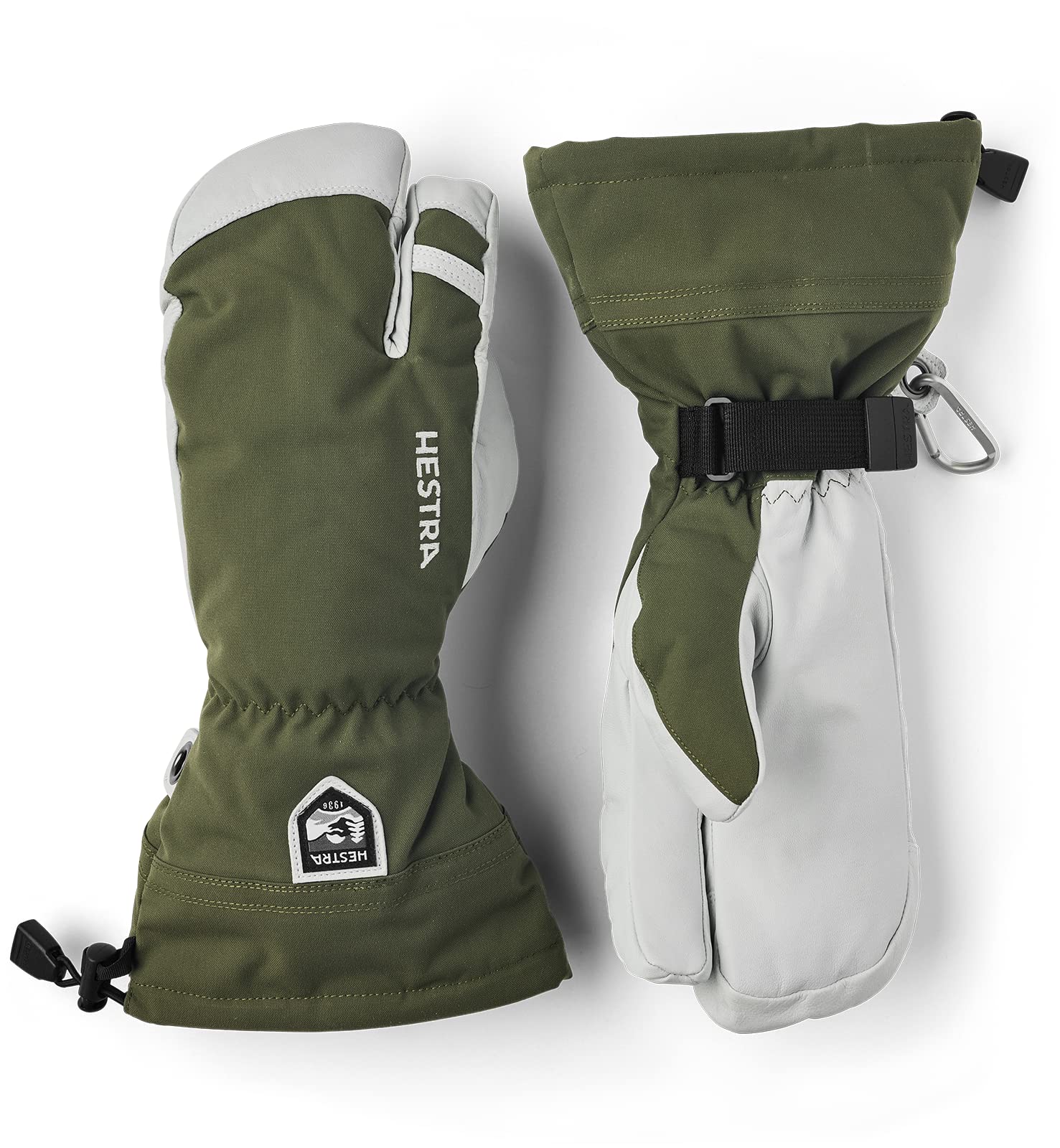
Hestra Heli 3-Finger
Key Features
- Waterproofing: Breathable insert
- Insulation: G-loft synthetic
- Cuff Design: Long gauntlet, wrist strap
- Price: $$$$
The Army Leather Heli delivers outstanding warmth and dexterity for cold backcountry days, with premium materials and a 3-finger design that allows better finger movement than most mittens. However, the premium price and potential for carabiner breakage or leather staining mean this glove is best suited for frequent backcountry skiers, not occasional resort users.
Pros
- Army leather and G-loft insulation deliver lasting warmth and comfort in extreme cold.
- Three-finger cut provides better dexterity than typical mittens for tasks like adjusting gear.
Cons
- Premium price and occasional leather staining or carabiner failure mean the investment only pays off for frequent skiers.
For backcountry skiers who spend full seasons in cold, dry conditions, the Heli 3-Finger justifies its cost with unmatched warmth and dexterity. Weekend resort skiers will find better value elsewhere.
Best for Budget Skiers
Tough Outdoors

Key Features
- Waterproofing: Yes
- Insulation: Thermal fleece
- Cuff Design: Drawstring closure
- Touchscreen: Thumb and index
- Price: $
Delivers warmth and waterproofing that outperforms its price tag. Sizing can vary between pairs, and seam durability may be limited under frequent use, making this a fit for occasional slope visits or backup gloves rather than daily laps.
Pros
- Keeps hands warm and dry in typical snow conditions.
- Strong value — often matches or beats gloves costing twice as much.
Cons
- Sizing can vary between pairs, so finding the right fit may take a second try.
Best for budget skiers willing to accept fit variability or as a spare pair for occasional use.
Best for Gauntlet Fans
Alpine Swiss Gauntlet

Key Features
- Waterproofing: 150D polyester + TPU
- Insulation: 3M Thinsulate 40g
- Cuff Design: Long gauntlet, drawstring
- Touchscreen: No
- Price: $$
The Alpine Swiss Gauntlet delivers solid warmth and waterproofing in dry, cold conditions thanks to the long gauntlet that seals out snow. The mid-range price makes it a cost-effective choice for skiers who don’t need touchscreen access. However, the lack of touchscreen means glove removal for phone use, and the seams may separate after a few weeks of heavy use.
Pros
- Very warm and waterproof for the price
- Gauntlet style effectively seals out snow
Cons
- Lacks touchscreen capability, requiring glove removal for phone use
Best for skiers in dry, cold climates who prioritize snow seal and don’t need phone access without removing gloves.
Best for Casual Skiers
Achiou Pocket Gloves

Key Features
- Waterproofing: TPU membrane
- Insulation: Foam + fleece
- Touchscreen: All fingers
- Price: $
This glove’s hidden zipper pocket is genuinely convenient for lift passes. The fleece lining provides good warmth for dry days. However, the fit runs small, so sizing up is advised, and water resistance may not hold up in wet snow. Those needing a glove for occasional resort skiing in dry conditions will find the pocket useful.
Pros
- Hidden zipper pocket for lift passes or hand warmers
- Good warmth and comfort for the price
Cons
- Fit runs small – order up
Best for casual skiers who need a glove pocket for lift passes and ski in dry snow.
Best for Kids and Teens
Odtmger Ski Gloves

Key Features
- Waterproofing: TPU insert
- Insulation: Thermal fleece, -22°F
- Touchscreen: Yes
- Price: $
Warm and comfortable for kids and teens at a low price, these gloves use thick fleece insulation for cold, dry days. A zipper pocket and wrist leash add convenience. Sizing runs large, so order down for children. Best suited for dry snow sledding and building — not a fit for wet conditions or frequent use.
Pros
- Very warm for kids and teens in cold dry climates
- Good value for family use with a zipper pocket and leash
Cons
- In wet snow or rain, the TPU insert can soak through and the interior is slow to dry
Reserve these for dry snow days — they’ll keep young hands warm on a budget, but wet conditions call for a different glove.
Best for Casual Snow Play
Pnosnesy Ski

Key Features
- Waterproofing: TPU membrane
- Insulation: Double thick fleece
- Cuff Design: Buckle + wrist leash
- Touchscreen: Yes
- Price: $
The Pnosnesy Ski gloves pack a zipper pocket, adjustable buckle, and wrist leash into a budget-friendly package. Warmth and comfort have drawn positive comments from early users. However, long-term durability is unconfirmed, and sizing may run large for some—this makes the glove a fit for occasional snow play or as a backup pair rather than a daily driver for frequent skiers.
Pros
- Zipper pocket and wrist leash add convenience for lift passes and small items.
- Double-thick fleece lining provides warmth for cold days on the slopes.
Cons
- Sizing may run large for some users – size down if between sizes.
A reasonable choice for light winter outings or as a spare glove, but skiers who need a long-term workhorse should look at more established models.
How to Choose
Sizing and cuff seal matter more than temperature claims.
Waterproofing
The waterproof membrane is only part of the story. Most ski gloves use a TPU insert or coated fabric, which can keep snow out for a few hours if the outer shell stays intact. The real vulnerability is the cuff area—if snow gets inside the gauntlet or wrist opening, the membrane won’t help.
For wet snow climates, look for a long gauntlet with a drawstring closure or an elastic wrist seal. Gore-Tex membranes breathe better than cheaper alternatives, reducing sweat buildup inside the glove, but they add $40–$60 to the price.
Insulation Type and Weight
Temperature ratings printed on the box are often exaggerated. A glove claiming -20°F may only be comfortable down to 20°F for most people. The key spec is insulation weight: 3M Thinsulate 200g is warmer than 40g, but thicker insulation reduces dexterity.
Fleece-lined gloves are fine for casual use around freezing, but for resort skiing in the 10–20°F range, you need a synthetic fill like Thinsulate or Primaloft. Thinner insulation works better for active skiers who generate heat; static activities like chairlift rides need more bulk.
Cuff Design
The cuff is the first place water and snow enter. Elastic knitted cuffs are common on budget gloves but offer little protection during deep snow days or wet conditions. A long gauntlet with a drawstring or velcro strap seals better but can be bulky under a jacket.
Consider your jacket sleeve style: over-cuff jackets work with any cuff, while under-cuff jackets require a slim gauntlet or wrist strap. The best seal combines a drawstring gauntlet with a wrist leash that keeps the glove tight against your parka.
Touchscreen Compatibility
Touchscreen fingers add convenience, but not all are equal. Many budget gloves only work on the thumb and index finger, and the sensitivity drops in cold weather. Conductive fabric that covers all five fingers, like on the rivmount, is rare but valuable for skiers who use phones to check trail maps or take photos.
A removable liner glove is a clever alternative: you wear the thin liner for phone use and tuck it inside the shell for warmth. This adds versatility but requires two pieces to keep track of.
Durability
Seam construction and palm material determine how long a glove lasts. PU leather palms look rugged but crack after a few seasons; stitched seams on cheap gloves often fail at the thumb crotch or strap attachment. Reinforced stitching and genuine leather (like on Hestra) hold up for years but cost more.
If you ski more than 10 days a year, spend at least $50 to get reinforced palms and double-stitched seams. Budget gloves around $15–$20 will likely need replacing after one season of regular use.
FAQ
Why do my ski gloves get wet inside even though they say waterproof?
Most waterproof membranes keep the fabric dry, but snow can still enter through the cuff if it’s not sealed properly. Once inside, your body heat melts the snow into water. Also, cheap TPU membranes fail after a few hours of snow exposure. For reliable dryness, focus on a snug cuff seal and a gauntlet style rather than relying solely on the waterproof claim.
How tight should ski gloves fit?
Ski gloves should be snug in the fingers without restricting circulation, and the wrist should feel secure. Many popular models run small, so ordering one size up from your everyday glove size is common. If your fingers touch the ends of the glove when straight, size up — otherwise, you lose warmth and dexterity.
Can you use touchscreen gloves while skiing?
Yes, but not all touchscreen gloves work well. Single-finger designs often require you to remove the glove for reliable phone use. Look for gloves with conductive fabric on at least the thumb and index finger, or better yet, all five fingers. A removable touchscreen liner is the most versatile option for frequent phone checks.
Is Gore-Tex worth the extra cost for ski gloves?
Gore-Tex membranes offer superior breathability and consistent waterproofing compared to budget TPU inserts, especially in wet climates. You pay 3–4 times more, but the gloves typically last longer and keep your hands drier inside. If you ski only a few days a year in dry snow, a well-sealed budget glove with a gauntlet cuff can be just as effective.