
This post contains affiliate links. We may earn a small commission when you buy through our links — at no extra cost to you.
Many winter gloves promise extreme cold ratings and waterproof membranes, but real-world performance varies widely. Touchscreen fingertips that stop working after a few wears and insulation that falls short of advertised temperatures are common frustrations.
The right glove for you depends on how you actually use it — shoveling snow, daily commuting, or weekend skiing. This guide cuts through marketing claims to match you with gloves that deliver on their core promises.
The trade-off is often between rugged durability and all-around consistency: a glove built for heavy labor may lack reliable waterproofing, while a balanced mid-range option can handle most winter activities without surprises.



Best for Active Winter Sports
TRENDOUX 3M Thinsulate
Key Features
- Insulation: 3M Thinsulate 200g
- Water Resistance: Claimed TPU membrane
- Touchscreen: Thumb and index finger
- Cuff: Adjustable wrist + elastic knit
- Price: Mid-Range
The 200g Thinsulate lining delivers consistent warmth for most winter activities, from shoveling to skiing. The touchscreen works on thumb and index fingers, and the adjustable wrist strap helps seal out drafts. For the price, you get solid construction and a good fit out of the box.
These gloves suit budget-conscious buyers who want Thinsulate warmth without paying premium prices. However, they are best for dry cold down to about 15°F—the claimed -20°F rating is overstated—and the TPU membrane may not hold up in prolonged wet snow. If you face steady wet conditions or need extreme cold protection, consider the heavy-duty work glove in this guide instead.
Pros
- Thinsulate 200g insulation keeps hands warm for active use down to around 15°F.
- Touchscreen works on thumb and index fingers for phone use without removing gloves.
- Adjustable wrist strap and elastic knit cuff help seal out cold and snow.
Cons
- Water resistance may falter in steady wet snow; the TPU membrane can allow seepage after extended exposure.
- The -20°F rating is not achievable; warmth is sufficient only down to about 15°F for active use.
A balanced Thinsulate glove that delivers on warmth, touchscreen, and value—just don’t expect sub-zero reliability or full waterproofing.
Best for Outdoor Work
Carhartt Insulated Knit Cuff
The Carhartt delivers high warmth and rugged build for sub-zero outdoor labor. Thick insulation and durable construction handle heavy use in extreme cold, making it a top choice for those who prioritize toughness over versatility. However, the waterproofing can be unreliable in wet snow, and the fit runs small – order up one to two sizes. This glove suits outdoor workers in very cold climates who don’t need touchscreen access and are willing to accept the water resistance gamble. Compared to the top pick, the Carhartt offers superior extreme-cold performance but fewer everyday features.
Pros
- Dependable warmth in sub-zero conditions
- Durable construction withstands heavy use
- Cost-effective for demanding work environments
Cons
- Fit runs small – sizing up one to two sizes is necessary for comfort
- Waterproofing may fail in wet snow; treat as water-resistant, not waterproof
A dependable glove for dry, sub-zero work conditions – just account for the tight sizing and treat water resistance as a bonus, not a guarantee.
Best for Running & Cycling
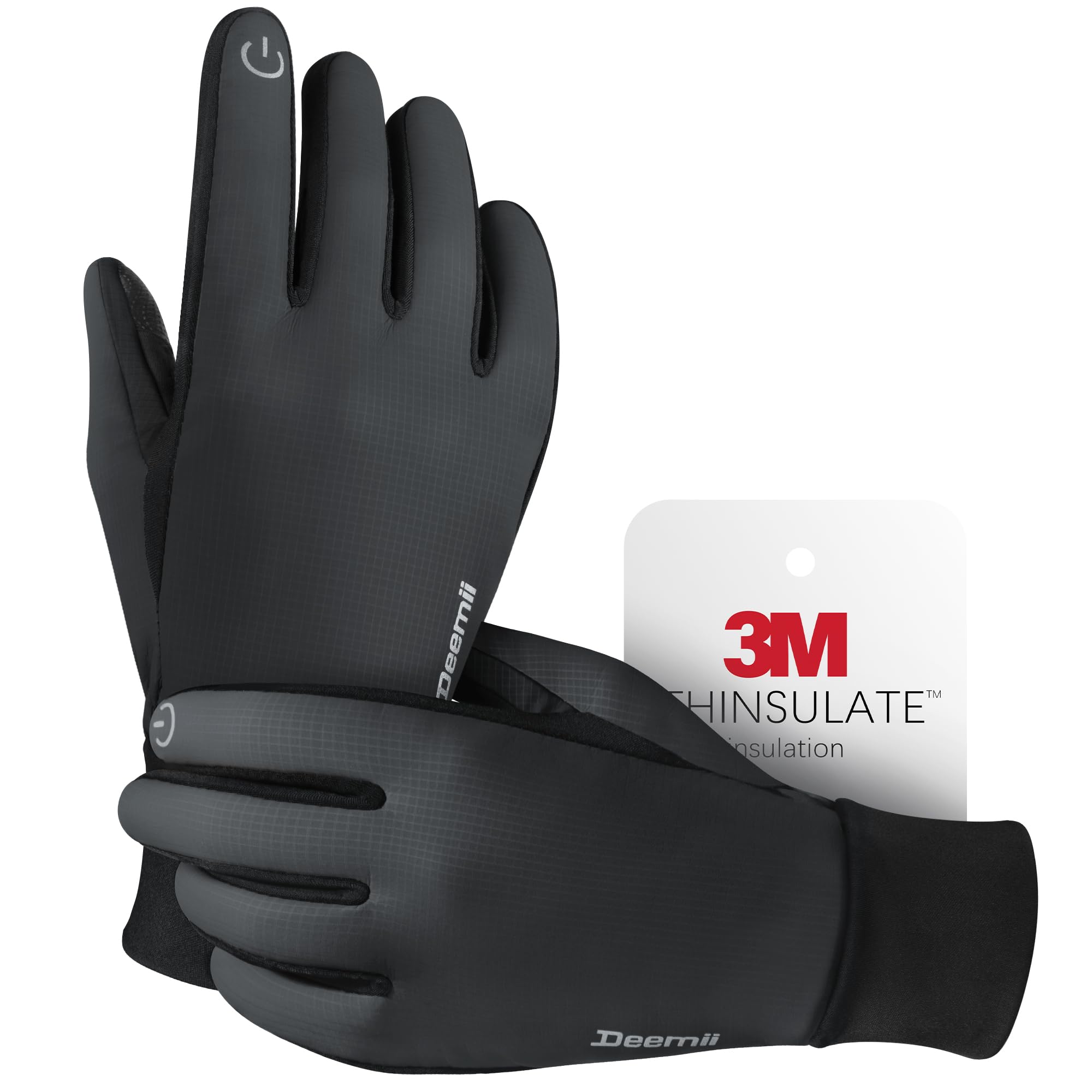
Deemii 3M Thinsulate
Key Features
- Insulation: 3M Thinsulate C40
- Water Resistance: Coating claimed
- Touchscreen: Thumb and index finger PU
- Cuff: Elastic
- Price: Budget
Where the top pick balances warmth for all-around winter use, the Deemii gloves prioritize weight savings for active movement. The 3M Thinsulate C40 insulation delivers reliable warmth in dry cold down to about 23°F while remaining flexible enough for gripping handlebars or poles.
This pair suits runners and cyclists who need warmth without restricting hand movement. For fall or spring layering, the touchscreen works well on thumbs and index fingers. But the water-resistant coating is light — skip these for wet snow or steady rain. Touchscreen performance may fade after machine washing, so spot cleaning is best.
Pros
- Warmth without bulk for active use
- Good quality and fit for the price
Cons
- Water-resistant coating offers limited protection — treat as a dry-weather glove
- Touchscreen sensitivity may decrease after washing, reducing long-term usability
For runners and cyclists who stay dry, these gloves deliver lightweight warmth at a budget price — just wash them gently to preserve touchscreen function.
Best for Daily Commute
Isotoner Stretch Fleece
Key Features
- Insulation: Fleece lining
- Touchscreen: Smart Touch technology
- Cuff: Stretch
- Price: Premium
The Isotoner Stretch Fleece gloves deliver a soft, feminine fit with Microluxe lining that feels pleasant in moderate cold. The stretch material and tailored shape suit women with smaller to average hands, but the one-size design can be snug for larger hands, and touchscreen sensitivity varies by phone. Compared to budget fleece options, these gloves offer a more refined look and premium lining at a higher price point.
Pros
- Soft fleece lining provides comfortable warmth in moderate cold.
- Feminine fit with stretch material accommodates smaller hands well.
- Sleek appearance complements professional or casual outfits.
Cons
Best for women who value style and softness in their daily commute gloves and can work within the fit and touchscreen boundaries.
Best for Snow Play
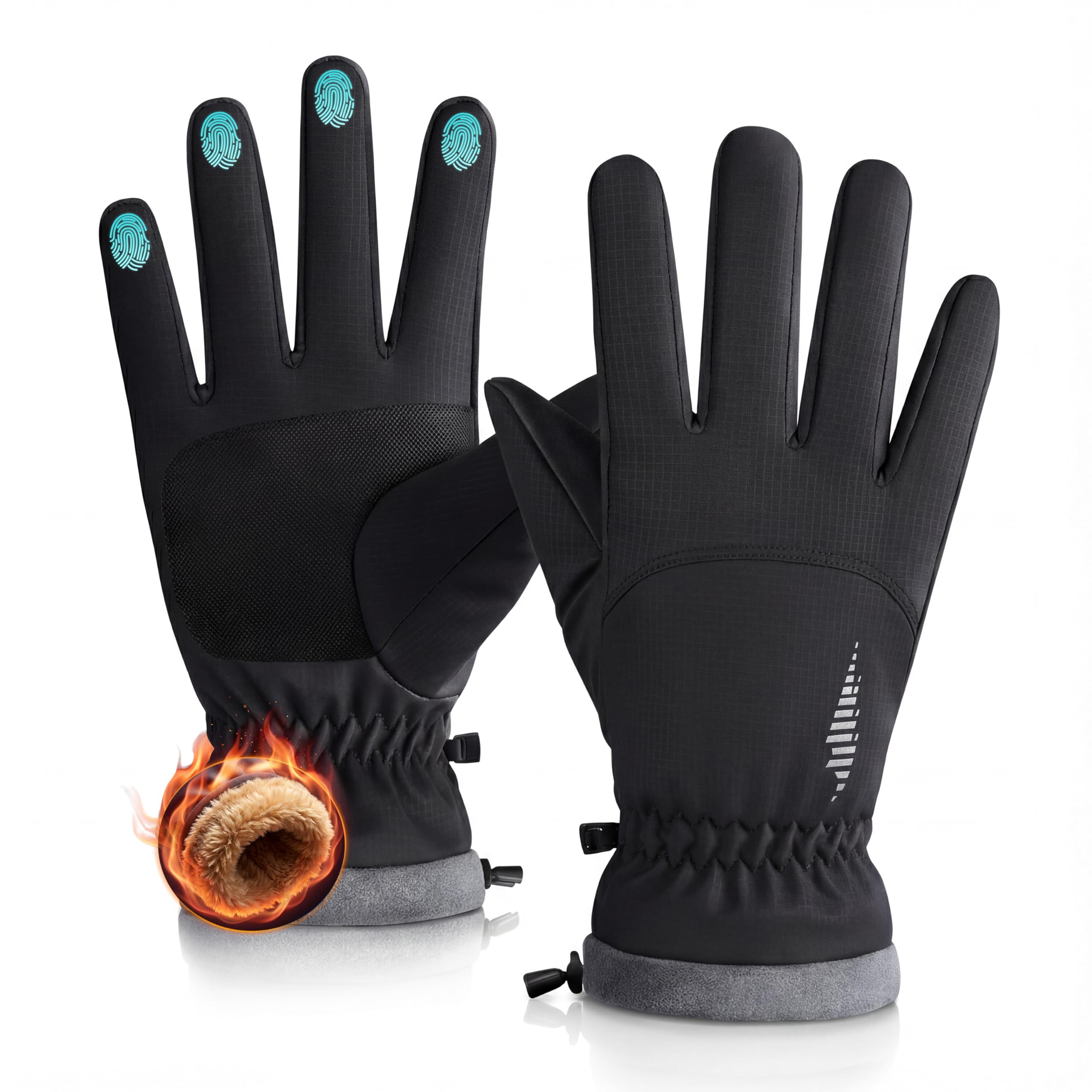
Rivmount Waterproof Ski
Key Features
- Insulation: Fleece lining
- Water Resistance: Claimed coating + membrane
- Touchscreen: All five fingers conductive
- Cuff: Drawstring adjust
- Price: Budget
The Rivmount gloves stand out for their all-finger touchscreen capability, letting you use your phone without taking them off. While not as warm as the top pick, they provide adequate insulation for sledding, snowball fights, and cycling in temperatures 20–40°F. These suit budget-conscious buyers who prioritize phone access and need a glove for dry snow play. However, the fit runs small — order up if you have larger hands, and note that water resistance may fade after repeated wetting.
Pros
- All five fingers are conductive for full phone use without removing gloves.
- Warm and dry for the price during snow play and cold-weather cycling.
- Soft fleece interior adds comfort against the skin.
Cons
- Fit tends to be tight, especially in the fingers — size up for larger hands.
- Water resistance may decrease after repeated exposure to wet conditions.
A good budget option for occasional winter activities where touchscreen access matters, provided you order a size up.
Best for Skiing & Sledding
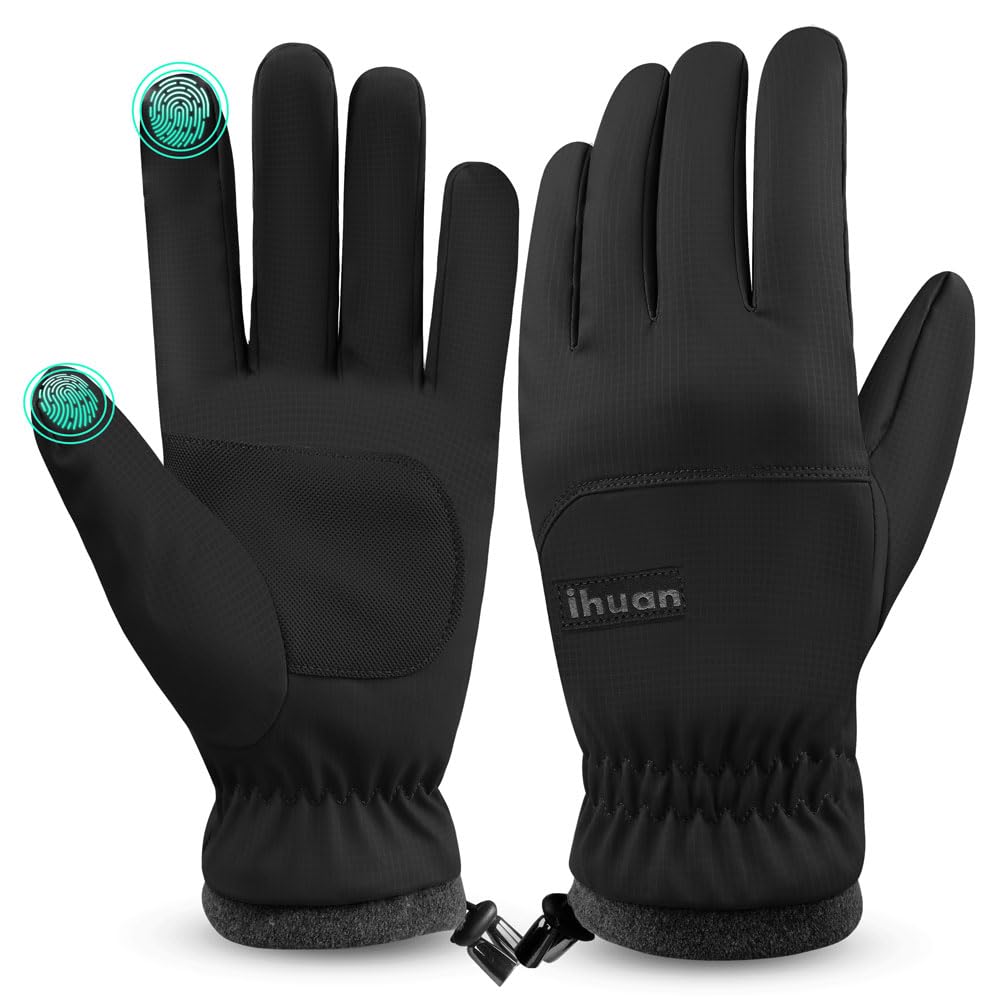
ihuan Waterproof Ski
Key Features
- Insulation: Fleece lining
- Water Resistance: Claimed
- Touchscreen: Thumb and index finger
- Cuff: Drawstring adjustable
- Price: Mid-Range
Offers good warmth for active use in moderate cold and decent water resistance for snow play. Sizing runs small (order up), and the cuffs are not waterproof—wet cuffs can let moisture in. The construction is less durable than premium options, making this suitable for occasional use rather than regular winter sports.
Pros
- Keeps hands warm during active snow play in temperatures from 20°F to 32°F.
- Water and snow resistance handles light snow and slush effectively.
Cons
- Sizing runs small; order up for a comfortable fit.
Best for occasional sledding or snow shoveling where price and warmth matter more than long-term durability or wet-cuff protection.
Best for Ultra-Budget
Achiou Thermal Knit

Key Features
- Insulation: Thermal lining
- Touchscreen: Two-finger conductive
- Cuff: Elastic
- Price: Budget
These knit gloves deliver surprising warmth for the price in cool conditions, with a comfortable lining and good grip. However, the touchscreen function can be unresponsive, and the seams may pull apart after limited use. Consider them a disposable warm layer for above-freezing days.
Pros
- Decent warmth for above-freezing temperatures at a budget price.
- Soft, non-itchy lining keeps hands comfortable during casual wear.
Cons
- Touchscreen tips can be unresponsive, making texting or navigation hit-or-miss.
Best suited as a budget backup glove for mild winter days, not for extended cold or heavy use.
Best for Small Hands
Isotoner Stretch Fleece
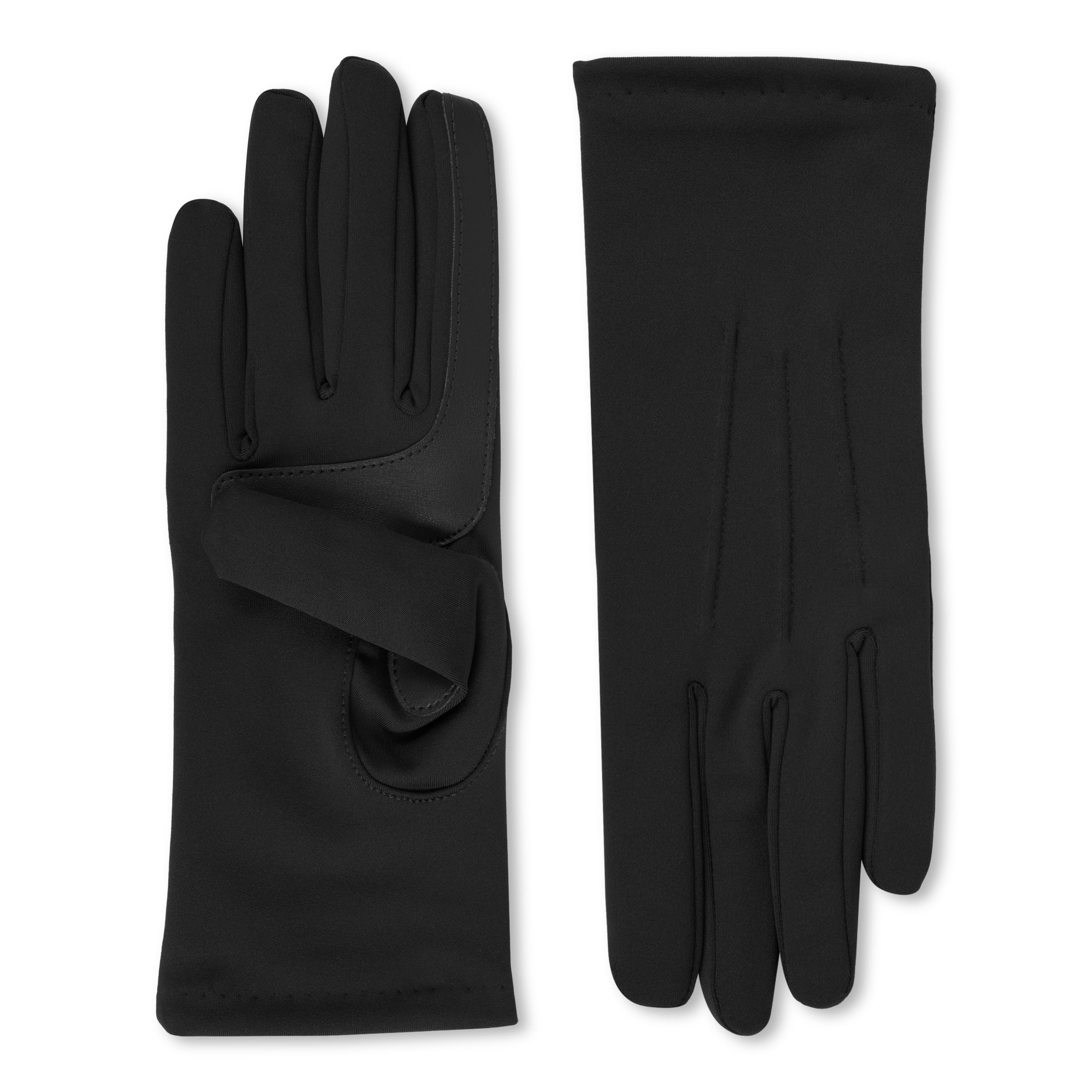
These gloves provide noticeable warmth without the bulk, thanks to the fleece lining and stretchy spandex construction. The silicone palm grip adds practicality for driving or everyday tasks. However, the fit runs notably small, so anyone with average or larger hands will find them uncomfortably tight. Additionally, the touchscreen capability is unreliable, making this a poor choice for anyone who needs to use a phone with gloves on. This is a well-made option for women with petite hands who prioritize style and comfort in mild cold conditions.
Pros
- Warmth without bulk for mild cold down to 30°F
- Stylish and feminine design with silicone grip
Cons
- Fit runs very small; not suitable for average or larger hands
A comfortable, stylish glove for women with small hands who don’t need reliable touchscreen access and encounter only mild cold.
Best for Occasional Skiing
Tough Outdoors Ski

Key Features
- Water Resistance: Claimed
- Cuff: Elastic with drawstring
- Price: Mid-Range
These gloves provide solid warmth and water resistance for light skiing or snowboarding in mild conditions. Seam durability is a concern—tearing may occur after limited use—and the fit runs large, making them less suitable for smaller hands. For occasional winter sport use above 20°F, they offer decent value, but frequent use may reveal seam issues.
Pros
- Warmth for skiing and snowboarding in mild conditions
- Good value for occasional winter sports
Cons
- Seams may tear after a few uses
Best as a backup glove for occasional ski trips, not a primary glove for regular use.
Best for Active Winter Sports
TRENDOUX 3M Thinsulate
Key Features
- Insulation: 3M Thinsulate 200g
- Water Resistance: Claimed TPU membrane
- Touchscreen: Thumb and index finger
- Cuff: Adjustable wrist + elastic knit
- Price: Mid-Range
The 200g Thinsulate lining delivers consistent warmth for most winter activities, from shoveling to skiing. The touchscreen works on thumb and index fingers, and the adjustable wrist strap helps seal out drafts. For the price, you get solid construction and a good fit out of the box.
These gloves suit budget-conscious buyers who want Thinsulate warmth without paying premium prices. However, they are best for dry cold down to about 15°F—the claimed -20°F rating is overstated—and the TPU membrane may not hold up in prolonged wet snow. If you face steady wet conditions or need extreme cold protection, consider the heavy-duty work glove in this guide instead.
Pros
- Thinsulate 200g insulation keeps hands warm for active use down to around 15°F.
- Touchscreen works on thumb and index fingers for phone use without removing gloves.
- Adjustable wrist strap and elastic knit cuff help seal out cold and snow.
Cons
- Water resistance may falter in steady wet snow; the TPU membrane can allow seepage after extended exposure.
- The -20°F rating is not achievable; warmth is sufficient only down to about 15°F for active use.
A balanced Thinsulate glove that delivers on warmth, touchscreen, and value—just don’t expect sub-zero reliability or full waterproofing.
Best for Fall Wear
TRENDOUX Merino Wool

Key Features
- Insulation: Merino wool blend
- Touchscreen: Conductive threads
- Cuff: Elastic knit
- Price: Budget
The TRENDOUX Merino Wool gloves offer a soft, warm feel in cool weather and surprisingly responsive touchscreen fingertips. They’re well-suited for brisk fall walks, light driving, or commuting above 40°F. Below that, the warmth drops off, and the seams may show wear with regular use. This pair is a comfortable mild-weather companion rather than a true winter glove.
Pros
- Soft merino wool blend feels warm and comfortable in cool, dry conditions.
- Touchscreen sensitivity works reliably for quick phone use without removing gloves.
Cons
- In below-freezing weather, the warmth falls short—best for temperatures above 40°F.
A budget-friendly merino wool option for mild fall and early winter days, but not a replacement for insulated winter gloves in cold climates.
Best for Fall Hiking
RIGWARL Touch Screen

Key Features
- Insulation: Long-pile fleece lining
- Water Resistance: Claimed
- Touchscreen: Two-finger conductive
- Price: Budget
The RIGWARL gloves are comfortable and stylish for mild weather, with a good fit for average hands and touchscreen that works for basic tasks. However, they are not warm enough for temperatures below 40°F, the waterproof claim is misleading—they get wet quickly—and seams may tear after light use. These are fine for fall hikes or driving in cool, dry conditions, but not for winter.
Pros
- Comfortable and stylish for casual wear
- Good fit for average-sized hands
Cons
- Not warm enough for winter cold—only suited for weather above 40°F
A budget-friendly option for dry, cool-weather use above 40°F, but skip if you need real winter warmth, waterproofing, or durability.
How to Choose
The most common mistake is trusting advertised temperature ratings and waterproof claims without checking real-world reviews.
Insulation Type and Temperature Rating
Thinsulate (3M) provides reliable warmth without bulk, making it ideal for active use. Fleece and wool offer comfort but less cold protection. Many budget gloves list a temperature rating, but that number often applies only in dry, calm conditions — add 10–15°F if you’ll be moving or in wind.
For everyday commuting above 30°F, fleece or a thin Thinsulate layer works. For shoveling or skiing below 20°F, look for 200g Thinsulate or a thick fleece liner. The claimed -20°F or -30°F ratings on cheap gloves are almost always exaggerated.
Water Resistance vs. Waterproofing
Truly waterproof gloves use a sealed membrane (e.g., TPU) and taped seams. Most budget gloves rely on a DWR coating that wears off after a few uses. In wet snow, even claimed waterproof gloves often leak through the cuff or after extended exposure.
If you’ll be in wet snow for more than 30 minutes, choose a glove with a waterproof membrane and a long gauntlet cuff that tucks under your jacket. For occasional light snow, a water-resistant coating is enough.
Touchscreen Compatibility
Conductive threads or pads on the fingertips enable touchscreen use, but sensitivity drops when the glove is wet or cold. Many gloves work only for the first few weeks before the conductive coating wears off. Some gloves use capacitive tips that must precisely contact the screen.
If reliable touchscreen is critical, look for models with separate conductive pads on multiple fingers (ideally all five) and avoid washing the gloves — washing degrades the conductive material. The best touchscreen gloves let you keep the glove on for quick texts, but for heavy phone use you’ll still want to remove them.
Grip Material on Palm and Fingers
Silicone dots, rubber patterns, or leather patches improve grip on steering wheels, ski poles, and shovels. Full palm coverage provides better hold but can stiffen the glove. Grip is less critical for casual walking but essential for driving or handling tools in wet conditions.
Cuff Design for Snow Protection
Knit cuffs trap warmth but allow snow to enter if you sink into a drift. Elastic cuffs seal better, and drawstring cuffs (or gauntlet styles) block snow most effectively. For snow removal or skiing, choose a cuff that can be cinched tight around the wrist or tucked under a jacket sleeve.
FAQ
Why do my touchscreen gloves stop working after a few weeks?
Conductive threads or coatings wear off with friction and washing. Most budget gloves use a thin metallic layer that flakes after a few uses. For longer-lasting touchscreen performance, choose gloves with thicker conductive pads or look for models that work without relying on coating — some use capacitive thread woven into the fabric. Avoid washing them if possible, and air dry to preserve the conductive material.
Can I use winter ski gloves for everyday commuting?
Ski gloves are bulkier and warmer than commuting gloves, which can make driving and simple tasks like handling keys awkward. They also tend to be less flexible and may cause sweaty hands in moderate cold. If your commute is under 30 minutes and temperatures stay above 20°F, a lighter fleece or Thinsulate glove is more comfortable and practical.
How do I know if my winter gloves are truly waterproof or just water-resistant?
Check the product specs for a sealed membrane like TPU or Gore-Tex and look for statements like ‘fully waterproof’ with taped seams. Gloves that only say ‘water-resistant’ or ‘DWR coating’ will repel light snow but leak in wet conditions or after prolonged exposure. Customer reviews mentioning ‘stayed dry in wet snow’ are the best real-world indicator.
What temperature rating do I need for gloves if I live in a mild winter climate?
If winter temperatures rarely drop below 30°F, a fleece-lined glove or thin Thinsulate (40g–100g) is sufficient. Avoid gloves with extreme ratings like -20°F – they will be too hot and bulky. Instead, focus on breathability and dexterity for daily use. For occasional dips below freezing, a mid-weight Thinsulate 200g glove works well without overheating.