
This post contains affiliate links. We may earn a small commission when you buy through our links — at no extra cost to you.
Waterproof ratings and fancy tread patterns dominate the marketing, but most hikers discover the hard way that a shoe feeling good on a short walk doesn’t guarantee comfort after mile five. The gap between what manufacturers promise and what your feet experience is wider than most buyers expect.
That gap comes down to fit, breathability, and how long the materials actually hold up. This guide cuts through the noise by focusing on what matters: real-world comfort out of the box, waterproofing that works beyond the first few months, and a fit that accommodates different foot shapes without guesswork.
The best shoe for you isn’t the one with the most tech specs—it’s the one that feels right from the first step and keeps your feet happy on the terrain you actually hike.


Best for Day Hikers Comfort
Columbia Newton Ridge Plus WP
Key Features
- Waterproofing: Yes (Omni-Tech)
- Ankle Support: Mid-cut
- Fit & Width: Slightly wide fit
- Price: $$
From the first wear, the Newton Ridge Plus delivers cushioning and support that prevents blisters and hot spots. The Omni-Tech membrane keeps feet dry through puddles and rain, making it a strong choice for day hikes on damp terrain. While newer low-cut options shave a few ounces, this mid-cut design adds ankle stability without feeling clunky.
The 15.4-ounce weight contributes to a nimble feel on moderate trails, and the build holds up for a year and a half of regular use. The waterproof coating can lose its edge over time, particularly after months of heavy exposure, but the boot remains supportive and comfortable throughout its lifespan.
This boot suits day hikers who want immediate comfort and wet-trail capability without a break-in period. It is not insulated — plan for thick socks or separate insulation for cold winter hikes. The fit leans slightly wide, which suits those with medium to wide feet; narrow-footed buyers may want to try a thicker sock or consider alternatives.
Pros
- Comfort right out of the box with no blister issues — break-in not required.
- Strong water resistance that handles rain and wet trails effectively.
- Lightweight build that resists wear over months of regular hiking.
- Mid-cut design provides ankle stability for uneven terrain without adding bulk.
Cons
- Not insulated — cold weather hiking requires additional warmth from socks or liners.
- Waterproof membrane may deteriorate over extended heavy use, allowing moisture in on wet grass or shallow puddles.
For day hikers seeking immediate comfort and wet-trail readiness, this boot delivers — with the caveat that it is not winter-ready and its waterproofing may need occasional renewal.
Best for Dry Trails, Wide Feet
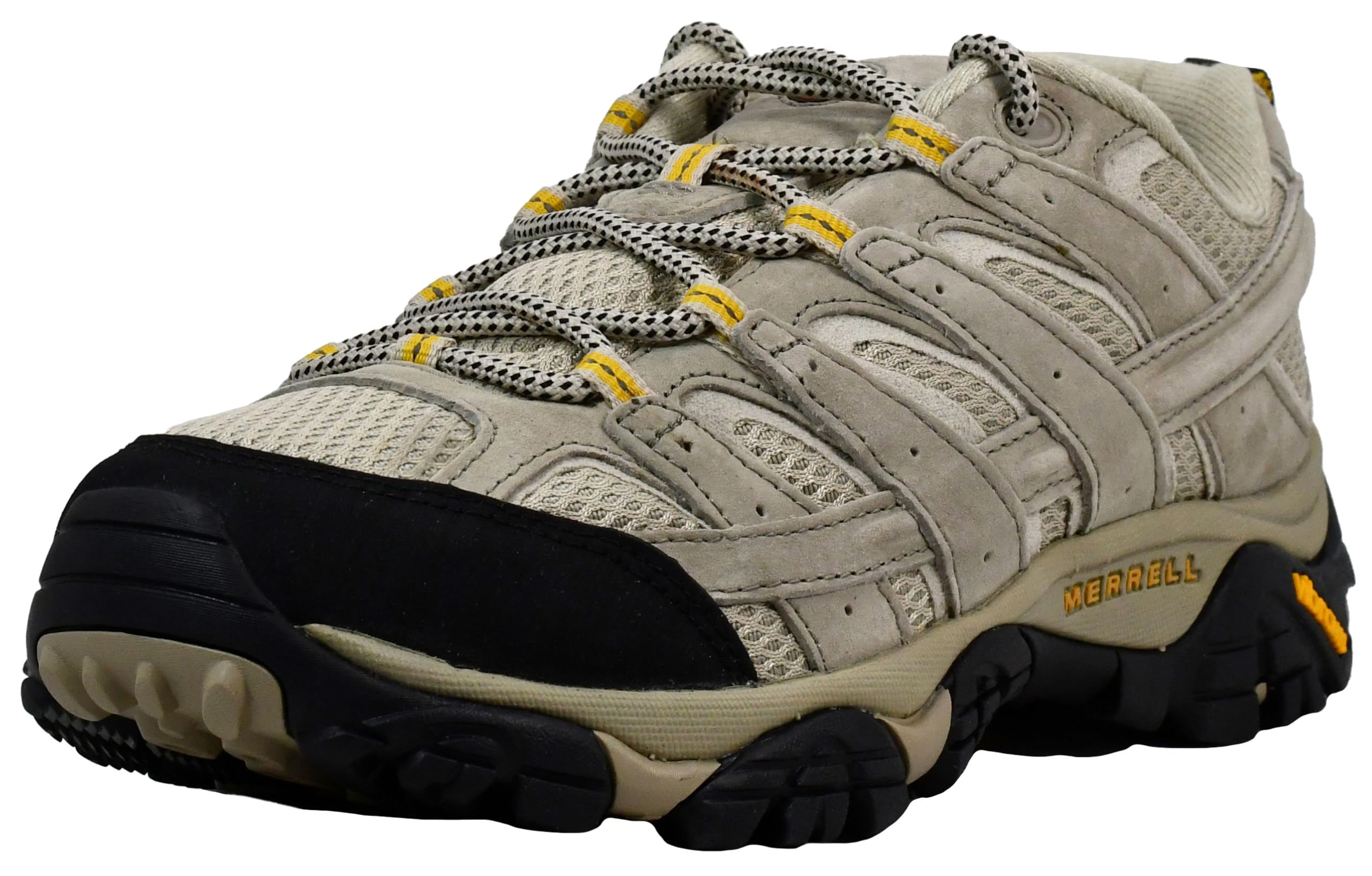
Merrell Moab 2 Vent
Key Features
- Waterproofing: No (mesh)
- Ankle Support: Low-cut
- Fit & Width: Roomy toe box
- Price: $$
The Moab 2 Vent’s claim to fame is immediate comfort from the first step, backed by a generous toe box that gives wide feet and thick socks room to spread. The Vibram outsole provides reliable traction on dry dirt and rock, and the mesh upper keeps air moving — no waterproof liner to trap heat. This is the shoe for warm-weather trails, not wet grass or stream crossings.
Buyers with wide feet or a need for ample forefoot space will find the Moab 2 Vent a natural fit, especially in dry climates where breathability matters more than water resistance. The tradeoff is clear: the mesh lets water in during rain or wet grass, so it’s best kept for fair-weather day hikes and everyday walking on pavement or packed dirt.
Pros
- No break-in period with immediate comfort and strong arch support.
- Roomy toe box accommodates wide feet and thicker socks without crowding.
- Vibram outsole offers long-lasting grip on dry trails and mixed surfaces.
Cons
- Mesh upper lacks waterproofing — water enters through wet grass or shallow puddles.
- At 2.4 lbs per pair, the shoe can feel heavy for long day hikes or fast-paced treks.
If you need a roomy, breathable hiker for dry conditions and have no use for waterproofing, the Moab 2 Vent delivers proven comfort without any break-in hassle.
Best for Budget, Occasional Use
NORTIV 8 Seeker WP Boot
The NORTIV 8 Seeker is a rare find: a budget boot that feels substantially more comfortable and stylish than its price tag suggests. Compared to the top pick’s mid-range cost, this boot saves a significant amount while still offering a comfortable out-of-box experience and an appearance that draws compliments on the trail. The tradeoff shows up in the waterproof membrane, which can lose effectiveness after a season of regular use, and a footbed that feels firmer than cushioned alternatives.
This boot suits hikers who prioritize upfront comfort and value over long-term waterproofing assurances. Ideal for occasional dry-trail day hikes, weekend walks, or as a lightweight backup pair for travel. If you expect sustained wet conditions or need premium arch support, the top pick’s more consistent waterproofing and cushioned footbed are worth the extra cost. The firm insole may also be a point to address with an aftermarket insert for those wanting more plush underfoot.
Pros
- No break-in needed – comfortable from the first wear, even on longer days.
- Exceptional value; performs like boots costing twice as much.
- Smart styling that looks more premium than the budget price suggests.
Cons
- Waterproofing may degrade after several months of regular wet-trail use.
- The firm footbed can feel hard underfoot for those accustomed to plush cushioning.
Pick the Seeker if you want a comfortable, good-looking hiking boot on a tight budget and are willing to manage waterproofing as a seasonal feature rather than a long-term guarantee.
Best for Arch Support Needed
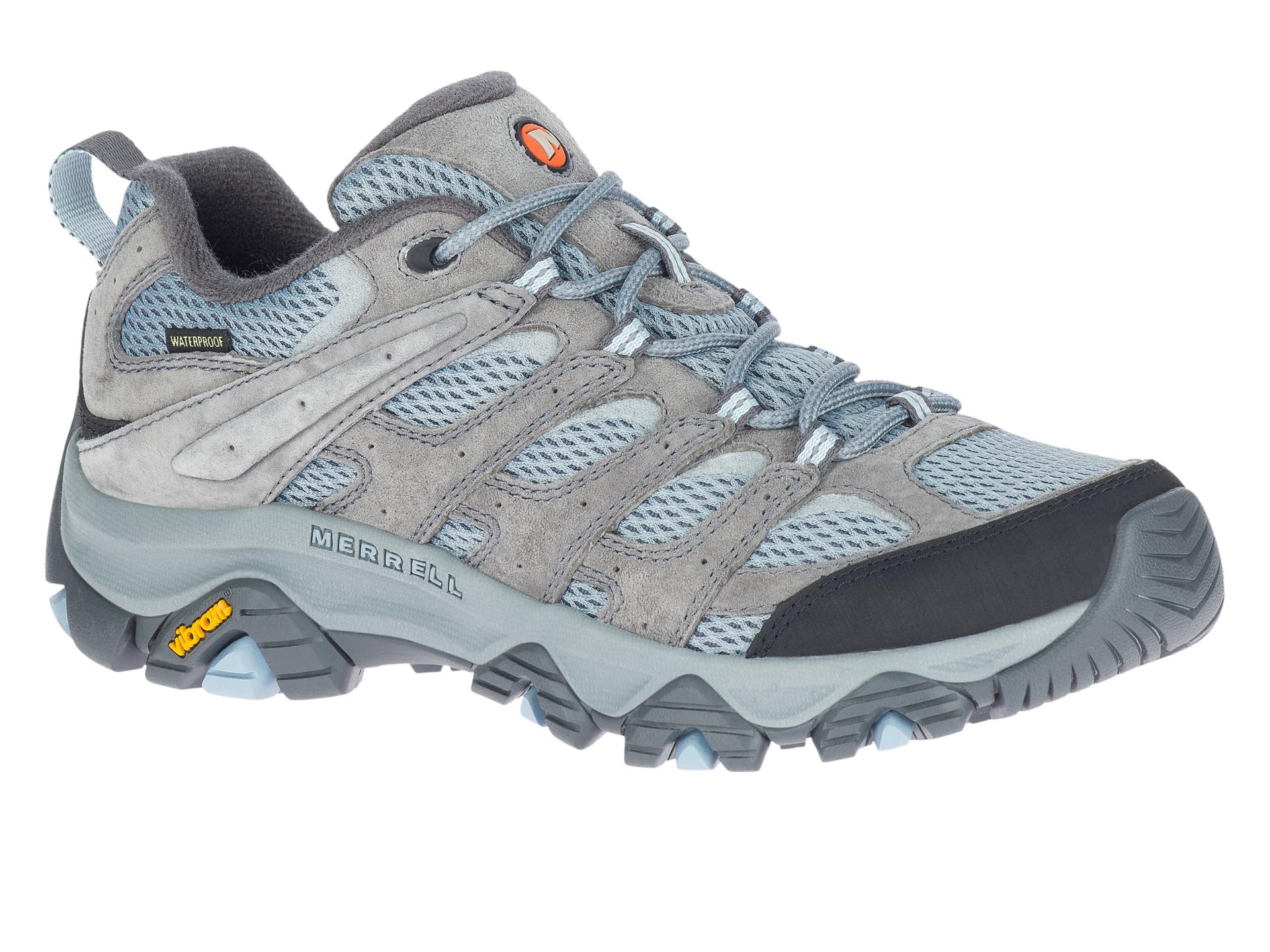
Merrell Moab 3 WP
Key Features
- Waterproofing: Yes (M-select DRY)
- Ankle Support: Low-cut
- Fit & Width: Inconsistent sizing
- Price: $$$
The Moab 3 Waterproof distinguishes itself from the ventilated Moab 2 with a pronounced arch support system and a sealed upper that handles puddles and light rain. Comfort comes immediately, with no break-in required, and the Vibram outsole provides reliable traction on varied terrain. The price reflects the premium materials and added waterproofing features.
This shoe suits hikers with high arches or plantar fasciitis who need structure from the first step. The tradeoff: fit can be inconsistent, so trying before buying or ordering from a flexible-return retailer is wise. Waterproofing may lose effectiveness under frequent heavy use — it’s best for moderate wet conditions rather than daily stream crossings.
Pros
- Superior comfort and support with no break-in period
- Excellent arch support appreciated by users with plantar fasciitis
- Good waterproofing that holds up in wet conditions
Cons
- Waterproofing may degrade earlier than expected under frequent wet use
A strong choice for hikers who prioritize arch support and wet-trail readiness, but the fit variability means ordering from a forgiving return policy is recommended.
Best for Lightweight Waterproof
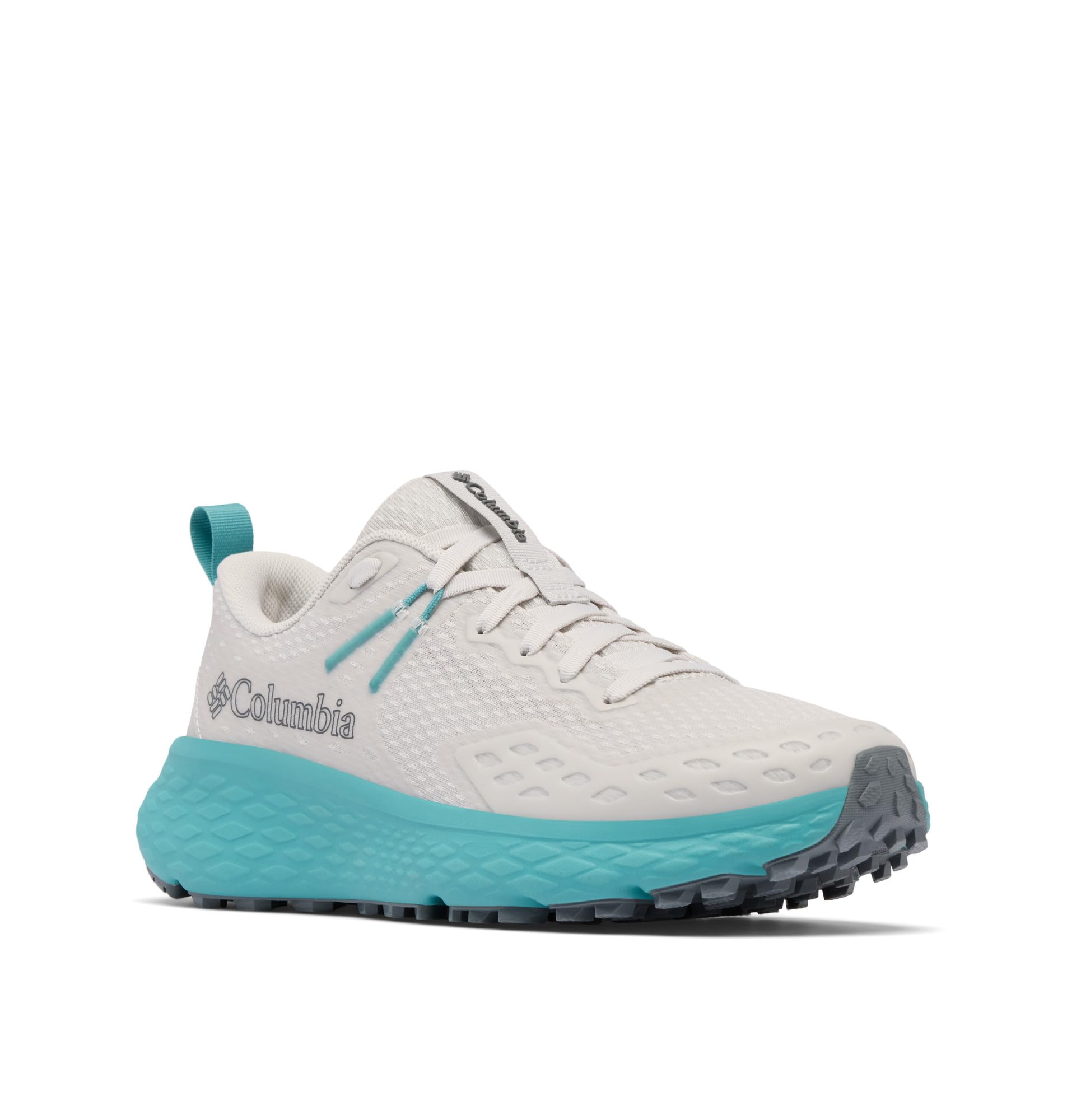
Columbia Konos TRS
Key Features
- Waterproofing: Yes (Omni-Tech)
- Ankle Support: Low-cut
- Fit & Width: Snug toe box
- Price: $$
The Columbia Konos TRS delivers a lightweight, waterproof low-cut hiker with cushioning that supports day-long trail use without excess weight. Its Omni-Grip sole provides dependable traction on dry and damp terrain, while the Omni-Tech membrane keeps feet dry in puddles and light rain. The streamlined silhouette suits both trail and casual wear, earning consistently positive feedback for its appearance.
Day hikers who value a plush underfoot feel—and those managing plantar fasciitis—will appreciate the generous cushioning, which has been noted to provide effective relief. Note that the toe box runs slightly narrow; if you have wider feet, trying on a half size up may help. For buyers seeking a shoe with a longer history of use, the Newton Ridge remains the more established choice.
Pros
- Plush cushioning that offers notable relief for plantar fasciitis on the trail.
- Effective waterproofing keeps feet dry in wet conditions.
- Lightweight build and stylish design for trail and casual wear.
Cons
- Toe box can feel snug for wider feet.
Offers immediate comfort and waterproofing in a light package—best for hikers who prioritize cushioning and don’t need a decades-long reputation.
Best for Travel, Casual Style
Columbia Transverse Suede

Key Features
- Waterproofing: Yes (Omni-Shield)
- Ankle Support: Low-cut
- Fit & Width: Narrow fit
- Price: $
The Columbia Transverse Suede pairs a stylish suede-mesh upper with Omni-Shield waterproofing, making it a strong choice for casual walks, light trails, and travel where appearance matters. It feels comfortable immediately with no break-in, and the traction on wet surfaces holds up well for everyday use. However, the fit runs narrow — those with wider feet should size up or look elsewhere — and a small number of buyers have noted the upper separating within the first month. For day hikers tackling serious terrain or needing long-term durability, a more rugged boot is a better fit.
Pros
- Comfortable immediately with no break-in period needed
- Water-resistant and grippy on wet surfaces
Cons
- Narrow fit may be too tight for those with wider feet
- Upper can separate after limited use, indicating possible quality variance
Ideal for style-conscious travelers and casual walkers who prioritize lightweight looks over rugged durability; not the shoe for serious hiking or wet trails.
Best for Dry Trail Budget
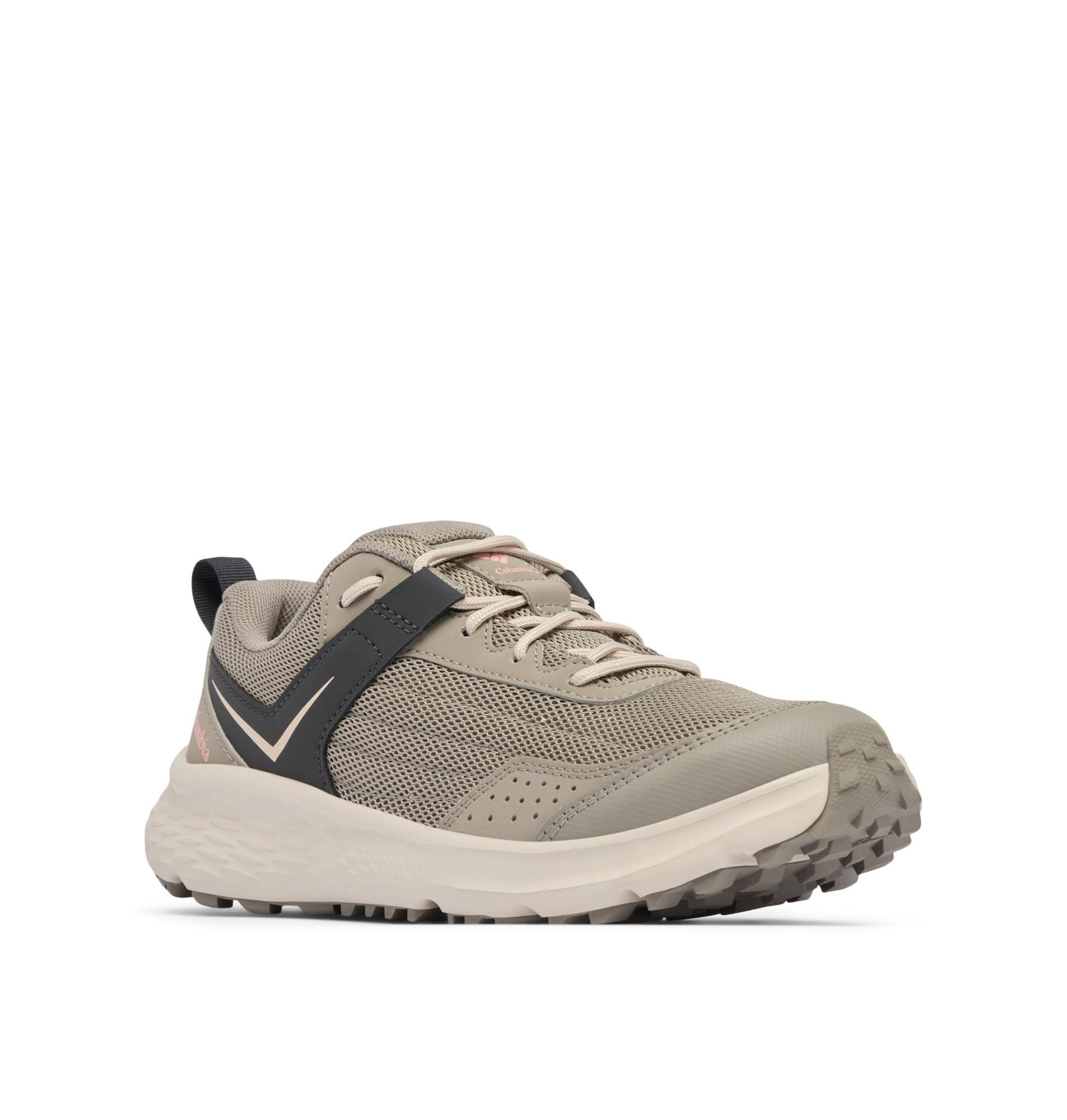
Columbia Vertisol Trail
Key Features
- Waterproofing: No (mesh)
- Ankle Support: Low-cut
- Fit & Width: Snug for wide feet
- Price: $
The Columbia Vertisol Trail delivers plush cushioning and a lightweight build that makes it a comfortable companion for dry-trail day hikes and casual walks. The Omni-Grip sole provides consistent grip on dust and rock. However, the mesh upper offers no waterproofing — morning dew or a light rain will soak through quickly, making this a choice for fair-weather hikers only.
Pros
- Plush cushioning with no break-in needed.
- Lightweight design works well for both trails and everyday wear.
Cons
- Toe box may feel snug for those with wider feet — consider sizing up.
Best for day hikers on a tight budget who stick to dry trails and want a cushioned, lightweight shoe without needing waterproofing.
Best for Plantar Fasciitis Comfort
Merrell Siren Edge 3
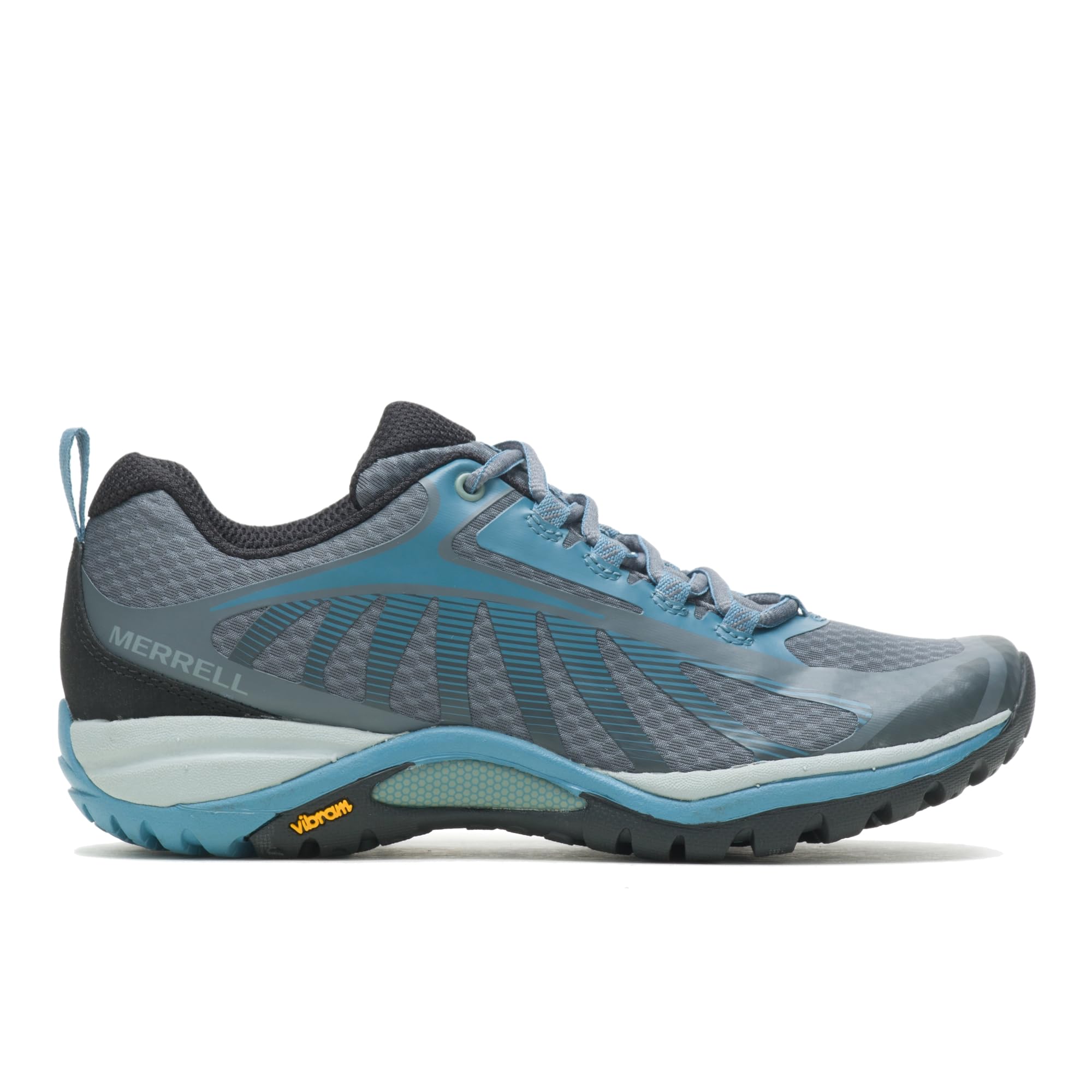
The Merrell Siren Edge 3 delivers highly supportive cushioning and arch support that can accommodate plantar fasciitis, making it a standout choice for hikers with foot pain. Its Vibram TC5+ sole provides confident traction on dry trails and loose dirt. However, the mesh construction is not waterproof, and some units have experienced upper tearing or sole separation within months, limiting its suitability for frequent or rugged use. This shoe is best reserved for light-to-moderate dry-trail hiking where immediate comfort is the priority.
Pros
- Highly supportive cushioning and arch support that can accommodate plantar fasciitis
- Confident traction on dry trails and loose terrain
Cons
- Upper tearing or sole separation may occur within months of use
- Mesh upper is not waterproof, limiting use in wet conditions
Ideal for dry-trail enthusiasts and those with foot pain who value immediate comfort over long-term durability.
Best for Fast, Technical Trails
Merrell Speed Strike 2

Key Features
- Waterproofing: No (mesh)
- Ankle Support: Low-cut
- Fit & Width: Roomy toe box
- Price: $$
The Speed Strike 2 delivers a nimble, shoe-like feel that works well on technical, dry terrain. The zero break-in comfort and sticky rubber sole provide the responsiveness needed for fast hiking. However, durability is a known trade-off—some shoes can experience sole separation or upper damage within the first month of use, making this a short-term performer for those who prioritize immediate comfort over longevity.
Pros
- Running-shoe comfort with no break-in needed
- Sticky rubber sole gives solid traction on rocky, technical trails
Cons
- Durability can be inconsistent; some shoes may show sole separation or upper damage within a month of use
Ideal for hikers who prioritize immediate comfort and a responsive, shoe-like feel over long-term durability on dry, technical trails.
Best for Budget Brand Option
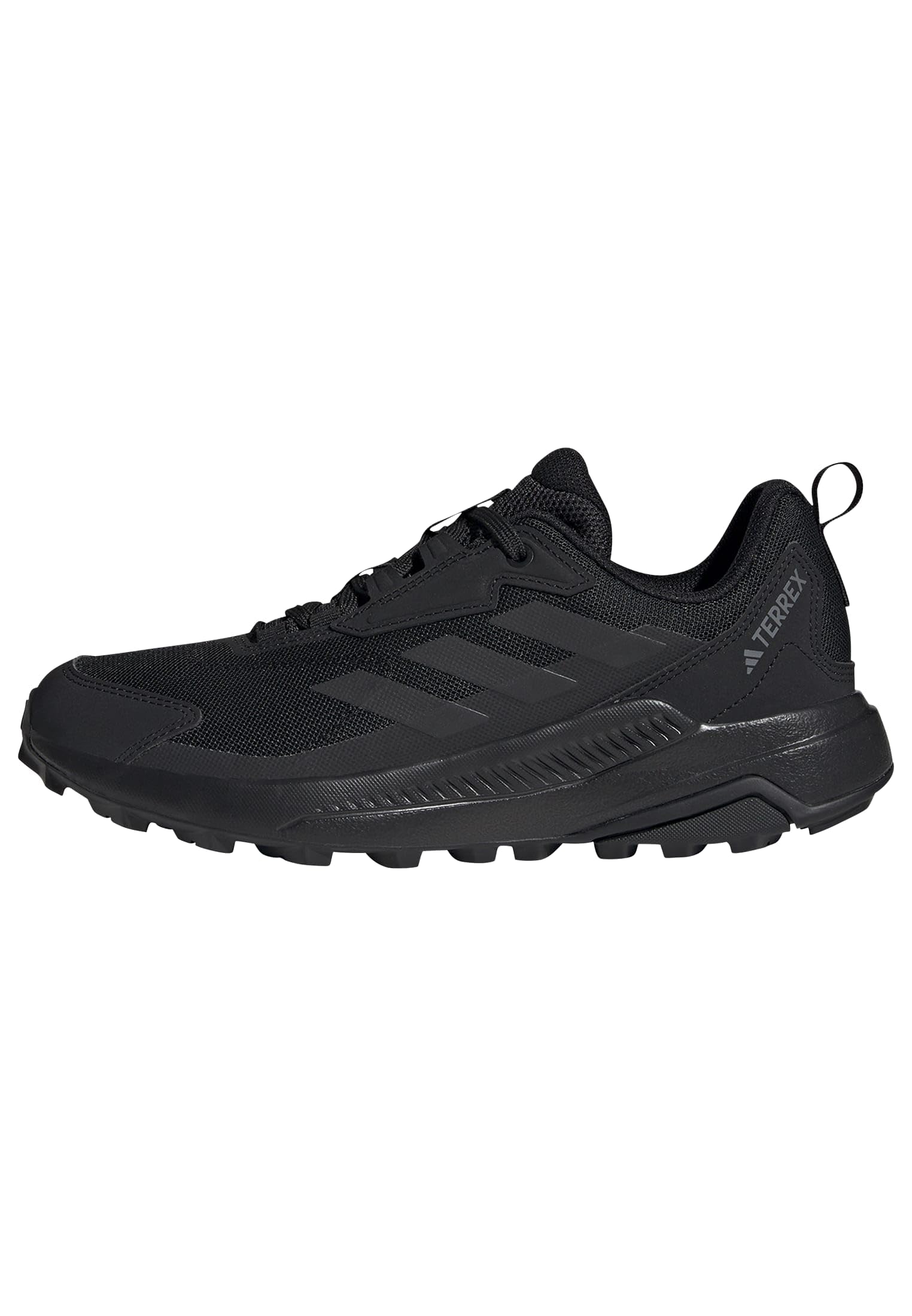
Adidas Terrex Anylander
Key Features
- Waterproofing: No (mesh)
- Ankle Support: Low-cut
- Fit & Width: Inconsistent fit
- Price: $
The Adidas Terrex Anylander delivers comfortable, lightweight support for casual walks on dry, well-groomed trails at a budget-friendly price. Mixed feedback on fit and features prevents it from standing out among dedicated hiking models. It works for occasional use on well-maintained paths, but not for wet or uneven terrain.
Pros
- Comfortable support for full-day hikes on dry trails
- Lightweight and breathable for warm-weather walks
Cons
- Mesh upper lets water through immediately in wet grass or puddles; keep to dry trails.
- Sizing can vary between pairs—buyers may need to order multiple sizes to find a consistent fit.
If your walks are short, dry, and on well-maintained paths, the Terrex Anylander offers decent comfort at a low price. Not the shoe for wet or technical terrain.
How to Choose
The single most important factor in choosing a hiking shoe is real-world comfort and fit—marketing claims about waterproofing and tread often oversell what your feet will actually experience.
Waterproofing vs Breathability
Waterproof membranes like Omni-Tech and M-select DRY keep rain and puddles out, but they also trap heat and moisture inside, making your feet sweat on warm days. A non-waterproof mesh shoe breathes freely but soaks through on wet grass or light rain.
Most waterproof liners lose effectiveness after 3 to 6 months of regular use due to abrasion and dirt buildup. Reapplying a spray treatment can extend life, but eventually the membrane will fail. Choose waterproof only if you regularly hike in wet conditions; otherwise, a breathable shoe with quick-drying materials is more comfortable.
Ankle Support Height
Mid-cut boots rise above the ankle and provide lateral stability that reduces the risk of rolling an ankle on uneven terrain. Low-cut shoes offer greater mobility and lighter weight, but they rely on the foot’s natural strength and good proprioception.
If you carry a heavy pack or hike on loose, rocky trails, the extra ankle support of a mid-cut boot can save you from injury. For day hikes on well-maintained paths, a low-cut shoe gives enough support and is more comfortable for long miles.
Fit and Width Options
Hiking shoe sizing varies significantly between brands and even between models from the same brand. A shoe that fits well in the heel may be too narrow in the toe box, leading to blisters and black toenails after a long descent.
Look for a shoe with a roomy toe box if you have wide feet or need to wear thick socks. If you have narrow feet, avoid models known for a loose fit. Always try shoes with the socks you plan to hike in, and consider going half a size up to allow for foot swelling on longer treks.
FAQ
How long do women’s hiking shoes stay waterproof before needing treatment?
Most waterproof membranes maintain full effectiveness for 3 to 6 months of regular hiking. After that, dirt and wear reduce performance. Reapplying a waterproof spray like Nikwax or Scotchgard can restore some protection, but the membrane itself will eventually wear out. Plan to retreat your shoes at least once a season if you hike in wet conditions regularly.
Can I wear low-cut hiking shoes for backpacking with a heavy pack?
Low-cut shoes lack the ankle support needed for heavy loads on uneven terrain. They work fine for lightweight overnight packs under 20 pounds on well-graded trails. For multi-day trips with a 30-pound pack or more, a mid-cut boot provides the lateral stability to prevent ankle rolls and reduce fatigue.
Why do some hiking shoes cause blisters even after months of use?
If a shoe fits well initially but still causes blisters later, the culprit is usually a flexible upper that allows foot slippage, friction against a seam, or a collapsed insole that no longer cushions properly. Modern hiking shoes rarely need a break-in period—if they aren’t comfortable from day one, they won’t improve. Check that your heel is locked in place and that the toe box isn’t too tight.
Should I size up for Merrell Moab vs Columbia Newton Ridge?
Merrell Moab models (both 2 Vent and 3 WP) typically run true to size for most, but the roomy toe box means you may not need to size up unless you plan on thick socks. Columbia Newton Ridge fits slightly wide and true to size for many, but some users report it runs a half size small. For both brands, ordering your usual size and a half size up is the safest approach.