
This post contains affiliate links. We may earn a small commission when you buy through our links — at no extra cost to you.
Most hiking shoe listings promise full waterproofing, but on wet trails the line between ‘waterproof’ and ‘water-resistant’ becomes painfully clear. The difference often comes down to how the membrane is constructed and how often you’re willing to re-treat the boots.
Finding a pair that actually keeps your feet dry while providing reliable traction on slick rock and consistent fit over months of use requires looking past the marketing. The sweet spot balances a proven waterproof membrane with an outsole that grips in mud and on wet stone.
This guide focuses on fit consistency and sole adhesion — two factors that determine whether a boot will serve you for seasons or fail after a few miles. The right choice depends on your foot shape and the conditions you hike in most.


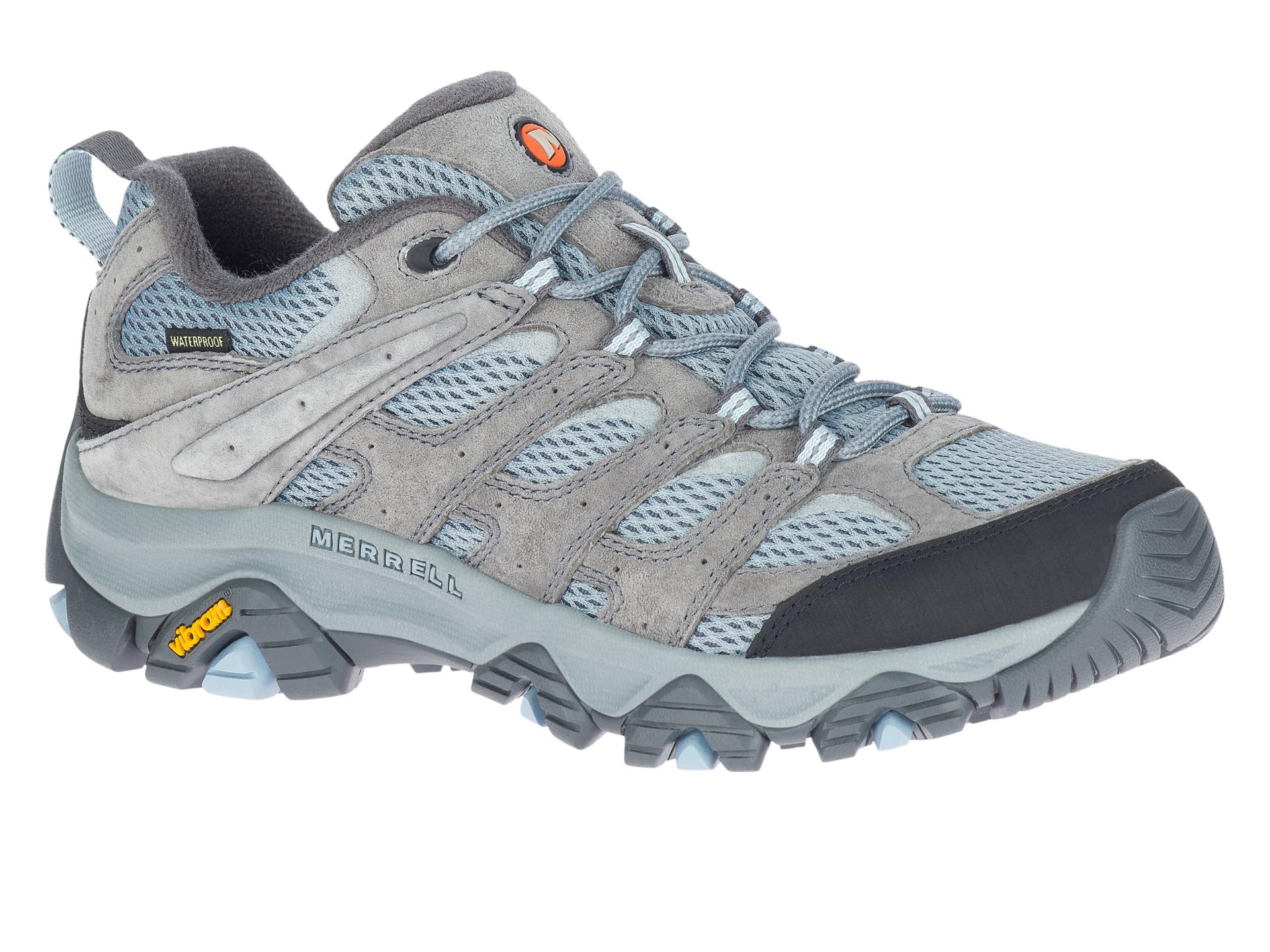

Best for Day Hiking, Wet
Columbia Newton Ridge Plus
Key Features
- Waterproof Membrane: Omni-Tech
- Cut Height: Mid
- Outsole Material: Omni-Grip
- Toe Box Width: Narrow
- Price: $$
The Columbia Newton Ridge Plus delivers reliable waterproofing and comfort straight out of the box. The Omni-Tech membrane keeps feet dry in rain and puddles, while the Techlite midsole provides good arch and ankle support for day-long hikes. The leather-and-mesh upper balances breathability with durability, and the Omni-Grip outsole offers steady traction on varied terrain.
This boot is a strong fit for day hikers with medium to wide feet who hike in wet conditions year-round. Those with narrow feet should size up or choose the wide version to get a comfortable fit. Ultralight backpackers may find it heavier than their preference, but for all-season recreational hiking, it’s a straightforward choice.
Pros
- Immediate comfort with zero break-in period required.
- Reliable waterproofing keeps feet dry in rain and puddles.
- Good ankle and arch support for long day hikes.
Cons
- Fit can be narrow for some foot shapes – sizing up or choosing the wide version resolves this.
- Sole separation has been noted in some cases after extended heavy use.
For day hikers who want a waterproof boot that works right away and holds up over seasons, this is the most dependable option in its class.
Best for All-Day, Mixed Terrain
Merrell Moab 3 Mid
Key Features
- Waterproof Membrane: M Select DRY
- Cut Height: Mid
- Outsole Material: Vibram TC5+
- Toe Box Width: Roomy
- Price: $$
The Merrell Moab 3 Mid delivers the same plush comfort and Vibram TC5+ traction as the newer Moab 3 at roughly half the retail price. Its arch and ankle support holds up through long days on mixed terrain, and the fit runs true to size with a roomy toe box — no break-in required.
This boot suits budget-conscious hikers who prioritize immediate comfort and solid traction over waterproofing reliability. In sustained rain, the M Select DRY membrane may let moisture through; a DWR spray treatment helps. For those who don’t frequently cross deep streams or hike in downpours, the savings outweigh the tradeoff.
Pros
- Plush comfort with zero break-in period
- Excellent traction on varied terrain via Vibram TC5+ outsole
- Great arch and ankle support for all-day hikes
Cons
- Waterproofing may not hold up in sustained rain or shallow crossings
- Sole separation has been noted in some units over extended use
Best value for hikers who want Moab 3 comfort and support on dry to moderately wet trails — just plan on additional waterproofing for sustained rain.
Best for Beginner, Budget Hiking
NORTIV 8 Seeker
Key Features
- Waterproof Membrane: NORTIV 8 waterproof membrane
- Cut Height: Mid
- Outsole Material: Rubber multi-directional
- Toe Box Width: Snug
- Price: $
The NORTIV 8 Seeker delivers solid comfort and traction at a budget-friendly price, making it a standout in the entry-level category. The suede and mesh upper keeps weight reasonable, and the multi-directional rubber outsole grips well on trails and wet surfaces. The fit is true-to-size for most, though those with wide feet may find it snug. Waterproofing works initially but can lose effectiveness over time, so it’s best reserved for dry climates or occasional light rain.
Pros
- Comfortable for long walks with minimal break-in needed.
- Good traction on trails and wet surfaces.
- Sturdy build for the price.
Cons
- Waterproofing can lose effectiveness after repeated wet use.
- Fit may be too snug for those with wide feet.
A smart choice for casual hikers who prioritize comfort and value over long-term waterproofing.
Best for Wide Feet, Wet
KEEN Targhee III
Key Features
- Waterproof Membrane: KEEN.DRY
- Cut Height: Mid
- Outsole Material: Vibram non-marking
- Toe Box Width: Roomy
- Price: $$
Waterproof performance and generous toe room set the KEEN Targhee III apart from lower-cut alternatives. The KEEN.DRY membrane handles streams and sustained rain effectively, while the wide toe box relieves pressure on women with broader feet. That said, the Vibram outsole can feel slippery on slick rock or wet ice, and occasional sole separation has been noted in some pairs. This boot fits best for day hikers who prioritize wet-weather capability and toe comfort over absolute traction or long-term durability certainty.
Pros
- Generous toe box relieves pressure on wide feet.
- Waterproof membrane keeps feet dry in streams and rain.
- Arch support provides good stability on day hikes.
Cons
- On slick rock or wet ice, grip can be insufficient.
- Some pairs have experienced sole separation within months.
This boot suits hikers who value generous toe room and consistent waterproofing, and who accept that traction on wet rock and long-term durability are not its strong suits.
Best for Low-Cut, Dry
Merrell Moab 3 WP Low
Key Features
- Waterproof Membrane: M Select DRY
- Cut Height: Low
- Outsole Material: Vibram TC5+
- Toe Box Width: Narrow
- Price: $$$
The Moab 3 WP Low is the only low-cut Merrell with a full waterproof membrane, giving hikers low-cut agility without sacrificing wet-weather protection. Its arch support and Vibram outsole deliver steady grip on dry trails and light rain. The fit runs narrow and small — ordering a half size up or choosing the wide version is necessary for comfort.
Pros
- Strong arch support reduces foot fatigue on long hikes
- Lightweight build makes it easy to slip on and off quickly
Cons
- Runs narrow and small — order up or choose wide for proper fit
- Waterproofing may lose effectiveness after months of heavy use
Best for hikers who want low-cut waterproof support and can accommodate the narrow fit by sizing up.
Best for High Arches, Dry
KEEN Voyageur
Key Features
- Waterproof Membrane: Water-resistant
- Cut Height: Low
- Outsole Material: KEEN non-marking rubber
- Toe Box Width: Roomy
- Price: $$
The Voyageur’s lightweight build and agile feel excel on long day hikes, while the generous toe box accommodates swelling feet without pressure. Strong arch support reduces fatigue for those with high arches.
Best suited for women with high arches or wide feet hiking dry, well-maintained trails. It’s not waterproof—stick to dry conditions or carry a backup pair for wet days.
Pros
- Roomy toe box prevents pinching on long descents
- Strong arch support reduces foot fatigue for high-arched hikers
- Lightweight design makes for easy miles on level terrain
Cons
- Not waterproof—limited to dry-weather hiking only
- Fit can run large or small depending on foot shape; trying on is advisable
For dry-trail hikers who prioritize arch support and toe room, the Voyageur delivers comfort that rivals more expensive boots.
Best for Day Hike, Light Pack
Merrell Moab 2 Mid

Key Features
- Waterproof Membrane: M Select DRY
- Cut Height: Mid
- Outsole Material: Vibram TC5+
- Toe Box Width: Standard
- Price: $$
The Merrell Moab 2 Mid offers the same supportive midsole and Vibram outsole as its successor, making it a solid choice for day hikes on dry trails. The waterproof membrane works well for many, but some units have leaked — a known variance that matters less in dry conditions. For women who prioritize comfort and support over absolute waterproofing, this older model saves money without sacrificing fit or traction.
Pros
- Comfort with minimal break-in required
- Ankle and arch support that stabilizes on uneven ground
Cons
- Sole separation can occur after 1-2 years of regular use
For dry-climate day hikers who want the Moab comfort at a discount and can accept a minor gamble on waterproofing consistency, this boot still delivers.
Best for Day Hiking, Narrow
Columbia Transverse

Key Features
- Waterproof Membrane: Omni-Tech
- Cut Height: Mid
- Outsole Material: Omni-Grip
- Toe Box Width: Narrow
- Price: $$
The Columbia Transverse Suede offers reliable waterproofing and a sleek suede look that works on trail and off. Its narrow fit suits women with slender feet but limits appeal for wider-footed buyers. With a less rugged build than the higher-rated Newton Ridge, this boot is best for those who prioritize aesthetics over heavy-duty durability.
Pros
- Waterproofing holds up in rain and mud
- Stylish suede design for everyday wear
Cons
- Narrow fit may require sizing up for wider feet
A solid option for narrow-footed hikers who want a waterproof, stylish boot for day hikes, but not for those needing wide sizing or maximum durability.
Best for Day Hiking, Maintained
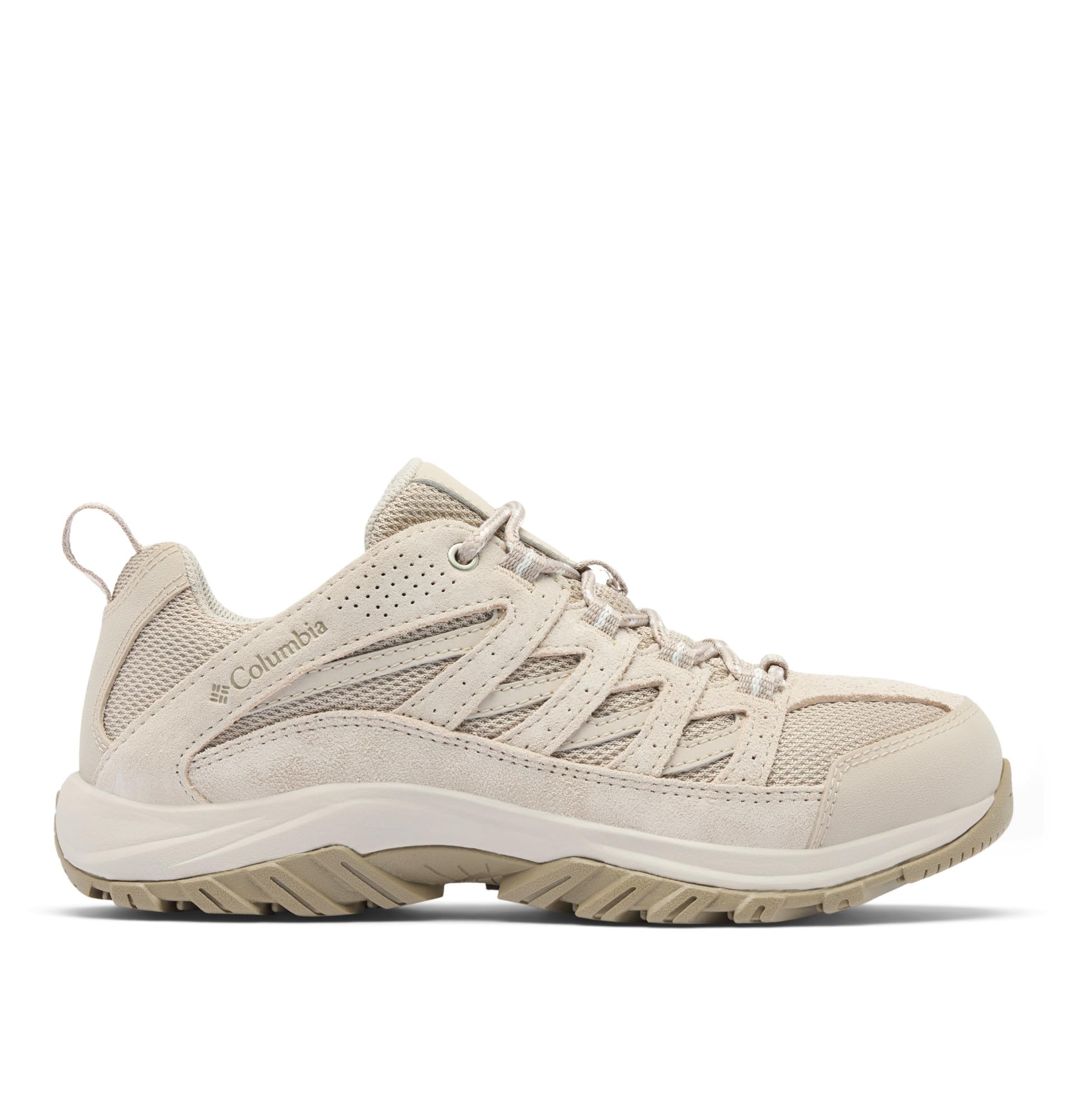
Columbia Crestwood
Key Features
- Waterproof Membrane: Omni-Shield
- Cut Height: Mid
- Outsole Material: Omni-Grip
- Toe Box Width: Small
- Price: $$
The Columbia Crestwood delivers lightweight comfort and solid traction on dirt and gravel, making it a good fit for casual day hikes on maintained trails. Its waterproofing handles light rain only, so it’s not suited for wet conditions — best as an affordable option for dry-weather hiking.
Pros
- Very comfortable with little to no break-in
- Good traction on dirt and gravel
Cons
- Under regular extended use, the bond between sole and upper can weaken
Best for casual hikers seeking a lightweight, budget-friendly boot for maintained trails who can accept trade-offs in long-term durability and waterproofing.
Best for Budget, Light Trail
NORTIV 8 Ankle Trek

Key Features
- Waterproof Membrane: Yes (brand claims)
- Cut Height: Mid
- Outsole Material: Rubber deep lugs
- Toe Box Width: Roomy
- Price: $
This boot grips well on loose rock and mud, with a roomy toe box that fits most feet comfortably. Its budget price makes it a tempting option for light, dry trails. However, the waterproof membrane can let in moisture during sustained rain — a known tradeoff that keeps it behind the Seeker in reliability.
Pros
- Great traction on rocks and mud for the price
- True-to-size fit with a roomy toe box
Cons
- Waterproofing can fail in sustained rain, leaving feet wet
A cost-effective option for day hikers who stick to dry weather and value traction over waterproof assurance.
Best for Day Hiking, Dry
Merrell Moab 3 Low

Key Features
- Cut Height: Low
- Outsole Material: Vibram TC5+
- Toe Box Width: Small
- Price: $$$
This low-cut shoe shines on dry, rocky trails with its lightweight feel, flexible sole, and superb arch support. The Vibram TC5+ outsole provides secure grip on loose terrain. It is only water-resistant, not waterproof – expect wet feet in sustained rain. The low cut also offers no ankle support. This shoe suits day hikers in dry climates who prioritize weight over waterproofing.
Pros
- Superb arch support and cushioning for all-day comfort on dry trails.
- Secure grip on loose and rocky terrain during dry conditions.
Cons
- For wet trails, lack of full waterproofing means wet feet in sustained rain. Low cut provides no ankle support.
Best for dry-weather day hikes where lightweight agility and arch support are priorities over waterproofing.
Best for Dry-Weather, Budget
Merrell Moab 2 Low

Key Features
- Waterproof Membrane: M Select DRY
- Cut Height: Low
- Outsole Material: Vibram TC5+
- Toe Box Width: Small
- Price: $$
Delivers the supportive arch and durable build Merrell fans value, at a wallet-friendly price. As an older model, its fit runs a half-size small and waterproofing can fade over time — trade-offs that make it a better fit for dry, occasional trail hikes than wet or frequent use.
Pros
- Supportive arch and cushioned ride for all-day comfort.
- Durable construction that holds up over years of use.
Cons
- Runs a half-size small — plan to size up.
A budget-friendly Moab with classic comfort, but only if you size up and reserve it for dry-weather hiking.
Best for Casual, Dry Trails
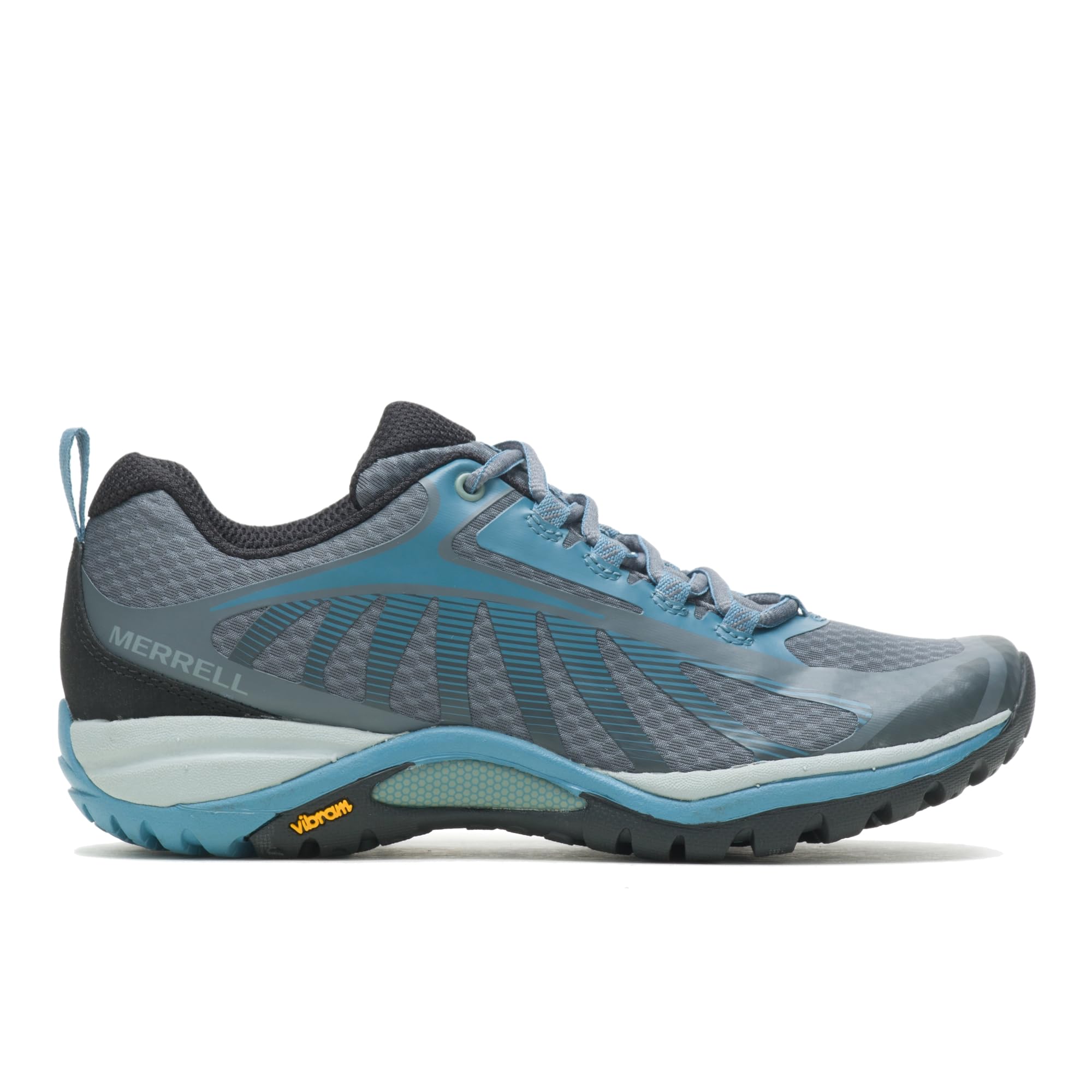
Merrell Siren Edge 3
Key Features
- Cut Height: Low
- Outsole Material: Vibram non-marking
- Toe Box Width: Standard
- Price: $$
The Siren Edge 3 offers impressive comfort and arch support in a lightweight, flexible build ideal for everyday wear. However, the water-resistant upper and traction aren’t suited for wet conditions, and durability concerns exist — it’s a lifestyle shoe for dry trails and casual use, not technical hiking.
Pros
- Extremely comfortable with zero break-in needed
- Lightweight and flexible for easy movement
Cons
- Not suitable for wet terrain — traction is limited and the upper is only water-resistant
A comfortable, lightweight everyday shoe for dry trails, travel, and errands, but not a substitute for a proper hiking boot on wet or rugged terrain.
How to Choose
The most important factor in choosing hiking shoes is separating marketing claims about waterproofing from actual performance — most boot membranes handle light rain but fail in sustained wet or deep puddles.
Waterproof Membrane
Waterproof membranes like Omni-Tech, M Select DRY, and KEEN.DRY use a thin layer that blocks liquid water while allowing vapor to escape. The trade-off is breathability versus durability: heavier membranes last longer but make feet sweat in warm weather.
Over time, membranes lose effectiveness due to dirt, wear, and fabric fatigue. Reapplying a DWR spray every few months restores water beading but won’t fix torn layers. For stream crossings or consistent rain, look for boots with a taped seam construction and higher ankle collar.
Cut Height
Mid-height boots (6–8 inches) provide ankle support on uneven terrain and reduce the risk of rolling an ankle when carrying a pack. Low-cut shoes allow faster movement and better agility on well-groomed trails, but they shift the burden of stabilization to your own ankle strength.
If you hike with a 20+ pound pack or on loose rock, a mid boot is the safer choice. For day hikes on smooth paths, a low shoe saves weight and pack space.
Outsole Material
Vibram TC5+ and Omni-Grip are benchmark rubber compounds formulated for traction on wet and dry surfaces. The tread pattern — lug depth and spacing — determines grip in mud vs. on slick rock. Deep, widely spaced lugs shed mud but can feel unstable on hard flat surfaces.
Budget boots often use generic rubber that hardens in cold weather and loses grip on wet rock. Check whether the outsole is certified for non-marking if you plan to wear them indoors or on sensitive trail surfaces.
Toe Box Width
A roomy toe box allows toes to splay naturally during descents, reducing blisters and toe-jam. Narrow boxes lock the foot in place but can lead to numbness on long hikes, especially for women with wider feet or bunions.
Most Merrell and Columbia boots run narrow on average; KEEN is known for consistently wide toe boxes. If you wear a wide street shoe, order the wide version or size up half a size to gain room without losing heel hold.
FAQ
Why do my new hiking boots let water in after a few months?
The waterproof membrane can become clogged with dirt or develop micro-tears from flexing. Additionally, the outer fabric’s DWR coating wears off, causing the face fabric to saturate and transmit moisture. Cleaning the boots and reapplying a DWR spray every 2–3 months restores water resistance. If water enters through stitching or seams, the membrane is likely compromised and the boot may need replacement.
Should I size up for Merrell Moab 3 hiking boots?
Yes, most Moab 3 models run a half-size small and narrow. Order a half-size up from your usual street shoe to accommodate thicker hiking socks and prevent toe-jam on descents. If you have wide feet, choose the wide-width option instead of sizing up further, as that can create heel slip.
Are NORTIV 8 boots waterproof enough for stream crossings?
No — NORTIV 8 boots are water-resistant at best and will let water in during stream crossings or sustained rain. The budget membrane and unsealed seams make them unsuitable for wet conditions. For occasional puddles and light rain they suffice, but treat them with a waterproofing spray and expect limited performance over time.
What is the best women’s hiking boot for wide feet?
The KEEN Targhee III consistently provides a roomy toe box and wide options, making it the top choice for women with wide feet or bunions. The KEEN Voyageur also offers a wide toe box but lacks waterproofing. For a mid-priced waterproof boot with genuine width, the Targhee III is the safest bet.