
This post contains affiliate links. We may earn a small commission when you buy through our links — at no extra cost to you.
Waterproof hiking boots are a staple for anyone who walks in rain or wet trails. But the reality is that many pairs start leaking within months, leaving you with cold, soggy feet and a pair of boots that feel like a bad investment.
The challenge is that comfort and waterproof reliability often pull in opposite directions. The most cushioned boots may let moisture in faster, while the driest boots can feel stiff or narrow. The trick is finding a boot that balances both without sacrificing one for the other.
This guide focuses on real-world waterproof performance and durability across different price points. The goal is to help you pick a boot that stays dry through puddles, light streams, and months of regular use, without assuming you need to spend a fortune.
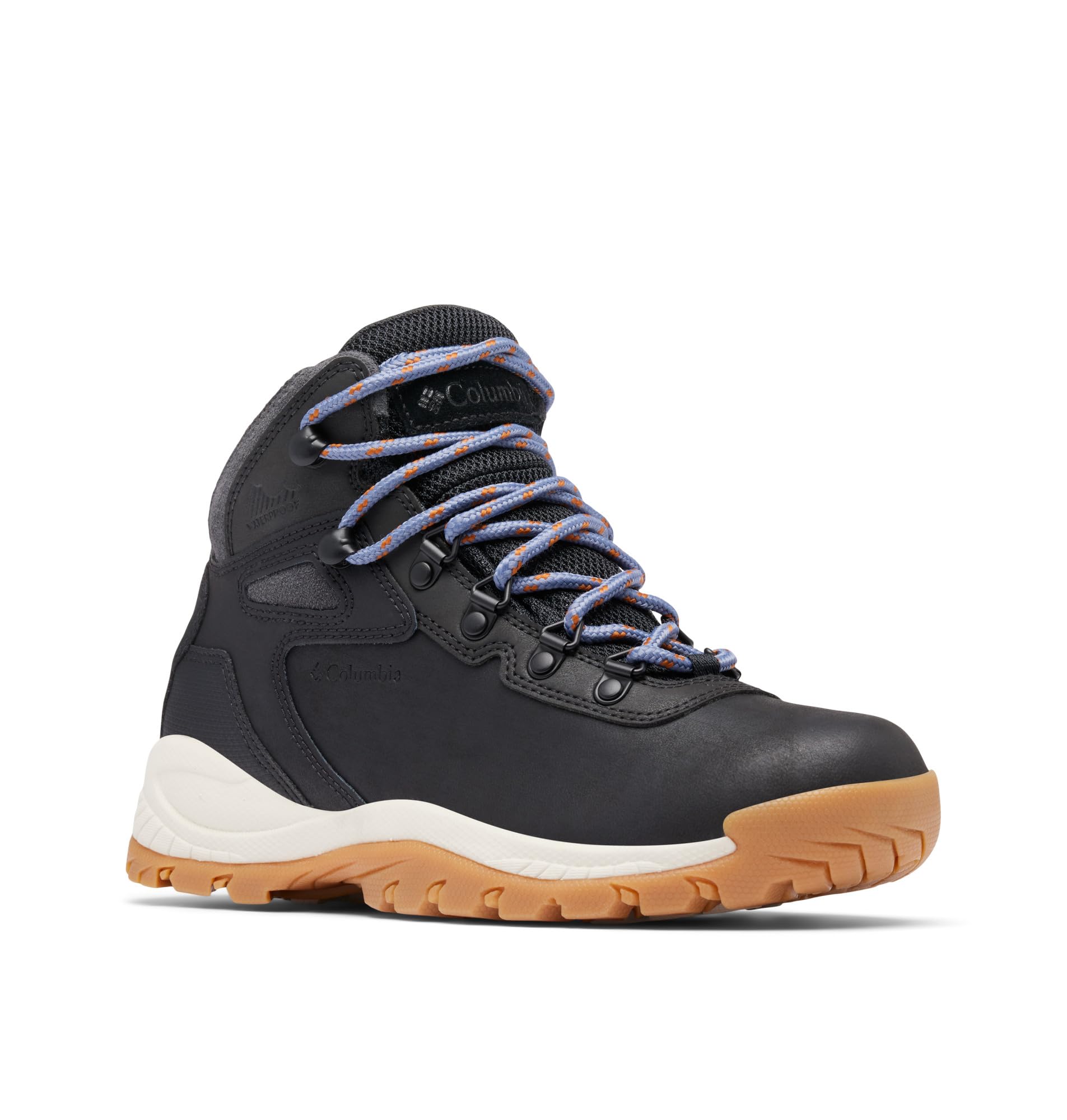


Best for Everyday Trail & Urban
Columbia Newton Ridge Plus
Key Features
- Waterproof Reliability: Consistent membrane
- Ankle Support: Mid-height, moderate
- Traction: Omni-Grip rubber
- Toe Box Width: Slightly wide
- Weight: 15.4 oz
- Price: Mid-Range
The Newton Ridge Plus provides consistent waterproofing and cushioning from the first step, making it a no-fuss choice for daily walks on wet trails and rainy streets. The mid-height cut offers ankle coverage without feeling clunky, and the boot stays lightweight for its class.
This boot suits first-time hikers who want a single pair for light trails and pavement, especially in damp climates. Those with narrow feet may find the fit slightly roomy, and for heavy loads the support is limited – it’s built for casual miles, not multiday treks.
Pros
- Comfort without break-in – wear them out of the box with no blister issues.
- Waterproofing holds up in rain and wet trails.
- Lightweight for a mid-height boot – easy on feet all day.
Cons
- Sole separation or leather peeling can appear in some units within a year – worth checking periodically.
- Slightly wide fit may not suit very narrow feet – consider using thicker socks or insoles.
Best for casual walkers who want a low-risk, all-weather boot with immediate comfort – just be aware of potential durability variance.
Best for Comfort & Wide Feet
Merrell Moab 2 Mid
Key Features
- Waterproof Reliability: Inconsistent
- Ankle Support: Good height, stable
- Traction: Vibram TC5+
- Toe Box Width: Roomy
- Weight: 15.6 oz
- Price: Mid-Range
The Moab 2 Mid delivers cushioning and arch support that keep feet happy on long days, with a toe box that accommodates wider feet without pinching. Ankle support is well-regarded, adding stability on uneven terrain. However, its waterproofing is inconsistent — in sustained rain, moisture can find its way in, which limits its reliability for wet-weather walks.
This boot suits hikers who value plush comfort and a forgiving fit over absolute waterproof assurance. If wide feet or all-day walking are your primary concerns, the Moab 2 Mid is a strong choice — just plan for damp conditions when rain persists.
Pros
- Superior comfort and support for long days on feet
- Roomy toe box works well for wide-footed users
- Good ankle support on uneven terrain
Cons
- Inconsistent waterproofing – moisture can enter during sustained rain
A comfort-first boot that excels for wide-footed walkers, but plan around its waterproof limits when wet conditions are frequent.
Best for Rugged Outdoor Work
Ariat Terrain Pro
Key Features
- Waterproof Reliability: Reliable membrane
- Ankle Support: Stiff, supportive
- Traction: Duratread outsole
- Toe Box Width: Standard
- Price: Premium
The Ariat Terrain Pro is for buyers who need a boot that lasts through heavy outdoor labor — farm chores, equestrian work, rugged trails. Its waterproofing stays intact and the arch support provides stability on uneven ground. The tradeoff is that this boot is built for abuse, not daily pavement miles, and sizing can vary between pairs — some people need to go up or down a half size to get the right fit.
Pros
- Exceptional durability that holds up through years of farm and rough terrain use
- Waterproofing stays effective even after extended exposure to wet conditions
- Strong arch support and stability for uneven surfaces
Cons
- Fit can be inconsistent — some need to order a half size up or down
If your daily footwear involves standing in mud, walking on uneven ground, or carrying gear, the Ariat Terrain Pro’s longevity and support justify the premium cost — just plan for sizing adjustments.
Best for Rainy Climates
Columbia Konos TRS
Key Features
- Waterproof Reliability: Outdry – excellent
- Ankle Support: Lower cut
- Traction: Adapt Trax rubber
- Toe Box Width: Standard
- Weight: Lightweight
- Price: Mid-Range
The Konos TRS uses Columbia’s OutDry membrane to keep feet dry in sustained downpours, outperforming the Newton Ridge Plus in wet conditions. Its lower cut and lighter build make it ideal for fast day hikes and urban walks where mobility matters more than ankle support. Hikers who need maximum ankle stability should look to a taller boot, but for those who prioritize waterproofing and a nimble feel, this is the better choice.
Pros
- OutDry membrane keeps feet dry in prolonged rain
- Lightweight and comfortable for all-day wear
Cons
- Fit may feel slightly large for some; trying a half-size down can help
For wet-weather hikers who value lightweight waterproofing over ankle support, the Konos TRS is the more capable choice.
Best for Budget Wet Trails
NORTIV 8 Trail
Key Features
- Waterproof Reliability: Good for price
- Ankle Support: Mid-height, basic
- Traction: Multi-directional
- Toe Box Width: Medium
- Price: Budget
The NORTIV 8 delivers genuine waterproofing and traction that compete with boots costing twice as much. The tradeoff is longevity: heavy weekly use may lead to wear within a year, making this a smart choice for occasional hikers or budget-conscious walkers who prioritize immediate waterproof performance over multi-year durability.
Pros
- Effective waterproofing keeps feet dry in rain and puddles
- Traction grips well on wet rocks and muddy trails – confidence on slick surfaces
- Cushioned and warm for cooler weather hiking without bulk
Cons
- For those hiking multiple times a week, the boots may show wear within a year – better suited for occasional use
A smart pick if you need waterproof boots now and aren’t planning heavy weekly use – the value is unmatched at this price.
Best for Day Hikes, Travel
Foxelli Hiking Boots

Key Features
- Waterproof Reliability: Suede, needs care
- Ankle Support: Mid-height, moderate
- Traction: Rubber outsole
- Toe Box Width: Narrow to medium
- Weight: Lightweight
- Price: Mid-Range
The Foxelli delivers exceptional out-of-box comfort and solid traction on trails and city paths, with a suede leather upper that looks premium and comes with bonus socks. The narrow toe box suits narrow to medium feet best, so wider-footed hikers should skip these. Suede also needs care in sustained rain, keeping this a fair-weather choice.
Pros
- Out-of-box comfort feels like a sneaker from first wear
- Solid build quality and dependable traction on varied terrain
Cons
- Toe box can be snug for wider feet, limiting the fit range
Best for hikers with narrow to medium feet who value instant comfort and suede style, but not for wide feet or heavy rain.
Best for Light Day Hikes
NORTIV 8 Seeker

Key Features
- Waterproof Reliability: Inconsistent
- Ankle Support: Mid-height, basic
- Traction: Rubber outsole
- Toe Box Width: Snug
- Price: Budget
The NORTIV 8 Seeker provides good cushioning and a clean look at a budget price, making it a solid choice for casual trail walks and urban paths. However, its waterproofing can become less effective over time, and the fit tends to be snug for wider feet — so it’s best reserved for dry days and narrower foot shapes. For consistent wet-weather performance, a different budget boot in this guide offers more reliable protection.
Pros
- Comfortable out of the box with no break-in needed
- Clean look at an entry-level price
Cons
- Waterproofing can fade with use and fit runs narrow — better for dry conditions and narrower feet
Best for budget-conscious day hikers who prioritize comfort and don’t expect regular rain or have wider feet.
Best for Budget Ankle Support
Columbia Transverse Hike

Key Features
- Waterproof Reliability: Membrane, limited data
- Ankle Support: Good, supportive
- Traction: Omni-Grip
- Toe Box Width: Narrow
- Price: Budget
The Transverse Hike delivers solid ankle support and good comfort for everyday trails and urban walks, with a wide-width option that some narrow-footed users appreciate. However, the limited review data makes this a less established choice compared to the more heavily reviewed Newton Ridge, and the narrow fit means it works best for those without wide feet.
Pros
- Comfortable all-day wear with supportive ankle structure
- True-to-size fit with wide-width option for narrower feet
Cons
- Narrow fit may feel tight for wider feet — best suited for narrow to medium widths
If you have narrow to medium feet and want a budget Columbia boot with consistent ankle support for light to moderate walking, this works — just note it’s less reviewed than the Newton Ridge.
Best for Wide Feet
KEEN Pyrenees Mid

Key Features
- Waterproof Reliability: Membrane, mixed
- Ankle Support: Good height
- Traction: KEEN traction
- Toe Box Width: Roomy
- Price: Premium
KEEN’s signature wide toe box provides unmatched room for forefoot splay, paired with solid ankle support that handles long days on varied terrain. However, some units may experience sole separation within the first few months, making this a better fit for those who value toe space and are comfortable with occasional quality variance rather than a no-compromise investment.
Pros
- Roomy toe box allows natural toe splay for wide feet.
- Good ankle support for all-day hiking stability.
Cons
- In some cases, the sole may separate from the boot within months of use.
A solid option if you have wide feet and need ankle support, but only if you’re willing to accept that quality can vary between pairs.
Best for Style & City Rain
Ariat Wexford

Key Features
- Waterproof Reliability: Reliable
- Ankle Support: Low chelsea
- Traction: Light tread
- Toe Box Width: Narrow
- Price: Luxury
True waterproof performance in a Chelsea silhouette that works from stable to sidewalk. For everyday city walking and barn duties, the Wexford delivers genuine waterproofing and classic style. However, the narrow toe box and premium price limit its appeal for hikers needing a roomy fit or rugged terrain.
Pros
- Waterproof leather upper handles wet pavement and light mud without soaking through.
- Stylish Chelsea silhouette transitions from barn to brunch with ease.
Cons
- Narrow toe box can feel snug for wider feet, especially during long walks.
Ideal for the style-conscious walker who wants a waterproof boot for city puddles and stable visits, not long-distance trail days.
Best for Casual City Use
Sorel Out N About III

Key Features
- Waterproof Reliability: Water-resistant
- Ankle Support: Low hiker
- Traction: Light tread
- Toe Box Width: Narrow
- Price: Budget
The Sorel Out N About III balances style and comfort for urban walks, with water resistance that handles puddles and light rain. However, the soles can separate after moderate use, making it a poor choice for regular hiking. Also runs small—sizing up is recommended.
Pros
- Stylish design that works for casual outfits and city errands.
- Dependable water resistance for light rain and puddle splashes.
Cons
- Sole separation can occur after moderate use, reducing the boot’s lifespan.
Best for fashion-first buyers who need a water-resistant boot for light city use, but not for regular hiking or wet trail days.
Best for Fast Hiking (Shoe)
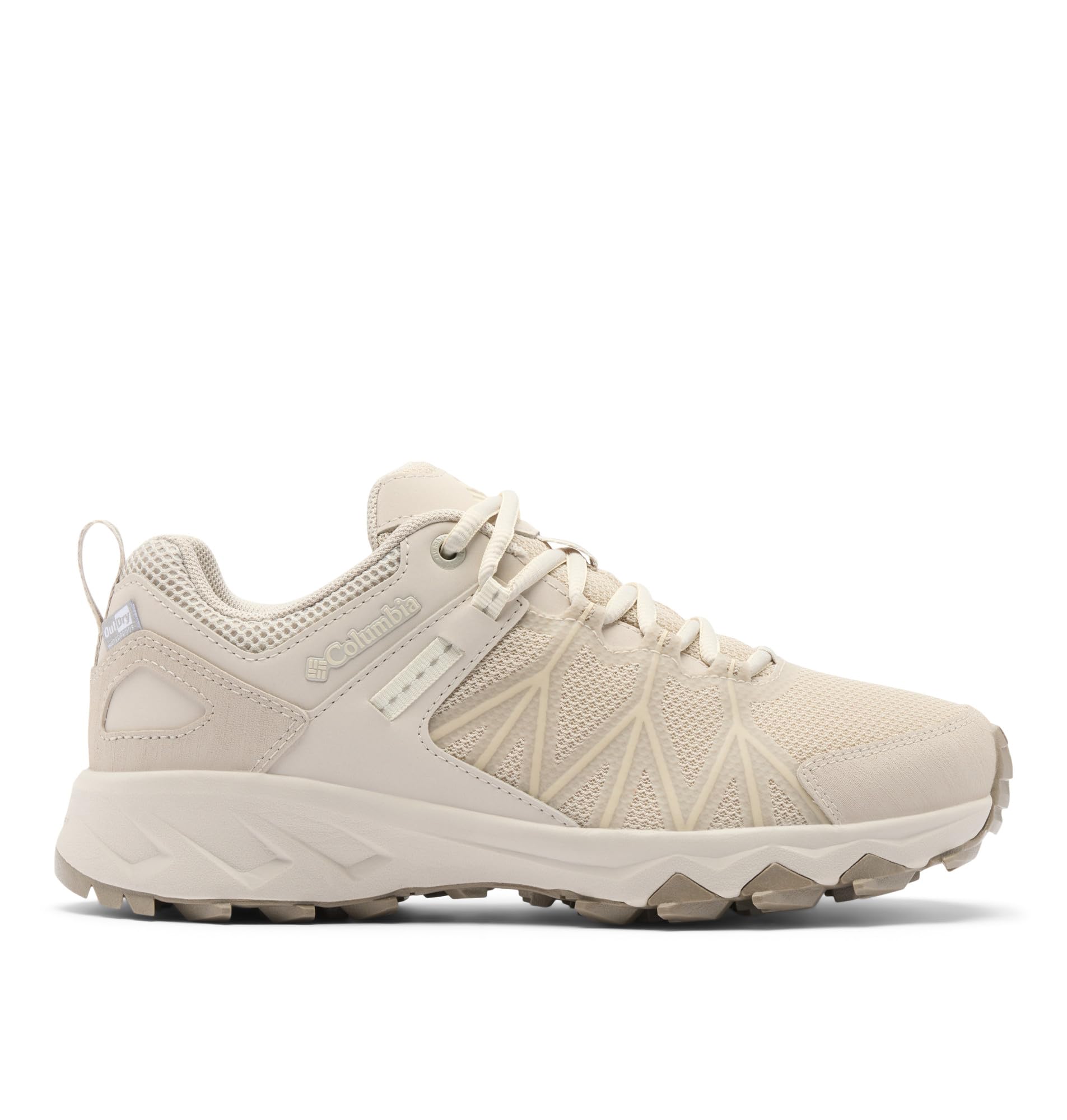
Columbia Peakfreak II
Key Features
- Waterproof Reliability: Outdry – excellent
- Ankle Support: Low (shoe)
- Traction: Adapt Trax
- Toe Box Width: Standard
- Weight: Very light
- Price: Mid-Range
The Columbia Peakfreak II delivers reliable OutDry waterproofing and comfortable cushioning for fast hikes and trail runs. Its low-cut design, however, leaves the ankle unsupported, so it falls outside the walking-boot category for this search. If ankle stability isn’t a priority, this shoe offers lightweight, waterproof performance right out of the box.
Pros
- OutDry membrane provides effective waterproofing in wet conditions.
- Cushioned midsole feels comfortable immediately with no break-in period.
Cons
- Low-top design offers no ankle support, limiting suitability for traditional hiking or uneven terrain.
A great pick for fast-paced, low-impact hiking where ankle support isn’t required, but not for those seeking a waterproof walking boot with ankle coverage.
How to Choose
The most important factor in waterproof walking boots isn’t the price tag—it’s the membrane technology and how well it’s paired with the boot’s construction.
Waterproof Reliability
Waterproof membranes (like Gore-Tex, OutDry, or proprietary coatings) create a barrier that blocks liquid water while letting moisture vapor escape. A fully waterproof boot uses a sealed membrane bonded to the upper, while cheaper boots rely on a spray-on DWR coating that wears off after a few months.
Boots with a membrane that covers the entire foot including the tongue (like OutDry) tend to perform better in sustained rain. Coated boots are fine for light puddles but will leak once the coating degrades. If you regularly walk in wet conditions, prioritise a boot with a documented membrane rather than a ‘water-resistant’ label.
Ankle Support
Ankle support comes from the boot’s height and the stiffness of the collar and shank. Mid-height boots (roughly 5-6 inches) provide a good balance for trail walking and light scrambling, reducing the risk of rolling an ankle on uneven ground.
Taller boots add stability but add weight and restrict mobility for faster walking. If your walks are mostly on paved paths, a lower cut may be fine. For uneven trails or carrying a pack, a stiffer mid-height boot helps prevent fatigue over long distances.
Traction Pattern
The outsole’s lug pattern and rubber compound determine grip on wet rock, mud, and loose dirt. Deep, widely spaced lugs shed mud better but can feel slippery on smooth wet surfaces. Closer, shallower lugs are more stable on pavement but clog in mud.
For mixed terrain (trails and urban paths), a boot with Vibram or similar multi-directional lugs gives reliable grip without being overly aggressive. Avoid smooth ‘fashion’ soles if you plan to walk on wet grass or loose gravel.
Toe Box Width
A cramped toe box causes blisters and toe bruising on descents. Brands like KEEN and Merrell are known for generous toe room, while many Columbia and Ariat models run narrower. If you have wide feet or plan to wear thick socks, look for boots explicitly marked as ‘wide’ or with a reputation for a spacious toe box.
The trade-off: a roomier toe box can feel sloppy for narrow feet. Some boots also come in multiple width options (e.g., Columbia Transverse Hike offers wide widths). Always try boots with the socks you intend to wear, and expect up to a half-size difference between brands.
Weight
Weight directly affects walking comfort over time. A heavy boot (over 18 oz) can feel clunky and tiring on long days, while a lightweight boot (under 14 oz) moves like a sneaker but may sacrifice durability and ankle support.
Modern mid-range boots (like the Columbia Newton Ridge at 15.4 oz) hit a sweet spot—light enough for all-day wear without feeling flimsy. If you only walk short distances, weight matters less, but for daily use, a lighter boot reduces fatigue noticeably.
FAQ
Why do my waterproof hiking boots leak after a few months?
Most leaks come from the DWR coating wearing off, not a hole in the membrane. Once the outer fabric gets wet, it ‘wets out’ and the membrane can’t breathe enough, letting moisture in through the stitching. Regular reproofing with a spray-on DWR restores the beading effect. If a boot leaks in the first few months, it may be a manufacturing defect—check the warranty.
Do I need to size up in women’s hiking boots for thick socks?
Yes, typically half a size up from your regular shoe size. Hiking socks add volume in the toe box and heel. Boots that fit snugly without socks will compress your toes and cause blisters. Always try boots with the socks you plan to wear, and leave a thumb’s width of space between your longest toe and the boot’s tip.
Are NORTIV 8 hiking boots actually waterproof?
Some NORTIV 8 models, like the Trail version (ASIN B0C9JDR5MJ), have good waterproofing for the price based on thousands of reviews—they keep feet dry in moderate rain and puddles. But their budget models (Seeker and Trekking) receive more mixed feedback, with some users reporting wet feet after a few months. For guaranteed dry feet in heavy rain, invest in a boot with a known membrane like Columbia OutDry or Gore-Tex.
How long should a pair of waterproof hiking boots last?
With regular use (3–5 times a week), a well-constructed boot should last 1–2 years before the sole or upper fails. Durability varies widely: Ariat Terrain Pro often lasts 3+ years even with farm work, while budget NORTIV 8 boots may start separating after 6–12 months. Signs to replace include worn tread, sole separation, or membrane leaks that reproofing can’t fix.