
This post contains affiliate links. We may earn a small commission when you buy through our links — at no extra cost to you.
The promise of waterproof hiking boots is one of the most consistent points of disappointment in the outdoor gear market. Many boots leave feet wet after a rain shower or a stream crossing, despite marketing labels. The problem isn’t the technology—it’s the gap between how ‘waterproof’ is tested in a factory and how it performs on a muddy trail.
That gap is why this guide focuses on boots that actually keep water out over months of use, not just out of the box. The trade-off: many boots that excel at waterproofing sacrifice breathability or durability. Others that feel like slippers in-store may develop sole separation after a season.
The best choice for you comes down to where you hike and how often. Smooth, dry trails allow more flexibility in material choice, while wet or rocky terrain demands boots with proven seam sealing and robust construction.



Best for Moderate Trail Hiker
Timberland Mt. Maddsen
The Mt. Maddsen’s anti-fatigue footbed absorbs shock and reduces strain, making it a comfortable option for moderate trails. The waterproof membrane handles rain and puddles without wetting out for most users.
At just over a pound per boot, this Timberland feels lighter than its sturdy appearance suggests. The build quality is generally high, with many owners noting the boots hold up well to regular trail use.
This boot suits hikers who prioritize comfort and style over absolute durability for heavy backpacking. While the sole and stitching have shown occasional separation in a minority of boots, for most day hikers on moderate terrain the tradeoff in durability is manageable. Ordering a half size down helps achieve a proper fit.
Pros
- Anti-fatigue cushioning keeps feet comfortable on long hikes.
- Waterproof protection holds up in rain and wet grass.
- Lightweight construction reduces fatigue during extended wear.
- Good value for a boot with this level of comfort and water resistance.
Cons
- Sizing runs large; going down half a size is often needed for a secure fit.
- Sole separation and stitching failures have occurred in some boots after moderate use.
A strong choice for moderate trail use, with the caveat that sizing and occasional sole peeling may require attention.
Best for Long-Distance Hiker
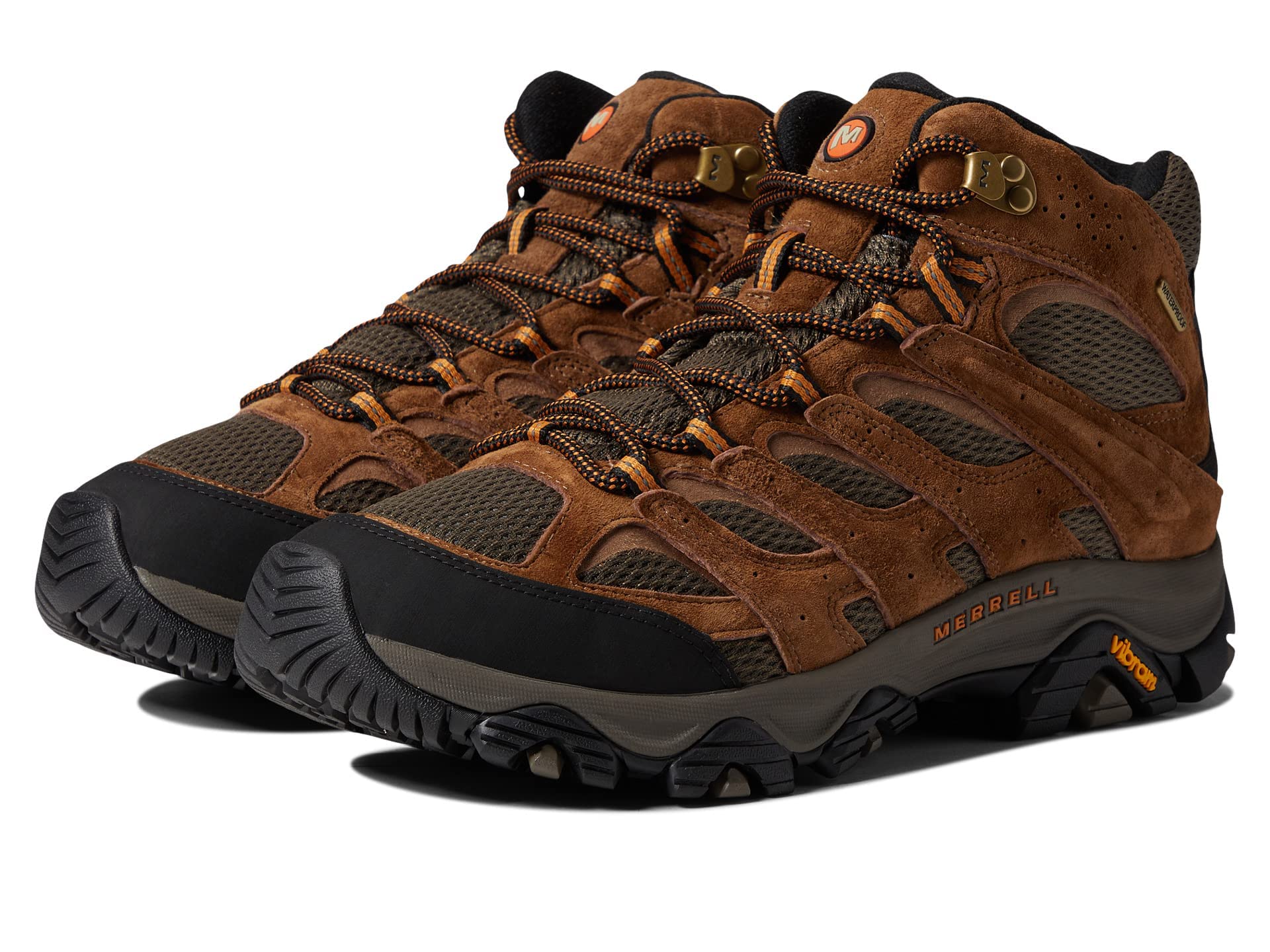
Merrell Moab 3 Mid
The Moab 3 Mid earns its reputation for all-day comfort through well-cushioned insoles and supportive arch design that suits long hikes on moderate to challenging trails. Build quality feels premium, with materials that hold up well across seasons, and the boot remains noticeably lighter than many alternatives in the same class.
This boot fits a wide range of foot shapes, including wider feet and high arches, making it a strong choice for hikers who struggle with fit elsewhere. The catch comes in wet conditions—waterproofing can allow moisture through during rain or stream crossings, so those who need guaranteed dry feet should look at models with more consistent sealing.
Pros
- Cushioning and arch support keep feet comfortable on long hikes.
- High-quality materials and construction feel durable over multiple seasons.
- Available in wide sizes and fits most foot shapes without break-in.
Cons
- In rainy conditions, the waterproof membrane may allow moisture through.
- Outsole tread can wear faster than expected on abrasive rocky trails.
A top choice for hikers who prioritize all-day comfort and support over guaranteed waterproofing.
Best for Casual Style Hike
Columbia Newton Ridge II
The Columbia Newton Ridge Plus II delivers a sleek suede look and a soft, cushioned interior that skips the typical break-in period. Its lightweight build makes it more like a comfortable walking shoe than a traditional hiking boot, ideal for easy day hikes where appearance matters as much as comfort.
This boot suits hikers who prioritize style and light weight over heavy-duty waterproofing or rugged terrain. The lace hooks and eyelets can break under tension, and the waterproof lining may let moisture through in persistent rain or wet grass — fine for dusty trails or light drizzle, but not a reliable choice for wet conditions.
Pros
- Soft interior with zero break-in from the first wear
- Attractive suede design that looks good on and off the trail
- Lightweight feel that mimics a sneaker for easy day hikes
Cons
- Lace hooks and eyelets can snap, requiring replacement or repair
- Waterproofing may not hold up in steady rain or wet grass
If your hikes stay dry and paved or packed dirt, this boot delivers style and comfort that few others match at this price.
Best for Comfort Value Hike
Foxelli Hiking Boots
The Foxelli Men’s Hiking Boots deliver impressive comfort and build quality that rivals many boots at higher prices. Unlike the top pick, which balances waterproofing and support for moderate trails, the Foxelli prioritizes plush cushioning and a stylish suede design that transitions well off the trail. This makes them ideal for comfort-seeking hikers on moderate, dry terrain who value looks and feel over guaranteed wet-weather performance.
These boots are best suited for day hikes on well-maintained trails where water resistance is a secondary concern. The water-repellent claims lack real-world verification, so for rainy or wet conditions, consider treating the suede or choosing a boot with proven waterproofing. Occasional reports of sole wear suggest they may not hold up under heavy, rocky terrain, fitting well for lighter use.
Pros
- Slipper-like cushioning straight from the box – no break-in needed.
- Solid construction that feels durable and well-made for the price.
- Accurate sizing with a comfortable fit for most foot shapes.
Cons
- Waterproofing performance is unverified in real-world use – treat claims with caution.
- Sole wear or durability issues have been reported by some users over time.
For comfort-focused hikers on dry trails who don’t need guaranteed waterproofing, these boots offer a premium feel without the premium price.
Best for Budget Light Hike
NORTIV 8 Armadillo
The NORTIV 8 Armadillo stands out for its cushioned comfort and lightweight feel, making it one of the most pleasant budget-friendly boots for smooth trails. While many boots at this price sacrifice comfort, this one delivers a soft, blister-free experience straight out of the box.
This boot is best suited for hikers who stick to dry, well-maintained paths and prioritize cost over long-term durability. The waterproofing can be inconsistent in real rain, and the sole may separate after limited use, so it’s not a boot for wet or rugged terrain. For occasional dry-trail walks, however, the value is hard to beat.
Pros
- Cushioned comfort that reduces fatigue on long walks.
- Budget-friendly price for the features offered.
- Lightweight build that’s easy to wear all day.
Cons
- Waterproofing may not hold up in sustained wet conditions.
- Sole can separate after several months of use.
A comfortable, lightweight choice for budget hikers on dry trails, but not for those needing reliable waterproofing or extended durability.
Best for Agile Day Hike
adidas Terrex Anylander

The Adidas Terrex Anylander delivers a lightweight, shoe-like feel with dependable grip for fast day hikes on dry trails. Its mid-height design offers less ankle support than traditional boots, and the waterproofing may not hold up in sustained rain—conditions where tread wear can also accelerate. This makes it a better fit for day hikers who prioritize agility over heavy-duty protection.
Pros
- Comfortable fit with no break-in required
- Lightweight design ideal for fast-paced hiking
- Solid grip on dry and rocky terrain
Cons
- A strong odor can develop after extended use
Best for day hikers who want a nimble, sneaker-like boot for dry trails and don’t need full waterproofing or long-term durability.
Best for Casual Everyday
Skechers Relment-pelmo

The Skechers Relment-pelmo prioritizes plush, slipper-like comfort with a lightweight build and attractive design that suits everyday use and light trails. However, the lace hooks and eyelets can detach under normal use, and the non-removable insoles lose cushioning over a few months. Water resistance is inconsistent, so wet grass or light rain may soak through. These boots are best for those who value soft comfort over rugged durability and don’t need consistent waterproofing for wet terrain.
Pros
- Cushioned insole provides a soft, slipper-like feel for all-day wear.
- Lightweight construction keeps feet feeling unencumbered throughout the day.
Cons
- Lace hooks and eyelets can detach or become damaged during regular lacing.
- Water resistance may not hold up in wet grass or light rain.
These Skechers work well for casual walking or short, dry trails where comfort and style are the priorities.
Best for Light Moderate Use
Columbia Crestwood Mid
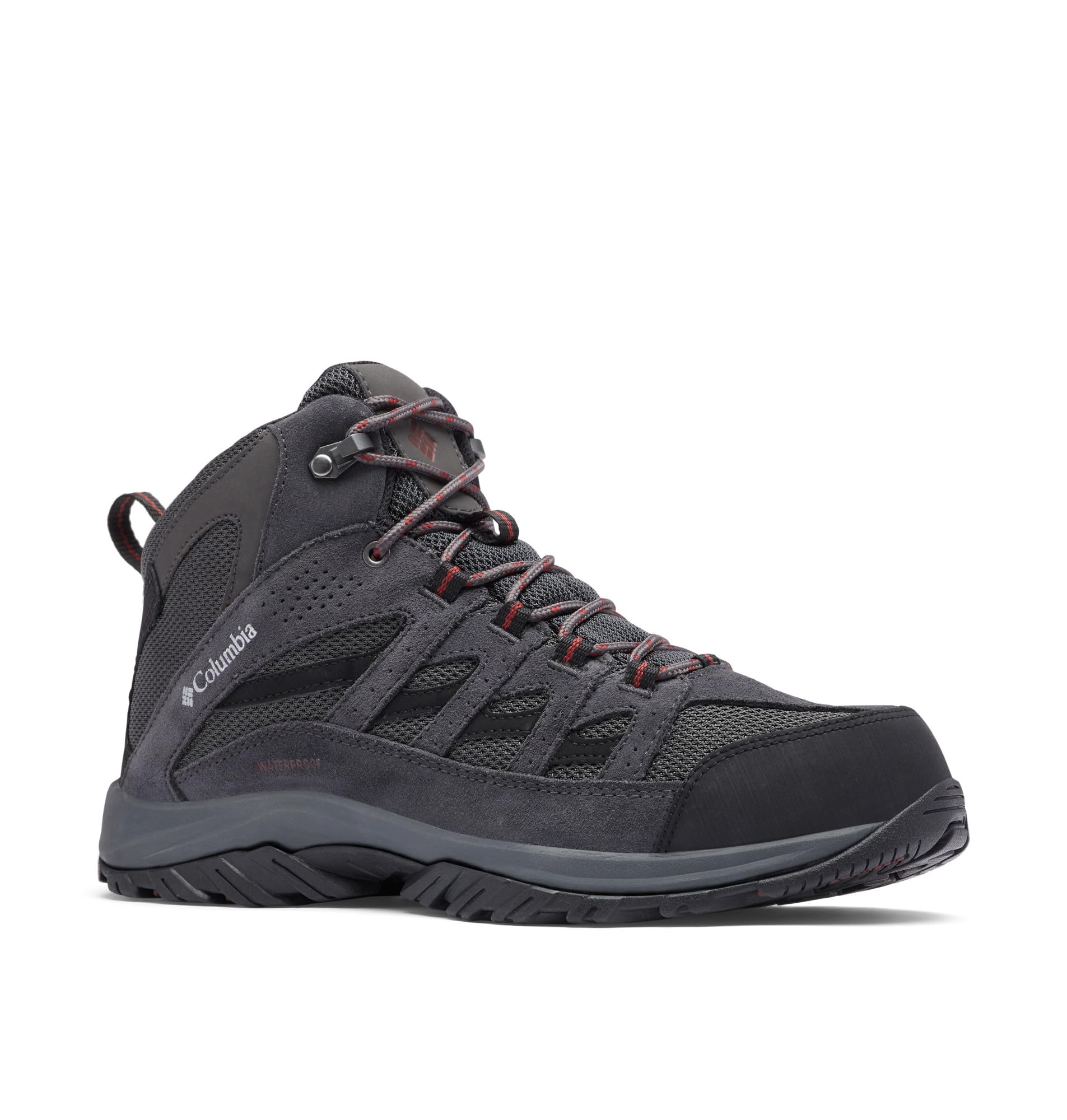
The Crestwood Mid delivers a cozy, supportive feel and tidy looks that hold up well for light trail use — especially given the mid-range price. Comfort and warmth are the main strengths here, with a padded collar and insulation that suit cool-weather hikes. The catch is sizing: these run narrow and small, so even ordering up may not accommodate wider feet. Some owners have also noted laces snapping or stitching loosening over time, which tempers enthusiasm for heavy or frequent use. This boot works best for hikers who can try it on first and are willing to accept some variability in long-term build quality.
Pros
- Padded interior and insulation keep feet warm and comfortable on cool trails.
- Well-finished look that blends style with a price that feels fair for the build.
Cons
- Narrow fit through the toe and midfoot – wide-footed hikers will likely need a different boot even after sizing up.
- Laces and stitching have shown signs of wear in some cases, which can reduce confidence for regular use.
For hikers who can confirm the right size in person, this is a decent budget-friendly boot for occasional outings on moderate terrain — but if you need a sure fit or intend to push miles, another pair may be smarter.
Best for Wide Foot Comfort
Merrell Moab 2 Mid

The Moab 2 Mid delivers proven comfort and support for wide feet, but it is an older generation. Waterproofing can be unreliable in sustained rain or stream crossings, and sole separation has been noted after moderate use. For those willing to accept these tradeoffs, it offers cushioning and arch support that justify the premium price.
Pros
- Extremely comfortable, especially for wide feet
- Strong arch support for high arches and long hikes
Cons
- Waterproofing may not hold up in wet conditions like rain or stream crossings
- Sole separation can occur after moderate use
Best for hikers who prioritize arch support and a roomy fit over waterproofing guarantees, and who accept that sole durability is not assured.
How to Choose
The most important insight is that waterproofing claims are often exaggerated, so focus on boots with proven membrane technology and user feedback on wet-weather performance.
Waterproofing: Membranes vs. Marketing
Most boots use a waterproof membrane (like Gore-Tex or an own-brand equivalent) sandwiched between the outer and lining. The membrane lets moisture vapor out but blocks liquid water. However, the boot’s construction—seams, tongue gusset, and closure—determines if water enters through weak points.
A boot with a membrane but unsealed seams will leak in practice. Look for boots with sealed seams and a gusseted tongue. Even then, expect that prolonged submersion will eventually wet out; no boot is truly submersible.
Cushioning: Foam Density and Arch Support
Boots use EVA or polyurethane foam midsoles. EVA is lighter but compresses faster; PU is heavier but maintains its shape longer. Arch support varies—some boots have built-in molded arches, others rely on removable insoles.
For long hikes, a boot with a firm midsole and good arch support reduces fatigue. If you have flat feet or high arches, look for a model with replaceable insoles or aftermarket support.
Durability: Sole Bonding and Hardware
The most common failure is sole separation due to poor adhesive bonding or flex-point fatigue. Boots with a stitched-and-glued construction (like a Goodyear welt) are more durable than purely glued soles. Eyelets and lace hooks should be metal, not plastic, to avoid breakage.
A rubber toe cap adds protection against rocks, but also adds weight. If you hike on rocky terrain, prioritize boots with toe caps and reinforced stitching.
Weight: Agility vs. Protection
Lighter boots (under 2 lbs per boot) feel like sneakers and reduce fatigue on day hikes. But lighter often means thinner materials, less ankle support, and faster wear. Heavier boots (over 2.5 lbs) offer more protection and durability but can be tiring on long distances.
Consider your typical hike length: under 5 miles? Lightweight is fine. All-day or backpacking? A midweight boot with a stiffer sole provides better underfoot protection.
Fit: Sizing and Width Options
Boot sizing varies significantly between brands and even models. Many users need to go half a size up or select a wide version. A well-fitting boot should leave a thumb’s width of space from the longest toe to the end, with no heel slip when laced.
Always try on boots with the socks you plan to hike in. Order from retailers with free returns so you can test the fit at home on carpet before committing.
FAQ
Why do hiking boot soles separate after only a few months?
Sole separation is often caused by poor adhesive bonding or repeated flexing at the toe area. Boots with purely glued construction are more prone to this than those with stitched and glued soles. If you hike on rocky terrain regularly, look for boots with a stitched welt or reinforced toe cap.
Are budget hiking boots under $50 actually waterproof?
Budget boots under $50 typically use a basic waterproof coating rather than a sealed membrane. In practice, many leak after a few uses or in sustained rain. If you need reliable waterproofing, expect to spend at least $80 on a boot with a proper membrane.
Do Merrell Moab boots run narrow or true to size?
Merrell Moab boots are known for a roomy toe box but can feel narrow in the midfoot for some. Many users order a half size up or opt for the wide version. If you have wide feet, the wide option is recommended.
How long should a good pair of hiking boots last for weekend hiking?
For weekend hikers on moderate trails, a good pair of hiking boots should last 1-2 years with regular use. Boots that start showing sole separation or eyelet breakage within months are not up to standard. Mid-range boots from established brands like Timberland and Merrell typically meet this lifespan.