
This post contains affiliate links. We may earn a small commission when you buy through our links — at no extra cost to you.
Every year, millions of travelers buy a raincoat labeled ‘waterproof’ only to discover that a steady drizzle soaks through in an hour. The problem isn’t the product category — it’s the difference between water-resistant coatings and fully sealed membranes.
The real divide happens around the $50 mark, where taped seams and waterproof membranes replace basic DWR coatings. Understanding that distinction is the difference between a raincoat that works for a festival afternoon and one that handles an all-day hike. This guide is built around that choice, helping you match rain exposure to the right construction.
Ponchos offer unmatched coverage for backpacks but become sails in wind; jackets trade that coverage for sleeve protection and wind resistance. Knowing your primary use — travel, commute, hike, or emergency — narrows the field quickly.


Best for Hiking & Commuting
Columbia Watertight II
Key Features
- Waterproofing: Omni-Shield seam-sealed
- Weight & Packability: 8 oz, packs into pocket
- Hood Design: Adjustable hood
- Fit & Layering: Runs large
- Price: Mid-Range
The Watertight II keeps rain out where it matters most: on the trail, at the bus stop, or during a sudden downpour. Its Omni-Shield coating and taped seams create a consistent barrier that holds up under steady rain, and at 8 ounces it stows easily in a daypack or even a handbag. Wind protection is equally solid, cutting through gusts without the usual flapping.
Where the jacket falls short is high-output motion. There are no pit zips, so ventilation comes only from the front zip or by unzipping partway — fine for casual walks, but runners or uphill hikers will overheat quickly. Sizing runs about one size large, so those between sizes may want to go down for a trimmer fit. This makes the Watertight II best for commuting, light hiking, and everyday rain protection rather than aerobic activities in warmer weather.
Pros
- Waterproof barrier holds up in sustained rain without leaking.
- Light enough at 8 ounces to forget you’re carrying it.
- Blocks wind effectively, cutting chill on blustery days.
Cons
- Sizing runs about one size large; those between sizes may need to size down for a snug fit.
- No pit zips — breathability is limited during any activity that raises your heart rate.
For anyone who needs a straightforward rain shell for everyday use and doesn’t plan to run in it, the Watertight II delivers dependable waterproofing without spending extra for features you won’t use.
Best for Spring/fall Wear
Outdoor Ventures Fleece Jacket
Key Features
- Waterproofing: Water resistant (softshell)
- Weight & Packability: Lightweight
- Hood Design: Adjustable hood
- Fit & Layering: True to size
- Price: Mid-Range
The Outdoor Ventures jacket combines a softshell exterior with a warm fleece lining and inner drawstring waist that shapes a flattering silhouette. It handles light rain and wind, but water resistance can fade over time and it’s not built for steady downpours. The fit is true to size, though some find the cut snug when sitting. This jacket suits women who want a stylish, warm layer for commuting or casual wear in mild, damp weather — not for heavy rain.
Pros
- Warm fleece lining helps retain heat in cool conditions
- Waist cinch creates a more tailored look
- Suitable for both spring and fall transitional weather
Cons
- Water resistance may diminish over time; not for heavy rain
- Front can gap when seated due to a narrower cut
A practical pick for women who prioritize warmth and a tailored look over heavy rain protection. If downpours are your main concern, a fully waterproof jacket would be a better fit.
Best for Running & Cycling
baleaf Women’s Running Jacket
Key Features
- Waterproofing: DWR coating
- Weight & Packability: 10.55 oz, packable
- Hood Design: Adjustable, stows
- Fit & Layering: Runs small, athletic
- Price: Mid-Range
With reflective details, a packable design that fits into its own pocket, and a mesh lining for breathability during movement, this jacket is a smart choice for runners and cyclists who need high visibility and low weight. Water resistance works for short, light showers but seeps through in sustained rain — and the athletic fit runs small, so sizing up is worth considering for layering. It suits active commuters or trail runners who want a packable shell for unexpected drizzle, not for casual wear in steady rain.
Pros
- Lightweight and packs into its own pocket, ideal for stashing in a running belt or cycling bag.
- Reflective elements across the body improve visibility in low-light conditions.
- Mesh lining and vents help manage moisture during high-output activity.
Cons
- Not fully waterproof; water seeps through during steady, prolonged rain.
- Athletic fit runs small; order one size up for layering beneath.
A focused active shell for light rain and high visibility — bring a true waterproof jacket if you expect more than a quick shower.
Best for Ultralight Backpacking
Frogg Toggs Ultra-lite2
Key Features
- Waterproofing: Seam-taped polypropylene
- Weight & Packability: 0.6 lb, stuff sack
- Hood Design: Adjustable cord locks
- Fit & Layering: Very roomy one-size
- Price: Budget
At 0.6 pounds and compact enough for a pocket, the Frogg Toggs Ultra-lite2 delivers seam-taped waterproofing that holds up in steady rain. Its roomy cut covers a fully loaded backpack, but the non-woven fabric can tear under strain and the side snaps may pop open in gusts. This poncho suits ultralight backpackers, day-trippers, and theme-park visitors who need a backup shell they’ll rarely wear—not for daily use or exposed ridgelines.
Pros
- Extremely lightweight and packable
- Effective waterproof protection with taped seams
- Breathable enough for moderate activity
Cons
- In windy conditions, the oversized shape catches gusts and leaves arms exposed
- Non-woven fabric can tear if snagged; side snaps may pop open under tension
Best for ultralight emergency use where weight and packability matter more than long-term durability.
Best for City Commuting Daily
SaphiRose Women’s Rain Jacket
Key Features
- Waterproofing: Water resistant (polyester)
- Weight & Packability: 2 lb, heavy
- Hood Design: Adjustable, drawstring
- Fit & Layering: Runs large, relaxed
- Price: Mid-Range
The SaphiRose Rain Jacket pairs a polished trench silhouette with a soft, warm lining and an adjustable waist that creates a flattering shape. It’s suited for daily commuting in light rain or as a layered travel piece — but buyers should know the water resistance isn’t consistent enough for heavy downpours.
Pros
- High build quality and stylish design
- Flattering fit with waist cinch
- Soft lining adds warmth
Cons
- Water resistance can be inconsistent during prolonged or heavy rain — fine for light showers but not for downpours
This raincoat works well when style matters more than weather protection. For heavy rain, the heavy-duty poncho in this roundup is a better option.
Best for Festivals & Hiking
PTEROMY Rain Poncho
Key Features
- Waterproofing: Waterproof fabric (unstated)
- Weight & Packability: 10 oz, packs to pouch
- Hood Design: Fixed hood
- Fit & Layering: Roomy, one-size
- Price: Budget
The PTEROMY poncho provides roomy coverage that fits over a backpack, and the front pocket keeps small items accessible. Sleeves are absent, so arms get wet in any rain, and the generous cut can billow in wind — it’s best suited for low-wind settings like festivals or as emergency gear stashed in a car or daypack.
Pros
- Very roomy — fits over a backpack without feeling tight.
- Budget-friendly price with solid waterproofing in moderate rain.
- Front zipper pocket keeps phone or keys dry and accessible.
Cons
- Sleeveless design leaves arms exposed to rain.
- Oversized shape catches wind, making it floppy in breezy conditions.
If you need a cheap rain cover that fits over a pack and don’t mind wet arms or wind flop, this poncho delivers for its price.
Best for Hiking & Commuting
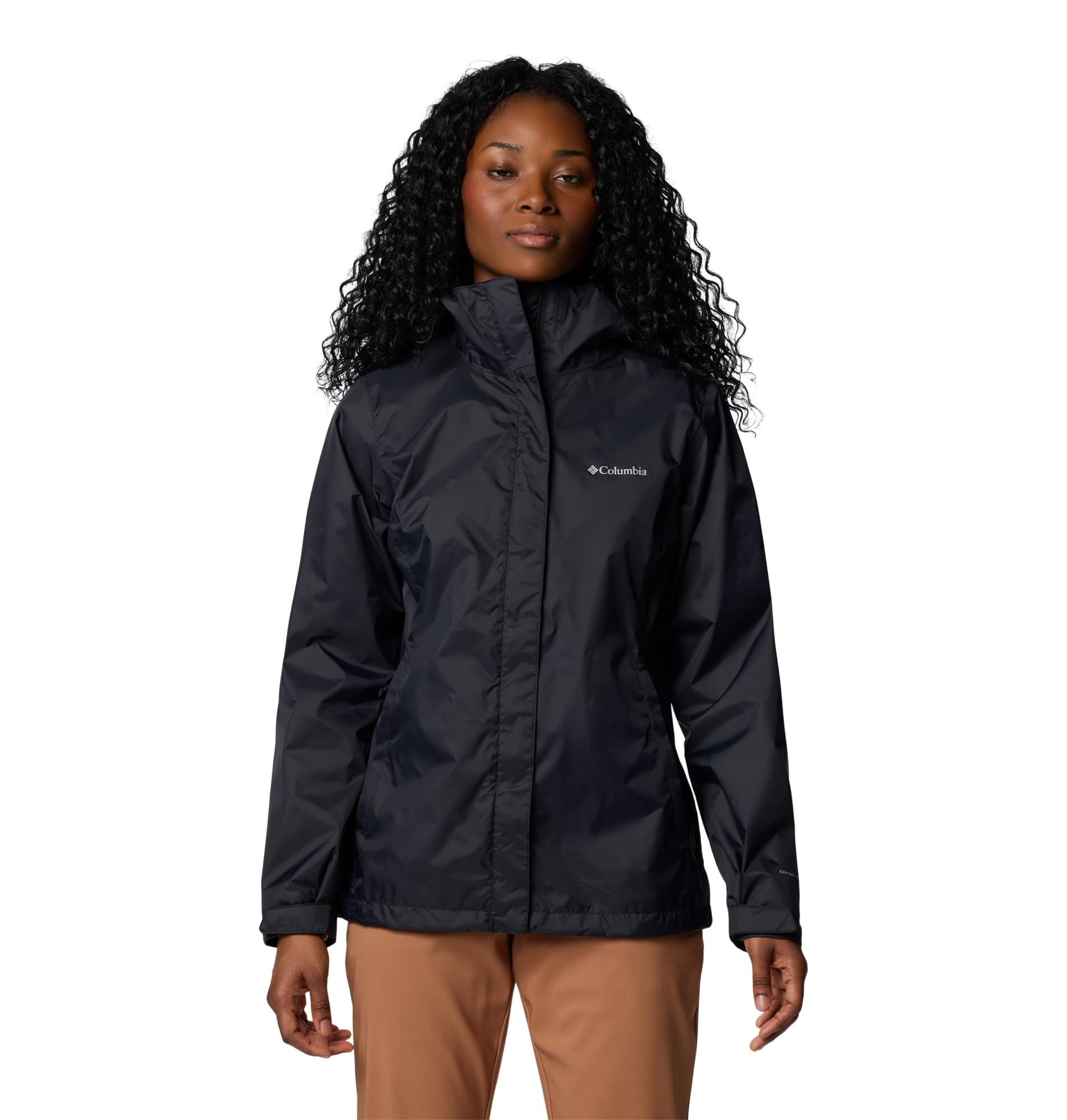
Columbia Arcadia II
Key Features
- Waterproofing: Omni-Tech seam-sealed
- Weight & Packability: Lightweight, packable
- Hood Design: Adjustable hood
- Fit & Layering: Runs small
- Price: Mid-Range
This jacket uses a seam-sealed Omni-Tech membrane to keep rain out, making it a solid choice for hikers and commuters who prioritize weight and packability. The slim fit can feel restrictive if layering, and the hood’s large cut may not suit everyone. Sizing runs small, so ordering up is advisable—this is a common adjustment, not a flaw.
Pros
- Seam-sealed Omni-Tech membrane keeps rain out effectively.
- Lightweight and packable—folds into its own pocket for storage.
Cons
- Sizing runs small; ordering up is often needed, and hood fit can be uneven.
Good for pack-and-go rain protection if you adjust size, but the Columbia Watertight II offers a simpler fit for similar money.
Best for Marine & Heavy Rain
Helly Hansen Seven J

Key Features
- Waterproofing: Helly Tech membrane
- Weight & Packability: Approx 1 lb
- Hood Design: Adjustable hood
- Fit & Layering: Runs small
- Price: Premium
Helly Tech membrane delivers strong waterproofing for heavy rain and marine use. Sizing runs small (size up) and lining may pull at wrists. Priced above alternatives like the top pick, it suits buyers who prioritize build quality over budget.
Pros
- Helly Tech waterproof membrane keeps you dry in downpours
- Materials and stitching withstand heavy use
Cons
- Jacket runs small; plan to size up for layering
Best for buyers who need a rugged rain shell for heavy downpours and marine environments, and are willing to size up and pay a premium.
Best for Hiking Alpine
North Face Antora

Key Features
- Waterproofing: DryVent 2L
- Weight & Packability: Lightweight
- Hood Design: Adjustable hood
- Fit & Layering: Runs small
- Price: Premium
The Antora delivers solid waterproofing and wind protection from a name known for outdoor gear. At this price point, it competes directly with the Columbia Watertight II, which offers similar seam-sealed waterproofing for less. The shell lacks insulation, and sizing tends to run small — ordering up is recommended for layering.
Pros
- Waterproofing keeps you dry in sustained rain
- Sturdy construction from a brand with outdoor heritage
Cons
- Priced at a premium for a shell with no insulation — similar performance from cheaper alternatives exists
Best for North Face loyalists or those who need a shell with specific features like pit zips, but for most buyers, the Columbia Watertight II offers the same waterproofing at a better price.
Best for Casual Daily Wear
OTU Men’s Rain Jacket

Key Features
- Waterproofing: Water-resistant coating
- Weight & Packability: Lightweight
- Hood Design: Adjustable hood
- Fit & Layering: Runs large
- Price: Budget
This budget-friendly jacket delivers a comfortable fit and modern look for light showers and everyday use. The water-resistant coating works for drizzle but can saturate through in persistent rain, making it a mismatch for heavy downpours. Buyers who need a truly waterproof shell should look to a higher price tier with sealed seams.
Pros
- Lightweight and comfortable for all-day wear.
- Great value for the price.
Cons
- Waterproof claim exaggerated; soaks through in heavy rain.
A fitting choice for light daily showers and casual wear, but not for heavy rain — consider a sealed-seam jacket if downpours are a concern.
Best for Running & Cycling
baleaf Men’s Active Jacket

Key Features
- Waterproofing: DWR coating
- Weight & Packability: Lightweight
- Hood Design: Adjustable hood
- Fit & Layering: Runs small
- Price: Mid-Range
This jacket’s lightweight build and reflective accents suit running and cycling in light rain. The back pocket adds convenience for stashing small items. However, it is water-resistant rather than waterproof—steady rain can soak through. Sizing runs small; going up a size helps for layering. The women’s version receives fewer fit complaints.
Pros
- Optimized for active use with a back pocket for cycling essentials.
- Packs down small for storage in a gym bag or backpack.
Cons
- Water resistance is limited to light rain; steady rainfall can wet through.
Best for runners and cyclists who prioritize packability and visibility over waterproofing in light rain.
Best for Fashion Daily Wear
LOMON Women’s Trench Coat

Key Features
- Waterproofing: Water resistant
- Weight & Packability: Lightweight
- Hood Design: Drawstring hood
- Fit & Layering: Runs small
- Price: Budget
Stylish trench with lined interior and drawstring waist flatters daily wear in cool, damp weather. Water resistance handles light mist but soaks through in steady rain. Sizing runs small – order up. The SaphiRose trench offers better finish and consistent water protection for similar cost.
Pros
- Stylish trench design with drawstring waist and lined interior
- Warm enough for cool spring days thanks to the soft lining
Cons
- In moderate rain, water may seep through – this jacket is best for light showers
A good choice for fashion-forward daily wear in light rain, but look elsewhere for consistent waterproofing in heavy conditions.
Best for Camping & Backpacking
SaphiRose Extra Thick Poncho

Key Features
- Waterproofing: Double-layer waterproof
- Weight & Packability: 4.8 oz, compact bag
- Hood Design: Hood with visor
- Fit & Layering: One-size, roomy
- Price: Budget
SaphiRose’s double-layer poncho offers solid all-day rain coverage at a low price, with a roomy fit and compact packing. Yet it’s heavier than ultralight options, and fabric durability is inconsistent — some buyers report tears after limited use. Quality control varies, so careful inspection on arrival is wise.
Pros
- Effective at keeping you dry during prolonged rainfall
- Solid construction for the budget-friendly price
Cons
- Fabric may tear on sharp edges or snags
Best for budget travelers who need all-day rain protection and can accept some durability uncertainty.
Best for Theme Parks, Casual
POWINSUN Poncho

Key Features
- Waterproofing: Water resistant
- Weight & Packability: Lightweight, carry pouch
- Hood Design: Adjustable drawstring
- Fit & Layering: Very large
- Price: Budget
This poncho’s cute design, full front zipper, and included carry pouch make it a stylish, packable choice for theme parks or emergency backup in light rain. The thick fabric-like material avoids the crinkly plastic feel of standard ponchos. But the water resistance is limited—prolonged exposure will wet through, and the oversized cut means taller adults may find it short in the sleeves.
Pros
- Carries neatly in a small pouch for stashing in bags or glove compartments.
- Full front zipper and snap sides make layering over clothes simple.
Cons
- In steady rain, water seeps through the fabric after 15-20 minutes.
Best for light, short-lived rain at outdoor events or as a backup layer—not for all-day downpours or taller frames.
How to Choose
The most important thing to know is that ‘waterproof’ on a budget jacket often means water-resistant, and the real waterproofing starts with seam-taped membranes.
Waterproofing: DWR vs. Sealed Membranes
A DWR (durable water repellent) coating causes water to bead and roll off initially, but it wears off after a few washes or hours of rain. Once it fails, the fabric itself soaks through. A sealed waterproof membrane (like Omni-Tech or Helly Tech) is laminated to the shell and remains functional even if the outer DWR is gone.
For heavy or prolonged rain, look for jackets that specify ‘seam taped’ or ‘seam sealed’ in addition to a membrane. Ponchos typically achieve waterproofing by being made of thick vinyl or coated fabric; they don’t rely on membranes but can be less breathable.
Weight and Packability for Travel
Lighter jackets (under 12 oz) are easier to stow in a daypack but often sacrifice durability and features like pockets or hood adjustments. Heavier shells (over 1 lb) provide more protection and last longer but take up valuable luggage space.
For travel, a jacket that packs into its own pocket (like the Columbia Watertight II) is a space-saver. Ponchos are the lightest option, but their bulk when packed can be comparable to a jacket due to loose fabric.
Hood Design and Adjustability
A fixed hood may not stay in place during wind or when turning your head, leading to wet hair and drips. Adjustable hoods with drawcords or cinch cords allow a snug fit that seals out rain and improves peripheral vision.
A brim or visor on the hood (common on ponchos) helps keep rain off your face but can be floppy in breezes. For active use, a stowable hood that rolls into the collar keeps the jacket versatile.
Breathability for Active Use
Breathability is often the hidden trade-off: a fully waterproof membrane traps body heat and moisture, causing you to sweat from the inside. Pit zips (underarm vents) or mesh linings let heat escape without letting rain in.
If you plan to hike, run, or cycle in the rain, choose a jacket with pit zips or a breathable membrane (like Helly Tech or DryVent). Ponchos are naturally more breathable due to their open sides, but they lose that advantage in wind.
Fit and Room for Layering
Sizing varies dramatically between brands. A jacket that runs small may restrict movement or prevent layering underneath; one that runs large can flap in wind. Check reviews for typical sizing advice — many brands recommend sizing up if you plan to wear a thick sweater.
For ponchos, one-size-fits-most means you get a roomy fit that covers a backpack but can be overly loose for smaller frames. Some ponchos have snap sides to adjust fit.
FAQ
Why does my rain jacket leak after a few uses?
Most budget jackets use a DWR coating that wears off after a few washes or hours of rain. Once the coating fails, water seeps through the fabric. Look for jackets with a seam-taped waterproof membrane — those maintain protection even after the DWR degrades. If your jacket has a membrane, you may just need to reapply DWR to restore water beading.
Are ponchos better than rain jackets for heavy rain?
Ponchos excel at covering you and a backpack from overhead rain, but they become useless in wind — they billow and expose your arms and sides. For heavy rain combined with wind, a properly seam-taped rain jacket offers far better protection and mobility. Choose a poncho for stationary use like festivals or as an emergency backup; pick a jacket for hiking or commuting.
How can I tell if a rain coat is truly waterproof?
Read the spec details: look for ‘seam taped’ or ‘seam sealed’ construction and a specific waterproof membrane (e.g., Omni-Tech, Helly Tech, DryVent). If the description only mentions ‘water-resistant’ or ‘DWR coating,’ treat it as a light rain shell. Also check customer reviews for claims about leaking in moderate rain — many so-called waterproof jackets fail that test.
Should I size up for a rain jacket to layer underneath?
Most rain jackets are cut with room for a thin fleece or base layer, but sizing varies by brand. Check the size chart and reviews: if reviewers say ‘runs small,’ size up; if ‘runs large,’ size down. For ponchos, one size fits most, but smaller adults may find them excessively loose — some models have snap sides to adjust.