
This post contains affiliate links. We may earn a small commission when you buy through our links — at no extra cost to you.
A rain jacket that soaks through after an hour isn’t a rain jacket – it’s a windbreaker with a misleading label. Many jackets advertised as ‘waterproof’ rely on a surface coating that wears off quickly, leaving you damp when you need protection most.
Sizing is another common pitfall. Some jackets run small, others large, and finding the right fit for layering or travel can feel like a guessing game. This guide focuses on jackets that genuinely keep rain out and fit as expected, whether you’re commuting, hiking, or packing for a trip.

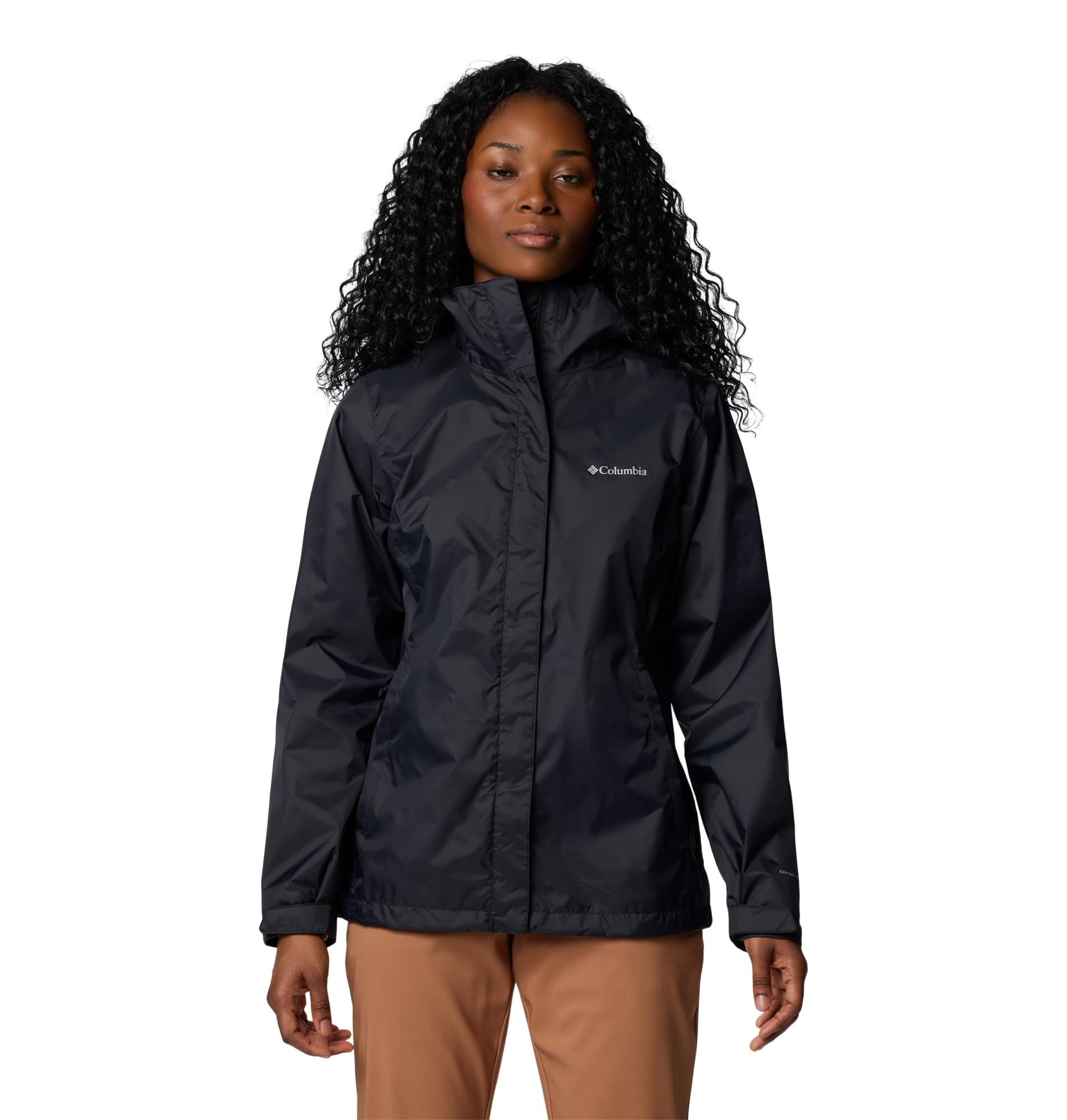


Best for Packable Waterproof Jacket
Columbia Watertight II
Key Features
- Waterproof vs Water-resistant: Water-repellent finish
- Weight & Packability: 8 oz, packs into pocket
- Hood Design: Adjustable hood
- Sizing Reliability: Runs slightly large
- Price: $$
At 8 ounces, the Watertight II is light enough to forget in a daypack and compresses into its hand pocket about the size of a water bottle. That packability, paired with a waterproof membrane that sheds steady rain without wetting out, makes it a strong candidate for travel and daily commuting. The nylon face fabric has a smooth, quiet feel — no crinkly plastic noise when moving.
Fit runs slightly loose through the chest and arms, which leaves room for a mid-layer but means those between sizes may prefer to size down. The tradeoff for the low weight and price is limited breathability: there are no pit zips, so walking briskly or hiking uphill for extended periods will trap heat and moisture inside. For stop-and-go city use or moderate-pace walks the jacket breathes well enough, but it’s not a shell for trail runs or high-output days.
This jacket suits men who need a dependable rain layer that disappears into a bag when the sun returns — commuters in rainy cities, travelers packing light, and day hikers who want a shell for afternoon showers. It does not replace a fully vented, athletic-fit jacket for aggressive outdoor activity. Those who prioritize breathability and a trim silhouette should consider the Marmot Precip Eco, which includes pit zips and uses recycled materials at a slightly higher price.
Pros
- Holds up in sustained rain without soaking through
- Packs into its own pocket for carry-on or daypack storage
- Stitching and fabric feel substantial for the weight
- Costs less than half of many comparable technical shells
Cons
- Cut is roomy; buyers on the smaller end of a size range may want to order down
- No pit zips means airflow is limited during high-exertion activities like hiking uphill
Leave it stuffed in a work bag or daypack for when the weather turns — at this price, nothing else packs this small and keeps you this dry.
Best for Lightweight Rain Shell
Columbia Arcadia II
Key Features
- Waterproof vs Water-resistant: Waterproof coating
- Weight & Packability: Lightweight, packable
- Hood Design: Small, adjustable
- Sizing Reliability: Runs small
- Price: $$
The Arcadia II is cut specifically for women, with a tailored silhouette and color choices that go beyond standard neutrals. Columbia’s waterproofing handles steady rain without issue, and the jacket folds down small enough to stash in a daypack for travel or commuting.
For city use or layering over a fleece, this is a capable shell. The caveat: the body runs snug, so order at least one size up if you plan to add a mid-layer. The hood is also on the smaller side – it covers a low ponytail but may leave taller updos exposed in a downpour.
Pros
- Waterproofing keeps you dry in moderate rain
- Lightweight and packs into its own pocket for travel
- Feminine cut and color options set it apart from unisex rain jackets
Cons
- When layering underneath, the snug torso fit can be restrictive – sizing up resolves this
- In heavy rain, the hood may leave your forehead exposed – better for light drizzle or wearing a baseball cap under it
For women who value a flattering fit and color selection, this is a capable rain shell – just plan to size up and use a hat if you expect heavy rain.
Best for Budget-Conscious Shoppers
OTU Men’s Rain Jacket
Key Features
- Waterproof vs Water-resistant: Water-resistant finish
- Weight & Packability: Lightweight, packable
- Hood Design: Oversized, poor adjust
- Sizing Reliability: Runs large
- Price: $
With a 4.5-star rating and over 15,000 reviews, this jacket delivers a lot for the price. It’s lightweight and comfortable enough for daily wear, and the roomy cut leaves space for an extra layer underneath — useful for cool spring hikes or a commuter’s morning routine. The polyester shell handles light showers well, making it a practical pick for casual outdoor use.
This shell suits budget-conscious shoppers who need a packable layer for occasional rain — think city walks, travel, or a spare jacket in the car. It’s not built for steady downpours; the water resistance has limits in prolonged rain. The hood is generously sized and can be tricky to adjust, and the overall fit runs large, so sizing down is a good idea if you want a trimmer silhouette without heavy layering.
Pros
- Delivers performance well above its price point in light rain
- Lightweight and comfortable for everyday wear
- Roomy cut accommodates a mid-layer without feeling bulky
Cons
- The oversized hood can catch wind and limit peripheral vision in gusty conditions
- Sizing runs large — those between sizes may need to size down for a closer fit
For everyday commuting and travel in light rain, this jacket delivers more than its price suggests — just don’t count on it for a storm.
Best for Hikers and Backpackers
Marmot Precip Eco
Key Features
- Waterproof vs Water-resistant: Waterproof membrane
- Weight & Packability: 305 g, packable
- Breathability: Pit zips
- Hood Design: Oversized hood
- Sizing Reliability: True to size
- Price: $$$
Pit zips and a recycled nylon membrane make the Marmot Precip Eco the most breathable and environmentally friendly rain shell in this category. At 305 grams, it packs into its own pocket, and the NanoPro membrane provides effective waterproofing for sustained rain.
This jacket suits hikers and backpackers who prioritize ventilation and eco-conscious materials over a trim fit. The hood is oversized and may shift in wind, and the sleeves can be long for shorter arms – test the fit if you are between sizes. It sits at a higher price point, but the combination of breathability and recycled construction appeals to those reducing their environmental footprint.
Pros
- Pit zips allow venting during high-exertion activities.
- Lightweight and packable without sacrificing durability.
- Eco-friendly construction using recycled nylon and a PFC-free membrane.
Cons
- Sleeve length can be too long for shorter torsos.
- Hood volume may be loose in windy conditions.
Best for hikers and backpackers who value ventilation and sustainability, and don’t mind adjusting for a roomy hood.
Best for Everyday Commuting
SaphiRose Women’s Rain Jacket
Key Features
- Waterproof vs Water-resistant: Water-resistant finish
- Weight & Packability: 2 lb, not packable
- Hood Design: Adjustable hood
- Sizing Reliability: Runs large
- Price: $$
The SaphiRose Rain Jacket stands out with its classic trench silhouette, cinched waist, and quality stitching – easily the most attractive option in this test. The water-repellent finish handles light showers and morning mist without issue, but the jacket is not built for sustained downpours. In heavy rain, moisture can seep through after prolonged exposure, making it a fair-weather companion rather than a storm shell.
This is a jacket for women who want a fashionable rain layer for commuting, errands, or travel in mild climates. The generous cut runs large, so sizing down yields a trim, flattering fit. If you need serious waterproofing or plan to spend hours in a downpour, look to a dedicated waterproof shell; for drizzly city days, the SaphiRose delivers style and adequate protection.
Pros
- Stylish trench design that looks far more expensive than its mid-range price
- Well-constructed with quality stitching and a lined interior
- Figure-flattering fit thanks to a cinched waist and tailored silhouette
Cons
- In heavy downpours the jacket may soak through after extended exposure – best kept for light showers
- Sizing runs large; ordering one size down is recommended for a trim fit
Ideal for women who want a chic, well-made raincoat for light drizzle and city commutes, but not for those who face regular heavy rain.
Best for Compact Rain Shell
33,000ft Women’s Rain Jacket
Key Features
- Waterproof vs Water-resistant: Water-resistant finish
- Weight & Packability: Lightweight, packable
- Breathability: Pit zips
- Hood Design: Adjustable hood
- Sizing Reliability: True to size
- Price: $$
Packs into a water-bottle-sized pouch – and includes pit zips for ventilation, interior zippered pockets, and an adjustable hood. Unlike basic emergency shells, this jacket adds functional features that suit daily commuting and hiking, with quality construction and a range of attractive colors.
The fit is true to size with room for a light sweater. Women travelers and hikers dealing with changeable weather will appreciate the packable design and ample pockets. However, in prolonged heavy rain the water resistance may weaken, and the fabric rustles audibly when moving – so this jacket is best for moderate storms and short trips rather than all-day downpours.
Pros
- Packs into a water-bottle-sized pouch for easy travel storage
- Holds up well in moderate rain with consistent water resistance
- Multiple zippered pockets including interior ones for secure storage
Cons
- The fabric rustles noticeably during movement, which can be distracting in quiet settings
- In heavy, all-day rain the water resistance may soak through – best for short commutes or moderate storms
For travelers who prioritize packability and smart features over all-day downpours, this jacket is a smart mid-range pick.
Best for Outdoor Enthusiasts
North Face Antora Jacket

Key Features
- Waterproof vs Water-resistant: Waterproof membrane
- Weight & Packability: Lightweight, packable
- Hood Design: Adjustable hood
- Sizing Reliability: Runs small
- Price: $$$
The North Face Antora Jacket uses a waterproof membrane that handles heavy rain reliably, and its clean design looks appropriate both on hiking trails and city streets. However, the premium price over similar-performing jackets like the top pick buys brand prestige rather than additional performance. It’s a pure shell – no insulation – so warmth depends on layers. Sizing runs small, so ordering up is wise if layering.
Pros
- Waterproof membrane keeps you dry in heavy rain
- Clean design transitions from trail to town
Cons
- No insulation – works as a shell; layering is required for warmth
- Body sizing runs small – order up if you plan to layer
Best for brand-conscious buyers who want a reliable rain shell and are willing to pay a premium for the North Face name, and who don’t mind layering for warmth.
Best for Runners and Cyclists
baleaf Women’s Cycling Jacket

Key Features
- Waterproof vs Water-resistant: Water-resistant finish
- Weight & Packability: Lightweight, packable
- Hood Design: Stowable hood
- Sizing Reliability: Slim fit, size up
- Price: $$
This jacket delivers high visibility with reflective strips and a lightweight, packable design tailored for runners and cyclists. It offers good water resistance for light rain and plenty of storage pockets. However, breathability is limited during high-intensity activity, and the slim fit means sizing up if you plan to layer underneath. As a result, it works best as an active shell for short commutes or emergency use, but lacks the versatility for general everyday rainwear.
Pros
- Reflective strips provide excellent visibility for low-light running and cycling.
- Lightweight and packable – easy to stow in a backpack or pocket.
Cons
- Breathability during high-intensity exercise can lead to sweat buildup.
- Slim fit may require sizing up to accommodate a mid-layer.
Best for runners and cyclists who prioritize visibility on short outings in light rain, but less suited as a daily rain jacket for heavy use.
Best for Runners and Cyclists
baleaf Men’s Active Jacket

Key Features
- Waterproof vs Water-resistant: Water-resistant finish
- Weight & Packability: Lightweight, packable
- Breathability: Pit vents
- Hood Design: Stowable hood
- Sizing Reliability: Runs small
- Price: $$
Pit vents and an athletic cut make this jacket a practical choice for male runners and cyclists who need ventilation during active commutes or workouts in light rain. Reflective details improve visibility in low light. Sizing is unpredictable—ordering one or two sizes up may be necessary—and the water resistance can degrade after several washes, so this is best treated as a sport shell for moderate use rather than a daily rain jacket.
Pros
- Lightweight with reflective details – improves visibility for running and cycling
- Effective water resistance for moderate rain
Cons
- Breathability is limited; during high exertion, sweat can lead to interior dampness
Best for male runners on a budget who need a lightweight, reflective shell for light rain and are willing to size up and accept limited breathability.
Best for Warm Lightweight Layer
Diamond Candy Women’s Jacket

Key Features
- Waterproof vs Water-resistant: Water-resistant finish
- Weight & Packability: Lightweight, packable
- Hood Design: Removable hood
- Sizing Reliability: Runs small
- Price: $
The fleece lining sets this jacket apart from other budget rain shells — it adds noticeable warmth on cool, overcast days without needing bulky mid-layers. The polyester outer handles light drizzle and short showers, but the water repellent loses effectiveness after a few washes, so it’s not suited for steady rain. Sizing runs small across the board, which makes online ordering a gamble; ordering up one to two sizes is the safe route. For someone who wants a cozy layer for cool, damp commutes or travel where rain is a minor concern, this fills that niche — just don’t expect it to double as a proper rain jacket in a downpour.
Pros
- Fleece lining keeps you warm in cool weather without extra layers.
- Lightweight build packs easily for travel or stashing in a bag.
Cons
- Inconsistent sizing means most buyers need to go up one to two sizes for a proper fit.
- Water resistance degrades with washing, making it unreliable in prolonged or moderate rain.
Best suited as a warm, lightweight layer for cool drizzly days or emergency travel use — not a primary rain jacket for wet weather.
Best for Budget-Minded Travelers
33,000ft Men’s Rain Shell

Key Features
- Waterproof vs Water-resistant: Water-resistant finish
- Weight & Packability: Lightweight, packable
- Hood Design: Adjustable hood
- Sizing Reliability: True to size
- Price: $
This 33,000ft shell packs into its own pouch and weighs just over ten ounces, making it easy to keep on hand for sudden light rain. However, seam and zipper durability are areas of concern — some jackets show wear after limited use — and the water-repellent finish is best suited for drizzles rather than sustained downpours. Travelers who need a budget backup shell to toss in a daypack will find the price hard to beat, but anyone expecting a jacket for regular commuting or outdoor activities should look at sturdier options.
Pros
- Excellent value for a packable, waterproof rain shell
- Lightweight and compresses small for travel
Cons
- Seam tearing has been noted after limited use, affecting long-term durability
Keep this as a just-in-case shell for light rain during travel or errands, not as a primary rain jacket for daily wear.
Best for Fashionable Raincoat
LOMON Women’s Trench Coat

Key Features
- Waterproof vs Water-resistant: Water-resistant finish
- Weight & Packability: Lightweight, packable
- Hood Design: Removable hood
- Sizing Reliability: Runs small
- Price: $
This trench coat delivers a feminine silhouette with a removable hood and multiple colour options at a budget-friendly price. Water resistance is limited to light drizzle, and the sizing tends to run small—ordering up is advisable. The polyester fabric and stitching feel appropriate for the price, making it a solid choice for spring/fall layering or as a travel piece rather than a daily rain jacket.
Pros
- Classic trench silhouette with a flattering feminine cut
- Lightweight and packable for travel or layering
Cons
- Sizing runs small; plan to go up one or two sizes
- Water resistance is limited to light drizzle only
Best for women who want a stylish layer for light drizzle and occasional showers, and who don’t need full waterproofing.
Best for Extreme Budget Buyers
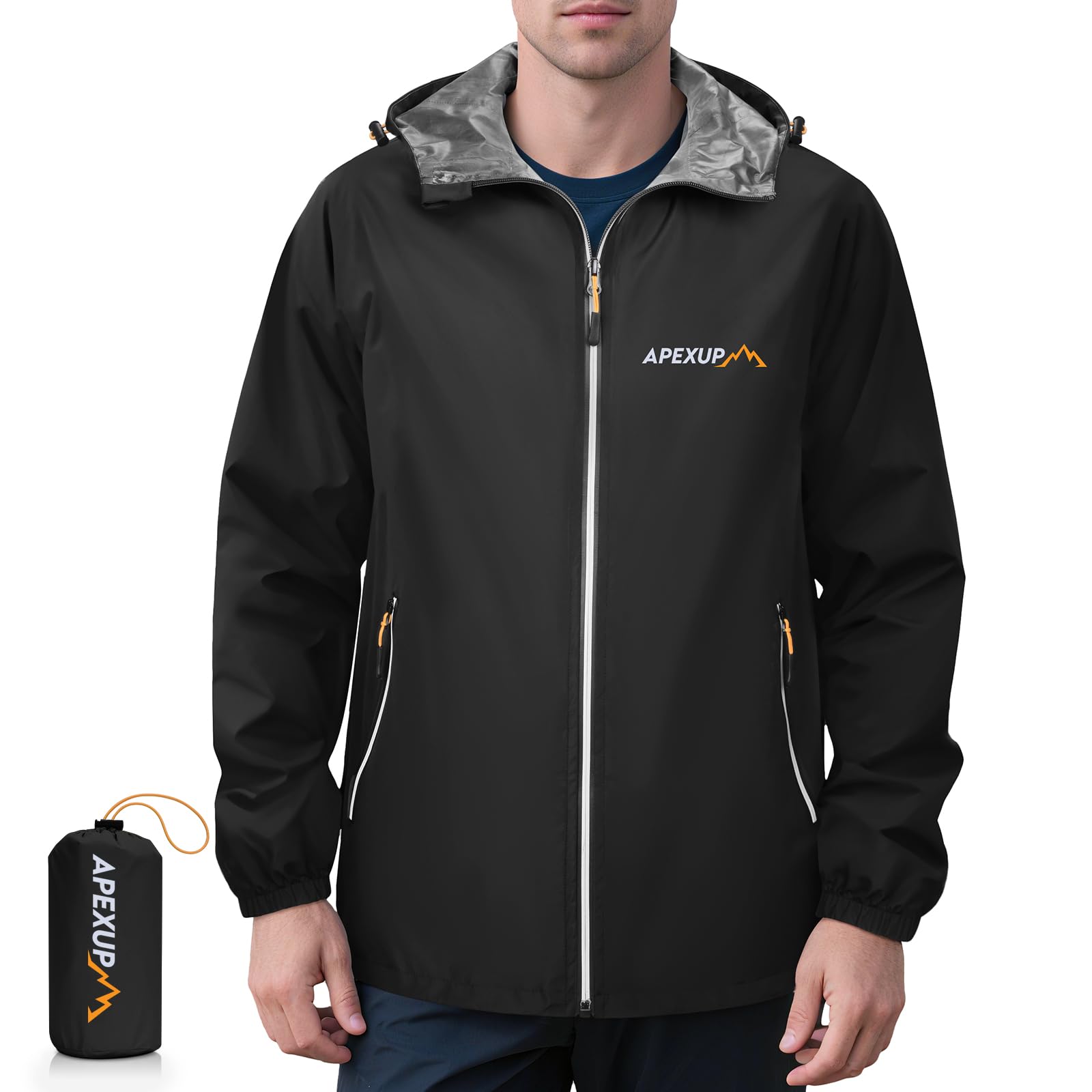
APEXUP Men’s Rain Jacket
Key Features
- Waterproof vs Water-resistant: Water-resistant finish
- Weight & Packability: 8.82 oz, packable
- Hood Design: Adjustable hood
- Sizing Reliability: True to size
- Price: $
At a price that undercuts nearly every rain shell on the market, the APEXUP jacket delivers exactly what you’d expect from a budget emergency layer: it’s lightweight, packs into its own bag, and offers enough water resistance for a sudden drizzle. But the coating struggles in steady or heavy rain, the zipper can catch, and there’s no track record for long-term durability. This isn’t a jacket for commuting or daily wear—it’s a just-in-case spare to stash in your car or backpack for the rare shower that catches you off guard.
Pros
- Exceptionally low price for a packable rain shell
- Lightweight and packs into a small pouch for easy storage
Cons
- Water resistance is limited to light rain; heavy or prolonged exposure lets moisture through
- Zipper can stick or snag, especially after a few uses
Keep one in your trunk or daypack for the occasional unexpected sprinkle—not for regular outdoor use or commutes.
How to Choose
The key to a good rain jacket is a genuine waterproof membrane, not just a water-repellent coating.
Waterproof vs Water-Resistant
A jacket labeled ‘waterproof’ may only have a DWR coating that beads water at first but saturates after 30 minutes in steady rain. Look for taped seams and a waterproof membrane (like Columbia Omni-Tech or Marmot NanoPro) that blocks water from soaking through fabric pores.
For travel and city use, a water-resistant shell is fine if you rarely face downpours. But for hiking or commuting in wet climates, the membrane is essential – it keeps you dry even after hours of exposure.
Weight and Packability
Lightweight jackets (under 1 lb) pack into small pouches and are ideal for travel. The trade-off: ultralight shells often use thinner fabrics that puncture more easily and sacrifice durability. Heavier jackets (like trench styles) offer a more structured look but take up luggage space.
Decide whether you need a jacket that lives in your daypack (go lightweight and packable) or one that serves as your primary outer layer (a sturdier, heavier coat may suit better).
Breathability
Rain jackets trap body heat and moisture. Without ventilation, you’ll feel clammy during activity. Pit zips are the most effective solution – they open underarm panels to release heat. Mesh linings also help but are less effective than mechanical vents.
If you run, hike, or cycle in the rain, prioritize a jacket with pit zips. For casual commuting or errands, a non-vented shell is comfortable enough – the added cost and fabric complexity aren’t worth it.
Hood Design
A poorly fitted hood is a dealbreaker. An oversized hood flaps in wind and blocks peripheral vision; a too-small hood leaves your forehead exposed. Look for an adjustable brim, a cinch at the back, and a fit that lets you turn your head without the hood twisting.
Some hoods are stowable or removable – useful for a cleaner look when rain isn’t falling. Try your jacket on with a hat or helmet if you plan to layer underneath.
Sizing Reliability
Sizing varies wildly across brands. Many jackets run small for a trim athletic fit, while others run large to accommodate layers. Check recent reviews for fit guidance – a jacket that’s too tight under a sweater or too loose in the sleeves will never feel right.
The safest approach: order two sizes and return one. If that’s not possible, size up if you plan to layer, and size down if you want a neat fit over just a T-shirt.
FAQ
Why does my rain jacket leak after a few months?
Most budget jackets use a DWR (durable water repellent) coating that wears off with washing and abrasion. Once the coating is gone, the fabric soaks through. Jackets with a waterproof membrane (like Columbia Omni-Tech or Marmot NanoPro) and taped seams resist water at the fabric level and last longer. Reapply DWR spray every season if your jacket lacks a membrane.
Can I wear a rain jacket as a windbreaker for hiking?
Yes, a rain jacket works as a windbreaker, but it will be less breathable. If you plan to hike with moderate exertion, choose a jacket with pit zips or a mesh lining to vent heat. For light walking, any rain jacket will do. Avoid wearing a heavy waterproof shell as a windbreaker on hot days – you’ll overheat.
Is it worth paying extra for a Marmot or North Face rain jacket vs a budget one?
It depends on your use. Budget jackets ($20–$40) use DWR coatings and are fine for occasional light rain. Marmot and North Face jackets ($80–$130) have waterproof membranes, taped seams, and better build quality – they’ll keep you dry in prolonged downpours and last years. If you commute daily or hike in wet conditions, the extra cost is justified.
How do I know if a rain jacket is truly waterproof or just water resistant?
Check the product description for terms like ‘waterproof membrane,’ ‘taped seams,’ or ‘seam-sealed.’ If it only says ‘water-resistant’ or ‘water-repellent,’ it has a DWR coating that will wet out in steady rain. Also look for a waterproof rating (e.g., 5,000mm or higher) – a membrane jacket will often list this, while a water-resistant one will not.