
This post contains affiliate links. We may earn a small commission when you buy through our links — at no extra cost to you.
Many hiking pants claim to be water-resistant and quick-dry, but after a few trips the zippers jam, the seams split, or the fabric pills. The real challenge isn’t finding a pair—it’s finding one that delivers on its promises for more than a season.
The market splits between budget models that cut corners on zipper quality and fabric thickness (often failing after light use) and premium options that overcharge for brand name. The sweet spot is in the mid-$30 to $50 range, where you get reliable water resistance and stretch without the compromises of either extreme.
This guide focuses on the trade-offs that matter most: whether you prioritize a loose, durable fit for rough trails or a trimmer cut that works for travel and everyday wear. The right pair lasts longer and saves you money in the long run.



Best for All-Round Hiking
BALEAF Water Resistant
Key Features
- Material Blend: Nylon/spandex blend
- Water Resistance: DWR
- Pockets: Zip hand & cargo
- Convertible: No
- Fit: Elastic waist
- Price: $$
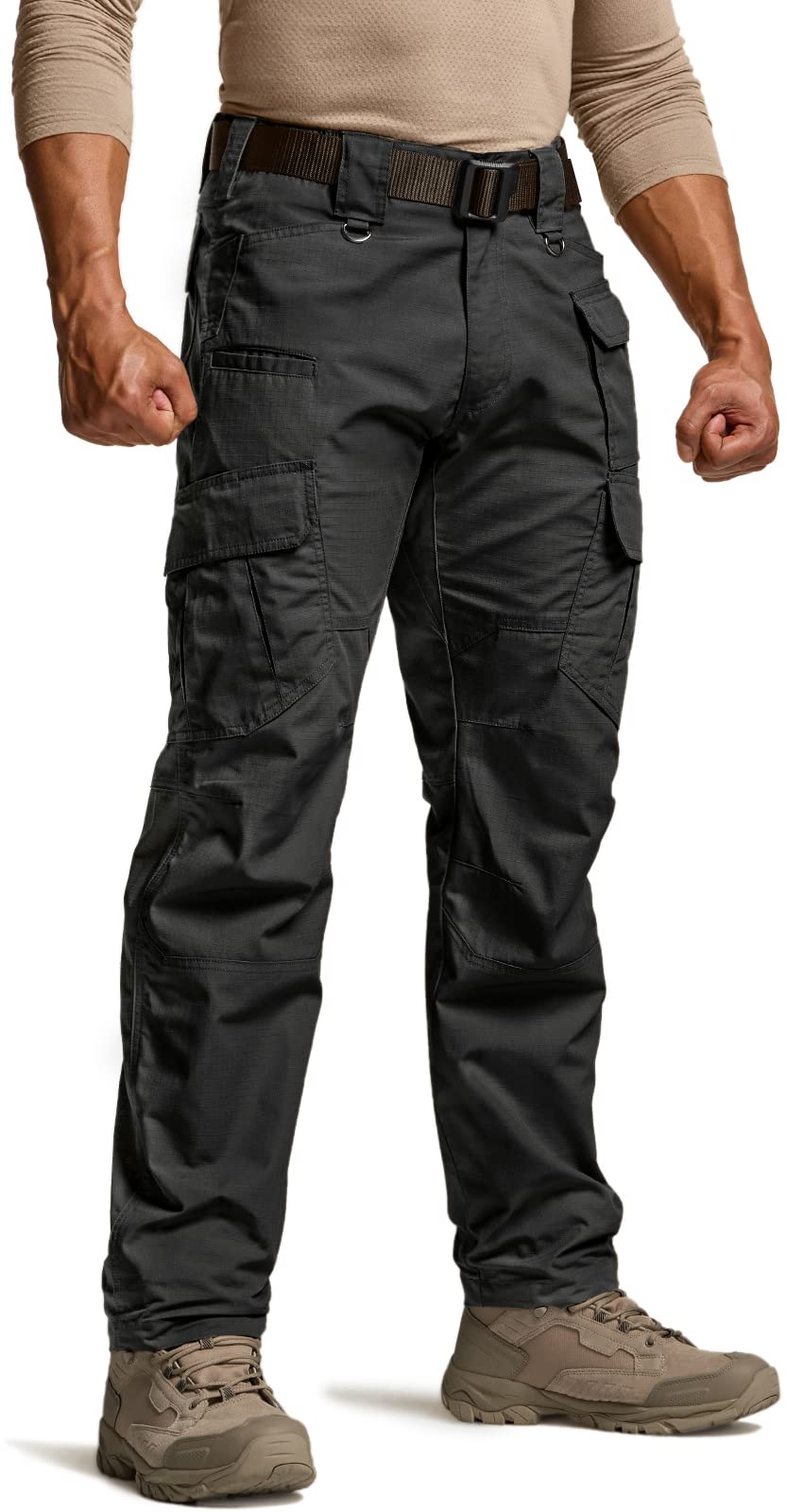
The BALEAF hiking pants combine water resistance, UPF 50+ sun protection, and four-way stretch fabric that moves like activewear. The nylon/spandex blend feels comfortable against the skin and dries quickly after a light rain or stream crossing. The DWR coating handles mist and splashes well, though it’s not built for heavy downpours.
On the trail, the elastic waist with drawstring allows easy adjustments without a belt. Zip pockets secure phone and keys, and the cargo pocket offers extra storage for maps or snacks. The material has enough stretch for scrambling over rocks or stepping across logs. The pants also transition well to casual wear – they look sharp enough for a post-hike meal without screaming ‘hiking gear’.
These pants suit hikers and travelers who want one pair for mixed conditions – sun-exposed trails, light drizzle, and evenings around camp. The UPF 50+ is a genuine benefit on open ridges. Sizing can vary between color options, so trying on or ordering a second size for comparison is wise. For heavy bushwhacking or work-site durability, a tougher pant like the FREE SOLDIER is a better choice.
Pros
- Four‑way stretch fabric moves freely during hikes and scrambles
- Water resistance and UPF 50+ protect against light rain and sun
- Looks clean enough for travel and casual wear after the trail
- Zip pockets keep essentials secure without bulging
Cons
- Sizing can differ between color options; some buyers may need to size up or down for proper fit
One pant that covers water resistance, sun protection, stretch, and travel polish at a fair price – just check the fit across colorways before committing.
Best for Rugged Use
FREE SOLDIER Tactical
Key Features
- Material Blend: 86% Nylon, 14% Spandex
- Water Resistance: Teflon
- Pockets: 1 zippered, cargo no zip
- Convertible: No
- Fit: Relaxed
- Price: $
The FREE SOLDIER tactical pants combine a Teflon water-repellent coating and UPF 50+ sun protection with four-way stretch nylon-spandex fabric, keeping you comfortable on the trail without breaking the bank. Unlike the top pick which offers a slimmer fit, these pants prioritize a looser, baggy cut for those who prefer freedom of movement during active outdoor work or day hikes. The stretch fabric and lightweight build make them suitable for hot weather conditions.
These pants suit budget-conscious hikers and outdoor workers who want water resistance and sun protection without spending mid-range money. The loose fit and non-zippered cargo pockets are tradeoffs — if you need secure pocket closures or a trim silhouette, a different model will serve you better. The included belt is basic but functional; those who need a sturdier belt may swap it out.
Pros
- Four-way stretch and lightweight fabric keep you comfortable during active movement
- Teflon coating provides durable water repellency and UPF 50+ sun protection
- Includes a belt, UPF, and multiple pockets at an entry-level price
Cons
- Cargo pockets lack zippers – items can slip out during active movement
- Waist runs large and legs can feel tight for some builds; overall cut is baggy
A rugged budget option for day hikes and outdoor work when you don’t need zippered pockets or a slim fit.
Best for Hot-Weather Convert
Columbia Silver Ridge Conv.
Key Features
- Material Blend: Nylon ripstop
- Water Resistance: Quick-dry
- Pockets: Zippered hand
- Convertible: Yes (zip-off)
- Fit: Regular (runs small)
- Price: $$
The Columbia Silver Ridge Convertible Pants are built around one priority: staying cool and packable on hot-weather hikes. Unlike the top pick’s water-resistant stretch fabric, the Silver Ridge uses thin nylon ripstop that dries fast and stuffs into a daypack without adding bulk.
For travelers and day hikers who prioritize weight and breathability over ruggedness, these pants deliver. The fit runs slim, especially in the waist and thighs, so sizing up is the norm for anyone with athletic legs. The zip-off legs to shorts are convenient for variable weather, but the seams may not hold up to frequent bushwhacking.
Pros
- Lightweight nylon ripstop packs down small for travel.
- Quick-dry fabric sheds moisture in minutes.
- Breathable construction prevents chafing in hot weather.
Cons
- Seam or pocket tearing may occur with heavy use.
- Waist and thighs are snug; sizing up is recommended for athletic builds.
A strong choice for minimalist travelers and hot-weather day hikers who want a convertible without the weight penalty. Not the pant for repeated trail abuse.
Best for Travel Style
prAna Brion
Key Features
- Material Blend: 97% Nylon, 3% Spandex
- Water Resistance: DWR
- Pockets: 5-pocket, no zip
- Convertible: No
- Fit: Slim straight
- Price: $$
The Brion’s gusseted crotch and four-way stretch provide exceptional mobility for climbing and hiking. While the top pick packs broader weather resistance, this pant focuses on freedom of movement and a finish that blends into casual offices and restaurants.
This pant suits hikers who want a single item for weekend trips and post-hike meals. The slim straight fit can feel restrictive for muscular thighs and too loose for others, so trying on before purchase removes guesswork.
Pros
- Stretch fabric allows full range of motion during climbs and hikes.
- Nylon-spandex blend holds up to regular wear without losing shape.
- Clean design passes for casual office wear after the trail.
Cons
- Fit can vary significantly between body types, requiring trial and error for the right size.
A capable travel-and-trail pant for those who prioritize mobility and a polished look over heavy-duty water resistance.
Best for Durability Pockets
CQR Tactical Pants
Key Features
- Material Blend: Ripstop fabric
- Water Resistance: DWR
- Pockets: Mesh cargo, zippered
- Convertible: No
- Fit: Baggy
- Price: $$
The CQR Tactical Pants prioritize ruggedness and pocket capacity over a modern fit, making them the standout choice for anyone who needs a pant that can take a beating and carry a lot of gear. The ripstop fabric and water-resistant coating hold up well against brush, tools, and rough trails, while the multi-pocket layout (including mesh-lined cargo pockets) keeps essentials secure and organized.
These pants are a good match for hikers, outdoor workers, and EDC users who value durability and storage over a tapered look. The legs run very wide, which is a dealbreaker for anyone wanting a slim or athletic cut — but for those who prefer room to move or need to layer, the baggy fit is a non-issue.
Pros
- Exceptional durability and rugged construction
- Highly comfortable for all-day wear
- Well-designed pocket layout with secure storage
Cons
- Legs run very wide, creating a baggy fit that won’t suit those wanting a slimmer cut
If you need a pant that can carry tools, gear, or trail essentials and withstand repeated abuse, the CQR delivers on durability and storage without breaking the bank.
Best for Wet-Weather
Eddie Bauer Rainier
Key Features
- Material Blend: Nylon/spandex
- Water Resistance: DWR
- Pockets: Zippered hand & leg
- Convertible: No
- Fit: Regular
- Price: $$
The Rainier pants deliver solid DWR water resistance that keeps legs dry through light rain and wet brush, while the nylon/spandex blend remains lightweight and comfortable for active hiking. Unlike the prAna Stretch Zion, which leans toward travel styling, these pants focus squarely on wet-trail performance without the premium price tag.
Best for day hikers and casual outdoor workers who need reliable water resistance without spending much. Sizing varies between colors – some buyers may need to exchange to find the correct fit, particularly with length in certain shades. The back pocket stitching has also shown signs of loosening in some cases; it’s worth inspecting on arrival.
Pros
- DWR coating sheds light rain and repels dirt effectively
- Lightweight fabric with stretch that moves well on the trail
- Build quality feels substantial with durable material and zippers
Cons
- Back pocket stitching may loosen after moderate use
- Sizing runs large and varies between colors, requiring possible exchanges
For hikers who prioritize water resistance over style and don’t mind checking fit across color options, the Rainier is a cost-effective wet-weather choice.
Best for Budget Casual
AIRIKE Elastic Waist

Key Features
- Material Blend: Quick-dry synthetic
- Water Resistance: Quick-dry
- Pockets: 3 zippered
- Convertible: No
- Fit: Elastic waist
- Price: $
The AIRIKE Elastic Waist pants hit a price point that’s hard to beat for comfortable, lightweight pants with zippered pockets. They feel like sweatpants but with a quick-dry synthetic fabric that works well for casual walks or camp lounging. However, the thin material and seam construction aren’t designed for rugged use; pocket seams may separate and the fabric can tear under heavier activity. These are best kept to light day hikes and everyday wear.
Pros
- Exceptional comfort with an easy elastic waist and drawstring
- Great value for the price with useful zippered pockets
Cons
- Thin fabric can tear under stress; pocket seams may separate with active use
For budget-conscious shoppers who need comfortable pants for light day hikes or lounging, these are a good entry point — just don’t expect them to hold up on rugged trails.
Best for Ultra-Budget
Pudolla Lightweight

Key Features
- Material Blend: Quick-dry synthetic
- Water Resistance: Quick-dry
- Pockets: Zippered
- Convertible: No
- Fit: Elastic
- Price: $
The Pudolla pants deliver impressive comfort and a lightweight design that packs down small, making them a practical choice for the gym or a casual day hike. Zippered pockets add security for small essentials. The low price point makes them an accessible entry point for first-time hiking pant buyers. However, durability is limited — these are best suited for light, intermittent use rather than regular outdoor activity.
Pros
- Very comfortable with a fit that works for most body types.
- Lightweight and easy to pack for travel or gym sessions.
Cons
- Pilling and seam ripping after a few washes.
- Sizing can be inconsistent – some find it runs small or large.
A solid option for budget-conscious first-time hikers or gym-goers who prioritize comfort and want zippered pockets, as long as they accept limited durability.
Best for Occasional Convert
Gash Hao Convertible

Key Features
- Material Blend: Quick-dry synthetic
- Water Resistance: Quick-dry
- Pockets: Multiple zippered
- Convertible: Yes (zip-off)
- Fit: Elastic waist
- Price: $
The Gash Hao Convertible offers good value with its zip-off legs, lightweight build, and breathable comfort in humid weather, making it a viable choice for budget travelers and occasional use. However, the leg zippers can be inconsistent to operate and fabric is prone to tearing on branches, so this pant is best reserved for day hikes on well-maintained trails or camp lounging rather than rough terrain or frequent trips.
Pros
- Affordable 2-in-1 design with zip-off legs for quick conversion between pants and shorts.
- Lightweight and breathable fabric stays comfortable in hot, humid conditions.
Cons
- Fabric can snag or tear when brushing against branches, limiting use to open trails.
A decent choice for casual walks and fishing trips, but not for frequent hiking or rugged environments.
Best for Budget Convertible
linlon Convertible

Key Features
- Material Blend: Quick-dry nylon
- Water Resistance: Quick-dry
- Pockets: Multiple zippered
- Convertible: Yes (zip-off)
- Fit: Elastic back
- Price: $$
The linlon Convertible is lightweight and breathable, making it a good match for warm-weather day trips where you want the option to zip off the legs. Its multiple zippered pockets add convenience for carrying small essentials. However, the fit runs small in the waist and long in the legs, so trying on first is advisable. Additionally, zipper performance on the legs and pockets can become inconsistent after limited use, which reduces its suitability for frequent outings rather than occasional use.
Pros
- Keeps you cool in hot weather with breathable, quick-drying fabric.
- Offers two pants in one at a budget-friendly price point.
Cons
- Waist fits snug and legs run long – sizing up may be needed.
- Zipper action on legs and pockets can become inconsistent after limited use.
Best for occasional warm-weather day trips where you can try on first and accept some variability in fit and zipper function.
Best for Mid-Range Convert
Moosehill Convertible

Key Features
- Material Blend: Quick-dry synthetic
- Water Resistance: DWR
- Pockets: 5 deep pockets
- Convertible: Yes (zip-off)
- Fit: Regular
- Price: $$
The Moosehill Convertible offers solid construction and impressive breathability for hot, humid trail days. The quick-dry fabric packs down small, making it a practical choice for day trips where weight matters. However, the zipper quality on the leg conversion and pockets can be inconsistent between units, and the sizing tends to run large with noticeable variation across colors. This keeps it out of the top tier for anyone needing a reliable do-it-all hiking pant, but it works well for budget-focused hikers who prioritize lightweight comfort over long-term durability.
Pros
- Well-made for the price; stitching and fabric hold up on moderate trails.
- Comfortable and breathable in hot, humid conditions during long hikes.
Cons
- Sizing runs large and can vary between color options, making fit uncertain without trying on.
- Zippers on leg conversion and pockets may loosen or fail after repeated use.
A reasonable pick for hikers who need a lightweight convertible mainly for occasional warm-weather day trips and are prepared to check fit and zipper durability before committing.
Best for Casual Hiking
Wrangler Perf. 5-Pocket

Key Features
- Material Blend: Stretch cotton blend
- Water Resistance: Quick-dry
- Pockets: 5 pockets
- Convertible: No
- Fit: Regular
- Price: $
This stretch-cotton pant is comfortable and fits well, making it a solid choice for everyday wear and light trail walking. However, it lacks water resistance and cargo pockets, and durability concerns—possible zipper or button issues, fabric pilling—mean it’s better suited for occasional use than regular outdoor activities. At a budget price, it works for travelers who need one pant for town and easy trails, but it won’t replace a dedicated hiking pant.
Pros
- Comfortable stretch fabric that moves freely without restriction
- Flattering fit with long inseam options accommodates many body types
Cons
- Hardware (zippers, buttons) can fail after limited wear; fabric may pill over time
Best for travelers seeking a budget-friendly pant that handles casual days and easy trails, but not for regular hiking or wet conditions.
Eddie Bauer Guide Pro
Eddie Bauer Guide Pro

The Guide Pro Pants offer excellent stretch and a clean look that suits both hiking and casual office wear. The durable nylon/spandex blend moves comfortably across varied conditions. However, the premium cost doesn’t guarantee flawless hardware – some wearers have encountered button loosening or pocket lining tears after moderate use. For those who value style and comfort over rugged durability, these pants still perform well as a travel-friendly option.
Pros
- Generous stretch and mobility for all-day comfort on trails and in town.
- Polished appearance that transitions easily from hiking to casual office settings.
Cons
- Button attachment can loosen under tension, especially on frequently used waist fasteners.
- Pocket lining may develop tears when carrying heavy items regularly.
Ideal for travelers and hikers who prioritize stretch comfort and a clean style over maximum ruggedness, and are comfortable with the chance of minor hardware wear.
How to Choose
The biggest difference between a hiking pant that lasts and one that disappoints is often the zipper quality and fabric thickness, not the brand name.
Material Blend
Nylon and spandex blends offer the best balance of stretch, breathability, and abrasion resistance. A higher spandex percentage (10-15%) gives you better mobility for scrambling or climbing, but reduces the fabric’s ability to hold a DWR finish over time.
Pure nylon ripstop is more durable and often lighter, but lacks stretch – you’ll notice it when squatting or stepping over logs. Cotton blends look good but absorb sweat and take forever to dry on the trail.
Water Resistance
DWR (Durable Water Repellent) coatings make water bead up and roll off, but they wear off after 10-20 washes. Quick-dry fabrics without DWR will wet out immediately but dry fast – better for warm climates where you don’t mind getting wet.
A Teflon coating (like on FREE SOLDIER) holds up longer than standard DWR but adds a slight stiffness. If you hike in frequent rain, prioritize a pant with a factory-applied DWR and plan to reapply treatment every season.
Pocket Configuration
Zippered pockets are essential for keeping phone, keys, and wallet secure on a bumpy trail or when squatting. But the zippers themselves are often the first failure point on budget pants – look for YKK or branded zippers for better reliability.
Velcro cargo pockets are quieter and easier to access but can lose grip after repeated use. Deep mesh pockets (like on CQR) drain water and sand but let small items slip out. For travel, at least one zippered thigh pocket is non-negotiable.
Convertibility
Zip-off legs give you two pants in one, ideal for variable weather or multi-day trips where weight matters. The trade-off is that the zippers add bulk around the knee, which can feel stiff when hiking or chafe on long descents.
On budget convertibles, the conversion zippers are often the weakest link – they can jam or break after a few uses. If you plan to use the shorts mode frequently, invest in a mid-range model from a known brand where the zippers are reinforced.
Fit
Hiking pants need room in the thighs for stepping and crouching – a classic "athletic fit" with a slightly tapered lower leg works best for most. Baggy cuts offer unrestricted movement but can snag on branches and look sloppy around town.
Elastic waistbands with drawstrings are forgiving for fluctuating weight and are great for lounging, but they lack the secure hold of a belt system – especially when pockets are loaded. Always check the inseam: many budget models run 2-4 inches longer than stated.
FAQ
Why do my hiking pants pill after a few washes?
Pilling happens when low-quality synthetic fibers rub together inside a washing machine. Avoid fabric softeners and wash hiking pants inside-out on a gentle cycle. Air drying also reduces friction. If pilling is already present, a fabric shaver can restore the look, but the underlying wear is a sign the material won’t last as long as denser nylon blends.
Are zip-off hiking pants durable enough for rough trails?
It depends on the zipper quality. On budget convertibles, the knee zippers often jam or separate after a few uses because the stitching isn’t reinforced. Mid-range models like the Columbia Silver Ridge use sturdier zippers that hold up better for day hikes, but for serious bushwhacking or rock scrambling, a non-convertible pant is more reliable.
How do I choose between water-resistant and quick-dry hiking pants?
Choose water-resistant (DWR-coated) if you hike in drizzle or morning dew and want a dry layer for the first hour. Choose quick-dry if you hike in hot weather, cross streams, or expect heavy rain – you’ll get wet anyway, and quick-dry pants dry in 20-30 minutes versus DWR-coated pants that stay damp when the coating fails. For most conditions, a quick-dry pant with a separate rain shell offers the most flexibility.
What is the best inseam length for tall men in hiking pants?
Many budget hiking pants run longer than advertised, often by 2-4 inches. For tall men (6’2"+), look for pants that explicitly offer 34" or 36" inseams, or elastic cuffs that can be rolled. Check user reviews for actual inseam measurements – some brands like Wrangler and Eddie Bauer have consistent 34" options, while off-brands often cut a single 32" length regardless of size.