
This post contains affiliate links. We may earn a small commission when you buy through our links — at no extra cost to you.
Aircraft cabins create a relentless low-frequency drone that can turn a 10-hour flight into an endurance test. The right noise-cancelling headphones do more than play music—they create a personal pocket of quiet. But not every pair handles the specific challenge of jet engines, and marketing specs like ‘100 hours’ rarely tell the full story.
Many travelers discover after purchase that battery life claims drop sharply with ANC on, or that plastic hinges crack under the stress of frequent packing. The real benchmarks for airplane use are deep low-frequency cancellation, clamp force that stays comfortable for hours, and a build that survives the seat-back pocket. This guide focuses on those real-world factors, so you can choose with confidence.



Best for Most Travelers
Bose QuietComfort
Key Features
- Active Noise Cancellation: Excellent low-frequency reduction
- Battery Life (ANC On): 24 hours
- Comfort for Long Flights: Memory foam, 238g
- Build & Hinge Durability: Folding reinforced hinge
- Price: Mid-Range
The Bose QuietComfort headphones deliver active noise cancellation that effectively lowers the low-frequency drone of airplane engines, making long flights noticeably quieter. The plush memory foam ear cushions and lightweight 238g frame allow for hours of wear without pressure points. The ear cushions seal well around most ear sizes, further blocking ambient chatter and seatmate noise. While no headphone eliminates all sound, the reduction is sufficient to listen to audio at lower volumes.
Balanced sound reproduction keeps vocals clear and bass present without overwhelming the mix. The frequency response is neutral enough for podcasts and music alike. The 24-hour battery life with ANC on covers transatlantic flights, and a quick 15-minute charge provides 2.5 hours of playback — enough for a delayed boarding or layover. Multipoint Bluetooth lets you switch between phone and laptop seamlessly. The battery holds up consistently across charge cycles.
These are best suited for frequent flyers who prioritize cabin quiet and all-day comfort over extended battery life or spatial audio features. Some units may exhibit intermittent Bluetooth stutter, especially near crowded gate areas with many wireless devices. The microphone reliability can vary between units, so voice-call quality isn’t guaranteed. We recommend testing both functions soon after purchase. For those who value silence above everything, the QC’s ANC performance rivals more expensive offerings.
Compared to premium-priced alternatives with spatial audio and non-foldable hinges, the QC’s folding design fits easily into carry-on bags. It avoids the bulk and cost of those models while delivering the core ANC and comfort that matter most for air travel. The included hard-shell case is compact and protective, fitting under airline seats. At its mid-range price, it offers a balanced package that remains competitive against newer designs.
Pros
- Reduces airplane engine drone for quieter flights
- Plush memory foam cushions for hours of comfortable wear
- Clean, balanced sound suitable for music and podcasts
- 24-hour battery life with quick charge for long trips
Cons
- In crowded airport terminals or near many wireless devices, Bluetooth connectivity may stutter or drop temporarily
- During calls, the microphone may stop working or cut out on some units, affecting conversation clarity
For travelers who need dependable noise cancellation and comfort for long flights, the QuietComfort delivers without the hinge fragility or excessive cost of alternatives.
Best for Value-Conscious Flyers
Soundcore Space One
Key Features
- Active Noise Cancellation: Adaptive ANC, 98% claim
- Battery Life (ANC On): 40 hours
- Comfort for Long Flights: Soft earpads, 259g
- Build & Hinge Durability: Non-folding plastic
- Price: Mid-Range
Where the top pick relies on a proven but conventional ANC system, the Space One’s adaptive noise cancellation actively adjusts to ambient noise, cutting low-frequency engine drone and nearby voices with precision. LDAC support pushes clean, detailed sound that makes podcasts and playlists feel sharp and immersive — a standout at this level.
The memory foam earpads and 259-gram weight make multi-hour flights easy on the head and ears, while the 40-hour ANC-on battery life shrugs off long-haul round-trips. Quick charging adds hours in minutes, reducing the scramble for outlets at the gate.
Travelers who pack headphones constantly should note two boundaries: the Space One does not fold, so it demands more bag real estate, and while the majority of units hold up, hardware can occasionally stop working after months. For daily commutes or jet-setting, that means carrying a rigid case and keeping a backup cable just in case.
Pros
- Adaptive ANC effectively suppresses engine hum and voices, punching above its class.
- Plush earpads and light build stay comfortable for a full travel day.
- LDAC audio reveals detail and clarity that budget sets can miss.
- 40-hour ANC battery handles multiple flights without mid-trip charging.
Cons
- Bluetooth may stutter momentarily in busy wireless environments.
- A small number of units have been noted to stop working after extended use, a risk for travel reliability.
The Space One gives frequent flyers a powerful blend of adaptive ANC, LDAC sound, and all-day comfort at a mid-range price, so long as the non-folding design and rare hardware hiccup are acceptable tradeoffs.
Best for Anc Purists
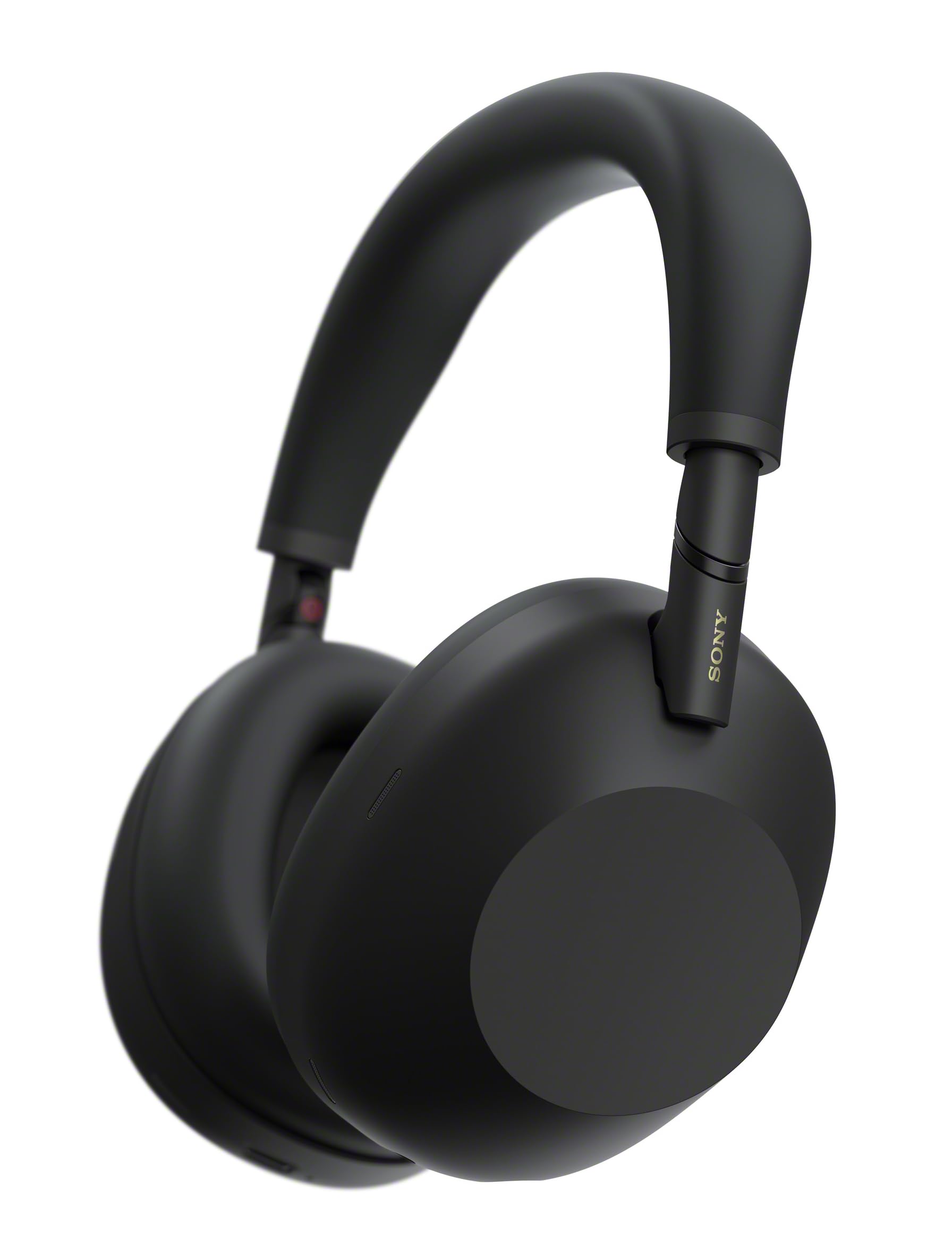
Sony WH-1000XM6
Key Features
- Active Noise Cancellation: Industry-leading, 12 mics
- Battery Life (ANC On): 30 hours
- Comfort for Long Flights: Tight clamp, 254g
- Build & Hinge Durability: Folding plastic hinges
- Price: Premium
The WH-1000XM6’s 12-mic QN3 noise-canceling system crushes low-frequency engine drone with a precision that leaves the lighter travel models in this roundup noticeably behind. Combined with LDAC support and a balanced, studio-tuned sound signature, the headphones deliver audio fidelity that competes with wired monitors.
Battery life stretches to 30 hours with ANC on, and a quick 3-minute charge gives 3 hours of playback — enough to recover between connections. The foldable design packs into an included hard case, keeping it travel-friendly as long as your bag isn’t overstuffed.
The intimate seal from the strong clamp force contributes to the ANC’s edge over looser-fitting models, but after 90 minutes, the pressure may become uncomfortable — particularly for larger heads. The plastic headband has also exhibited occasional cracking near the hinges, raising long-term durability questions for travelers who toss cases into overhead bins.
The XM6 suits ANC purists chasing every decibel of engine drone, accepting that long-haul flights will demand earcup breaks. Sony fans upgrading from older models will appreciate the leap in processing speed and microphone count, but anyone prioritizing multi-hour comfort or premium materials should consider the top pick or the ultra-lightweight alternative.
Pros
- Blocks low-frequency engine drone more effectively than any wireless rival.
- Detailed, balanced sound with LDAC for hi-res streaming at up to 990 kbps.
- 30-hour ANC-on battery with quick charging: 3 minutes adds 3 hours.
- Folds flat into a compact hard case for easy packing.
Cons
- Plastic headband can crack under repeated stress, raising long-term durability questions.
- Tight clamping force may cause discomfort on flights longer than 2 hours, especially for larger heads.
For ANC-first travelers who can tolerate a firm grip, the XM6 delivers the most effective engine-noise reduction available. Those needing all-day comfort or a more durable build will find the top pick a better fit.
Best for Long-Haul Travelers
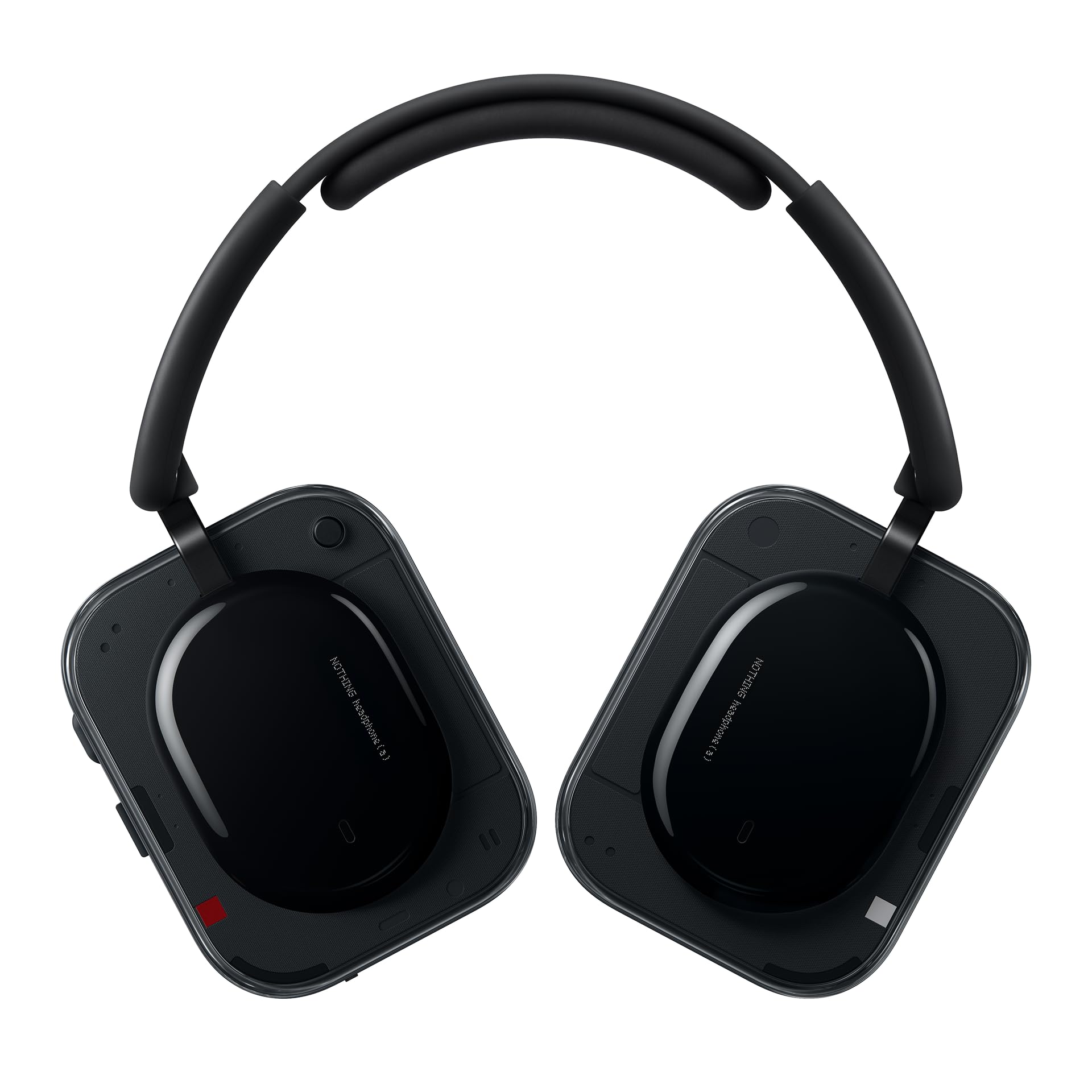
Nothing Headphone (a)
Key Features
- Active Noise Cancellation: Adaptive ANC 4 levels
- Battery Life (ANC On): 75 hours
- Comfort for Long Flights: Soft cushions, 308g
- Build & Hinge Durability: Non-folding, heavier
- Price: Mid-Range
With an industry-leading 75 hours of ANC-on battery life, the Nothing Headphone (a) makes the top pick’s already solid endurance look modest. That’s enough for a round-the-world itinerary without hunting for an outlet, a feat no other mid-range pair matches. The semi-transparent, minimalist aesthetic sets it further apart from the sea of all-black travel headphones.
On a red-eye, the adaptive hybrid ANC dramatically reduces low-frequency engine drone, though it doesn’t vanish as completely as the class leader’s isolation. The 10.9-ounce weight and plush cushions stay comfortable through multiple movies, and the foldable design tucks away without straining a carry-on. Bluetooth 5.4 with LDAC delivers crisp, high-resolution streaming once the sound profile is dialed in.
Style-conscious travelers who treat headphones as an accessory will appreciate the signature look and color options. The tradeoff: out of the box, the audio is flat and polite. Only after diving into the companion app’s EQ does the LDAC-capable driver reveal satisfying detail and bass punch — a non-issue for anyone already tweaking their sound, but an extra step for those used to immediate polish. This is a headphone for battery-first, look-first buyers who don’t mind a little setup.
Pros
- Battery lasts through a full multi-city trip and then some — 75 hours with ANC on.
- Lightweight build and plush ear pads stay comfortable even on 10-hour flights.
- LDAC support unlocks crisp, hi-res audio when paired with a compatible device and adjusted EQ.
- Design stands out with a clean, semi-transparent finish that feels fresh against traditional black.
Cons
- Out-of-box sound is flat; achieving its best audio demands spending time with the EQ app.
Frequent flyers who want to leave their charger at home and enjoy a design-forward look will find the Nothing Headphone (a) a compelling choice — provided they’re willing to tweak the EQ to unlock its full audio potential.
Best for Budget Travelers
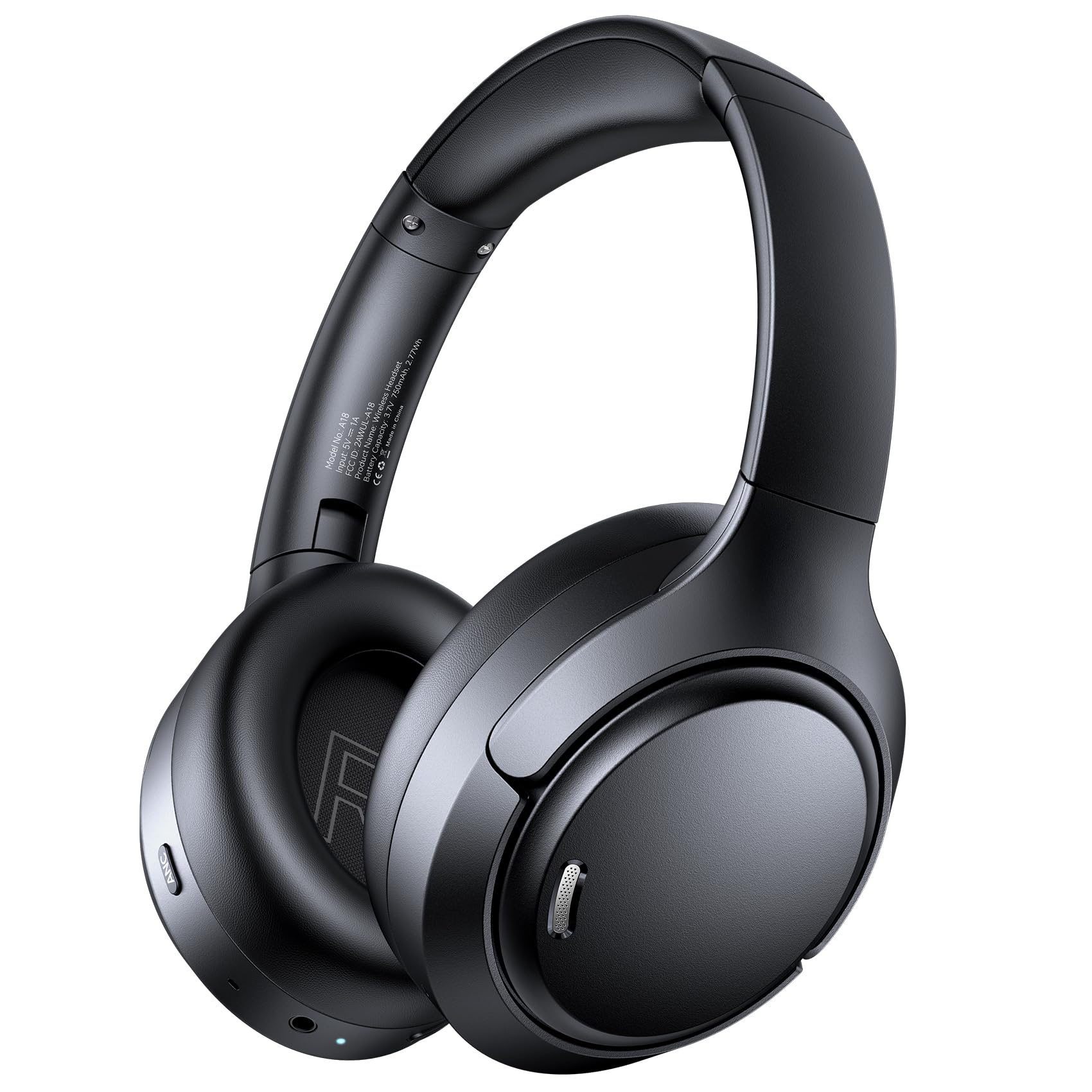
TAGRY A18
Key Features
- Active Noise Cancellation: Hybrid ANC 45dB claim
- Battery Life (ANC On): 65 hours (est.)
- Comfort for Long Flights: Memory foam, 240g
- Price: Budget
The TAGRY A18 puts battery stamina first: 120 hours of playback with ANC off, and roughly 65 hours with noise cancellation active. That translates to multiple long-haul flights without hunting for a charge port, a feat few budget headphones match.
The hybrid ANC targets low-frequency drone typical of aircraft cabins, using a claimed 45dB reduction. Engine hum does fade, though older planes with louder low-end rumble may expose the limits of the processing. Memory foam earcups are plush and breathable enough for overnight use, and the light 240g weight prevents fatigue on extended journeys.
This set is for travelers willing to trade proven long-term reliability for extreme battery life. The brand is lesser-known, and how the hinges and headband hold up after months of cramming into seat-back pockets remains an open question. ANC performance is adequate for reducing steady-state noise, but noise purists seeking the deep silence of flagship models should look elsewhere. For a budget flyer who rarely charges, the A18 plugs a real gap.
Pros
- 120-hour playback (ANC off) covers multi-day trips without ever reaching for a charger.
- Punchy bass and clear highs deliver an engaging soundtrack for movies and music.
- Memory foam earcups with generous padding remain comfortable through red-eye flights.
- Bluetooth 6.0 and included aux cable keep you connected to any in-flight entertainment system.
Cons
- ANC can soften cabin drone but may not fully silence the deep rumble of older aircraft.
- Earcup opening and clamp pressure can lead to an insecure fit for smaller heads, reducing seal.
- Long-term structural durability under frequent travel packing remains unverified.
If your priority is minimizing charging stops on the road and you can accept unverified long-term toughness, the A18 fills a niche no other budget model does.
Best for Lightweight Comfort
Sony WH-CH720N
Key Features
- Active Noise Cancellation: Basic ANC, muffles noise
- Battery Life (ANC On): 35 hours
- Comfort for Long Flights: Lightweight 192g
- Build & Hinge Durability: Plastic, non-folding
- Price: Budget
The WH-CH720N stands out as Sony’s lightest active noise cancelling headphones, weighing just 192g. That featherweight build, combined with a 35-hour battery that easily covers a transatlantic flight, makes them a compelling choice for anyone who finds full-size headphones fatiguing after a couple of hours. Bluetooth 5.2 with multipoint lets you switch between a phone and tablet without re-pairing, and the price sits in budget territory — notably below Sony’s flagship noise cancellers.
The noise cancelling uses Sony’s V1 processor but its effect is more dampening than silence. On a plane, engine drone recedes to a distant hum, though crying babies and cabin chatter still bleed through. For podcasts or music at moderate volume, the reduction is enough to avoid raising the dial, and the headband’s minimal weight means you’ll barely register the headphones after hour three.
These headphones target travelers who prioritize physical comfort and battery longevity above absolute quiet. The plastic construction feels thin, and hinges may develop cracks after repeated packing into a carry-on without a case — a clear trade-off for the weight savings. Anyone needing to sleep on a red-eye will find the bulkier noise-cancelling champs with tighter clamps deliver more low-frequency cancellation, but for softening engine drone while streaming a movie, the CH720N does the job without neck strain.
Pros
- Weighs only 192g, the lightest Sony ANC headphone — barely noticeable during long flights.
- 35-hour battery with ANC on covers even the longest travel days without a recharge.
- Delivers Sony’s noise processing and Bluetooth multipoint at a budget-friendly price.
Cons
- Bluetooth may occasionally drop out in busy wireless environments, requiring a re-pair.
- Active noise cancelling muffles low frequencies but does not create silence; higher-pitched sounds still pass through.
- Plastic build feels flimsy, and hinges can crack after a few months of travel use.
Travelers who find most ANC headphones too heavy for a 10-hour flight will appreciate the CH720N’s featherweight comfort and battery endurance, so long as silence is not the priority.
Best for Premium Upgrade
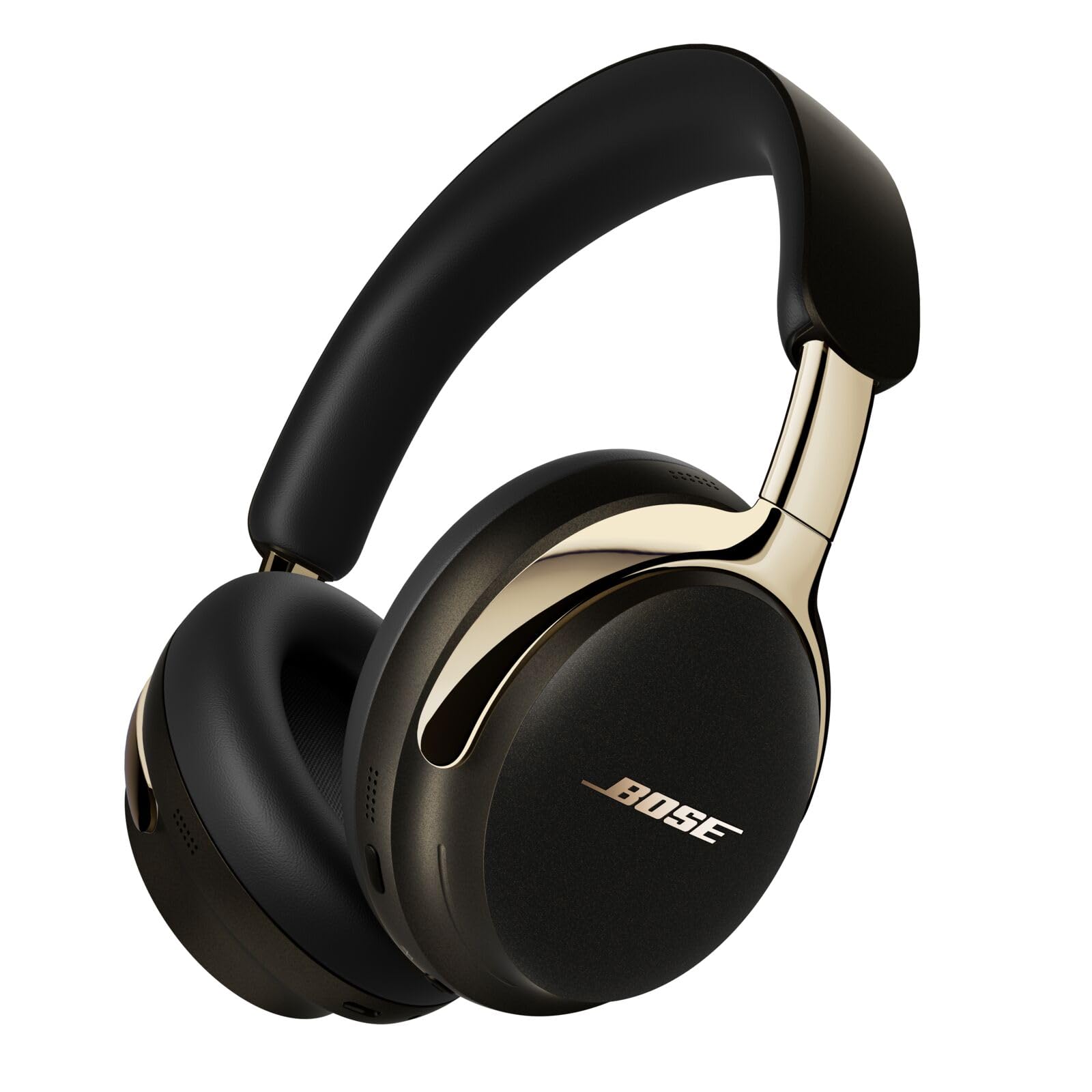
Bose QC Ultra 2nd Gen
Key Features
- Active Noise Cancellation: Bose ANC, similar to QC
- Battery Life (ANC On): 30 hours
- Comfort for Long Flights: Plush, 0.48kg
- Build & Hinge Durability: Non-folding design
- Price: Luxury
The QuietComfort Ultra 2nd Gen delivers Bose’s top-tier noise cancellation, plush ear cushions that stay comfortable through long flights, and spatial audio that creates a wide, immersive soundstage for movies. However, the ANC performance is nearly identical to the less expensive standard QuietComfort, the headphones do not fold flat for packing, and the luxury price is tough to justify for most travelers. The standard QC provides essentially the same noise reduction in a more travel-friendly, budget-conscious package. This makes the Ultra a specialized upgrade for those who prioritize spatial audio immersion above all else.
Pros
- Best-in-class noise cancellation from Bose
- Immersive spatial audio for movies and music on flights
- Very comfortable plush cushions
Cons
- Headband may feel loose during movement, causing the headphones to shift
- Occasional Bluetooth disconnections can interrupt audio in crowded wireless environments
If spatial audio is a must-have and the higher price and bulkier carry are not dealbreakers, the Ultra is a comfortable luxury choice for movie-heavy travelers.
Best for Backup Pair
Soundcore Q20i

Key Features
- Active Noise Cancellation: Entry-level ANC
- Battery Life (ANC On): 40 hours
- Comfort for Long Flights: Memory foam, 245g
- Build & Hinge Durability: Folding plastic
- Price: Budget
The Soundcore Q20i delivers surprisingly effective noise cancellation for a budget-friendly price, with memory foam earpads that stay comfortable during wear and vocals that come through cleanly. But the ANC is entry-level: it muffles office chatter and traffic hum but won’t eliminate the low drone of a plane engine. The fit can also be loose, especially when you tilt your head forward. This makes the Q20i best as a backup pair, for occasional short flights, or for kids who don’t need deep noise cancellation.
Pros
- Effective noise cancellation for everyday sounds at a budget price
- Memory foam earpads provide long-wearing comfort
Cons
- Fit can be loose when looking down – not ideal for active movement
- ANC reduces but does not eliminate low-frequency engine noise
Best left for short hops, as a spare, or for younger listeners – it’s a value pick when expectations are set correctly.
Best for Bose Sound Alt
Baseus Inspire XH1
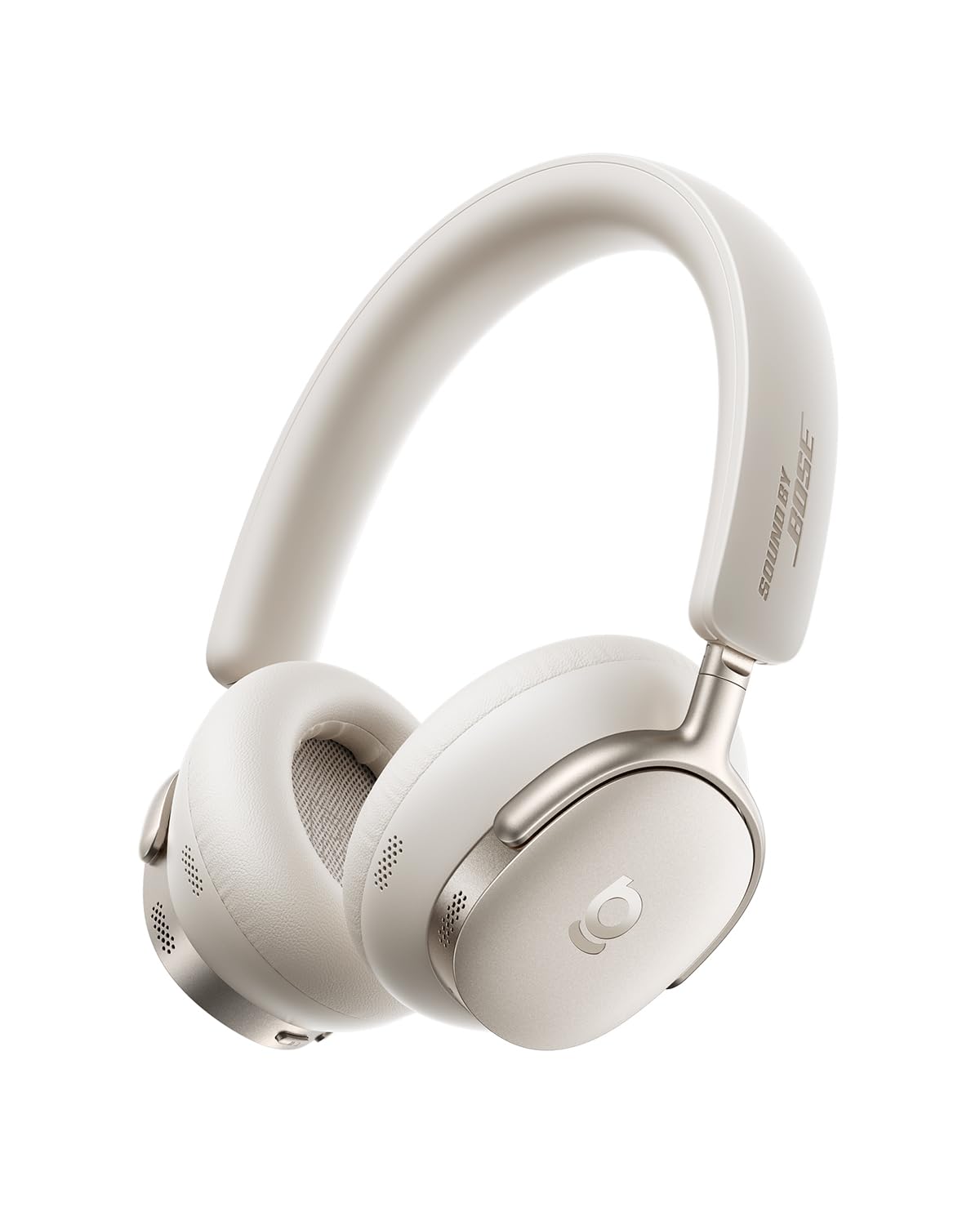
Key Features
- Active Noise Cancellation: Adaptive -48dB claim
- Battery Life (ANC On): 65 hours ANC on
- Comfort for Long Flights: Soft, ~280g
- Build & Hinge Durability: Non-folding design
- Price: Mid-Range
The Baseus Inspire XH1 delivers Bose-tuned sound and adaptive ANC that rival much pricier headphones in quieting engine drone and delivering balanced audio. Battery life stretches to 65 hours with ANC on, covering a week of travel without reaching for a charger. The earpads feel plush over long flights, but the headband is the weak point: its minimal clamp means it may not stay put on smaller heads, shifting during movement. For medium to large heads, the fit is comfortable and stable, making the XH1 a strong value proposition.
Pros
- Adaptive ANC effectively suppresses low-frequency cabin noise, approaching flagship levels
- Battery provides up to 65 hours with ANC or 100 hours without, lasting a full travel week
- Bose-tuned audio yields clear, balanced sound with wide spatial presentation
Cons
- A chemical odor may be present out of the box, requiring a brief airing
- Headband clamping force is low, and the headphones can slide on smaller heads
For travelers with medium to large heads who want Bose-tuned audio and strong ANC without flagship pricing, the XH1 is a standout value; those with smaller heads should opt for the top pick’s more secure fit.
How to Choose
The most important factor is how well the headphones cancel low-frequency engine drone, not just overall noise reduction specs.
Active Noise Cancellation Performance
Airplane noise is predominantly low-frequency rumble (below 500 Hz). ANC drivers produce mirror-image sound waves to cancel that drone, but cheap systems often only attenuate mid-range chatter. For real cabin silence, look for headphones with dedicated feedforward microphones that sample engine noise before it reaches your ear.
Premium models like Sony’s QN3 processor or Bose’s acoustic tuning excel at this, while budget hybrids may let a muddy hum persist. The difference between ‘quieter’ and ‘truly quiet’ lies in that low-end attenuation.
Battery Life with ANC On
Battery specs are often measured with ANC off; the actual runtime with noise cancellation engaged can be 30–50% shorter. A transatlantic flight plus taxiing and delays can easily exceed 10 hours, so a 20–24 hour ANC-on capacity gives a safe buffer without needing a mid-flight recharge.
Comfort for Extended Wear
Earcup padding material and clamp force make or break a 12-hour flight. Memory foam conforms to the shape of your head, reducing hot spots, but a tight clamping force can cause jaw or temple pain. Headphones weighing under 260g generally feel less fatiguing, though some manufacturers add weight with larger drivers and metal arms.
Build Quality and Hinge Durability
The hinge that allows folding is often the first point of failure—plastic components can crack under repeated stress from being stuffed into seat-back pockets. Look for reinforced metal or thick composite hinges if you fly frequently. Non-folding designs avoid this stress point entirely but take up more space in a carry-on.
FAQ
Can noise cancelling headphones actually block crying babies on a plane?
ANC is highly effective against constant, low-frequency sounds like engine hum, but it struggles with sudden, high-frequency noises such as a baby’s cry. The cry will still be audible, just softened. For maximum isolation, combine ANC with white noise or earplugs.
How many hours of battery do I really need for a transatlantic flight?
Plan for at least 20–25 hours of ANC-on runtime to cover a 10–12 hour flight plus unexpected delays. Many budget models achieve 30-40 hours with ANC on, so you’ll rarely need the extreme 100-hour claims that apply only with ANC off.
Are Soundcore headphones as good as Bose for airplane noise?
Mid-range Soundcore models like the Space One offer adaptive ANC that approaches Bose QuietComfort levels and includes useful extras like LDAC audio and longer battery. However, Bose still leads in out-of-the-box comfort and hinge durability, making it the safer long-term investment for frequent flyers.
Why do my Sony WH-1000XM5 headphones keep breaking at the hinge?
The XM5 uses a folding plastic hinge that is prone to stress cracks under normal use, with hundreds of reviews reporting breakage after a few months. If you want Sony’s ANC, the newer XM6 has a redesigned hinge, but the Bose QuietComfort remains a more durable alternative for travelers.