
This post contains affiliate links. We may earn a small commission when you buy through our links — at no extra cost to you.
Every winter, thousands of men buy snow boots that leak at the toe, wear down after a few weeks, or simply don’t fit over thick socks. The problem isn’t bad boots — it’s mismatched expectations. A boot rated to -20°F may be perfect for a Chicago commute but useless for a Quebec ice fishing trip.
The real trick is knowing which specs matter: insulation type, construction height, and how the boot seals against slush. But the most overlooked factor is sizing. Most models run small, and ordering your usual size guarantees cold toes by February.
This guide separates boots that deliver real cold-weather performance from those that look warm on paper. The best choices balance temperature rating, waterproofing, and durability at a fair price — with sizing guidance upfront.



Best for Extreme Cold Climates
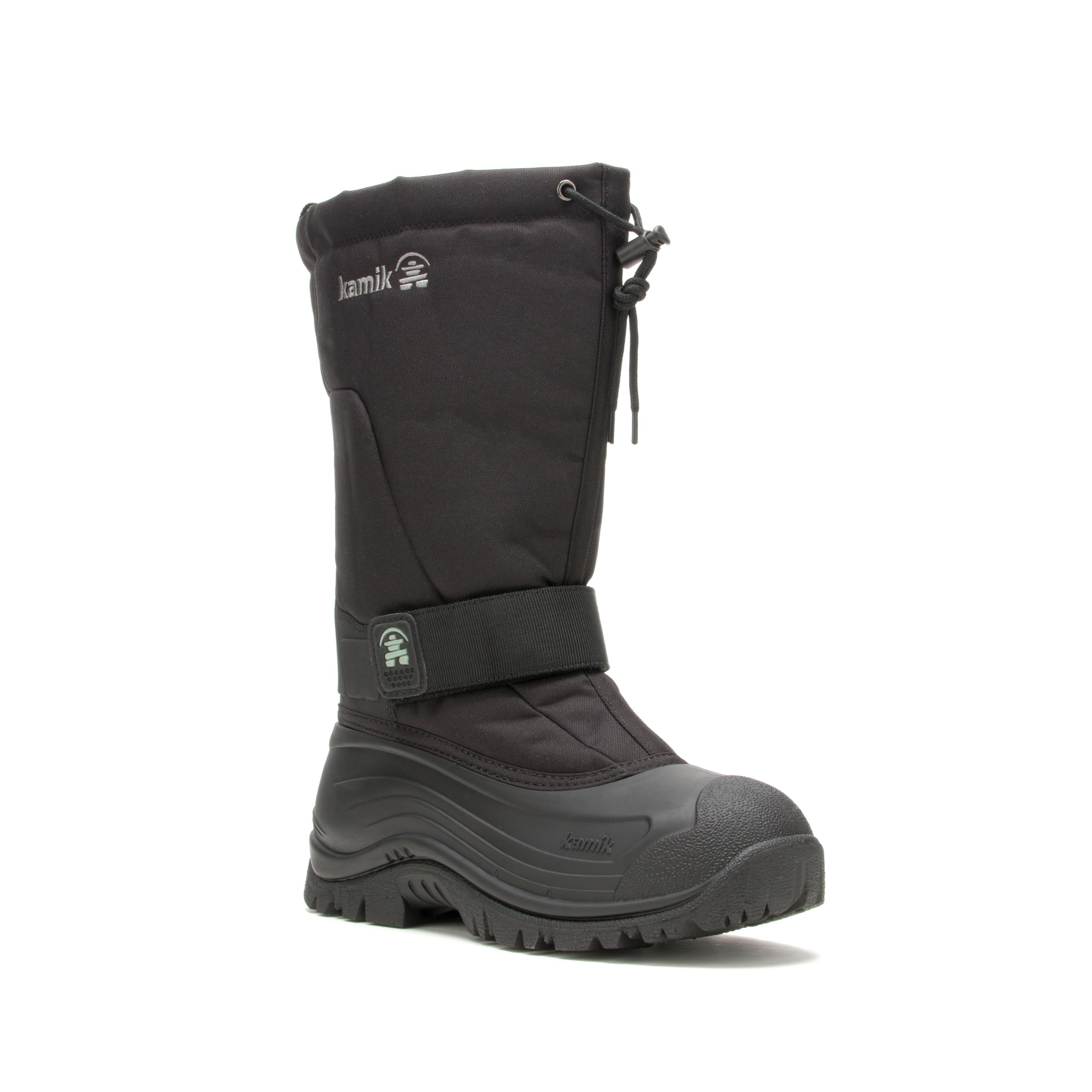
Kamik Greenbay 4
Key Features
- Insulation & Temp: Thermal Guard liner, -40°F
- Waterproof: Rubber shell
- Height: Mid-calf
- Price: $$
With a -40°F temperature rating and strong buyer feedback from harsh climates, the Greenbay 4 keeps feet warm in conditions that freeze lesser boots. The mid-calf rubber shell and Thermal Guard liner seal out snow and slush, while the deep tread holds steady on icy pavement. Pull-on design makes entry quick even with thick gloves.
This boot is built for prolonged exposure to deep cold — daily commutes through northern snow or weekend outdoor tasks. The tradeoff is a fit that runs small, so ordering a full size up is necessary for comfort with thick socks. It’s less suited for very wide feet, as the boot may still feel snug even after sizing up.
Pros
- Keeps feet warm in sub-zero temperatures down to -40°F.
- Solid construction with durable rubber lower resists wear and moisture.
- Easy to pull on and off with good grip on snow and ice.
Cons
- Nylon and liner materials can degrade with extended heavy use, leading to tears or breakdown.
For extreme cold protection without the premium price of removable-liner boots, the Greenbay 4 is a dependable choice — just remember to size up.
Best for Extreme Cold Climates
Sorel Caribou
Key Features
- Insulation & Temp: Felt liner, -40°F
- Waterproof: Rubber shell
- Height: Tall
- Price: $$$
The Sorel Caribou’s thick felt liner and classic silhouette set it apart from the top pick, offering the ability to remove and dry the liner separately — a practical feature for daily use in wet snow. The roomy fit accommodates thicker socks, but the boot runs large enough that many buyers prefer a size down.
This boot suits those who value traditional style and extreme-cold performance (rated to -40°F) over a slim profile. The rubber shell provides reliable waterproofing, though some units may develop cracks at the flex point after a season. It works best for wider feet or those who intend to wear heavy socks, rather than buyers seeking a lightweight, snug fit.
Pros
- Thick felt liner provides exceptional warmth and can be removed for drying.
- Sturdy construction with a timeless look that holds up to heavy snow use.
Cons
- Roomy fit may require sizing down for a secure feel.
- Rubber shell can develop cracks at flex points after extended cold use.
For those who want the removable liner and classic aesthetic, the Caribou delivers proven warmth in extreme cold — just plan for a size adjustment and expect the rubber to show wear over time.
Best for Everyday Snow Use
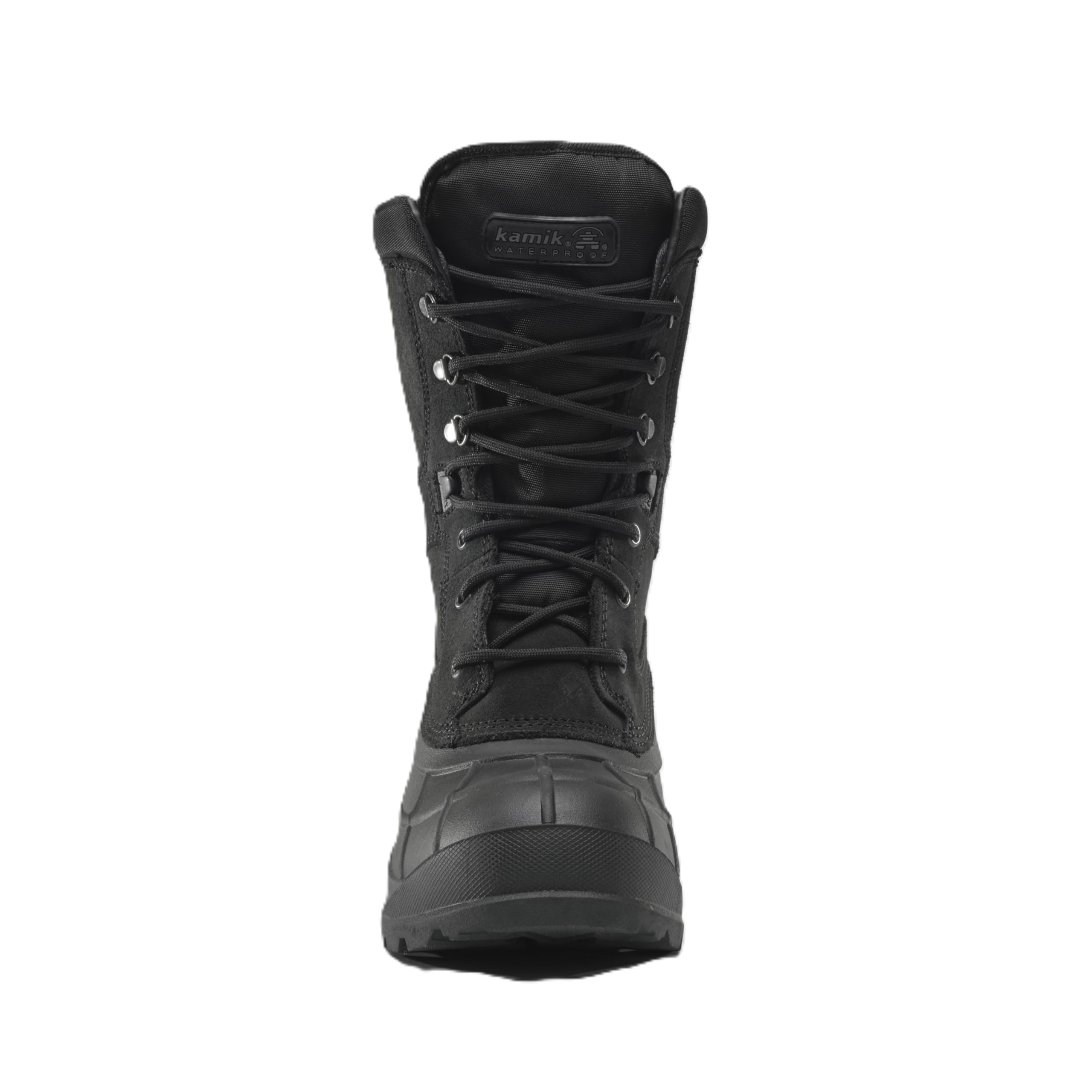
Kamik Nation Plus
Key Features
- Insulation & Temp: Thermal liner, sub-freezing
- Waterproof: Rubber shell
- Height: Mid-calf
- Price: $$
The Kamik Nation Plus delivers reliable grip on ice and snow with a sturdy rubber shell and mid-calf coverage. It’s a more practical choice than the extreme-cold specialist if you don’t face Arctic temperatures, though the insulation is less aggressive. The main catch: the boot runs small, so order at least a full size up, especially if you wear thick socks. Occasional strap or lining wear has been noted, but for routine winter hiking and snow shoveling, this is a dependable mid-range option.
Pros
- Keeps feet warm in sub-freezing conditions
- Solid build quality for the price
- Comfortable and grips well on ice and snow
Cons
- Runs small; sizing up is needed for thick socks
- Strap or lining may show wear over time
This boot’s warmth and grip suit daily winter chores at a fair price, provided you size up.
Best for Deep Snow & Cold
MUCK Arctic Sport Tall
Key Features
- Insulation & Temp: Neoprene upper, extreme cold
- Waterproof: Rubber lower
- Height: Tall (knee-high)
- Price: $$$
This tall boot delivers excellent warmth and waterproofing for deep snow conditions. While the top pick offers even lower temperature ratings, the MUCK Arctic Sport Tall’s knee-high design is better for deeper snow and provides solid insulation for sub-zero temperatures. It is comfortable for all-day wear and keeps feet dry in snow and slush. However, the boot runs large — sizing down is recommended — and some units may develop sole separation after extended use. Best for buyers who prioritize warmth and tall coverage over weight and packability.
Pros
- Keeps feet warm in sub-zero conditions.
- Comfortable for long walks and all-day wear.
- Keeps feet dry in snow and slush.
Cons
- Runs large; ordering a half to full size down is recommended.
- Sole separation can occur after extended use.
A warm, waterproof tall boot for deep snow and outdoor work, but check sizing and be aware that sole durability may not hold up after many seasons of heavy use.
Best for General Winter Use
NORTIV 8 Hiking Snow
Key Features
- Insulation & Temp: Insulated, cold weather
- Waterproof: Claimed membrane
The NORTIV 8 tops the charts for comfort in snow boots, offering noticeable arch support and padded insoles that make long walks feel effortless. Its insulation keeps feet warm in sub-freezing temperatures, making it a strong choice for general winter use and light hiking. However, the boot’s durability is mixed: the sole may wear down sooner than expected, and the back can separate in some cases. Waterproofing also shows variability. This boot is best for buyers who prioritize immediate comfort over multi-season longevity, and who follow the common advice to size up for a better fit.
Pros
- All-day comfort with supportive arch and cushioning.
- Strong warmth for snow and cold conditions.
Cons
- The toe box can feel tight for wider feet; sizing up is recommended.
- The sole and back of the boot may show wear sooner than anticipated.
For buyers who value comfort above all and are willing to treat these as a single-season boot, the NORTIV 8 delivers exceptional cushioning and warmth at a competitive price point.
Best for Easy On/off
SILENTCARE Slip-On
Key Features
- Insulation & Temp: Fur lining
- Waterproof: Claimed
- Height: Mid-calf
- Price: $$
The SILENTCARE Slip-On is built for quick, hassle-free entry with its side zipper and slide-on design. The fur lining keeps feet comfortable and warm, while the lightweight build makes it a practical option for light to moderate winter use. It suits buyers who value convenience for short errands, though the zipper may wear with frequent use and the fit runs narrow — sizing up is recommended.
Pros
- Slip-on design makes putting on and taking off quick and effortless
- Warm fur lining provides comfortable insulation for cold conditions
Cons
Best for those who want slip-on ease for light winter errands, given that the zipper may not hold up under heavy daily use.
Best for Budget Winter Use
NORTIV 8 Winter
Key Features
- Insulation & Temp: Insulated
- Waterproof: Claimed
- Height: Mid-calf
- Price: $$
The NORTIV 8 Men’s Waterproof Winter Snow Boot provides solid warmth and all-day comfort for everyday winter conditions, all at a mid-range price. While the insulation and traction work well for moderate snow and cold, the soles may wear down quicker than expected, and the waterproofing can fade after a season of use. This boot is best for budget-conscious buyers who need a decent winter boot for casual use in light snow, not for heavy-duty or long-term reliability.
Pros
- Good warmth for everyday winter wear
- Solid build quality for the price
- Comfortable with good traction
Cons
- Sole wear may be noticeable after a few months of regular use
- Waterproofing can diminish over time, especially with repeated exposure
A solid value for mild winters, but expect trade-offs in long-term sole and waterproofing durability.
Best for Dry Snow Cold
ALEADER Winter Shell

Key Features
- Insulation & Temp: Fur lining
- Waterproof: Claimed
- Height: Mid-calf
- Price: $$
With 91% positive warmth feedback in negative temperatures, this boot is a heat trap for frigid dry snow. The fur lining and insulation keep feet cozy all day. However, the fit tends to run narrow and small — many need to size up. Waterproofing also can be inconsistent in slushy conditions, so it’s best reserved for dry, cold environments.
Pros
- Excellent warmth for frigid conditions
- Well-made construction for the price
Cons
- Fit runs narrow; sizing up may be needed
Ideal for budget-conscious buyers in dry, cold climates who prioritize warmth and are willing to manage fit by sizing up.
Best for Extreme Cold Climates
Sorel 1964 Pac

Key Features
- Insulation & Temp: Removable felt liner, -40°F
- Waterproof: Rubber shell
- Height: Tall
- Price: $$$$
This boot delivers serious cold-weather performance with a removable felt liner rated to -40°F. The rubber shell and nylon upper feel substantial. However, fit inconsistency means trying on in-store is recommended, and the premium price competes with more consistent options.
Pros
- Strong warmth for extreme cold
- Durable build with quality materials
Cons
- Fit inconsistency can make online ordering a gamble
If you can try on in-store and need extreme cold protection, this boot is a strong option; otherwise, consider a more consistent fit.
Best for Easy On/off
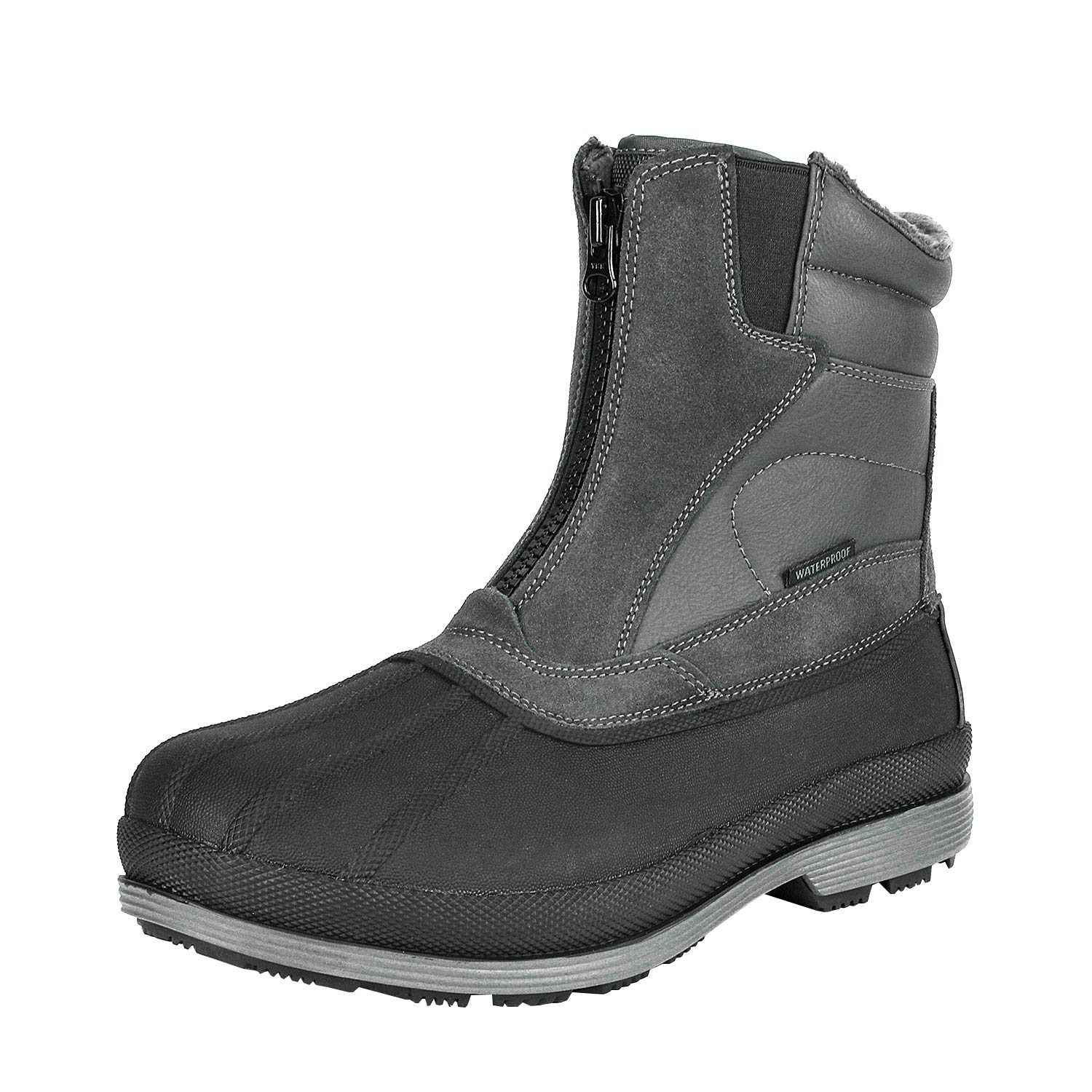
NORTIV 8 Zipper
Key Features
- Insulation & Temp: Insulated
- Waterproof: Claimed
- Height: Mid-calf
- Price: $$
Good warmth and water resistance for the price, with a side zipper that speeds up on/off. The zipper can jam or require careful handling over time, and the ankle fit may be snug for some. These work best for casual winter outings where quick changes matter, but not for daily heavy use in wet snow.
Pros
- Keeps feet warm and dry in moderate winter conditions
- Side zipper makes putting on and removing the boots quick
Cons
- Side zipper mechanism can jam or become stiff with regular use
A budget-friendly option for moderate winter use if you prioritize easy on/off and don’t mind occasional zipper attention.
Best for Tall Budget Boot
NORTIV 8 Tall Fur

Key Features
- Insulation & Temp: Fur liner
- Waterproof: Claimed
- Height: Tall
- Price: $$
The NORTIV 8 Tall Fur delivers good insulation and a tall shaft for dry snow at a low price. The soft lining keeps feet warm during shoveling or short walks. However, the waterproofing can be inconsistent in wet conditions, and the interior lining may degrade over time — it’s a trade-off for the cost.
Pros
- Warm fur lining and tall shaft keep snow out in dry conditions.
- Lightweight build and solid construction for the price point.
Cons
- Waterproofing may not hold up in slush or wet snow; interior lining can break down with regular use.
A budget-friendly tall boot for light, dry winter use — not the right choice if you face wet snow or want multi-season durability.
Best for Occasional Dry Snow
WHITIN Snow Boot

Key Features
- Insulation & Temp: Fur lining
- Waterproof: Claimed
- Height: Mid-calf
- Price: $
The WHITIN Snow Boot delivers surprising warmth and comfort for the price, with a lightweight build and a stylish look that punches above its budget. But the low cost comes with clear tradeoffs: the waterproofing can struggle in slush, and the soles and laces may wear out quickly under repeated use. This boot works best as a backup pair for occasional dry snow or a one-time winter trip — not as a daily driver.
Pros
- Very comfortable and warm for the price — cozy fur lining and light weight.
- Stylish appearance that looks nicer than expected.
Cons
- Soles and laces can deteriorate quickly with regular wear, limiting long-term use.
Consider this only if you need a cheap backup for very occasional dry snow use — not for daily winter wear.
Best for Style on Budget
ALEADER Duck Boot

Key Features
- Insulation & Temp: Fur lining
- Waterproof: Rubber shell
- Height: Ankle
- Price: $
This boot nails the duck boot look at a budget price, with a comfortable lightweight build that suits casual outings. However, durability concerns — the sole and rubber can crack, and waterproofing may leak — mean it’s not suited for heavy snow or daily winter use. It’s a disposable fashion boot for light rain or snow, not a workhorse for serious winter weather.
Pros
- Lightweight and comfortable for all-day wear.
- Affordable alternative to premium duck boot styles.
Cons
- Sole and rubber can crack or separate in cold, wet conditions, limiting lifespan.
Best for buyers who want the duck boot look for occasional dry-weather wear, not for daily winter use or wet conditions.
How to Choose
The most common mistake is ordering your regular shoe size — most snow boots run small, and thick socks add a half size of volume.
Insulation & Temperature Rating
Insulation comes in two forms: synthetic fiber (Thinsulate, Thermolite) and natural felt. Felt liners dry faster and can be removed, but they add bulk. Synthetic liners are thinner and lighter but retain heat even when damp.
Temperature ratings are best-case lab numbers. A boot rated to -40°F will keep you warm standing still, but walking generates heat. For active use, a -20°F rating is often enough; for standing on ice, go lower. Pair with wool socks regardless.
Waterproof Construction
The most reliable waterproofing is a seamless rubber lower that extends above the ankle. Boots that rely on a membrane (e.g., Gore-Tex) can leak through stitch holes if the tongue isn’t gusseted.
In slush, the boot’s height matters more than the membrane — a mid-calf boot with a rubber shell will keep you dry where an ankle-height membrane boot will let water in at the laces.
Boot Height
Ankle-height boots are fine for shoveled sidewalks and light snow, but any step into a drift over 4 inches will send snow over the top. Mid-calf height handles most residential snow, and knee-high boots are for deep drifts or standing in snowbanks.
Taller boots are heavier and harder to pack. If you only need snow boots for a vacation, a mid-calf boot with a tight snow cuff around the leg may be enough.
Traction Pattern
Lug pattern depth and rubber compound matter more than brand names. Deep, widely spaced lugs shed snow and mud better than tight, shallow treads. For ice, look for boots with a rubber compound that stays flexible below 0°F (e.g., Vibram Arctic Grip).
A flat, smooth outsole may be comfortable indoors but will slip on packed snow. Always test traction on a slope before relying on a new boot in icy conditions.
Weight & Ease of Use
Heavy boots (over 3 lbs per boot) retain heat better but fatigue legs over long walks. Light boots (under 2 lbs) are easier to pack but often skimp on insulation and sole thickness.
Side zippers or slip-on designs save time but add a failure point — zippers can jam or break. Lace-up boots are more durable and allow a tighter fit around the ankle to keep snow out.
FAQ
Why do my new snow boots leak at the toe?
If the boot has a rubber lower and the leak is at the toe, the rubber may be cracked from flexing or the seam where the rubber meets the upper is failing. Boots with a membrane-only construction can leak through the stitching if the tongue isn’t sealed. For reliable waterproofing, choose a boot with a one-piece rubber shell that extends above the snow line.
Should I size up for winter boots with thick socks?
Yes. Most snow boots run small, and adding a thick wool sock adds about a half size of volume. Order at least a half size larger than your normal shoe size, and for boots known to run small (like Kamik or NORTIV 8), go up a full size. Your toes should not touch the front when standing.
How long should men’s snow boots last?
With moderate use (2-3 seasons of residential snow), a well-built boot should last 3-5 years. Boots that suffer sole separation or rubber cracking within the first season are defective. Budget boots under $60 often need replacement after one winter. The Kamik Greenbay 4 and Sorel Caribou routinely last 4+ years with proper care.
Are NORTIV 8 boots good for heavy snow?
NORTIV 8 boots offer good warmth and comfort for the price, but their waterproofing and durability are inconsistent. The #1 best seller (Insulated Hiking Snow) is fine for light to moderate snow and dry conditions, but in heavy, wet snow the membrane can leak and the soles may wear down quickly. They are best for occasional use rather than daily deep-snow work.
What’s the best way to dry snow boots overnight?
Remove the insoles and stuff the boots loosely with newspaper or a dry towel. Place them in a well-ventilated room at room temperature — never directly on a heater, which can crack rubber or shrink liners. Boots with removable felt liners (like Sorel Caribou) can be pulled out and dried separately in minutes.