
This post contains affiliate links. We may earn a small commission when you buy through our links — at no extra cost to you.
Many insulated boots claim to be waterproof, but a rubber shell and sealed seams are what actually keep snowmelt out. That gap between marketing and material is why so many men end up with cold, wet feet midwinter.
Sizing is the other hidden trap. Most budget boots run narrow and small, and even mid-range options like the Sorel Caribou require ordering a full size down. Getting the fit wrong means sacrificing either warmth or circulation.
This guide cuts through the spec sheets to highlight boots that use genuine waterproof construction and offer reliable sizing guidance. Knowing which boots combine a proper seal with a fit that works for your foot shape makes the difference between a one-season disappointment and a winter workhorse.



Best for Work & Active Winter
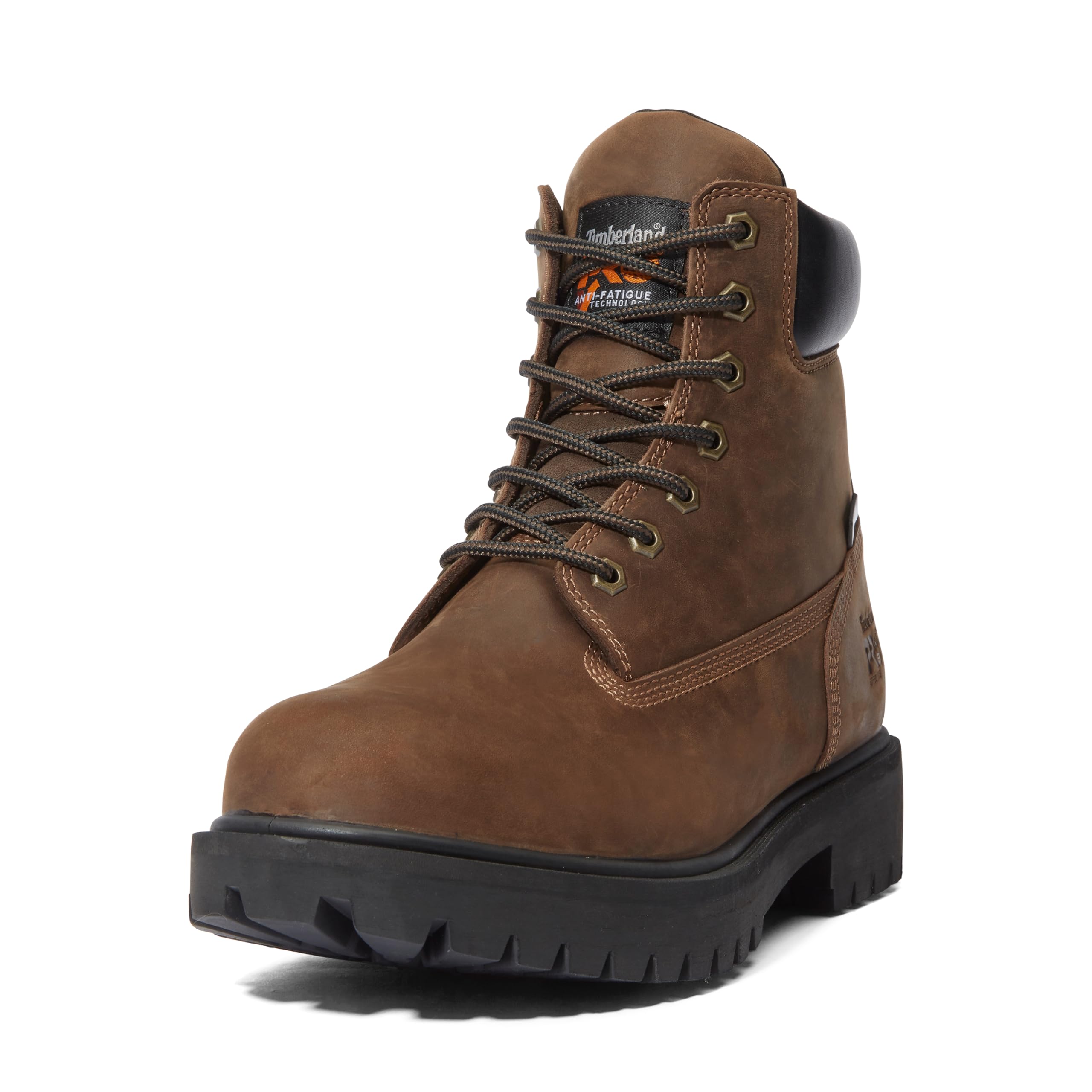
Timberland PRO Direct Attach
Key Features
- Insulation Type: Not specified (warmth confirmed)
- Waterproof Construction: Leather + sealed
- Traction: Rubber outsole
- Height/Support: 6-inch, work boot
- Fit/Width: Wide available
- Price: Mid-Range
The Timberland PRO Direct Attach offers sealed waterproofing and a wide-fit option that accommodates wider feet, while its cushioning holds up through full workdays in cold conditions. Review findings confirm it keeps feet warm in snow and low temperatures — a strong fit for job sites or winter activity.
This boot is best for men who need a rugged insulated boot that doubles as a work boot and winter boot, especially those with wider feet who struggle to find comfortable options. A minority report sole separation after extended use, and some see waterproofing degrade over time — tradeoffs to consider for long-term reliance.
Pros
- All-day comfort and cushioning for long shifts on hard surfaces
- Superior warmth in snow and cold conditions
- Wide fit available for broader feet
Cons
- Sole may separate from upper after extended use
- Waterproofing can degrade over time, leading to leaks
A balanced insulated work boot that delivers comfort, warmth, and a wider fit — the sole-separation risk is a concern for long-term heavy use, but for most it’s a strong mid-range value.
Best for Deep Snow & Subzero
Sorel Caribou
Key Features
- Insulation Type: Removable felt liner
- Waterproof Construction: Rubber shell + leather
- Traction: Rubber outsole
- Height/Support: Mid-calf, snow boot
- Fit/Width: Runs large, size down
- Price: Mid-Range
The Sorel Caribou delivers consistent warmth in extreme cold and deep snow, thanks to a removable felt liner that locks in heat and a waterproof rubber-and-leather shell. It’s best for men facing sustained subzero conditions who don’t mind that the sizing runs large — plan to order a full size down — and that the rubber can develop cracks at flex points after a season of heavy use. Those wanting a precise out-of-box fit or vintage-level rubber longevity should consider the top pick’s more durable construction.
Pros
- Removable felt liner traps heat effectively in subzero temperatures.
- Waterproof rubber shell and leather upper keep feet dry in deep snow.
- Sturdy build holds up well across multiple winters of heavy use.
Cons
- Sizing runs large; ordering a full size down is recommended for a secure fit.
- Rubber shell can develop cracks at flex points after one season of regular use.
For buyers who need reliable warmth in harsh winters, the Caribou delivers — just plan to size down and accept that the rubber may crack in high-flex areas over time.
Best for Budget Warmth
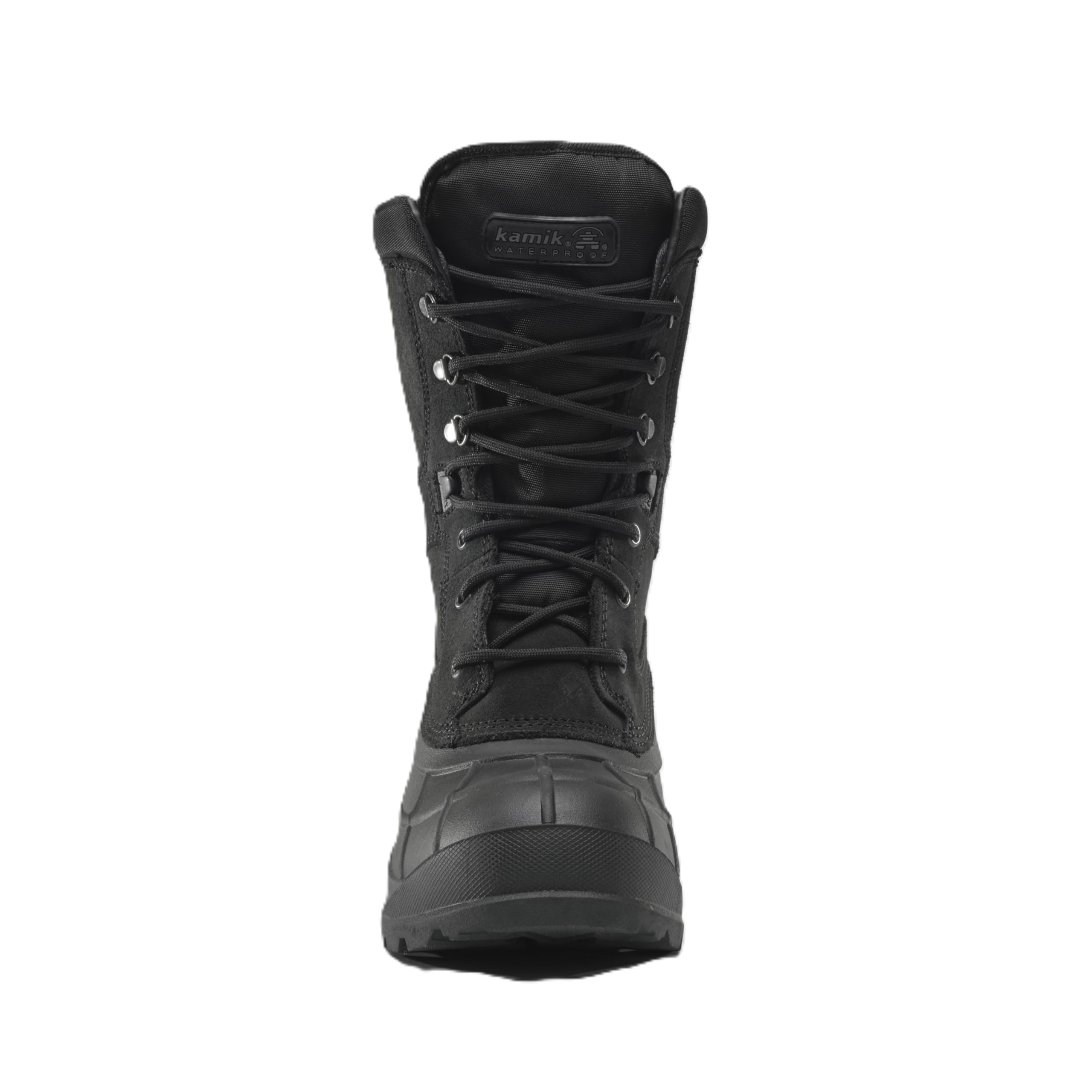
Kamik Nation Plus
Key Features
- Insulation Type: Thermal liner, -40°F rated
- Waterproof Construction: Rubber shell + nylon
- Traction: Aggressive rubber outsole
- Height/Support: Mid-calf, snow boot
- Fit/Width: Narrow, size up
- Price: Budget-Mid
Outstanding thermal performance and high build quality for under $90. The Kamik Nation Plus uses a thermal liner rated to -40°F, keeping feet comfortable in subzero temperatures. The waterproof rubber shell and nylon upper provide solid weather protection, making this boot a strong value compared to pricier options in the set.
This boot suits budget-conscious buyers who need reliable winter warmth and can accommodate a narrow fit that runs small. Sizing up by half a full size is recommended to get the right fit. Construction generally feels well-built for the price, though the back loop and sole can show wear over time under heavy use. Ideal for dry snow and cold environments rather than deep mud or ice.
Pros
- Keeps feet warm in subzero temperatures
- High quality build for the price
- Great value with top thermal performance under $100
Cons
- Fit runs narrow and small; sizing up is recommended
- Back loop and sole can exhibit wear over time
A strong choice for anyone needing winter warmth on a budget, as long as you plan to size up.
Best for Quick On/off
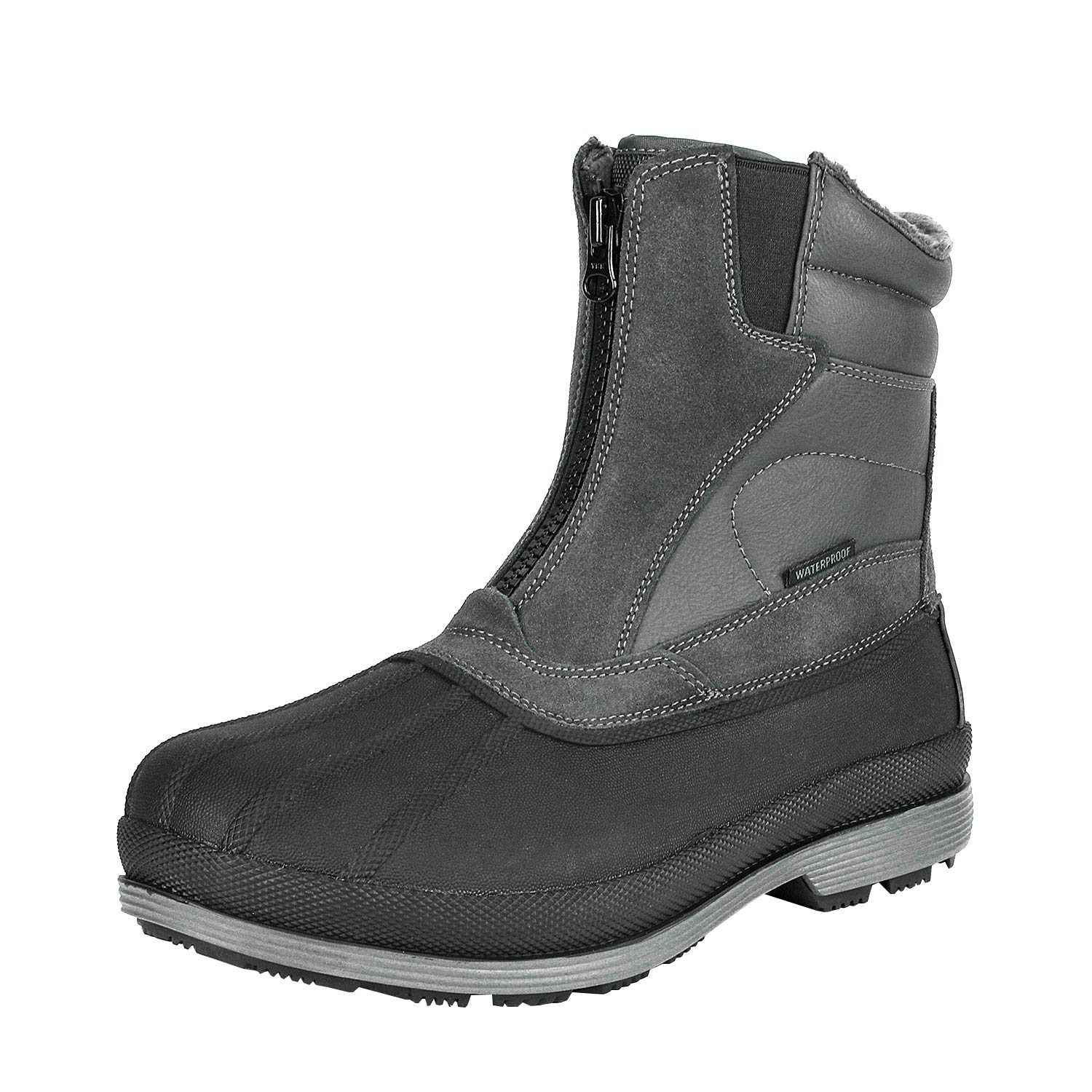
NORTIV 8 Zipper Snow
Key Features
- Insulation Type: Faux fur lining
- Waterproof Construction: Claimed waterproof with zipper
- Traction: Rubber outsole
- Height/Support: Mid-calf, snow boot
- Fit/Width: May be tight in calf
- Price: Budget
The full-length side zipper makes this the most convenient snow boot for daily errands and commuting — no more wrestling with wet laces. Faux fur lining provides enough warmth for typical winter conditions, and the price is hard to beat for a zippered boot.
This boot suits men who want quick on/off for short trips in dry snow and don’t mind checking the zipper occasionally. The ankle and calf area may feel snug for some, and the zipper seam can let water in during slushy conditions — so it’s best reserved for light snow rather than wet, heavy use.
Pros
- Zippered entry makes on/off quick and easy
- Warm enough for typical winter conditions
- Great value for a zippered snow boot
Cons
- Zipper can bind or break with repeated use
- Water may seep through the zipper seam in wet snow
A convenient budget snow boot for short trips in dry snow, but the zipper trade-off means it’s not a daily driver for wet winters.
Best for Cold-Weather Hiking
XPETI Crest Thermo
Key Features
- Insulation Type: 200g Thinsulate
- Waterproof Construction: Waterproof membrane
- Traction: Rubber outsole with lugs
- Height/Support: Mid-rise hiking
- Fit/Width: True to size
- Price: Budget
The XPETI Crest Thermo delivers a sneaker-like feel with 200g Thinsulate warmth, making it a comfortable companion for cold-weather trail hikes. Its lightweight build and zero break-in period appeal to hikers who prioritize comfort over maximum durability or waterproofing. Where this boot falls short: wet snow or puddles can eventually soak through, and build consistency varies — some boots may show early wear under heavy use. This makes it best for moderate cold, dry snow conditions, or casual winter walks rather than deep snow or work sites.
Pros
- Outstanding comfort right out of the box
- Lightweight design ideal for hiking and active use
- Good warmth for moderate cold, even at 20°F
Cons
- Not fully waterproof; wet exposure can seep through after time
- Build consistency varies; some boots may show early wear
For hikers who want warmth and comfort over heavy-duty weather protection, the Crest Thermo hits the mark.
Best for Extreme Cold
Baffin Snow Monster
Key Features
- Insulation Type: Multi-layer, -94°F rated
- Waterproof Construction: Waterproof leather/nylon
- Traction: Rubber outsole
- Height/Support: Mid-calf, snow boot
- Fit/Width: Runs small, size up 1-2
- Price: Premium
The Baffin Snow Monster targets extreme cold conditions beyond what most winter boots can handle — rated to -94°F with a lightweight, comfortable build. For men facing routine subzero temperatures in ice fishing or Arctic expeditions, this boot provides unmatched warmth without the typical bulk. However, sizing runs small (many size up 1-2 sizes) and the lace eyelets can pull out under stress. The premium price reflects its specialization; for everyday winter use, a more balanced option like the Timberland PRO makes more sense.
Pros
- Exceptional warmth in extreme cold, suitable for -40°F and beyond
- Surprisingly lightweight given the heavy insulation, easy to walk in
- Comfortable, slipper-like feel for long hours outdoors
Cons
- Fit runs small, often requiring sizing up 1-2 sizes
- Lace eyelets can pull out under stress, reducing boot lifespan
If -40°F is a regular occurrence, this boot delivers; otherwise, the sizing quirks and premium price make it a niche choice.
Best for Mild Winter Use
ALEADER Snow Boot

Key Features
- Insulation Type: Faux fur lining
- Waterproof Construction: Claimed waterproof shell
- Traction: Rubber outsole
- Height/Support: Mid-calf
- Fit/Width: Narrow, size up
- Price: Budget
The ALEADER Snow Boot provides impressive warmth for its budget-friendly price, making it a practical choice for occasional light snow and quick outdoor chores. Its narrow fit may require sizing up, and the waterproofing can diminish over time, while durability is limited under regular heavy use. These boundaries mean this boot is best suited for infrequent wear in dry, moderate winter conditions rather than daily work or wet snow.
Pros
- Keeps feet warm in mild winter conditions at a low price
- Good value for occasional snow shoveling or errands
Cons
- Fit can be narrow, making a size up necessary for a comfortable feel
For occasional dry snow use on a tight budget, this boot delivers adequate warmth despite its fit and durability tradeoffs — but not for wet or daily winter wear.
Best for Casual Snow Use
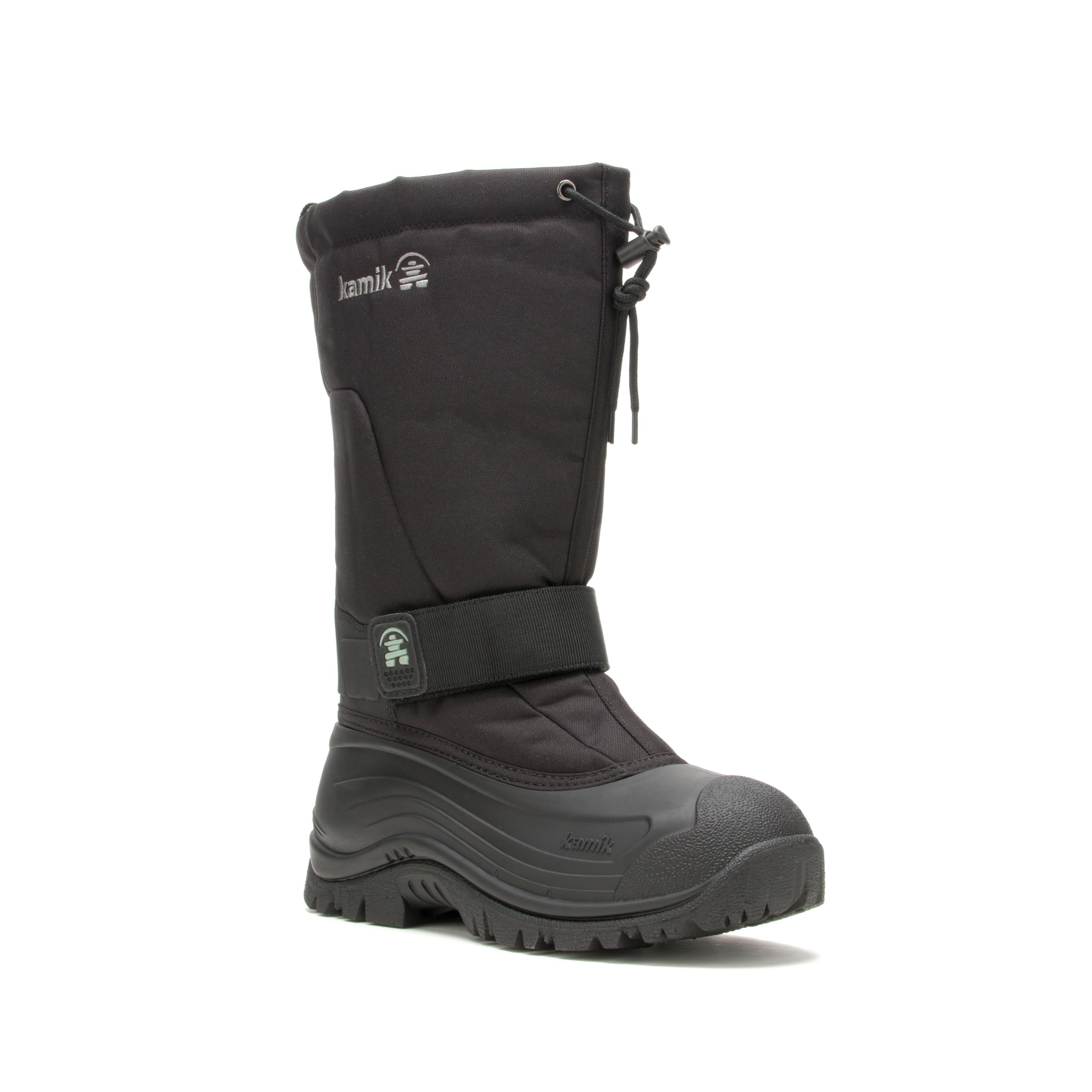
Kamik Greenbay 4
Key Features
- Insulation Type: Thermal Guard liner, -40°C
- Waterproof Construction: Waterproof nylon + rubber
- Traction: Rubber outsole
- Height/Support: Mid-calf
- Fit/Width: Narrow, size up
- Price: Budget
Easy on/off and good warmth for casual snow use at a low price. However, the fit runs small (sizing up may be needed for thick socks) and durability concerns with nylon tears and liner disintegration keep it behind the Kamik Nation Plus for value.
Pros
- Warmth keeps feet comfortable in deep snow and cold.
- Quick on/off with Velcro strap for convenience.
Cons
- Fit runs small; sizing up may be necessary with thick socks.
A good fit for budget-conscious buyers needing a warm snow boot for occasional use, provided they size up.
Best for City Winter Style
Sorel 1964 Pac

Key Features
- Insulation Type: Removable felt liner
- Waterproof Construction: Waterproof nylon + rubber
- Traction: Rubber outsole
- Height/Support: Mid-calf
- Fit/Width: Inconsistent fit
- Price: Premium
The Sorel 1964 Pac brings a stylish retro look to winter footwear while staying lightweight and warm for city commutes. However, the fit can be unpredictable – some need to size up, others down – and the removable felt liner may slip out when removing the boots. It also lacks the insulation for deep snow or subzero temperatures, making it a niche choice for moderate winters rather than extreme conditions.
Pros
- Lightweight build retains heat well for moderate winter conditions.
- Retro design suits urban winter fashion.
Cons
- Fit varies between sizes and the removable liner may dislodge when pulling off the boot.
Best for style-focused men who walk the city in moderate winter and can handle fit trial-and-error.
Best for Wet Work Sites
MUCK Arctic Sport

Key Features
- Insulation Type: Neoprene + fleece
- Waterproof Construction: Rubber shell, 100%
- Traction: Rubber outsole
- Height/Support: Mid-calf, work boot
- Fit/Width: Roomy for narrow?
- Price: Mid-Range
The MUCK Arctic Sport delivers a completely waterproof rubber shell and steel toe protection for farm and ranch work, with effective warmth retention in wet conditions. Some boots have been reported to experience sole separation after months of use, making durability a concern for long-term wear.
Pros
- Warmth retention in wet and cold conditions
- Waterproof rubber construction
Cons
- Sole separation can occur after months of use in some cases
Best for farmers and ranchers needing steel toe and waterproofing in wet, cold conditions, but plan for possible sole separation within a season.
Best for Wet Yard Work
MUCK Arctic Excursion

Key Features
- Insulation Type: Neoprene + fleece
- Waterproof Construction: Rubber shell, 100%
- Traction: Rubber outsole
- Height/Support: Ankle height
- Fit/Width: True to size
- Price: Mid-Range
Slips on easily and keeps feet dry in rain thanks to full rubber construction, with cushioning similar to sneakers. However, warmth is limited to mild temperatures — freezing snow or extended cold will leave feet cold. Reports of sole separation after some use mean this is best reserved for light, occasional tasks rather than daily wear.
Pros
- Slips on and off like a rubber shoe with minimal effort.
- Waterproof rubber shell keeps feet dry in rain and puddles.
Cons
- Sole separation can occur over time, reducing long-term durability.
A practical slip-on for quick yard chores in mild wet weather where warmth and extended longevity aren’t essential.
Best for Dry Snow Budget
NORTIV 8 Tall Snow

Key Features
- Insulation Type: Fur liner
- Waterproof Construction: Claimed waterproof
- Traction: Rubber outsole
- Height/Support: Mid-calf tall
- Fit/Width: Narrow, size up
- Price: Budget
This budget-friendly tall boot delivers genuine warmth from the soft fur liner, making it a comfortable companion for quick trips in dry, cold snow. The low price is appealing, but the waterproofing falls short—moisture can seep in through the upper in slush or wet snow, and the sole may wear down sooner than expected. Best suited for occasional dry snow shoveling rather than all-day exposure or wet conditions.
Pros
- Keeps feet warm in dry cold with a soft fur lining.
- Budget-friendly price for a tall insulated boot.
Cons
- Water seeps in through the upper in wet snow or slush – best reserved for dry conditions.
A suitable choice for occasional dry snow shoveling when budget is the primary concern.
How to Choose
The biggest mistake is assuming ‘insulated’ means waterproof—these are independent features that need separate verification.
Insulation Type and Weight
Insulation falls into two families: synthetic materials like Thinsulate and felt/pile liners. Thinsulate retains its loft when damp and packs thinner, making it ideal for active use where weight matters. Felt liners trap more air for extreme static cold but absorb moisture and take days to dry.
The gram weight (e.g., 200g, 400g) correlates roughly to temperature rating, but layering and foot geometry matter more. A boot with a removable liner gives you the option to swap in a dry liner or switch to a lighter one for milder days—a useful feature for multi-day trips.
Waterproof Construction
A rubber shell is the only true waterproof barrier—sealed membranes offer water resistance that degrades with wear and seam stress. Many budget boots labeled ‘waterproof’ use a spray-on coating that fails after a few uses in slush.
Look for boots that explicitly state a rubber lower or one-piece rubber shell. If the construction relies on taped seams or a membrane alone, expect leaks after prolonged exposure to wet snow or puddles.
Outsole Traction
Rubber compounds vary widely: soft lugs grip ice but wear faster on pavement; hard compounds last longer but slide on packed snow. Boots with deep, widely spaced lugs shed snow better than dense patterns that pack solid.
For icy conditions, look for boots with a ‘slip-resistant’ outsole or those that mention Arctic grip. A few models incorporate micro-spikes or studs, but these can be loud indoors and wear quickly on concrete.
Height and Ankle Support
Higher boots (mid-calf and above) provide better snow blockage and more ankle stability when carrying loads, but they restrict calf flex and can cause chafing on long walks. Ankle-height boots are lighter and more flexible but let snow in if you step deeper than the cuff.
If you’ll be walking on uneven terrain or shoveling, a 6-inch or taller boot with a lacing system that locks the heel is worthwhile. For driving and quick errands, a shorter boot saves time and frustration.
Fit Accuracy and Width Options
Sizing is the most common source of buyer regret in this category. Boots with removable liners tend to run a full size large because the liner compresses over time. Fixed-insulation boots often run small to create a snug seal.
Wide-foot buyers should filter specifically for boots available in wide (2E/4E) sizing. Many standard-width boots are built on narrow lasts, and even sizing up gives you extra length, not width. Always try with the socks you intend to wear.
FAQ
Why do some insulated boots lose their waterproofing after a few months?
Most budget boots use a taped-seam membrane rather than a rubber shell. Over time, the tape delaminates and seams stretch, letting water through. The only permanent solution is a boot with a one-piece rubber lower—those maintain waterproofing for years with basic care.
How much warmer are felt liners compared to Thinsulate in men’s snow boots?
Felt liners can be warmer in truly static cold because they trap more dead air, but they become heavy and hold moisture. Thinsulate performs better in active use—it retains loft when damp and packs down less. For sitting still in subzero temperatures, felt wins. For hiking or shoveling, Thinsulate is more comfortable and practical.
Can I wear insulated hiking boots for everyday winter walking, or do I need a dedicated snow boot?
Insulated hiking boots like the XPETI Crest Thermo work well for packed snow and cold-weather walks, but they lack the tall rubber cuff to keep deep snow out and are less waterproof for prolonged slush. A dedicated snow boot with a rubber shell is better if you regularly deal with wet, deep snow or standing water.
What causes the soles to separate on winter boots and can it be prevented?
Sole separation is often caused by a poor bond between the rubber outsole and the upper, accelerated by flexing in cold temperatures. It’s a manufacturing defect in many budget boots. Preventive steps include storing boots in a temperature-controlled area and avoiding frequent bending of the sole, but if separation occurs early, it’s best to return the boot.