
This post contains affiliate links. We may earn a small commission when you buy through our links — at no extra cost to you.
A waterproof boot that leaks after a few months is worse than no boot at all. Many rain boots prioritize style over sealing, and hiking boots marketed as waterproof often fail at the flex points. The result is a closet full of damp socks and frustration.
This guide cuts through the hype by focusing on what actually keeps feet dry over time: sealed seams, proven membrane construction, and materials that resist cracking. Whether you need a boot for muddy trails, snowy commutes, or wet barn chores, the right choice depends on matching the build to your terrain — not the label.
The boots here are the ones that earned their reputation through consistent performance across thousands of users, not just a pretty listing page.


Best for Hiking Day Trips
Columbia Newton Ridge WP
Key Features
- Waterproof Reliability: Omni-Tech membrane
- Traction: Lugged rubber outsole
- Fit Consistency: Narrow fit
- Material Durability: Leather upper
- Price: $$
The Omni-Tech membrane sheds water effectively on wet trails and through shallow streams, while the padded collar and insole offer stable arch and ankle support over miles of hiking. The leather upper and cushioning combine to keep feet dry and comfortable, with few blister complaints even during the initial break-in period.
This boot suits hikers who need a single pair for rain, light snow, and moderate trails. The fit runs narrow, so those with wider feet should expect a snug toe box. The leather also needs a few wears to soften — not a zero-break-in boot, but the payoff is a secure feel once broken in.
Pros
- Waterproofing handles puddles and light streams without soaking through.
- Comfort that avoids blisters during and after the break-in period.
- Ankle and arch support keep feet stable on uneven terrain.
Cons
- Toe box can feel tight for those with wider feet — try sizing up or look for wide models.
- Stiff leather demands a few wears to soften before reaching full comfort.
A solid mid-range choice for hikers who value waterproofing and comfort over instant fit — the break-in is short and the performance consistent.
Best for Day Hiking
Merrell Moab 3 Mid
Key Features
- Waterproof Reliability: M Select DRY membrane
- Traction: Vibram outsole
- Fit Consistency: Wide sizes available
- Material Durability: Leather/mesh upper
- Price: $$
The Moab 3 Mid delivers immediate comfort from the first wear, with ankle support that feels secure on uneven terrain. Unlike the top pick’s more aggressive waterproofing, this boot prioritizes a lower weight and a no-blister fit for day hikes and light backpacking. It suits hikers with wider feet (wide sizes available) and those who value zero break-in over heavy-duty wet weather protection. However, the waterproof membrane is best for light rain and shallow puddles – deep stream crossings will eventually let moisture in. The toe box may also feel tight for very wide feet despite the wide option.
Pros
- Comfort from day one with no blister break-in period
- Supportive ankle and arch for stability on uneven trails
Cons
- Waterproofing holds up for light rain but may seep through in deep puddles
- Toe box can feel snug for feet on the wider side, even in wide sizes
A capable mid-range boot for day hikers who want immediate comfort and wide sizing, provided wet conditions stay shallow.
Best for Barn Work, Riding
Ariat Terrain WP
Key Features
- Waterproof Reliability: Waterproof leather
- Traction: Standard rubber outsole
- Fit Consistency: Roomy fit
- Material Durability: Full-grain leather
- Price: $$$
While the top pick offers all-around versatility for hiking and rain, the Ariat Terrain prioritizes durability and comfort for equestrian work and rugged hiking. The full-grain leather and supportive construction keep feet pain-free even after long days on the job or trail.
Best suited for riders, barn workers, and hikers who need a boot that withstands demanding conditions. The outsole provides limited grip on wet pavement, and sizing can run large — trying a half-size down may improve fit.
Pros
- Comfort holds up through long days of barn chores or trail miles
- Full-grain leather construction stands up to heavy work and repeated use
- Works well for horseback riding, hiking, and daily barn duties
Cons
- On wet slick surfaces like pavement or smooth rocks, grip is limited — better suited for dirt and grass
- Sizing can be inconsistent; some find the boot roomy enough to warrant ordering a half-size down
For equestrian and heavy-duty outdoor work where comfort and durability matter more than traction on wet pavement, the Ariat Terrain delivers. Just verify sizing and watch your step on slick ground.
Best for Snow, Winter Walks
Columbia Ice Maiden II
Key Features
- Waterproof Reliability: Omni-Tech membrane
- Traction: Lugged outsole
- Fit Consistency: Narrow fit
- Material Durability: Synthetic/leather
- Price: $$
The Ice Maiden II delivers strong warmth and sneaker-like comfort for snow shoveling and winter walks, making it a better fit than a general hiking boot for cold-weather chores. It handles moderate cold and cold rain well, but the outsole can slip on pure ice — adding aftermarket cleats addresses this — and the narrow fit may not suit wider feet without sizing up. It is not intended for extreme cold below -20°F or technical ice trekking.
Pros
- Keeps feet warm in snow and below-freezing temperatures
- Cushioned feel similar to a sneaker for everyday winter walks
- Traction on snow and soft ice is good; works well with added cleats on glare ice
Cons
- On pure ice the outsole can slip — aftermarket cleats are a practical fix
- Fit runs narrow and may feel tight for those with wider feet
A warm, comfortable snow boot for moderate winters that works best with ice cleats for traction on glare ice.
Best for Boating, Wet Decks
Xtratuf Ankle Deck
Key Features
- Waterproof Reliability: Neoprene/rubber
- Traction: Slip-resistant sole
- Fit Consistency: Runs large, size down
- Material Durability: Neoprene/rubber
- Price: $$
The Xtratuf Ankle Deck boots prioritize easy on/off and cushioned comfort for wet surfaces, making them a practical choice for boating, fishing, and yard work rather than trail hiking. The interior padding keeps feet comfortable during hours on a deck, and the waterproof construction handles standing water without issue.
These boots suit anyone who needs a quick, no-lace option for wet decks or muddy chores. The flexible rubber can develop stress cracks at the toe fold after months of regular use, and the fit runs large—sizing down may give a more secure feel.
Pros
- Cushioned interior provides lasting comfort during long periods on hard surfaces
- Slip-on design allows fast, effortless changes between tasks
- Waterproof construction keeps feet dry on wet decks and in puddles
Cons
- Boots run large; sizing down may be necessary for a snug fit
- Flex point cracking can appear after several months of regular use
Right for anyone who values quick on/off and comfort on wet surfaces, but plan to size down and expect some flex-point wear over time.
Best for Rain Commutes
Sperry Saltwater Seasonal
Key Features
- Waterproof Reliability: Rubber duck boot
- Traction: Wave-siping sole
- Fit Consistency: True to size
- Material Durability: Leather/rubber
- Price: $
The Sperry Saltwater Seasonal keeps feet warm and dry through wet commutes and casual errands, with a thick-sock-friendly fit that makes it easy to wear all day. Unlike basic rain boots that lack support, this one pairs style with function for light outdoor use.
This boot suits style-conscious shoppers who need a waterproof option for city walking, light rain, and snow—not for hiking or rugged terrain. The laces and seams may wear sooner than expected under frequent use, and the sole’s grip is only average on wet pavement, so it’s best for temperate conditions.
Pros
- Comfortable all day with thick socks, even on longer walks.
- Stylish look that pairs well with casual outfits.
- Keeps feet warm and dry in wet weather.
Cons
- On wet pavement, the sole’s grip is only average — fine for light rain but not for slick surfaces.
- Laces and seam construction can show premature wear with regular use.
A stylish, functional duck boot for light wet-weather use—ideal for commuters who prioritize comfort and appearance over rugged durability.
Best for Light Trails
NORTIV 8 Seeker WP

Key Features
- Waterproof Reliability: Coated fabric
- Traction: Rubber outsole
- Fit Consistency: Narrow fit
- Material Durability: Synthetic
- Price: $
The NORTIV 8 Seeker WP pairs comfortable no-blister wear with a polished design that looks more expensive than its price tag. Waterproofing may not hold up in steady rain and the toe box runs narrow, so this boot is best reserved for dry, light trails and casual outdoor outings.
Pros
- Comfortable from the first wear with no blister issues even on longer walks.
- Build quality and appearance surpass typical budget expectations.
Cons
- Can feel heavy on extended hikes, reducing appeal for all-day treks.
A good pick for budget-conscious hikers who stick to dry, easy trails and don’t need a wide fit.
Best for Cold Rainy Days
HISEA Knee Rain Boots

Key Features
- Waterproof Reliability: Neoprene/rubber
- Traction: Anti-slip sole
- Fit Consistency: Runs small, size up
- Material Durability: Neoprene/rubber
- Price: $$
Keeps feet warm and dry in cold wet conditions with a comfortable, cushioned interior for all-day wear. The value is solid for an insulated boot intended for occasional cold rain, snow, or muddy chores. Sizing runs small—order a full size up—and the seams or sole may show wear over time with frequent heavy use. Best suited for moderate cold-weather tasks rather than daily hiking.
Pros
- Warm and dry in cold temperatures
- Comfortable for all-day wear
Cons
- Sizing runs small; order a full size up for a proper fit
For cold wet days on the farm, shoveling snow, or muddy yard work, these boots provide good warmth and dryness—just size up and expect limited longevity under heavy use.
Best for Fishing, Boating
HUK Rogue Wave

Key Features
- Waterproof Reliability: Rubber/neoprene
- Traction: Deck-friendly sole
- Fit Consistency: Runs small, size up
- Material Durability: Synthetic
- Price: $$
This boot delivers cushioned comfort and reliable waterproofing for all-day fishing or boating on wet decks. However, the boots run small (ordering a size up is necessary) and the color coating may wear off with use, making it less suited for hiking or extended walking.
Pros
- Comfortable for all-day wear on boats and docks
- Effective waterproofing for wet decks and mud
Cons
- Sizing runs small – ordering a half to full size up is recommended
Best for fishing and boating where waterproofing and comfort matter, but not for hiking or all-day walking.
Best for Occasional Rain
Asgard Ankle Rain

Key Features
- Waterproof Reliability: Rubber
- Traction: Standard rubber
- Fit Consistency: Inconsistent sizing
- Material Durability: Rubber
- Price: $
This ankle boot looks good and feels soft for quick trips through puddles or a day at a festival. The low price makes it easy to grab as a spare style piece, but the construction is light-duty: stitching can pull apart after a handful of wears, and fit varies between pairs. Best reserved for occasional, fashion-first use where muddy trails and heavy rain aren’t in the forecast.
Pros
- Comfortable for short wear without blisters, even in new boots
- Cute design that pairs easily with jeans, dresses, and rain gear
Cons
- Stitching may unravel after light use; some pairs show seam separation early on
A budget-friendly, stylish choice for occasional puddle-hopping or festival outfits, but not a boot for daily wear or wet hiking trails.
Best for Day Hikes, Wide Feet
KEEN Targhee III Mid

Key Features
- Waterproof Reliability: KEEN.DRY membrane
- Traction: All-terrain rubber
- Fit Consistency: Wide toe box
- Material Durability: Leather/mesh
- Price: $$$
The KEEN Targhee III Mid offers generous toe room and supportive ankle and arch construction that works well for day hikes on moderate terrain. This boot is better suited for lighter, infrequent use rather than heavy, wet, or frequent outings where long-term construction is a priority.
Pros
- Wide toe box gives extra room for hikers with broader feet.
- Solid ankle and arch support provide stability on moderate trails.
Cons
- Leather upper may crack and waterproofing can decline after months of use.
Best for hikers who need a wide toe box and are okay with potential durability tradeoffs for lighter use.
Best for Gardening, Muddy Trails
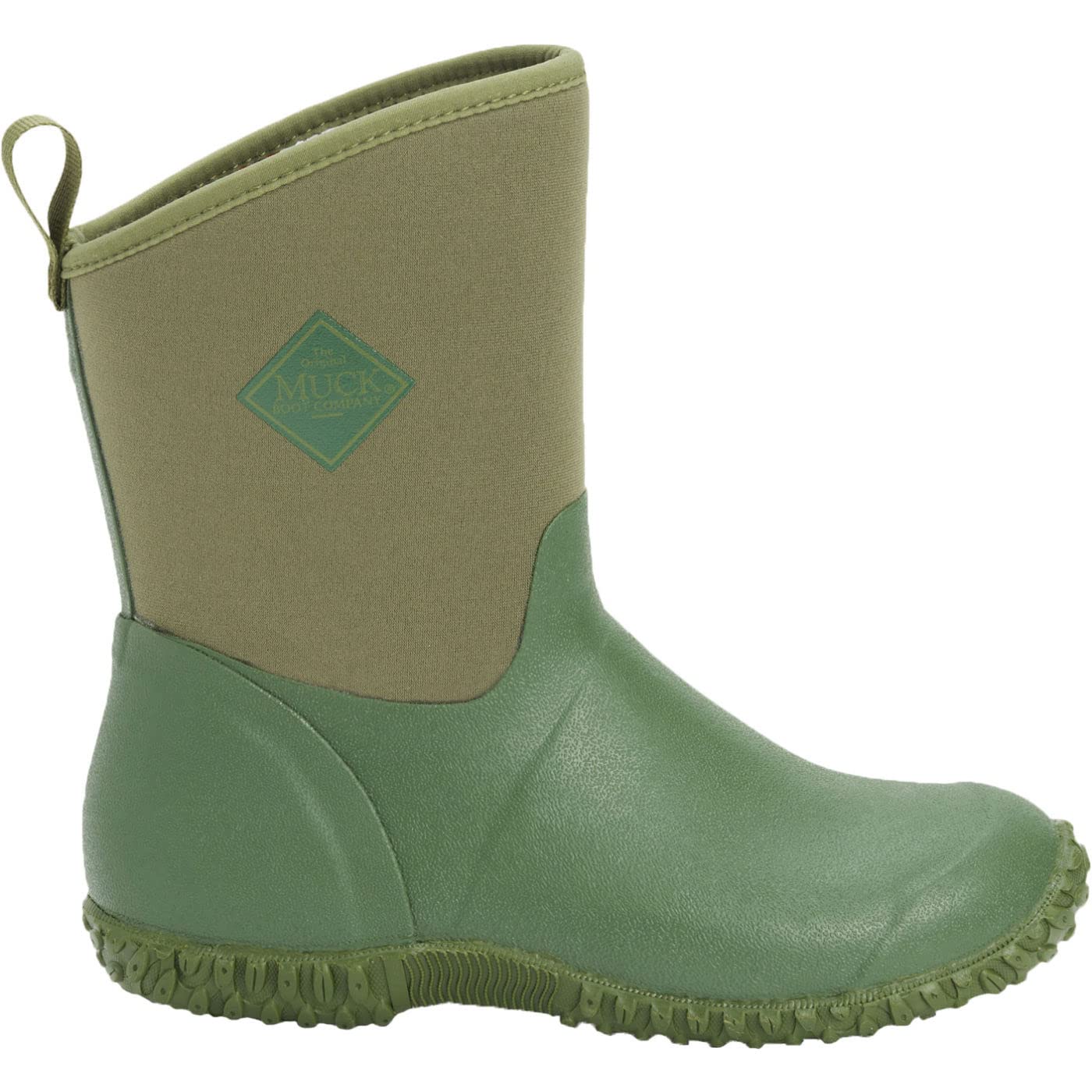
Muck Muckster II Mid
Key Features
- Waterproof Reliability: Neoprene/rubber
- Traction: Lugged outsole
- Fit Consistency: Runs large, size down
- Material Durability: Neoprene/rubber
- Price: $$
The Muckster II Mid provides dependable warmth and dryness for muddy trails and garden work, with a quick pull-on design. Sole durability can be limited under heavy use, and the boot runs large—making it a good match for occasional wet chores rather than daily heavy-duty wear.
Pros
- Slips on and off quickly for fast chores.
- Keeps feet warm and dry in cold wet conditions.
Cons
- Sole wear can accelerate with frequent heavy use, limiting long-term durability.
Best for weekend gardening, barn visits, and quick muddy trips where easy on/off matters more than long-term sole durability.
Best for City Rain, Travel
Hunter Play Short

Key Features
- Waterproof Reliability: Rubber
- Traction: Molded outsole
- Fit Consistency: Narrow, runs large
- Material Durability: Natural rubber
- Price: $$$
This short rain boot offers classy styling and reliable waterproofing for city wet weather, with easy slip-on comfort. It lacks insulation and runs narrow, making it unsuitable for cold climates or wider feet. The premium price reflects fashion rather than all-weather utility.
Pros
- Comfortable and easy to slip on and off.
- Classy, stylish appearance for fashion-forward wet weather.
Cons
- Fit may be too large or narrow for those with wider feet.
Best for fashion-forward city dwellers who need a stylish, waterproof boot for light rain and travel, but not for cold weather or wide feet.
How to Choose
The best waterproof boot for you depends on the balance between membrane durability and terrain-specific traction, not brand promises.
Waterproofing that lasts
Waterproof membranes (like Omni-Tech or KEEN.DRY) seal the boot but require breathability layers that can clog without maintenance. Rubber and neoprene boots are inherently waterproof but trap sweat, leading to condensation inside. For daily wet use, look for sealed seams and a removable insole to allow drying.
Over time, membranes lose effectiveness if not re-treated annually with a spray-on waterproofing. Leather requires wax or oil to maintain its barrier.
Traction for your terrain
Lugged outsoles with deep treads grip mud and loose dirt but can feel slippery on wet pavement. Conversely, smooth rubber (common in fashion rain boots) offers no bite on hills or wet grass. Match the outsole pattern to your primary surface: chevron lugs for trails, siped rubber for slick city streets.
Fit and sizing consistency
Boots with a narrow last (like many Columbia models) squeeze wide feet, while roomy boots (like Xtratuf) can cause heel slip and blisters. Brands occasionally change lasts without notice, so check recent reviews for sizing shifts. If you’re between sizes, prioritize thickness of your intended sock: thick wool socks need a half-size up.
Material durability
Full-grain leather outlasts synthetic materials but requires breaking in. Rubber and neoprene are lightweight and flexible but can crack at flex points—especially in cold weather. Budget boots often use glued soles that separate after a season; stitched or vulcanized construction adds years of life.
FAQ
Do Columbia Newton Ridge boots run narrow?
Yes, many reviewers note a narrow toe box and tight fit, especially for wide feet. Order your normal size if you have narrow to medium feet, but consider sizing up or trying the Merrell Moab 3 (which offers wide sizes) if you need extra room.
Are Hunter rain boots worth the price for occasional use?
If you only wear them a few times a year for city rain, the style and reliable waterproofing justify the cost. For frequent wet-weather use or colder climates, the lack of insulation and narrow fit make cheaper alternatives like Sperry or Xtratuf a better value.
What is the best budget waterproof boot for hiking under $50?
The NORTIV 8 Seeker offers decent comfort and traction for light trails at around $47, but its waterproofing is inconsistent and the toe box can be tight. For occasional hikes on dryish trails it works, but for regular wet conditions spend slightly more on the Columbia Newton Ridge.
How can I make my rain boots last longer without cracking?
Store them away from direct sunlight and heat, which degrades rubber. Clean mud off after each use and apply a rubber protectant or silicone spray to flex points. Avoid leaving them in a hot car trunk—heat accelerates cracking at the bend lines.