
This post contains affiliate links. We may earn a small commission when you buy through our links — at no extra cost to you.
Merino wool socks promise warmth, moisture wicking, and odor resistance. The problem? Many budget-friendly options develop heel and toe holes within months, while premium pairs can cost $25 each. The gap between marketing and real-world performance is wider than most buyers expect.
The real difference comes down to wool content, construction, and reinforcement. Socks with under 30% merino wool often rely on synthetic blends that cut breathability and reduce durability. Even well-regarded multi-packs can fail after a season of regular use.
This guide separates the socks that deliver on their promises from those that burn out too quickly. Whether you need a pair for weekend hikes, daily commutes, or winter travel, the right choice comes down to matching your use-case with the right blend and build.


Best for Serious Hikers
Darn Tough Hiker Midweight
The Darn Tough Hiker Midweight combines 66% merino wool with medium cushion, providing balanced warmth that breathes during active use and insulates when temperatures drop. The nylon and lycra reinforcement keeps the socks from stretching out or developing holes, even after seasons of regular hiking and everyday wear.
This sock suits hikers and daily users who prefer a single pair to last years rather than months. The fit runs snug around the ankles and toe box — a tighter cut that may feel constricting for those with wider feet or sensitive ankles, but works well for average to narrow shapes.
Pros
- Over a thousand buyers highlight the quality and craftsmanship of the knit and materials.
- Soft merino interior stays comfortable against skin without itchiness or blistering.
- Reported to hold up for years of use with no holes — the durability justifies the higher price.
Cons
- Fit may be too tight around the ankles and toe box for some foot shapes.
- Premium price per pair may feel steep upfront despite long-term value.
Right for hikers and daily users who prioritize years of service over initial cost — the lifetime warranty makes it a low-risk investment.
Best for Dedicated Hikers
Darn Tough Full Cushion
Full cushion and boot height make this the warmest Darn Tough sock for cold-weather treks. The 66% merino blend traps heat while the reinforced knit holds up to heavy use, and breathability keeps feet dry during high-output climbs. Unlike the more versatile midweight version, this prioritizes insulation and padding over flexibility – ideal when temperatures drop below freezing.
Best for dedicated winter hikers and backpackers who want maximum warmth and don’t mind the extra bulk. The thick cushion feels roomy in most boots but can be too snug for tight-fitting shoes or anyone with wide feet or large calves. The higher per-pair cost is offset by a lifetime warranty, making this a long-term investment for one-pair-to-rule-them-all users.
Pros
- Outstanding warmth for sub-freezing conditions without feeling stifling
- Durable construction that withstands heavy use and repeated washing
- Comfortable cushioning that prevents blisters during long treks
Cons
- Premium price per pair – lifetime warranty reduces long-term cost
- Fit can be too tight around calves or toes for some, especially with thick boots
A single-pair investment for those who need expedition-level warmth and durability – the warranty makes the higher price a one-time event.
Best for Budget Winter Wear
Alvada 3-Pack Hiking
The Alvada 3-pack delivers genuine warmth and a soft, non-itchy feel for well under $20 – a rare combination at this price point. Thick cushioning adds comfort for lounging or short outdoor walks, and the merino blend keeps feet cozy in cold weather. But the tradeoff for this value is durability: heel and toe areas can develop holes within months of regular use, and sizing runs small for some feet. These are best suited for casual everyday wear or as backup winter socks, not for long-distance hiking or daily heavy rotation.
Pros
- Keeps feet warm and toasty in cold conditions.
- Soft, non-itchy merino blend – comfortable for all-day wear.
- Thick cushioning provides a supportive, plush step.
Cons
- Heel and toe areas may wear through after a few months of regular use.
- Sizing can be inconsistent – some pairs fit snugly on larger feet.
If you prioritize low cost and immediate warmth over long-term mileage, these socks deliver surprising comfort for the price. They’re a fine choice for casual use around town or as an affordable winter layer.
Best for Women’s Winter Style
NinetoFiveLife 4-Pack
These crew-height socks deliver warmth without bulk, fitting comfortably under boots or everyday shoes. The merino wool blend feels soft against the skin, and the knit patterns hold up well through repeated washing. The medium cushion provides sufficient warmth for cold weather without being overly thick, and the 4-pack offers reasonable value for the quality.
They suit women seeking stylish outdoor or casual socks at a mid-range price. Keep in mind that some pilling around the heel may appear after the first few wears — less of an issue for light to moderate use, but noticeable compared to premium hiking socks. These are not intended for extreme cold or technical hiking; for those needs, a full-cushion boot sock would be a better fit.
Pros
- Warmth without bulk, fitting comfortably under winter boots and shoes.
- Soft merino wool with no itch, comfortable for all-day wear.
Cons
- Some pilling around the heel may appear after initial wears, especially with friction from boots.
A strong mid-range pick for women who want merino warmth and style without paying premium prices — just be prepared for slight pilling around the heels.
Best for Warm-Weather Hikers
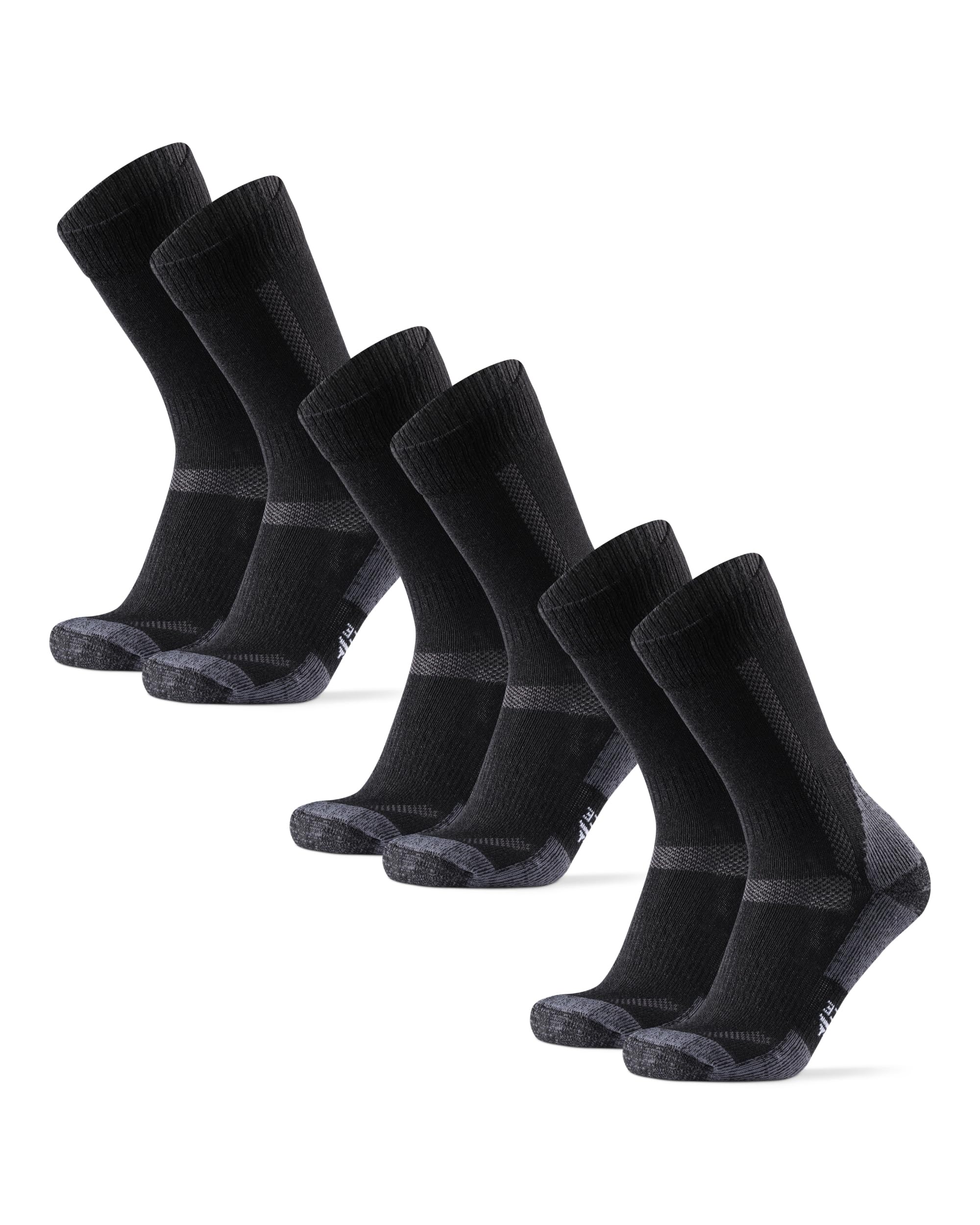
Danish Endurance 3-Pack
Reinforced heel and toe give this sock a longer lifespan than many budget merino options, while the medium cushion and thinner profile keep feet cool on warm-weather hikes. The snug calf band provides secure stay-up performance but can be restrictive for those with larger calves – best suited for hikers with average to narrow legs who prefer a breathable, less bulky sock for spring and summer use.
Pros
- Reinforced heel and toe add durability for rocky trails.
- Soft merino blend feels comfortable against skin with no itchiness.
- Breathable and moisture-wicking – keeps feet dry in warmer conditions.
Cons
- Elastic calf band can feel tight for those with larger calves.
- Thinner cushioning than typical hiking socks – less suited for cold winter hikes.
A capable warm-weather hiking sock that prioritizes breathability and blister prevention, but the snug fit and thin padding limit its year-round versatility.
Best for Colorful Light Hiking
Anlisim 5-Pack

This 5-pack delivers warmth and softness at a budget price, with colors that stay put. However, some pairs develop holes in the toe or heel after limited wear, and pilling can appear after the first wash. Best suited for light everyday use or as a gift set rather than for serious hiking.
Pros
- Soft merino blend feels warm and cozy without itching.
- Attractive colors and stay-up fit for casual wear.
Cons
- Durability can be inconsistent – holes may appear in high-stress areas after a few uses.
Ideal as an affordable gift or for occasional cool-weather walks, but not for regular hiking or demanding use.
Best for Everyday Winter Wear
COZIA Thermal (3-Pack)

These socks deliver dependable warmth and a soft, itch-free feel that makes them comfortable for lounging or desk work. The three-pack is a cost-effective way to try merino. However, heel holes have been noted after months of regular use, so this is best kept for light-duty indoor or short outdoor errands rather than hiking or heavy activity.
Pros
- Warm and comfortable in cold indoor environments
- Good value for a three-pack at a budget price
Cons
- Heel holes may develop after months of use in some cases
A decent entry-level merino sock for casual wear around the house or office, but not built for outdoor or high-mileage use.
Best for Budget Everyday Use
Time May Tell 4-Pack

These socks provide good warmth and softness for casual winter wear at an unbeatable price. The merino blend feels comfortable against the skin and the crew height stays put. However, the construction is thinner than typical boot socks, and heel holes can develop within a few months of regular use, making them better suited for light-duty or seasonal rotation than heavy hiking.
Pros
- Soft merino blend that stays warm without itchiness.
- Budget-friendly four-pack offers great value per pair.
Cons
- Heel durability may be limited – holes can appear after a few months of regular wear.
A solid choice for keeping a few spare pairs around the house or for winter walks, but plan to replace them annually.
Best for Fun Design Durability
Darn Tough Critter Club
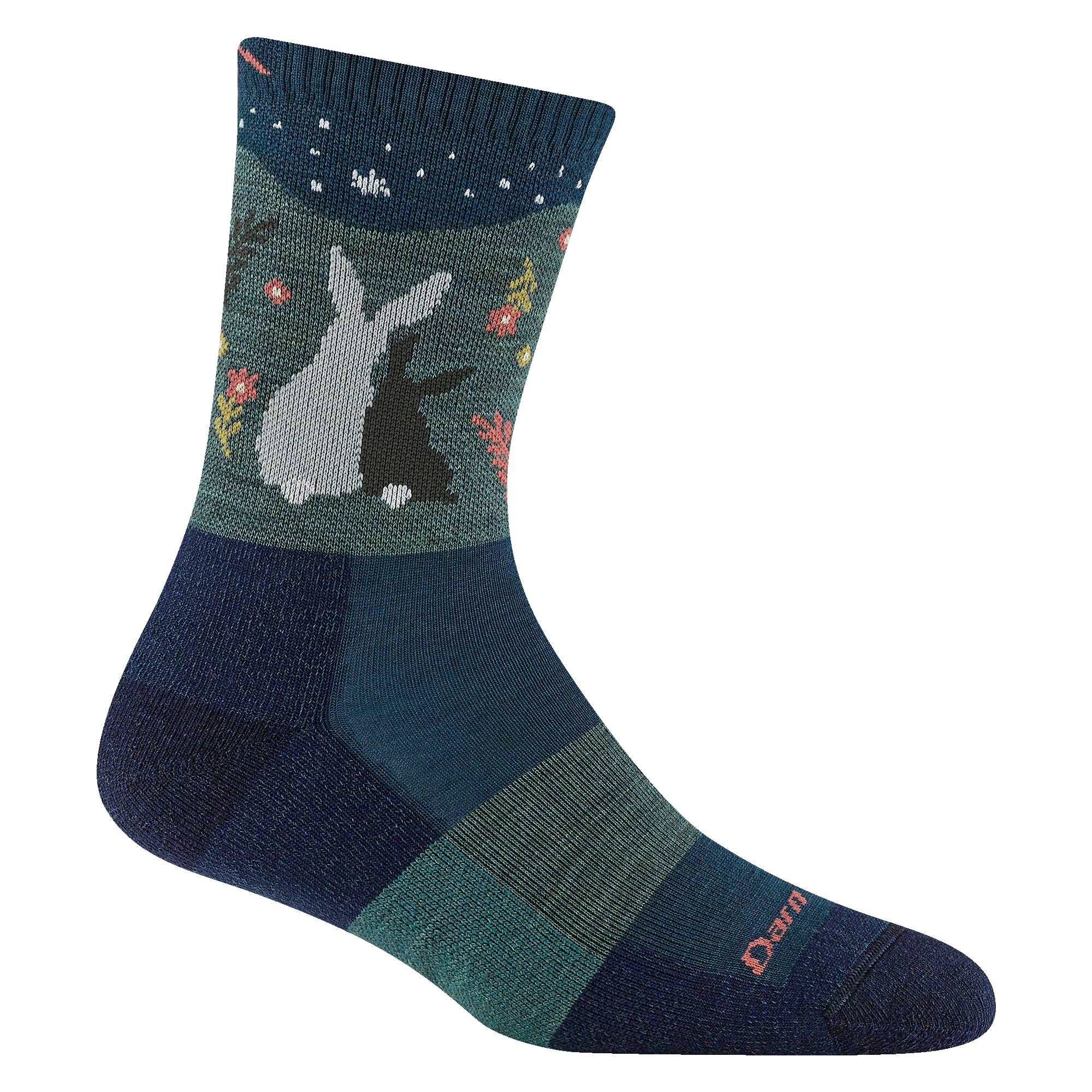
Built on the same Darn Tough platform with a lifetime warranty, these socks deliver soft, seamless comfort and vibrant animal patterns that hold up wash after wash. The lightweight cushion works well for summer hikes and daily wear, though the premium price per pair and occasional tight elastic band make them a niche choice for those who prioritize style and longevity over bulk value.
Pros
- Soft, no-seam construction that prevents blisters during activity
- Fun animal prints that stay bright through repeated washing
Cons
- Premium-priced for a single pair – costs multiples of budget alternatives
Best as a distinctive gift for someone who values long-lasting comfort and playful style, or as a treat for your own sock drawer if you don’t mind the per-pair cost.
Best for Affordable Bulk Pack
Sandsuced 5-Pack

The Sandsuced 5-pack delivers warmth and softness at a budget-friendly price. However, the merino blend may pill after the first wash, and some users note toe seam holes appearing with use. These socks suit occasional winter outings rather than frequent hiking.
Pros
- Warmth without bulk – great for cold weather
- Soft and cozy – not scratchy like some wool
Cons
- Pilling after first wash may affect appearance over time
Best for occasional winter wear or as backup socks when long-term durability isn’t a priority.
Best for Occasional Light Use
EBMORE 5-Pack

The EBMORE 5-pack delivers warmth without bulk and a soft cushion feel, making them comfortable for lounging or light outdoor activity. However, the construction is thinner than expected, and heel holes can develop within a few weeks of wear. This tradeoff makes them a low-cost entry into merino, but not a candidate for regular hiking or daily work use.
Pros
- Warm without bulk – suitable for cold-weather comfort indoors or light walks.
- Great value for five pairs – a budget-friendly way to try merino wool.
Cons
- Heel holes may appear after a few weeks of wear, limiting long-term use.
A cheap way to get five warm socks, but only if you’re okay with them serving as casual backups rather than daily drivers.
Best for Cabin Socks Gift
MOGGEI 5-Pack

The MOGGEI 5-pack delivers noticeable warmth and a soft, cushioned feel that works well for relaxing around the house or sleeping. The merino wool blend avoids itchiness, and the colors look neat out of the package. However, some owners find the socks slide down while walking, and pilling can appear after the first wash – factors that make this set better suited for casual indoor use than for hikes or daily commutes.
Pros
- Warm and cushiony – ideal for cold floors or sleeping
- Soft merino blend with no itch – comfortable against skin
Cons
- Pilling can appear after the first wash, affecting the sock’s appearance over time
For lounging, sleeping, or occasional indoor warmth, these offer good value. Not recommended for hiking or extended outdoor use.
How to Choose
The most common reason merino socks fail early is low wool content paired with weak heel and toe reinforcement.
Merino Wool Percentage
Higher wool content (65% or more) provides better moisture wicking, odor resistance, and temperature regulation. Socks with below 30% wool rely on nylon and elastane for structure, which reduces breathability and traps sweat. For all-day hiking or travel, look for at least 50% merino to get the performance you expect from wool.
Cushioning Level
Cushioning ranges from lightweight to full. Medium cushion works for most hiking boots and everyday shoes—it adds comfort without making your footwear feel tight. Full cushion is ideal for winter boots and cold conditions, but can make shoes feel cramped. Light cushion suits warm-weather hikes or casual wear where bulk is unwanted.
Sock Height
Crew height hits above the ankle and protects against boot rub. Micro crew sits lower and works with low-cut shoes. Boot height extends higher to prevent shin chafing with tall boots. Choose based on your footwear: crew is the most versatile, while boot height is for high-top boots only.
Reinforced Heel and Toe
The heel and toe take the most friction. Socks with reinforced sections (extra nylon or double-layered knitting) resist holes far longer than plain knit. This is the hidden spec that makes the biggest difference in longevity. Brands that skip reinforcement save cost, but you pay for it in shorter lifespan.
Lifetime Warranty
A lifetime warranty transforms the overall value. Socks like Darn Tough cost more upfront but are replaced for free if they ever wear out. Over a decade, one pair can outlast ten budget pairs—both in cash and environmental waste. If you plan to keep socks for years, the warranty effectively makes them cheaper per wear.
FAQ
Why do my merino wool socks get holes so fast?
Most holes appear in the heel or toe where friction is highest. Budget socks often use thin knitting or skip reinforced sections in these areas. Even with good wool content, a lack of nylon reinforcement means the fibers break down faster. To avoid holes, choose socks with reinforced heels and toes and wash them on gentle cycle.
Are expensive merino wool socks worth the money for everyday wear?
Yes, if you want them to last. Premium socks like Darn Tough cost $20–$25 per pair but come with a lifetime warranty. Over five years, that single pair can outlast six budget packs. For light, occasional use, a $10 pair may be enough. But for daily wear, the upfront investment pays off in fewer replacements.
How can I tell if a merino wool sock is actually mostly wool?
Flip the sock inside out and read the tag. Look for the exact percentage—if it says only ‘merino blend’ without a number, assume it’s under 30%. Legitimate socks list the wool content clearly, often 50% or higher. Avoid brands that hide the percentage in product descriptions.
What’s the best merino wool sock for hiking in wet conditions?
A midweight or full cushion sock with at least 60% merino wool and a snug fit works best. The wool wicks moisture away from the skin, while the cushioning prevents blisters. Darn Tough’s midweight or full cushion options excel here because the high wool content keeps feet warm even when damp. Avoid thin socks in wet conditions—they don’t provide enough insulation.