
This post contains affiliate links. We may earn a small commission when you buy through our links — at no extra cost to you.
A heated jacket can be essential for winter commutes and outdoor work—until the battery dies halfway through a long day. Many jackets promise six or eight hours of heat, but in real-world use, especially on the high setting, they often deliver half that.
That gap between marketing and reality leaves buyers guessing about which jackets will actually keep them warm when the temperature drops. Combine that with inconsistent sizing and heating elements that can stop working after a season, and choosing a heated jacket can feel like a gamble.
This guide focuses on jackets with batteries that last longer than a single outing, and construction that stands up to regular use. The picks balance heat output, runtime, and durability for men who need reliable warmth.



Best for Commuting & Work
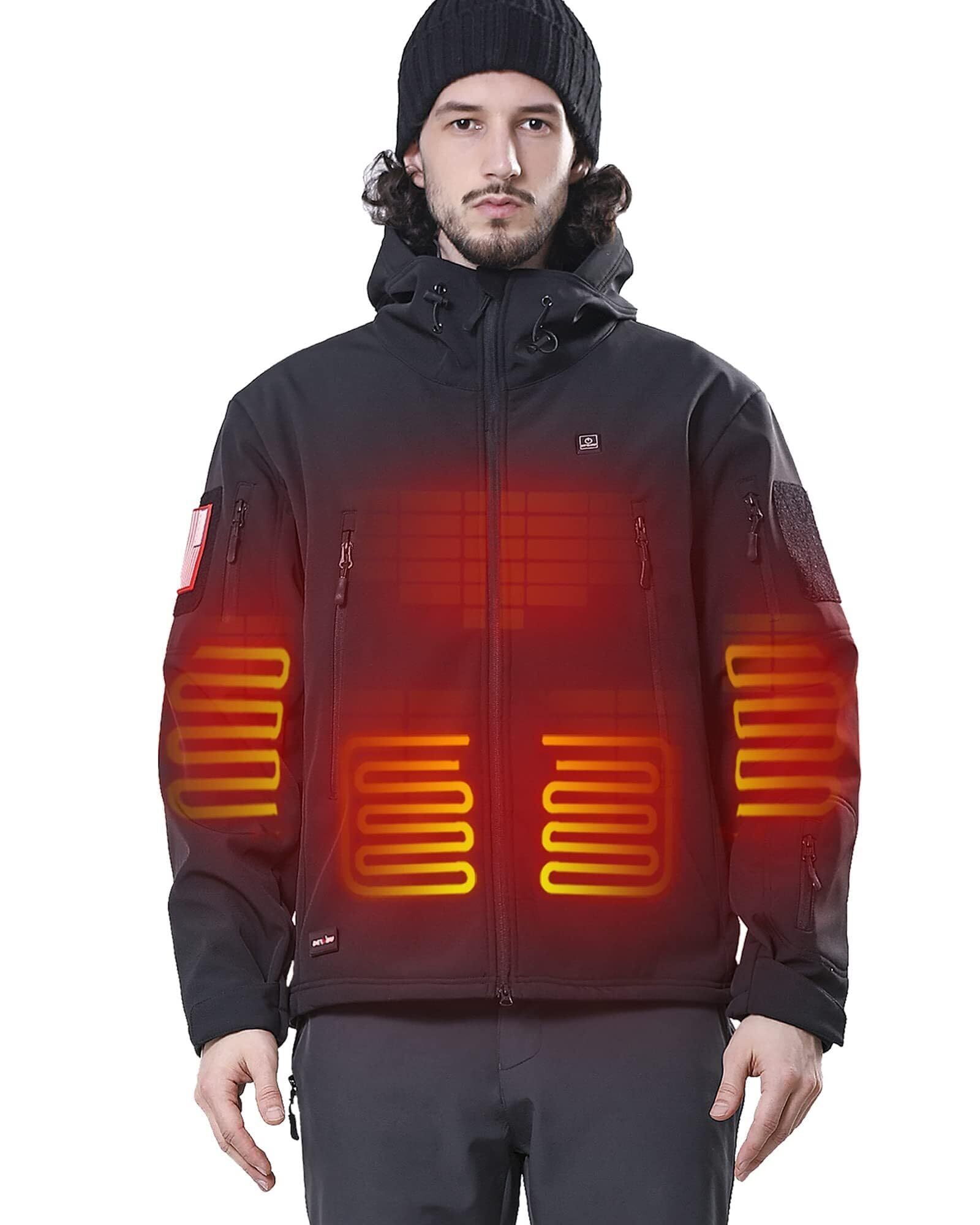
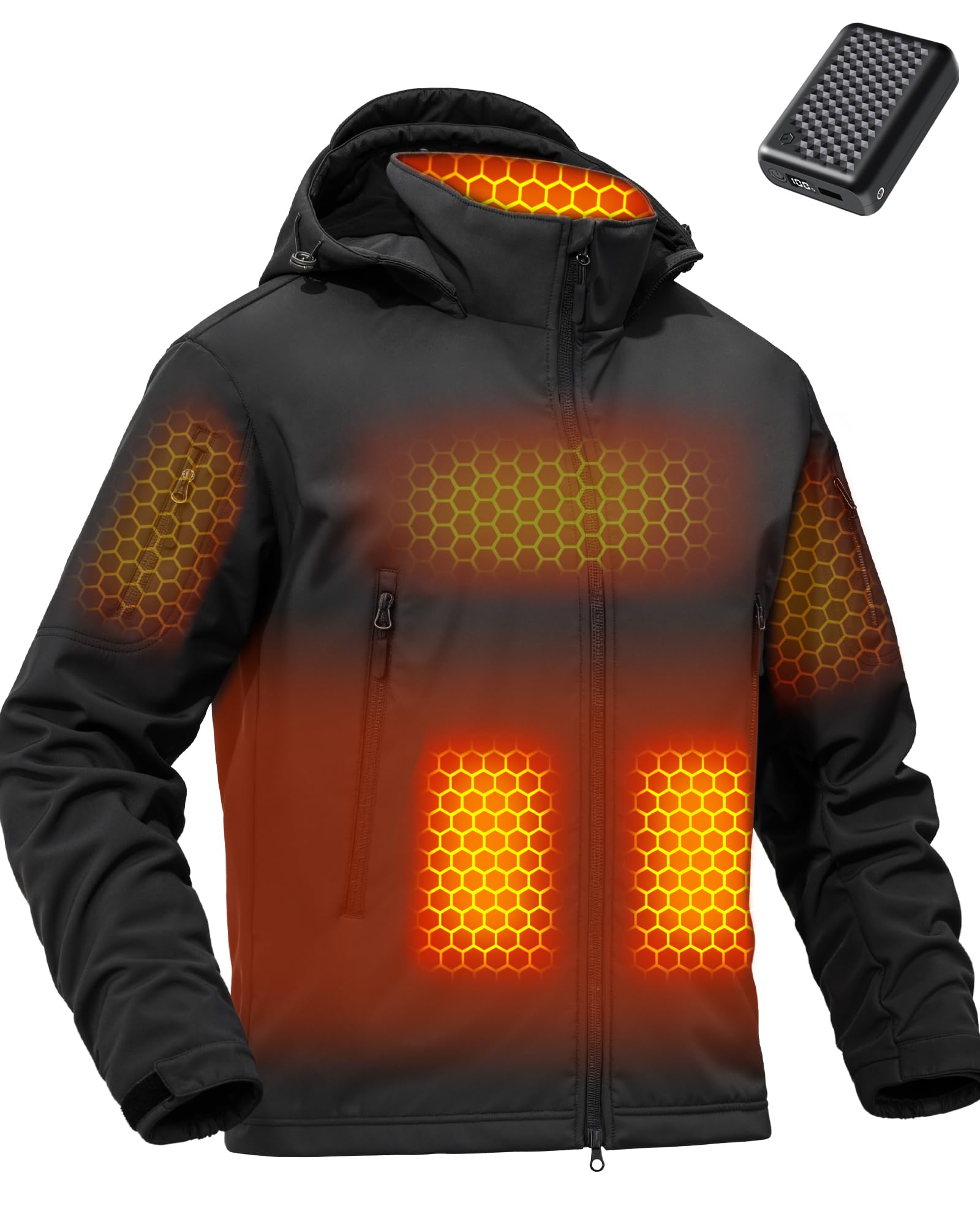
ORORO 4-Zone Heated Jacket
Key Features
- Heating Zones: 4 zones (chest, back, pockets)
- Battery: 7.4V, USB-C
- Water Resistance: Soft shell, water-resistant
- Hood & Pockets: Detachable hood, heated pockets
- Price: Mid-Range
This jacket heats up quickly and distributes warmth across the chest, back, and both pockets — enough to stay comfortable in temperatures down to 20°F. The soft shell is well-constructed and water-resistant, holding up to regular use without damage. Battery life on the high setting runs about 3–4 hours, so all-day use requires a spare battery, but the USB-C connector makes recharging convenient.
It suits commuters and outdoor enthusiasts who need reliable heat for daily errands or moderate outdoor activities. The jacket looks and functions well even without the battery, adding versatility. Sizing runs slightly small — buyers who plan to layer should order up for a comfortable fit.
Pros
- Heats up fast and stays warm in freezing conditions
- Well-made soft shell that endures regular wear
- Feature set offers strong value at a mid-range price
Cons
- Sizing runs small — may need to order up if layering
- Battery on high setting lasts about 3–4 hours; all-day users will want a spare
This jacket delivers quick, consistent warmth for daily winter use — just budget for a spare battery if you need heat beyond a few hours.
Best for Short-Burst Heat
DEWBU Heated Jacket 12V
Key Features
- Heating Zones: 3 zones (chest, back, pockets)
- Battery: 12V, separate pack
- Water Resistance: Soft shell, water-resistant
- Price: Mid-Range
The 12V system pushes heat to chest, back, and pockets within seconds, noticeably quicker than the top pick’s USB-C approach. The heavy-duty soft shell feels well-stitched and water-resistant, holding up to wind and light moisture.
Budget-conscious buyers who need concentrated warmth for motorcycle rides, tailgates, or short hikes above 25°F will find it effective. Battery reliability varies; some packs last a full season, others may need replacing sooner. For all-day warmth, carry a spare battery.
Pros
- Heats faster than many competitors for near-instant comfort
- Durable, well-stitched soft shell with water resistance
Cons
- Battery runtime on high heat can be insufficient for extended outings
- Heating elements may stop working after limited use
For the upfront cost, the DEWBU’s instant heat and sturdy build are a bargain for occasional use — expect to treat the battery as a replaceable consumable.
Best for Wet Weather
Venustas Heated Jacket
Key Features
- Heating Zones: 3 zones (chest, back, collar)
- Battery: 7.4V, included
- Water Resistance: Waterproof, windproof
- Hood & Pockets: Detachable hood, no heated pockets
- Price: Mid-Range
The Venustas Heated Jacket uses a waterproof, windproof shell and three heating zones—chest, back, collar—to keep you warm when rain and wind threaten to cut through lesser gear. Unlike the Venustas 3-in-1 softshell, which excels at modular layering, this model is built solely for wet weather, shedding light rain and gusty conditions without a removable outer layer.
For outdoor workers, hunters, or skiers in wet climates, the weather resistance is a clear advantage. However, battery runtime can be unpredictable, and heating elements may stop working after a couple of seasons. If you need multi-year reliability, the top overall pick in this category is a safer bet, but it can’t match the Venustas’s waterproofing.
Pros
- Blocks wind and precipitation effectively during outdoor work in wet, blustery conditions.
- Premier build quality with attention to stitching and materials, looking sharp for a work jacket.
Cons
- Battery may lose ability to hold a charge after about a year, cutting heat mid-shift.
- Heating elements can lose function after a couple of seasons, limiting long-term use.
For wet-weather work, this jacket’s waterproof shell is a practical choice, though you should budget for a battery replacement every year or two.
Best for Budget Big Battery
Wulcea Graphene Soft Shell
Key Features
- Heating Zones: 3 zones (chest, back, hands)
- Battery: 12V, 18400mAh
- Water Resistance: Soft shell, water-resistant
- Hood & Pockets: Hood, heated hand pockets
- Price: Budget
Where the top pick balances multiple strengths, this Wulcea soft shell leans hard into battery capacity—its 18400mAh pack outlasts most rivals in this price tier and drives three-zone 12V heat that warms fast. Unlike the lighter fleece option in this lineup, the soft shell adds water resistance and wind blocking for outdoor use. Pocket placement sits higher than expected, which can feel odd, and actual runtime varies across units. Value hunters and riders who prioritize extended heat over polished ergonomics will find a capable workhorse at a budget price.
Pros
- Heats up rapidly and maintains steady warmth across chest, back, and hand zones.
- Soft shell construction is tough and well-made, resisting light rain and wind.
- Large 18400mAh capacity provides longer runtime than most batteries at this price point.
Cons
- Hand pocket placement is positioned higher than typical, potentially awkward.
- Actual runtime can fall short of expectations, varying between units.
For riders and outdoor workers who want extended heat without a premium price, this jacket delivers where it counts—battery size and warmth—provided you can live with the pocket quirk.
Best for Layering Warmth
ORORO Fleece Heated Jacket
Key Features
- Heating Zones: 4 zones (chest, back, collar, pockets)
- Battery: Proprietary battery
- Water Resistance: Fleece, no water resistance
- Hood & Pockets: No hood, heated pockets
- Price: Mid-Range
Soft fleece construction and a heated collar set this jacket apart from the more technical softshell ORORO. The four heating zones cover chest, back, collar, and pockets for even warmth, while the thick fleece provides insulation even when the battery is off.
This jacket suits casual wear and light outdoor activities where comfort matters more than weather protection. Battery reliability can be inconsistent over time, and it lacks water resistance, so it’s best for dry, mild winter days rather than wet or extreme cold.
Pros
- Thick fleece provides insulation even when unheated
- Well-made with durable materials and stitching
Cons
- Battery performance may vary; some units can experience charging issues over time
- Heated collar may feel too warm in milder conditions, requiring adjustment
Best for buyers who want a cozy, low-bulk heated layer for casual use, not for wet or extreme conditions.
Best for Budget Warmth
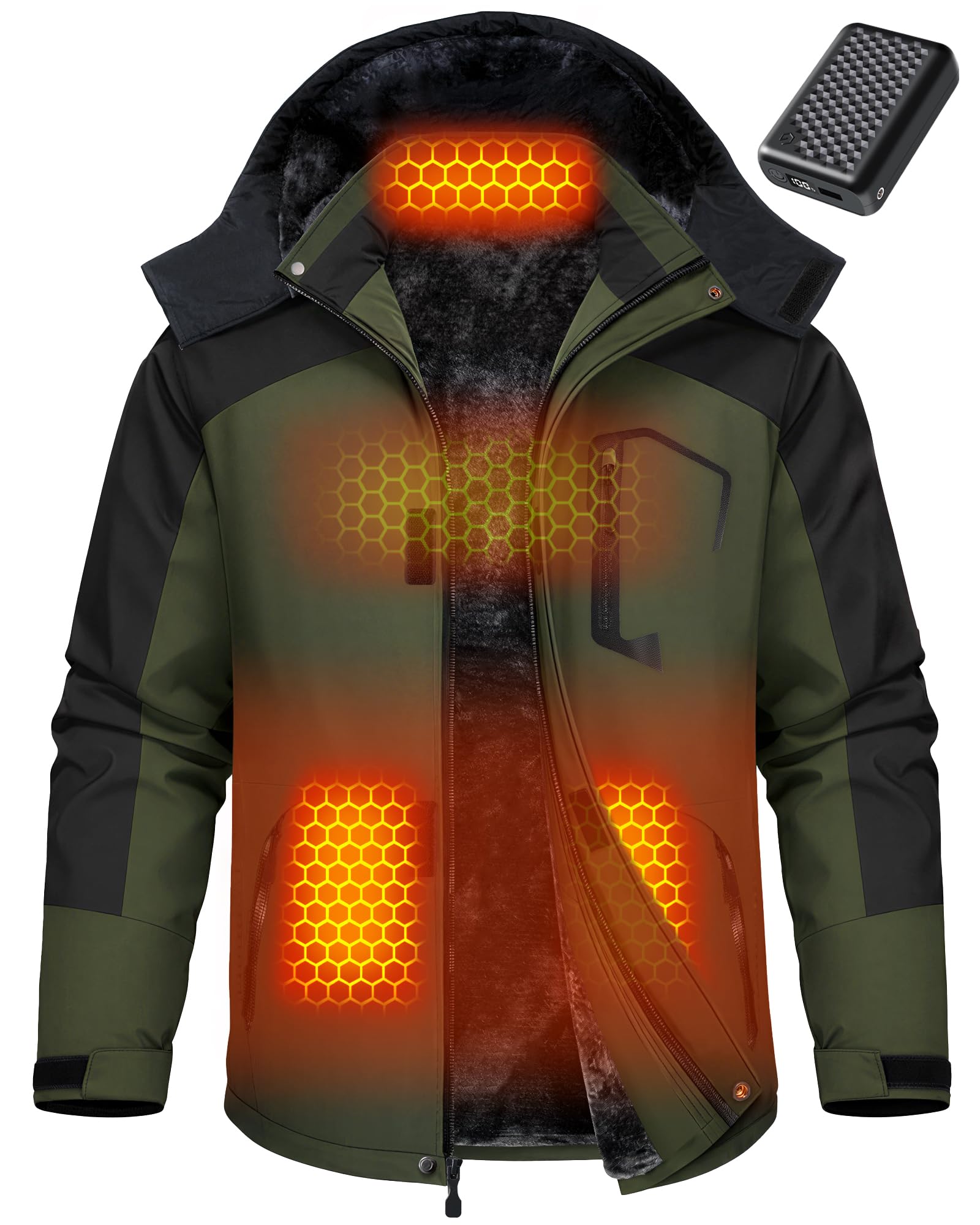
Wulcea Graphene Fur Lined
Key Features
- Heating Zones: 3 zones (chest, back, collar)
- Battery: Large capacity
- Water Resistance: Fur lined
- Hood & Pockets: Hood
- Price: Budget
The fur lining adds serious passive warmth, so the three-zone graphene heat is a bonus for quick, cold-weather tasks. Battery runtime on high may be shorter than some outings require, and the jacket runs small — order up if you layer.
Pros
- Stays warm even without activating heat, thanks to thick fur lining
- Well-constructed and comfortable for all-day wear
Cons
- Battery runtime on high can fall short for extended outdoor use
For brief errands or a chilly commute where insulation does the heavy lifting, this jacket delivers cozy warmth at a budget price — just plan to charge frequently on high heat.
Best for Lightweight Fleece
Wulcea Graphene Fleece

Key Features
- Heating Zones: 3 zones (chest, back, arms)
- Battery: 12V, 18400mAh fast charge
- Water Resistance: Fleece, no water resistance
- Hood & Pockets: Hood
- Price: Budget
The Wulcea fleece delivers rapid heating and comfortable fleece at a budget price, suiting light hikes and errands. Battery runtime can vary, and the jacket isn’t designed for sustained wet weather, so reserve it for dry, chilly days where fast, short-duration warmth is the priority.
Pros
- Heats up fast for immediate warmth when you step outside.
- Fleece material feels high-quality against the skin and holds heat well.
Cons
- Battery runtime can be shorter than claimed on high settings in some units.
Best as a lightweight layer for dry, cool outings where rapid heat outweighs all-day runtime expectations.
Best for Versatile Layering
Venustas 3-in-1 Heated

Key Features
- Heating Zones: 3 zones (chest, back, collar)
- Battery: Included battery
- Water Resistance: Water-resistant, 3-in-1
- Hood & Pockets: Removable hood
- Price: Mid-Range
The Venustas 3-in-1 combines a water-resistant shell and a heated liner, giving you three wear options for variable mountain weather. Battery life dips to about two hours on high, and the heating element can become unreliable after machine washing. For frequent use, the top pick’s four-zone system offers steadier heat.
Pros
- Removable shell and heated liner adapt to changing weather, reducing the need for multiple jackets.
- Comfortable fit and solid construction that holds up to active winter use.
Cons
- Battery runtime on high heat may last only two hours, so a spare is necessary for extended outdoor activities.
This jacket works for occasional skiers who prioritize modular layering over all-day heat; for consistent warmth, the top pick is more dependable.
Best for Indoor Comfort
DEWBU Polar Fleece Heated

Key Features
- Heating Zones: 5 zones (chest, back, arms)
- Battery: 12V, included
- Water Resistance: Polar fleece, no water resistance
- Hood & Pockets: Hood
- Price: Mid-Range
The fleece feels plush and warm, with five heating zones adding comfortable heat. Sizing can run short in the sleeves or body, so it works better layered under a shell than as a standalone outer layer. It’s best for casual wear and short outings where precise fit isn’t critical.
Pros
- The fleece retains body heat effectively, so you stay comfortable even when the battery isn’t on.
- Soft, durable fabric that feels pleasant against skin and withstands regular wear.
Cons
- Battery may lose capacity after a few months, shortening heat duration.
As a cozy mid-layer worn under a waterproof shell, this fleece adds comfortable warmth for short, casual outings.
Best for Maximum Coverage
ARRIS Heated Jacket 8-Zone

Key Features
- Heating Zones: 8 zones (full body)
- Battery: 7.4V, included
- Water Resistance: Waterproof
- Hood & Pockets: Detachable hood
- Price: Budget
Eight heating zones span arms, shoulders, chest, back, and collar—the widest coverage for a jacket at this price. Battery life can dip to just 2-3 hours on high heat, limiting it to short outings rather than all-day use. The power cord connection may weaken with frequent unplugging, making this better suited for occasional wear in moderate cold.
Pros
- 8 heating zones cover arms, shoulders, chest, back, and collar for full upper-body warmth.
- Budget-friendly price for extensive heating area coverage.
Cons
- Battery life can last only 2-3 hours on high heat, falling short for all-day outdoor activities.
Fits quick errands and light cold-weather tasks where wide coverage matters, but not built for full-day work without a backup battery.
Best for Budget Waterproof
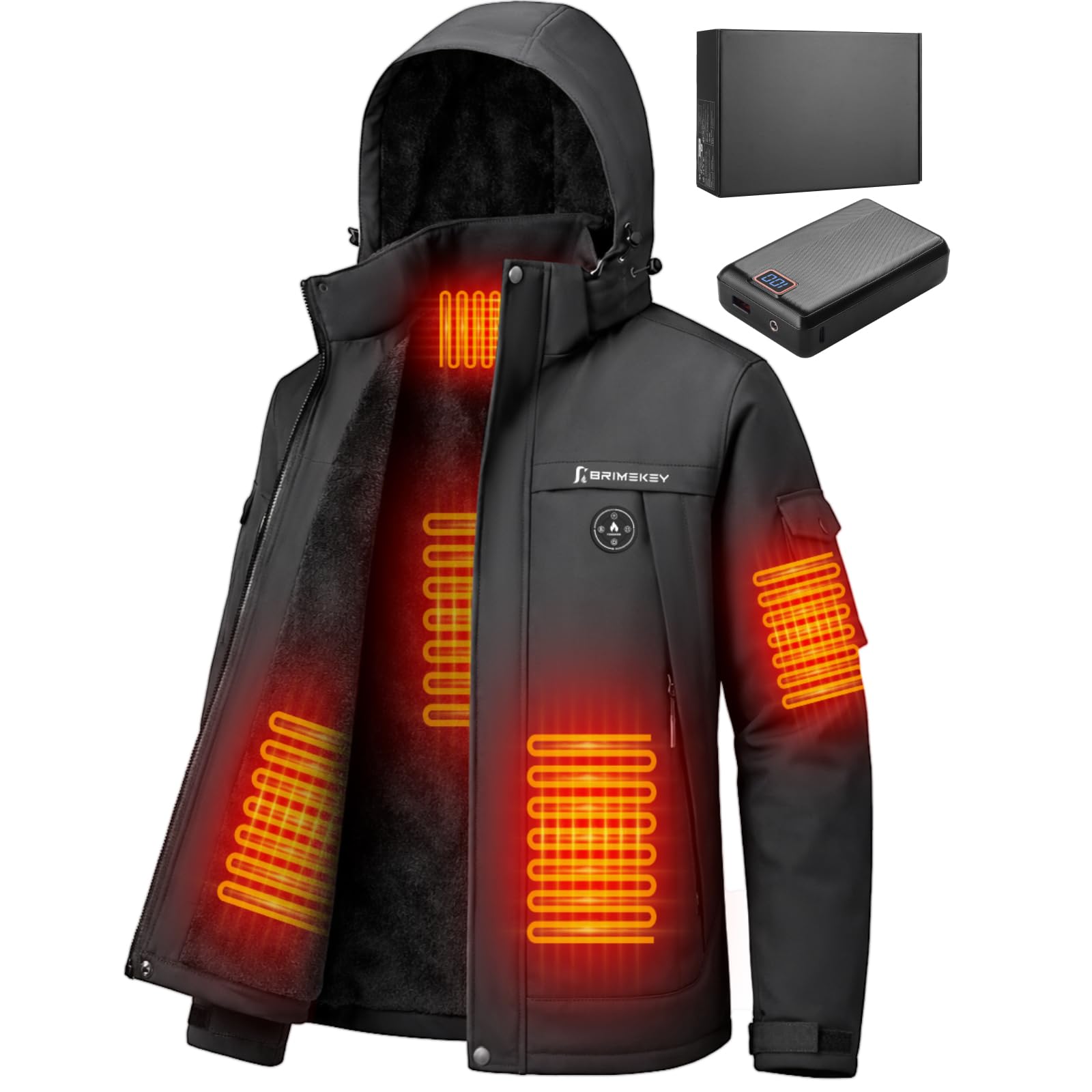
Brimekey Heated Jacket 20k
Key Features
- Heating Zones: 3 zones (chest, back, pockets)
- Battery: 20000mAh, included
- Water Resistance: Waterproof, windproof
- Hood & Pockets: Hood, heated pockets
- Price: Budget
A 20000mAh battery and waterproof shell at a budget price make this jacket tempting for quick outdoor chores. Sizing runs extremely small—order up—and battery performance can be uneven, so all-day reliability isn’t guaranteed.
Pros
- Impressive heat output for the price.
- Waterproof shell repels rain well during light to moderate precipitation.
Cons
- Battery life inconsistent; short runtimes possible on high heat settings.
This is a low-cost way to add occasional heat for short walks or errands if you measure carefully and don’t depend on the battery lasting all day.
Best for Stylish Casual
Venture Heat Heated Jacket
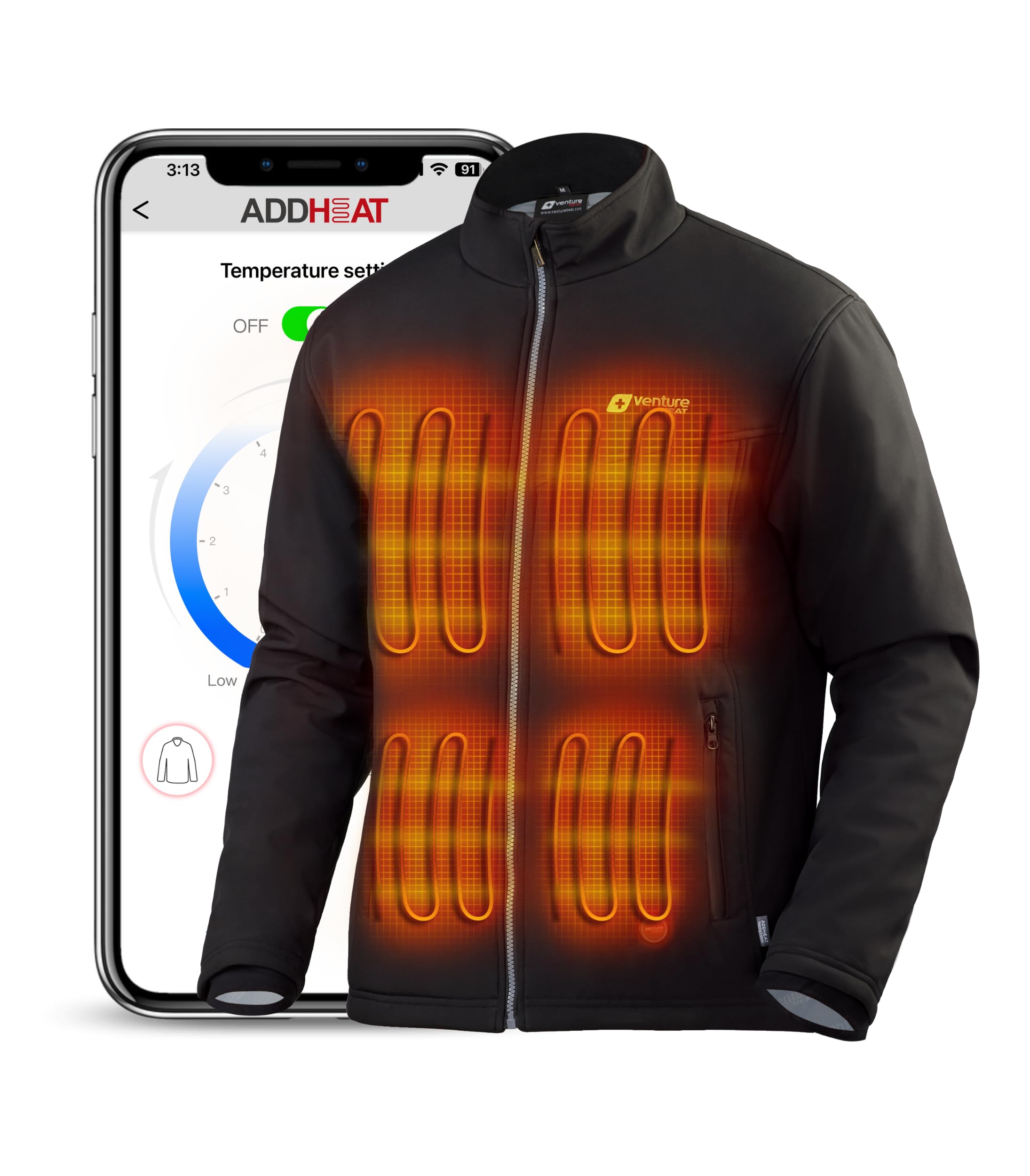
Key Features
- Heating Zones: 3 zones (chest, back, collar)
- Battery: Power Bank 729B included
- Water Resistance: Soft shell, water-resistant
- Hood & Pockets: No hood
- Price: Premium
The Venture Heat jacket impresses with a sleek softshell exterior and consistent heat output for occasional use. However, battery runtime can be brief and heating may be spotty on some units, so it’s best suited for short trips where style matters more than all-day endurance.
Pros
- Warmth and softshell styling deliver a premium look without sacrificing heat output.
- Comfortable, true-to-size fit across a range of body types.
Cons
- Battery runtime may fall short, and some units can exhibit inconsistent heating.
It’s a fit for buyers who want a sharp-looking heated jacket for short activities like commuting or tailgating, and can tolerate possible battery inconsistency.
How to Choose
Most heated jackets overpromise battery life; expect 2–4 hours on high and always budget for a backup battery if you need all-day heat.
Heating Zones: Where Warmth Matters
The number of heating zones doesn’t always translate to more effective warmth. Three well-placed zones (chest, back, and collar or pockets) can keep your core comfortable, while extra zones in the arms or shoulders may add minimal benefit for casual use.
Extra zones in arms or shoulders increase battery draw without always delivering noticeable comfort. For most men, a chest-and-back setup with heated pockets offers the best balance of warmth and runtime.
Battery Life: The Real Runtime You Can Expect
Manufacturers list runtime based on the lowest heat setting, but on high, most jackets last only 2–4 hours. The battery capacity in milliamp-hours (mAh) is a better guide than advertised hours; a 12V 18400mAh battery generally outlasts a 7.4V unit at similar output.
If you need all-day heat, carry a spare battery or choose a jacket with USB-C compatibility so you can use a generic power bank.
Water and Wind Resistance
A water-resistant softshell sheds light rain and wind while remaining breathable, making it ideal for active use. A fully waterproof jacket blocks rain entirely but can trap sweat, so it’s better for stationary activities in wet conditions.
Fit and Sizing
Heated jackets often run slim to trap heat efficiently, but that means you may need to size up—especially if you plan to layer a sweater underneath. A snug fit restricts blood flow and can actually make you feel colder despite the heating elements.
Before ordering, check the brand’s size chart and note whether they recommend ordering a size up for layering.
Hood and Pocket Layout
A detachable hood adds versatility for changing weather, while non-detachable styles keep things simpler. Heated hand pockets are a major plus if you don’t want to wear gloves, but make sure the pocket placement feels natural—some jackets place pockets too high for comfort.
The battery pack usually sits in an interior pocket, so check that it doesn’t bulge awkwardly against your side when seated.
FAQ
Why does my heated jacket only last 2 hours on high when it says 6?
That six-hour figure is usually tested on the lowest heat setting; on high, jackets often drain the battery in two to four hours. The heating elements simply draw more power. To extend runtime, use a lower setting during calm periods, and consider carrying a spare battery if you plan to be outdoors all day.
Can I use a different power bank with my heated jacket?
Only if your jacket uses a standard USB-C or DC input—many jackets use proprietary plugs that won’t work with generic power banks. Check the connector type before buying; if it’s proprietary, purchase an extra battery from the same brand to avoid being caught without power. USB-C models are more flexible and can be topped up with any compatible power bank.
How do I wash a heated jacket without damaging the wires?
Remove the battery and securely close all zippers and pockets before washing. Use a gentle cycle with cold water, then air dry—never put it in a dryer, as high heat can melt the heating elements or warp connectors. Spot cleaning by hand is safest if you’re unsure about the jacket’s wire integrity.