
This post contains affiliate links. We may earn a small commission when you buy through our links — at no extra cost to you.
You see ‘down jacket’ on the tag, but the care label says polyester. That mismatch between marketing and material is more common than most buyers expect – especially among fashion brands. This guide cuts past the confusion to focus on what actually works.
A lightweight down jacket that packs into a pouch is ideal for travel, but only if the fill is genuine. A thick parka will handle sub-zero temps, but not every expensive option delivers on warmth. The real decision comes down to knowing what you’re getting inside that shell.
Every jacket here is judged by its actual fill, real-world warmth, and the trade-offs that only show up after wearing it daily.


Eddie Bauer Cirruslite Down Jacket
Eddie Bauer CirrusLite Down
Key Features
- Fill Material: Down
- Weight & Packability: 7.8 oz, packable
- Warmth Range: 40°F+
- Price: $
Weighing just 7.8 ounces and stuffing into its own pouch, this jacket disappears into a carry-on without a trace. The genuine down fill provides noticeable warmth for temperatures around 40°F and above, making it a go-to layer for shoulder-season trips or brisk morning commutes. Shoppers consistently highlight the value — under $80 for a real down jacket that performs this well is hard to beat.
Where the CirrusLite fits best is as a travel companion or a mid-layer under a waterproof shell in colder weather. The thin fabric keeps weight down but also means this isn’t a standalone winter coat — sustained freezing temps will push past its insulation. Some owners note that down feathers can work through the fabric over time, so treating it gently and avoiding overstuffing helps. For buyers needing a packable warmth layer that doesn’t demand premium dollars, this jacket hits the mark perfectly.
Pros
- Weighs 7.8 ounces and stuffs into its own pouch — barely takes up space in a bag.
- Genuine down insulation that feels warm for its weight in mild to moderate cold.
- Budget-friendly price for a legitimate down jacket with thousands of positive reviews backing its performance.
Cons
- Down feathers may work through the thin shell over time, causing small leaks.
- The thin fabric provides limited insulation once temperatures drop below freezing — not a winter coat.
For travelers and mild-climate residents who need a packable warmth layer without overspending, this jacket delivers real down performance — just keep it for above-freezing use or as a mid-layer.
Eddie Bauer Boundary Pass Down Hooded Parka
Eddie Bauer Boundary Pass
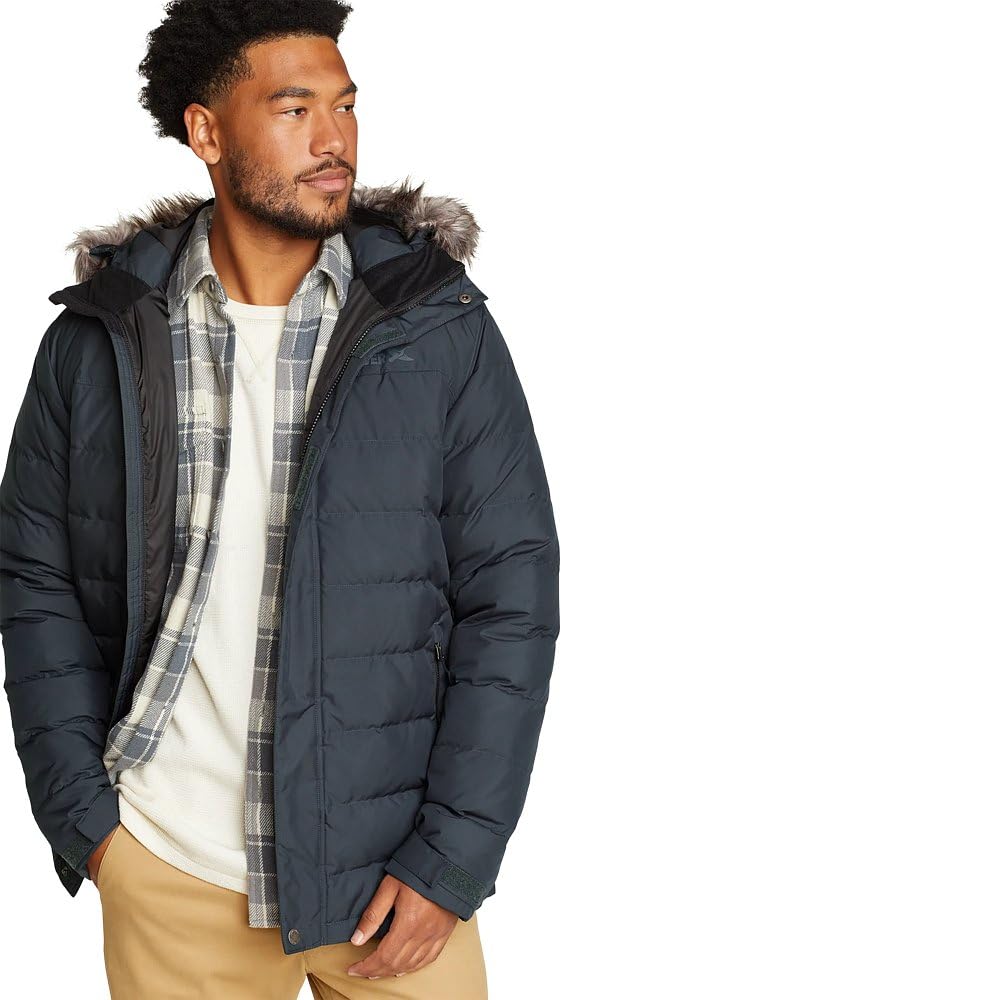
The Boundary Pass delivers genuine down insulation in a longer parka cut that handles sub-zero temperatures. Unlike the ultralight CirrusLite, this is a heavier coat suited for stationary cold rather than travel. Best for buyers who need a warm coat for harsh winters and don’t mind the extra weight – though the dual zipper can be finicky and may need careful attention.
Pros
- Serious warmth for sub-zero winters, ideal for frigid climates.
- Classic design with a good fit that suits everyday wear.
Cons
- The dual zipper can be frustrating to use and may occasionally fail.
A warm, long parka for frigid winters – the zipper is the only catch.
Tommy Hilfiger Men’s Real Down Insulated Packable Puffer Jacket
Tommy Hilfiger Real Down
Key Features
- Fill Material: Real down
- Weight & Packability: 8 oz, packable
- Warmth Range: Above freezing
- Price: $$
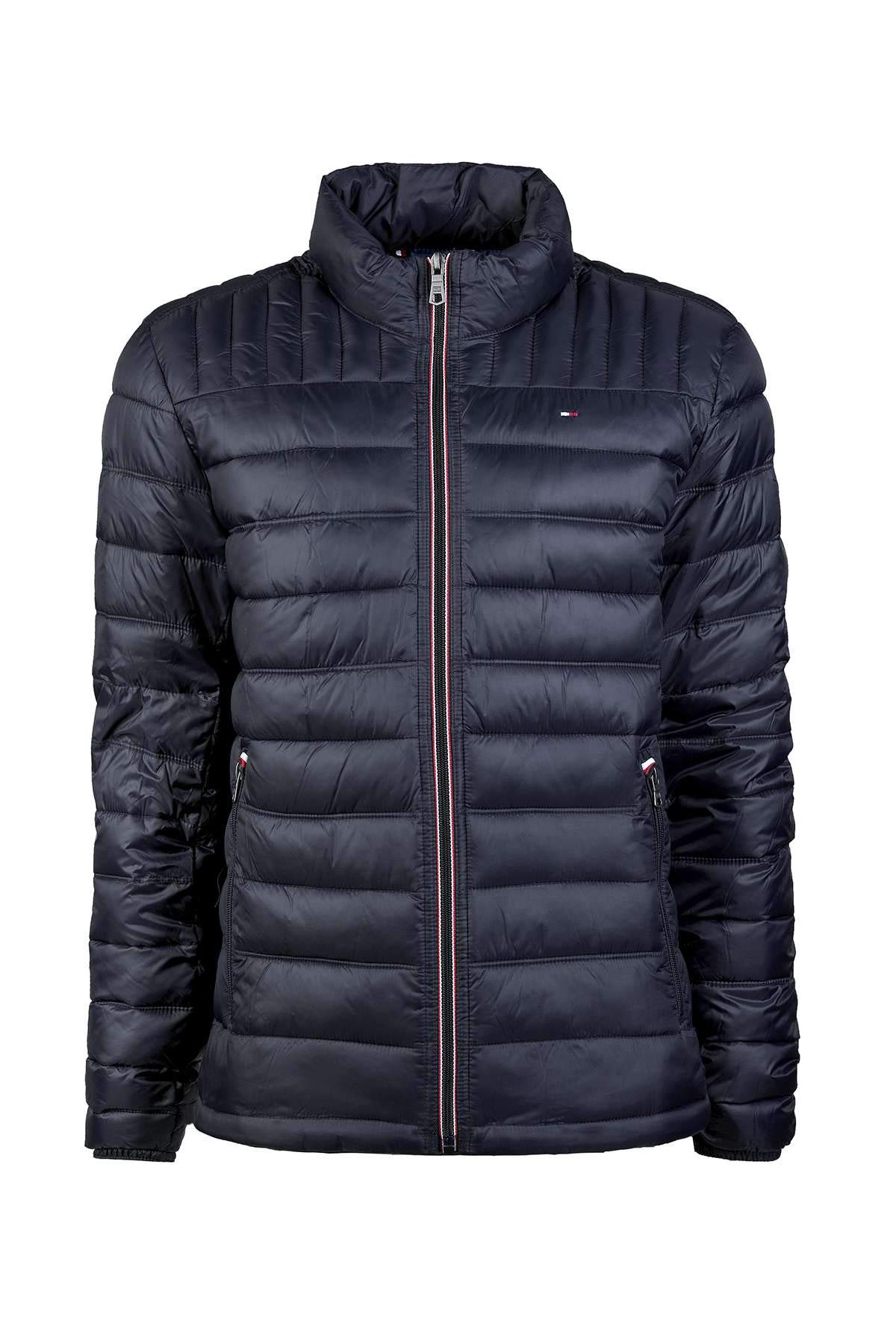
The Tommy Hilfiger Real Down Puffer offers genuine down insulation in a lightweight package that stuffs into a small carry bag, making it a travel‑ready option with a clear style edge over the ultralight top pick. The down fill is confirmed by consistent feedback on quality, and the jacket weighs under 9 ounces.
This jacket fits well for fashion‑conscious buyers who prioritize brand and packability for mild‑weather trips or daily commutes. It performs above freezing but lacks the insulation needed for deep winter conditions—consider a heavier parka for sub‑zero temperatures.
Pros
- Genuine down insulation provides warmth in a lightweight shell.
- Packable design includes a stuff sack that fits into carry-on luggage.
- Recognizable brand with solid value for a real down jacket at this price.
Cons
- Warmth is limited to mild to moderate cold; below-freezing conditions require a heavier layer.
For mild‑weather travel where style and packability matter, this Tommy Hilfiger jacket delivers genuine down warmth without the bulk.
North Face Mcmurdo Bomber
North Face McMurdo Bomber
Key Features
- Fill Material: 600‑fill down
- Weight & Packability: 2 lbs, not packable
- Warmth Range: Extreme cold
- Price: $$$$
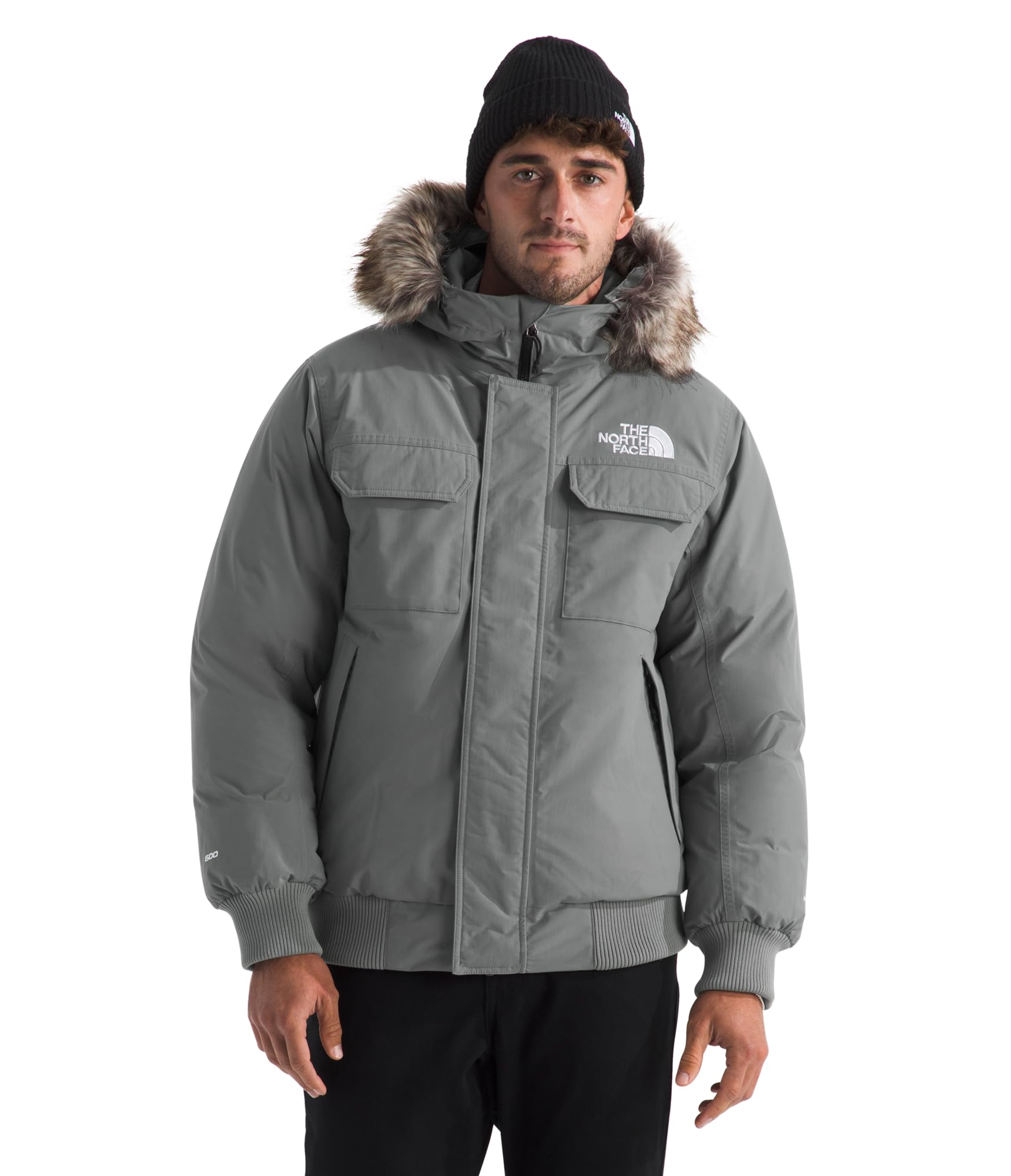
The McMurdo Bomber stands out for its waterproof DryVent shell and 600‑fill recycled down, delivering serious warmth and wind resistance in wet snow and sub‑zero conditions. It is not a packable travel jacket — it weighs 2 lbs and has a relaxed fit for layering. This is a jacket for buyers who prioritize style and brand prestige in extreme cold climates, though sizing can run small in XL and some down leakage has been noted over time.
Pros
- Extremely warm and wind‑resistant for sub‑zero conditions
- Premium build quality with a stylish bomber silhouette
- Waterproof shell provides reliable protection in wet snow and rain
Cons
- Sizing can be inconsistent — the XL may run small, so check fit before ordering
- Occasional down leakage and cuff wear over extended use
A premium down bomber that excels in extreme wet cold — best suited for buyers who value warmth and style over packability or budget.
Calvin Klein Men’s Lightweight Packable Down Jacket with Sherpa Lining
Calvin Klein Sherpa Down
Key Features
- Fill Material: Down + Sherpa
- Weight & Packability: Lightweight, packable
- Warmth Range: Cold weather
- Price: $
The sherpa lining makes this jacket noticeably warmer and softer than typical budget down options—ideal for casual winter days when you want an extra layer of comfort. The down insulation provides genuine warmth, and the price undercuts many comparable jackets from outdoor brands.
This works best as everyday cold-weather wear for errands or commuting, not for packing into a carry-on or for rugged use. The zipper mechanism can stick or split after a few uses, so it’s worth checking early on—return policies are straightforward if an issue appears.
Pros
- Sherpa lining delivers exceptional warmth and softness for the price
- Stylish enough for everyday wear without looking bulky
- Good value for a genuine down jacket with fleece interior
Cons
- Zipper may stick, split, or break after limited use
A warm, cozy down jacket for casual cold-weather wear, but check the zipper early to be safe.
North Face Aconcagua 3
North Face Aconcagua 3

The North Face Aconcagua 3 is a comfortable, warm active layer with a hood that fits over beanies and helmets, and wind/water resistance. It works well as a midlayer for cool-weather activities or under a shell. However, the fabric can develop tears or punctures with regular use, and its insulation blend means it’s not a true down jacket for buyers seeking pure down warmth and long-term durability at this premium price.
Pros
- Warm without being bulky – great for active use
- Comfortable fit that works with beanies and ball caps
Cons
- Fabric can tear or puncture with limited use – a tradeoff for the lightweight feel
Best suited as a packable active insulation piece for mild winter conditions rather than a dedicated down jacket.
How to Choose
The most important factor when buying a down jacket is verifying the fill material – many jackets marketed as ‘down’ are actually filled with synthetic polyester.
Fill Material and Power
Real down typically comes from goose or duck and traps heat more efficiently than polyester for the same weight. Higher fill power (e.g., 600 vs. 800) means more loft and warmth per ounce, but also a higher price.
Many fashion brands label a jacket as ‘down’ when the inner lining is synthetic. Always check the care tag or product specs – if it says ‘polyester fill’, it’s not down, regardless of the outer marketing.
Weight and Packability
A lightweight down jacket (under 10 ounces) compresses into a small pouch, making it ideal for travel or stuffing into a backpack. The trade-off: that thin shell offers less insulation against wind and cold.
If you need a single jacket for both travel and deep winter, consider a heavier parka that sacrifices packability for better warmth and wind resistance. Know your primary use case before choosing.
Warmth Rating and Temperature Range
Down jackets vary widely in warmth. A 600‑fill jacket with a thin shell may be comfortable down to around 40°F, while a 800‑fill parka with a windproof exterior can handle sub‑zero temperatures. The fill power alone doesn’t tell the full story – the shell fabric and loft thickness matter equally.
If you plan to layer under a shell, a lighter down piece works. For standalone use in bitter cold, choose a jacket with a higher fill power and a longer cut that covers the hips.
Weather Resistance
Down loses almost all insulating ability when wet. A water‑repellent finish (DWR) or a waterproof shell is essential if you’ll encounter rain, wet snow, or high humidity. Jackets marketed as ‘water resistant’ can handle light drizzle but won’t hold up in sustained rain.
If you live in a wet climate, prioritize a down jacket with a waterproof outer layer or plan to wear it under a separate rain shell.
Zipper and Hardware Durability
Zippers are the most common failure point on down jackets. Plastic zippers can stick, split, or break after a few months of use, especially on budget models. Metal zippers are more durable but add weight.
Check recent reviews for zipper complaints before buying. If a jacket has repeated reports of zipper failure, consider a different model or be prepared to replace the zipper professionally.
FAQ
Why does my Calvin Klein ‘down’ jacket have a polyester fill label?
Some Calvin Klein jackets are marketed as ‘down puffers’ but actually use polyester fill. This is a marketing discrepancy common among fashion brands. Always check the product specs or care tag before buying – if it says polyester, it’s not real down.
How do I prevent my down jacket zipper from breaking?
Avoid forcing a stuck zipper – fabric caught in the teeth is usually the cause. Lubricate the zipper with a silicone‑based spray or a candle wax stick. If a zipper starts splitting, replace it early before the damage worsens. Jackets with metal zippers tend to last longer.
Is a 600‑fill down jacket warm enough for a Canadian winter?
It depends on the jacket’s construction. A 600‑fill down jacket with a thick shell and windproof exterior can handle moderate winter cold down to about 10°F. For prolonged sub‑zero exposure, choose an 800‑fill parka or one with additional synthetic insulation. Layering also helps.
Can I machine wash a down jacket without ruining it?
Yes, but use a front‑loading washer, a gentle cycle with cold water, and a special down detergent. Do not use fabric softener. Tumble dry on low heat with a few clean tennis balls to break up clumps. Improper washing can ruin the loft and cause down leakage.