
This post contains affiliate links. We may earn a small commission when you buy through our links — at no extra cost to you.
A heated jacket promises relief from freezing commutes and chilly mornings, but the spec sheet rarely matches the real world. Battery life claims often assume the lowest heat setting, while most users need high heat to stay comfortable. The result: jackets that die well before the day ends, leaving you in the cold.
This guide identifies the women’s heated jackets that deliver dependable warmth and a fit that works, so you can buy with confidence. You’ll find options that prioritize real-world battery performance, not just marketing numbers, plus insights on how to get all-day heat with a simple extra battery purchase.


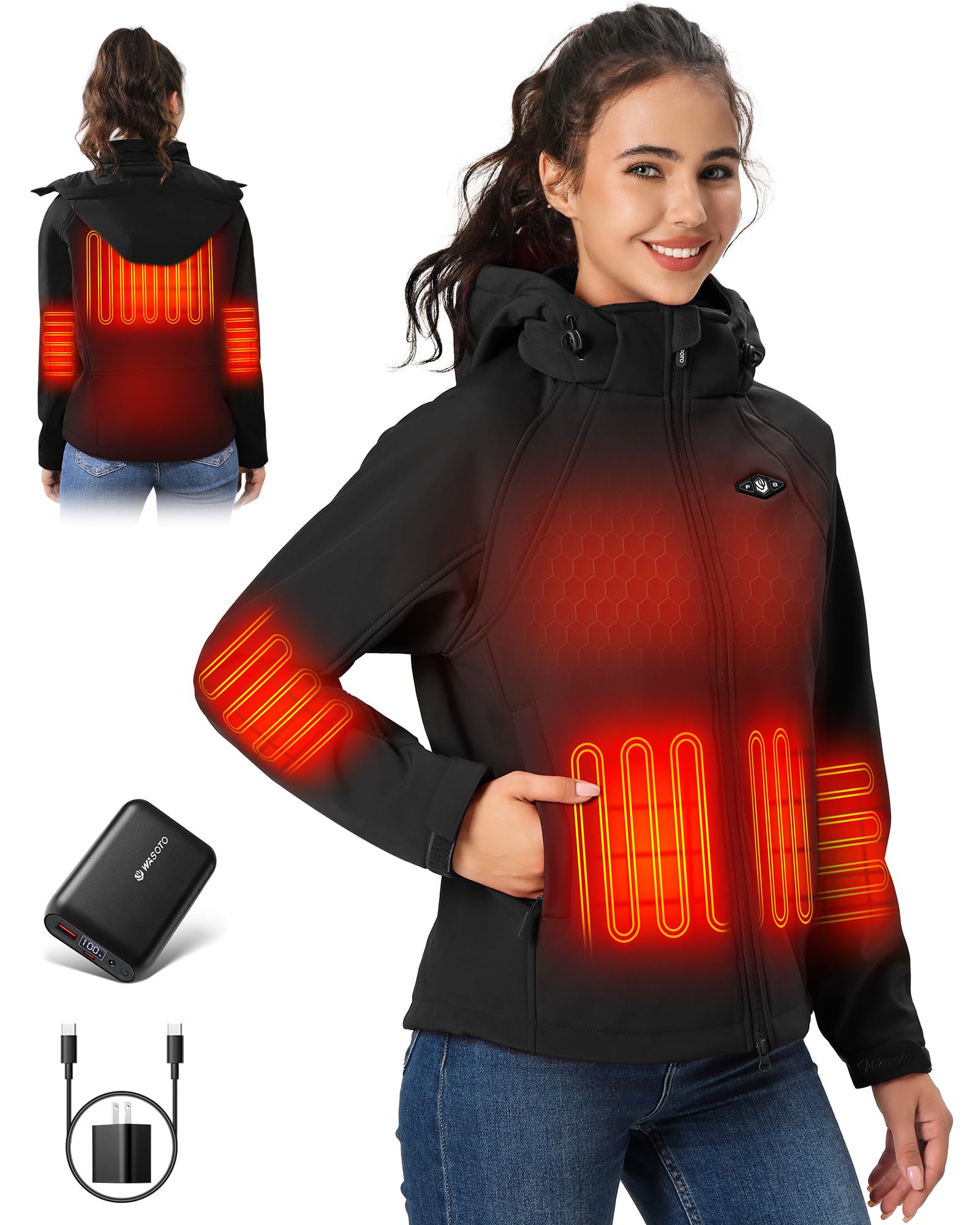
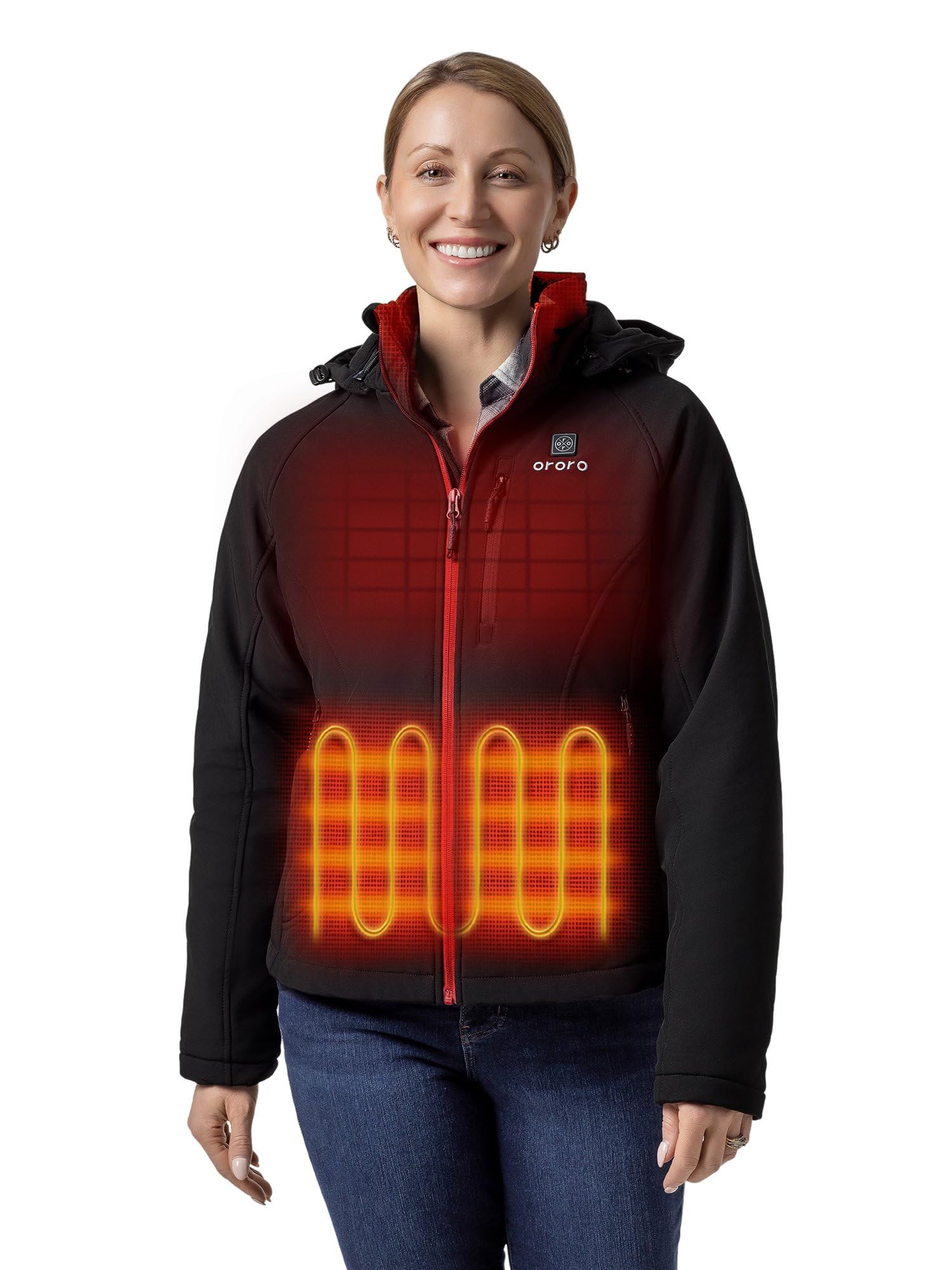

Best for Daily Commuting
ORORO 4-Zone Heated Jacket
Key Features
- Heating Zones: 4 (chest, back, collar)
- Battery & Replaceability: 7.4V, non-replaceable
- Water/Wind Resistance: Water-resistant
- Fit & Sizing: Runs large
- Price: Mid-Range
The four heating zones cover chest, back, and collar, warming up quickly even on cold mornings. The insulated shell blocks wind effectively, and the fit is feminine without sacrificing room for a mid-layer.
This jacket suits daily commuters who want consistent warmth without frequent adjustments. Battery life can vary between units, so keeping a spare battery on hand is a practical move for all-day use. The cut runs large, especially in the sleeves — sizing down works better for most builds, and the battery pack adds noticeable weight, though it’s manageable for short trips.
Pros
- Solid insulated shell with four heating zones delivers quick, even warmth.
- Build quality stands up to regular use with a durable finish.
- Comfortable cut that flatters without restricting movement.
Cons
- Battery runtime varies between units — for full-day outings, a spare battery is practical.
- Jacket runs large, especially in sleeves — those between sizes may want to size down.
A dependable heated jacket for everyday commutes — just budget for a spare battery if you need all-day warmth.
Best for Battery Endurance
Wulcea 18400mAh Fast Charge
Key Features
- Battery & Replaceability: 18400mAh, non-replaceable
- Fit & Sizing: Runs small
- Price: Mid-Range
What sets the Wulcea apart is its large 18400mAh battery that supports fast charging, giving you longer heat on a single charge than most jackets at this price. The graphene heating responds quickly, and the faux fur collar adds a touch of comfort. That said, the fit runs small — going up a size is a good bet if you plan to layer underneath. Battery life can vary from unit to unit, so it’s worth keeping expectations moderate for all-day use in very cold conditions.
Pros
- Fast graphene heating with consistent warmth across key zones
- Large 18400mAh battery supports longer outdoor sessions before recharge
- Faux fur collar and clean styling make it suitable for casual wear
Cons
- May need to size up for comfortable layering; the cut runs small
- Battery life can be shorter than expected on the highest heat setting
Best for value-conscious women who want a battery-forward heated jacket and don’t mind checking the fit and battery performance after purchase.
Best for Budget Occasional Use
OAOA Heated Jacket 10000mAh
Key Features
- Heating Zones: 3 (chest, back, pockets)
- Battery & Replaceability: 10000mAh, non-replaceable
- Fit & Sizing: True to size
- Price: Budget
Three heating zones and dual-button control at this price point set it apart from pricier jackets. The 10000mAh battery is included, and the jacket itself feels lightweight and comfortable for casual wear. For chilly mornings and short commutes, the warmth output is noticeable and immediate across the chest, back, and pockets.
This is best for occasional use — the first time you test heated jackets or for short errands when temperatures are mild. Longevity is a gamble; some units may stop working after only a few outings, and battery runtime won’t stretch across a full day on high. If you accept that risk, the value is hard to beat.
Pros
- Outstanding price for a complete heated jacket with battery.
- Lightweight feel stays comfortable during active wear.
- Three-zone warmth handles chilly days effectively.
Cons
- Battery runtime can be shorter than expected on high, and some batteries may fail to hold a charge.
- The jacket may stop heating after limited use, making long-term durability uncertain.
If consistent, all-day warmth is a must, the ORORO 4-Zone offers far more peace of mind. But for low-stakes occasional use where a shorter lifespan is an acceptable tradeoff, this jacket’s heat and price are a compelling entry point.
Best for Slim Style
WASOTO 18400mAh Heated
Key Features
- Battery & Replaceability: 18400mAh, non-replaceable
- Water/Wind Resistance: Water-resistant
- Fit & Sizing: Slim fit, true to size
- Price: Mid-Range
The WASOTO jacket prioritizes a slim, flattering cut without sacrificing battery capacity — its 18400mAh pack is among the largest in the category. Unlike bulkier battery-endurance models, it delivers similar capacity in a sleeker shape that doesn’t feel technical.
It suits women who want instant heat on cold commutes or walks and value a feminine silhouette over layering room. The slim fit may not accommodate heavy mid-layers or very petite frames, and battery runtime on high may fall short of all-day use, making it a better match for short to moderate outings.
Pros
- Warms up quickly and provides substantial heat output.
- Stylish design with high-quality materials that look more premium than typical heated gear.
- True-to-size fit that feels comfortable for all-day wear, not boxy.
Cons
- Battery runtime on high may be shorter than the large capacity suggests, limiting all-day use without a backup.
If a tailored look and generous battery capacity matter more than maximum endurance, this jacket delivers solid warmth and style at a mid-range price.
Best for Refined Design
ORORO Shell Heated Jacket
Key Features
- Heating Zones: 4 (chest, back, collar)
- Battery & Replaceability: 7.4V 5000mAh, non-replaceable
- Water/Wind Resistance: Water-resistant
- Fit & Sizing: Tailored fit
- Price: Mid-Range
The ORORO Shell Heated Jacket delivers fast, even warmth across four zones plus the collar, with a cut that many find noticeably more flattering than earlier versions. The water-resistant shell and included Mini 5K battery provide immediate heat for cold mornings. Battery life on high runs shorter than some alternatives — enough for a commute or walk, but stretching to a full day will require a spare battery. Long-term durability under regular heavy use is not yet established given the limited field experience, with occasional reports of zipper or battery hiccups after several charges.
This jacket suits ORORO fans who want the latest model and appreciate a refined design over the classic flagship. If you value a tailored look and don’t mind carrying an extra battery for longer days, the updated silhouette and collar heat make it a compelling option. Those needing maximum battery endurance or a years-long track record should look to the standard ORORO with thousands of reviews.
Pros
- Heats up quickly and stays warm across chest, back, and collar.
- Comfortable shell with a flattering, tailored fit.
- Looks polished and modern compared to bulkier heated jackets.
Cons
- Battery life on high may not cover a full day outdoors without a spare battery.
- Some units have shown zipper or battery issues after several charges, so consistency varies.
For those who value fit and aesthetics over the longest track record, the updated ORORO delivers immediate warmth and a polished look — just be prepared for possible battery limitations.
Best for Shared Unisex Use
Venustas Unisex Heated Jacket
Key Features
- Heating Zones: 3 (chest, back, neck)
- Water/Wind Resistance: Water-resistant
- Fit & Sizing: Unisex, roomy
- Price: Mid-Range
The Venustas heats up quickly and feels lightweight, delivering decent warmth for the price. The unisex fit and detachable hood make it easy to share between two people with similar builds. Battery performance can be inconsistent — for a full day outdoors, you may need to recharge or carry a spare pack.
Pros
- Heats up quickly and provides solid warmth for cold mornings
- Lightweight build makes it comfortable for casual wear
- Unisex sizing lets two people share a single jacket
Cons
- Battery runtime on high can be shorter than expected for all-day use
- Seam durability may not hold up under heavy daily wear
A practical budget option for occasional use, but suits light use better than daily heavy wear.
Best for Fashionable Warmth
Wulcea Graphene Heated Jacket

Key Features
- Heating Zones: 3 (chest, back, pockets)
- Battery & Replaceability: Large capacity, non-replaceable
- Fit & Sizing: Flattering fit
- Price: Mid-Range
The fur-lined hood and graphene heating elements provide fast, sumptuous warmth with a flattering silhouette. Battery life is less consistent than top-tier jackets, and the plush fur adds noticeable weight. It suits casual cold-weather outings where style matters more than all-day runtime; plan on a spare battery for extended use.
Pros
- Fast, sumptuous warmth even without activating the heat
- Stylish, flattering fit with soft fur lining
Cons
- Battery life may fall short of expectations on high heat; a spare battery is advisable for all-day use
For cold-weather commutes and casual outings where fashion and quick warmth matter more than marathon battery life, this jacket’s cozy fur and fast heat make it a compelling choice.
Best for Mild Layering
ORORO Fleece Heated Jacket

Key Features
- Heating Zones: 4 (chest, back, collar)
- Battery & Replaceability: 7.4V, non-replaceable
- Fit & Sizing: Runs large
- Price: Mid-Range
The ORORO fleece jacket delivers immediate, soft warmth with four heating zones, making it a cozy mid-layer on calm, chilly days. The fleece fabric lacks wind resistance, limiting standalone use in blustery conditions, and the battery can be inconsistent — occasional charging failures have been noted. It’s best reserved for mild layering where those trade-offs don’t compromise comfort.
Pros
- Heats up quickly and provides cozy warmth for a fleece layer.
- Incredibly soft and comfortable against the skin.
Cons
- Battery may lose ability to charge or stop working after short-term use.
A good fit for mild-weather layering under a shell, where wind isn’t an issue and battery quirks are manageable.
Best for Budget Waterproof
Genovega Graphene Heated

Key Features
- Heating Zones: 3 (chest, back, pockets)
- Battery & Replaceability: Large capacity, non-replaceable
- Water/Wind Resistance: Waterproof, windproof
- Fit & Sizing: Roomy fit
- Price: Mid-Range
Graphene heat and a waterproof shell combine for quick, dry warmth at a price that undercuts many competitors. The large included battery is a plus, but its weight contributes to the jacket’s bulky feel, and runtime may fall short for all-day high-heat use — making it a better fit for casual, moderate-cold days.
Pros
- Quick heat-up delivers noticeable warmth in minutes.
- Stylish design with quality construction.
Cons
- Battery runtime may not sustain a full day on high, requiring recharges for extended use.
If you prioritize waterproofing and value pricing for shorter outings, this jacket makes sense despite its heft and battery variability.
Best for Separate Zone Control
Venustas Dual-Control Heated

Key Features
- Heating Zones: 4 (chest, back, collar, pockets)
- Battery & Replaceability: Lithium Polymer, non-replaceable
- Water/Wind Resistance: Water-resistant
- Fit & Sizing: Unisex fit
- Price: Mid-Range
The dual-zone design lets you independently warm your chest and back, and the jacket heats up fast. The fit is comfortable without bulk. However, battery runtime can be short for extended use, and heating zones may fail after months — this is a casual-use jacket, not a daily driver for long cold days.
Pros
- Heats up quickly and provides comforting warmth.
- Comfortable, non-bulky fit.
Cons
- Battery life can fall short of all-day use on high heat.
If you need separate temperature control for your chest and back for short cold-weather outings, this jacket is a reasonable mid-range option. For consistent all-day warmth, consider a more dependable alternative.
Best for Sturdy Build
DEWBU Soft Shell 12V

Key Features
- Heating Zones: 3 (chest, back, collar)
- Battery & Replaceability: 12V Li-Ion, non-replaceable
- Water/Wind Resistance: Water-resistant
- Fit & Sizing: Runs large
- Price: Mid-Range
The soft shell material and detachable hood make this jacket a flexible layer for mild conditions, delivering rapid heat-up and a substantial feel. Fit runs on the boxy side and the battery runtime is limited, so it’s best reserved for short outings rather than all-day warmth.
Pros
- Warms up in seconds and delivers steady heat across the core.
- Soft shell fabric feels substantial and resists light moisture, holding up to regular use.
Cons
- Over extended wear, some jackets may develop electrical glitches like cable shorts or unexpected shutdowns, affecting reliability on longer outings.
Works for short outdoor errands or cool-weather walks where a boxier fit isn’t a dealbreaker, but look elsewhere if you need tailored warmth or all-day battery endurance.
Best for Ultra-Light Layer
Venustas Fleece Heated

Key Features
- Heating Zones: 3 (chest, back, collar)
- Battery & Replaceability: Lithium Polymer, non-replaceable
- Fit & Sizing: Runs small
- Price: Mid-Range
The fleece delivers soft, lightweight warmth with quick heat-up, making it a cozy layer for mild days. However, battery drain limits runtime to short outings, and heating components may stop functioning after limited use — it’s best for occasional, short-duration wear rather than regular winter reliance.
Pros
- Good warmth and quick heat-up
- Lightweight and comfortable for layering
Cons
- Sizing runs small; ordering a size up is advisable for a comfortable fit
For quick errands on crisp fall days where softness trumps endurance, this jacket fills a niche — just don’t expect it to last through a full winter of daily use.
How to Choose
Real-world battery runtime on high heat rarely matches the advertised numbers, so plan for a spare battery if you need all-day warmth.
Heating Strategy: More Zones, Even Warmth
Heated jackets typically place panels on the chest, back, and sometimes collar or pockets. More zones mean heat distributes across your core without cold spots, but they also draw more power.
A 4-zone jacket provides balanced coverage for active use, while a 3-zone design cuts cost and weight. Collar heating is the differentiator for neck warmth in biting wind; if you already own a scarf, a chest-and-back configuration might suffice.
Battery Power: Runtime vs. Weight
Advertised battery life assumes the lowest heat setting. On high, most jackets drain in 90 minutes to 3 hours. A larger mAh rating extends runtime, but adds bulk in the jacket’s pocket.
Virtually all built-in batteries are proprietary and not user-replaceable. If a battery fails after a season, you may need an expensive replacement or a new jacket. Check if the brand sells standalone battery packs before committing.
Weatherproofing: Water-Resistant vs. Waterproof
A water-resistant jacket sheds light rain and snow, but extended downpours soak through seams. For hiking or commuting in wet climates, look for fully waterproof membranes.
Fleece styles feel cozy but offer zero wind protection unless layered under a shell. If you plan to wear the jacket as an outer layer, prioritize a hard-shell design.
Fit Precision: Why Sizing Charts Aren’t Enough
Heated jackets often run large to accommodate batteries, but a baggy fit reduces heating efficiency because panels lose skin contact. Conversely, slim-fit designs transfer heat more directly but may feel restrictive with thick layers underneath.
Cross-check multiple reviews for fit consensus, and if between sizes, size down only if you’ll wear a thin base layer. Unisex cuts can fit women differently than a dedicated women’s shape.
Support You Can Count On
Brand reputation matters when a battery dies or a heating element fails. ORORO and Venustas have mixed feedback on replacement responsiveness, but ORORO tends to offer better support.
Check the warranty period and whether it covers battery defects. A longer warranty can offset the risk of early component failure, which is common across this category.
FAQ
Why does my heated jacket battery only last an hour on high when the description says 6 hours?
Manufacturers test battery life on the lowest heat setting, which you’ll rarely use in real cold. On high, most batteries drain within 1–3 hours. The advertised 6-hour figure is achievable only in mild temperatures with minimal heat output. Ignore the high-end claim and keep a spare battery if you need more than two hours of strong heat.
Can I replace the battery in a heated jacket with a standard power bank?
No, most heated jackets use a proprietary barrel connector or 7.4V/12V output, incompatible with USB power banks. You must buy the brand’s specific battery pack. Some newer models with USB-C may allow standard power banks, but confirm the voltage requirement before attempting. Stick with the manufacturer’s battery to avoid damaging the heating elements.
Are heated jackets safe to wear in rain or snow?
Water-resistant jackets handle light moisture, but submerging the battery or exposing wiring to heavy rain can cause shorts. Look for jackets rated IPX4 or higher if you’ll wear them in wet climates. For prolonged wet weather, pair the jacket with a waterproof shell.
How do I wash a heated jacket without damaging the wiring?
Remove the battery and any cable connections, then machine-wash on gentle cycle in cold water using a mesh bag. Never iron or dry-clean; air-dry only. Zip all zippers and close Velcro to prevent snags on the heating wires. Hand-washing is the safest method if you’re concerned about longevity.