
This post contains affiliate links. We may earn a small commission when you buy through our links — at no extra cost to you.
Finding a barefoot sneaker that genuinely delivers on its wide-toe-box promise without emptying your wallet can feel like a lottery. Many budget options run surprisingly narrow, and soles have a reputation for separating after just a few months of daily walking. For travelers who log miles on city streets and hotel gyms, that kind of unpredictability is more than an annoyance — it’s a trip-ruiner.
This guide zeroes in on the handful of men’s barefoot sneakers where the toe room is real, the zero-drop feel is consistent, and the durability trade-offs are clearly mapped out. Whether you need a grippy trail shoe for weekend hikes or a casual sneaker that won’t scream ‘barefoot’ at a café, you’ll find choices that match your pace and your packing list.
Because swapping out blister-prone shoes on a long travel day is the last thing you need, each pick here delivers out-of-the-box comfort and reliable sizing — so you can hit the ground walking, not limping.



Best for Trail, Gym, Daily
WHITIN Trail Runner
Key Features
- Zero-Drop Sole: Yes
- Wide Toe Box: Yes
- Flexibility & Ground Feel: Thin, flexible sole
- Price: Budget
A flexible, zero-drop sole that grips rocks, gravel, and gym floors without sacrificing ground feel. The wide toe box allows natural splay, and the thin outsole delivers a direct connection to the terrain — no cushion to mute feedback. This is a shoe that moves with the foot, not against it.
For trail runners, gym-goers, or anyone transitioning from traditional footwear, the WHITIN offers a low-cost entry into barefoot training. The tradeoff: sole durability varies between units — separation within a few months of regular heavy use has been noted. Those with wider feet may also find the toe box less generous than advertised. Stick to mixed-terrain adventures and light-to-moderate weekly mileage, and the value is hard to beat.
Pros
- Natural, pain-free walking experience with a true barefoot feel
- Confident grip on trail surfaces, gravel, and gym floors
- Cost-effective price paired with performance that rivals premium barefoot shoes
Cons
- Toe box may feel snug for those with genuinely wide feet, despite the ‘wide’ label
- Occasional sole separation or accelerated wear under daily heavy use
The most capable budget barefoot shoe for mixed terrain and gym — just check your fit and expect a lighter-duty lifespan.
Best for Gym Workouts
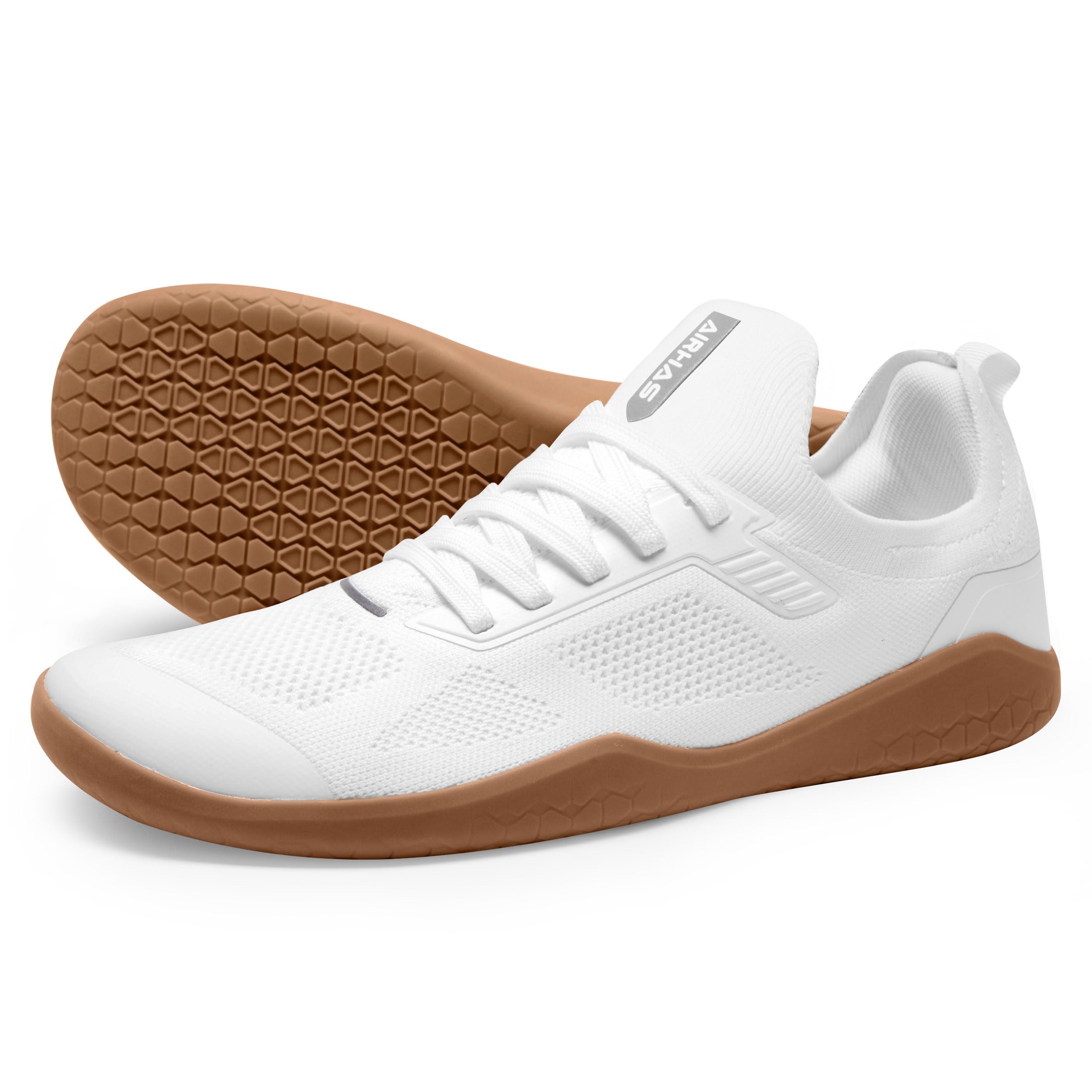
AIRHAS Gym Sneaker
Key Features
- Zero-Drop Sole: Yes
- Wide Toe Box: Yes
- Flexibility & Ground Feel: Thin, flexible sole
- Price: Budget
The AIRHAS sneaker delivers outstanding proprioception for squats and deadlifts, with a sole thin enough to feel the floor yet supportive enough for lifting sessions. The minimalist silhouette draws consistent compliments — it looks far more premium than its budget price suggests.
The toe box, while shaped to allow toe splay, can feel snug on wide feet and won’t suit those who need a truly anatomical fit. Casual wear and short walks are well within its comfort zone, but the sole may show wear sooner than expected with daily use. This shoe is for weightlifters and cross-trainers who prioritize ground contact and a sleek design over long-term durability.
Pros
- Feels like wearing socks during gym workouts — exceptional ground contact for deadlifts and squats.
- Minimalist design looks more expensive than it is, earning consistent aesthetic praise.
- Outstanding value for the quality — price-performance ratio receives near-unanimous approval.
Cons
- Toe box may feel snug for those with naturally wide feet, limiting the barefoot experience.
- Sole wear or upper damage may appear within months of regular use.
If you’re a weightlifter or cross-trainer seeking barefoot feel for under $45, this shoe justifies its spot — but wide-footed buyers should verify fit or consider a roomier alternative.
Best for Water, Gym, Budget
MIFAWA Water/Gym Shoe
Key Features
- Zero-Drop Sole: Yes
- Wide Toe Box: Yes
- Flexibility & Ground Feel: Thin, flexible sole
- Price: Budget
Under $25, the MIFAWA blends a water shoe with a gym trainer. Quick-drain ports make it a natural for pool decks, beach outings, and kayaking, while the zero-drop platform and thin sole offer stable ground contact for squats and deadlifts. The tradeoff is short-term durability—insoles and upper materials can show wear within weeks of frequent use, so it’s best for occasional gym sessions and casual water days rather than a daily trainer.
Pros
- Sub-$25 price makes it a low-risk entry into barefoot footwear.
- Highly breathable and quick-drying for hot-weather water activities.
- Good traction on wet and dry surfaces for gym and light hikes.
Cons
- Sizing runs short and narrow; some may find the toe box less spacious than barefoot shoes claim.
- Upper and insole can wear prematurely with heavy use—best for occasional wear.
For a low-cost pool-to-gym shoe, the MIFAWA works as an occasional barefoot starter—just keep longevity expectations realistic.
Best for Casual & Walking
WHITIN Casual Sneaker
Key Features
- Zero-Drop Sole: Yes
- Wide Toe Box: Yes
- Flexibility & Ground Feel: Thin, flexible sole
- Price: Budget
Where the top pick leans into trail-ready grip, this model doubles down on casual aesthetics and a truly spacious forefoot. The generous toe room and zero-drop platform deliver a natural walking feel that suits all-day errands and light city walking. Style-wise, the sneaker blends easily with jeans and shorts — it won’t draw attention as a barefoot shoe. This is the right entry point for wide feet, bunions, or anyone curious about barefoot benefits without committing to a niche look. Just plan a gradual break-in period; the flat sole and absent arch support can feel punishing if you dive straight in from padded trainers.
Pros
- All-day walking comfort with a barefoot, ground-connected sensation.
- Extra-wide toe box allows natural toe splay without pinching.
- Unobtrusive design that passes for a standard casual sneaker.
Cons
- Sole layers can separate after a few months of regular use.
For a casual walker that puts toe comfort and low-key style first, this WHITIN represents a smart entry into barefoot shoes at a budget-friendly price.
Best for Wide Feet
ASITVO Wide Walker
Key Features
- Zero-Drop Sole: Yes
- Wide Toe Box: Yes
- Flexibility & Ground Feel: Thin, flexible sole
- Price: Budget
A true extra-wide fit that accommodates swollen feet from day one, with a clean sneaker silhouette that doesn’t look like a water shoe. Among budget barefoot options, this model stands out for roominess—many wide-footed users find the toe box exactly what they need without pinching or pressure points.
It’s ideal for men with wide or swollen feet who walk, hit the gym, or need a casual shoe that feels roomy out of the box. Sizing runs a bit short, so consider moving up half a size. Durability is average—sole wear can show earlier than pricier shoes—but for the price, that’s an acceptable trade-off.
Pros
- Genuinely wide toe box gives swollen feet immediate room
- No break-in needed—comfortable right out of the box
- Sleek sneaker styling, not a water-shoe look
Cons
- Length can run short—sizing up is often needed
- Sole separation or accelerated wear can appear with frequent use
Wide-footed walkers and gym-goers who prioritize immediate room and style get a rare budget fit, accepting a shorter lifespan and the need to size up.
Best for Water & Casual
ELETON Unisex Hiker

Key Features
- Zero-Drop Sole: Yes
- Wide Toe Box: Yes
- Flexibility & Ground Feel: Thin, flexible sole
- Price: Budget
The ELETON Unisex Hiker offers near-weightless, wide-toe comfort that can noticeably ease neuropathy-related foot pain during casual walks and water outings. Sizing can run small, so checking the size chart is wise, and the barefoot design provides minimal arch support—extended treks may lead to foot fatigue. This shoe shines for beach days, travel, and sensitive feet, not as an all-day walking shoe.
Pros
- Provides noticeable relief for neuropathy-related foot pain during casual wear.
- Ultra-lightweight, breathable design packs flat and keeps feet cool.
Cons
- Sizing can run small; the wide toe box may feel snug for some foot shapes.
If you need an ultra-light, water-friendly shoe for sensitive feet or neuropathy relief at a budget price, the ELETON works well—just size up and keep walks short.
Best for Errands & House
Pulltop Slip-On

Key Features
- Zero-Drop Sole: Yes
- Wide Toe Box: Yes
- Flexibility & Ground Feel: Thin, flexible sole
- Price: Budget
The Pulltop Slip-On combines laceless convenience with a wide toe box for casual, low-activity use. The zero-drop sole with minimal cushioning works well for short house wear or errands, but all-day walking on hard floors can lead to foot fatigue. That limited endurance means it’s not suited for long walks or workouts.
Pros
- Easy slip-on design eliminates laces for quick on/off.
- Roomy toe box provides barefoot comfort for house wear.
Cons
- Minimal cushioning may cause foot fatigue on hard floors with prolonged standing or walking.
For quick slip-on wear around the house or short errands, the Pulltop Slip-On is a low-cost barefoot option. Foot fatigue may set in if you wear it for hours on end.
Best for Light Cross-Training
Weweya Cross Trainer

Key Features
- Zero-Drop Sole: Yes
- Flexibility & Ground Feel: Thin, flexible sole
- Price: Budget
The Weweya cross trainer moves smoothly between light runs, gym sessions, and casual wear without overstretching a budget. That versatility is its strongest card. Durability can become a limitation; seams and soles may show wear within a few months of regular use. The fit also runs narrower than many barefoot shoes, so it won’t suit wide feet. As a budget entry into minimalist footwear, it’s a practical temporary option, but those needing a roomier toe box and longer lifespan will find more refined alternatives elsewhere in this category.
Pros
- Handles light runs, gym work, hiking, and everyday wear without needing multiple shoes.
- Delivers barefoot feel and cross-training function at a budget-friendly price.
Cons
- Toe box runs narrower than typical barefoot shoes, which can pinch wider feet.
If you need a single budget shoe for occasional light trails, gym workouts, and daily errands, and your feet aren’t wide, the Weweya fits the bill—just plan on replacing it sooner than sturdier options.
Best for Water & Summer
Jmzb Water Hiker

Key Features
- Zero-Drop Sole: Yes
- Wide Toe Box: Yes
- Flexibility & Ground Feel: Thin, flexible sole
- Price: Budget
A featherweight, quick-drying barefoot shoe that handles wet surfaces and light trails. The wide toe box and zero-drop sole provide comfortable ground feel for casual summer wear and water sports. The thin sole lacks protection on rocky terrain, making it a poor choice for rugged hikes.
Pros
- Incredibly lightweight and comfortable for all-day casual wear.
- Quick-drying and grippy for pool, beach, and light trails.
Cons
- Sizing can be inconsistent; some may need to size up to get the right fit.
If you need an ultra-light, water-ready shoe for poolside or smooth paths, this does the job at a low cost; skip it for anything rocky.
How to Choose
The most critical factor in a barefoot sneaker isn’t the brand label—it’s whether the toe box genuinely lets your toes splay and the sole balances ground feedback with practical protection for the surfaces you walk on most.
Zero-Drop Sole
A zero-drop sole keeps your heel and forefoot at the same height, encouraging a midfoot or forefoot strike that many find more natural. However, if you’ve worn heel-elevated shoes for years, switching abruptly can overstress your calves and Achilles. Plan a transition period of several weeks where you wear the shoes for short walks before tackling a full day on pavement.
Wide Toe Box
Many budget barefoot sneakers market a wide toe box but still taper at the outer toes, constraining natural splay. Look for an anatomically foot-shaped design—where the widest point aligns with your toe knuckles—not just a scaled-up narrow shoe. For travelers who walk for hours, even a slight taper can cause blisters by mid-afternoon.
Flexibility & Ground Feel
A thin, flexible sole gives you the sensory feedback that barefoot enthusiasts prize, but it also means less protection from sharp rocks and hot pavement. For city travel and concrete-heavy routes, a sole in the 4–8mm range offers a compromise: enough ground feel to maintain form, while reducing fatigue on hard surfaces during a long sightseeing day.
Outsole Durability
At this price point, most outsoles use a single-density rubber that wears fastest under the ball of the foot. Shoes with a separate, harder rubber insert in high-wear zones typically last a few extra months. If you plan to log 5+ miles daily, expect to replace budget barefoot sneakers every 4–6 months—regardless of brand claims.
Weight & Breathability
Ultralight mesh uppers dry quickly after a sudden downpour and pack flat into a carry-on, but they offer minimal structure. If you’ll be carrying a daypack through humid cities, a featherweight, breathable shoe keeps your feet cooler and dries overnight—at the cost of lateral support during side-to-side movements in a gym.
FAQ
Why do my barefoot sneakers squeak on hard floors?
Barefoot soles often use a softer rubber compound that can grip and release on smooth tile or polished concrete, causing squeaking. Scuffing the outsole on rough pavement a few times or applying a thin strip of grip tape to the heel area usually silences the noise.
How long do cheap barefoot shoes usually last?
In the $25–$45 range, expect 4–6 months of daily wear before the tread flattens or seams begin to give. Rotating between two pairs and avoiding deep water or rough trails when possible can stretch that to 8 months, but budget barefoot shoes are fundamentally an entry-level investment.
Do barefoot shoes really help with foot pain or plantar fasciitis?
They can strengthen underused foot muscles and reduce certain types of pain, but they force your feet to work differently. A too-rapid transition often triggers the very plantar fasciitis they’re meant to help—start with 15 minutes a day on soft ground and increase gradually over a month.
What size should I buy if I have wide feet?
Always measure your feet in the afternoon when they’re slightly swollen, then compare to the brand’s specific size chart. For a true anatomical toe box, your longest toe should have about a thumb’s width of space in front, and the shoe should match the shape of your foot, not just run ‘wide’ in a straight line.
Which WHITIN barefoot shoe is better for everyday walking: the Trail Runner or the Casual Sneaker?
The Casual Sneaker has a smoother, street-friendly look and a slightly roomier toe box that many find more comfortable for all-day pavement use. The Trail Runner’s grippier tread excels on trails and gym floors but can feel overbuilt for office wear. Choose the Casual Sneaker unless you need the extra traction.