
This post contains affiliate links. We may earn a small commission when you buy through our links — at no extra cost to you.
Minimalist hiking shoes promise a natural, barefoot-like stride, but the category is split between budget-friendly options that deliver surprising comfort and premium models that often fall short on durability. Sizing inconsistency is the most common frustration—half a size too small can ruin a hike, while half a size too large leads to blisters.
The real trade-off isn’t price—it’s terrain. A flexible, thin-soled shoe shines on packed dirt but leaves feet sore on rocky trails. A sturdier sole with moderate cushioning handles mixed terrain but reduces the barefoot sensation you might crave.
For most hikers, the sweet spot is a shoe that balances a wide toe box, reliable traction, and a sole that lasts through a season of weekend hikes. This guide highlights the picks that get that balance right, helping you choose without paying for features you don’t need.


Best for All-Gender Hikers
UBFEN Trail Runner
Key Features
- Toe Box Width: Wide
- Sizing Accuracy: True to size
- Price: Budget
The UBFEN sneakers deliver a genuine barefoot experience with a wide toe box, zero drop, and a flexible sole that lets your feet move naturally. The fit runs true to size, which takes the guesswork out of ordering, and the retro design blends in well off the trail. Comfort holds up through a full day of walking or light hiking, with enough traction for packed dirt and gravel paths.
These are best for hikers new to barefoot footwear or anyone wanting one pair for both daily use and moderate trails. The tradeoff is minimal arch support – standard for this shoe category – so if you need more, plan to add aftermarket insoles. Compared to the top men’s-specific budget option, the UBFEN’s unisex sizing offers a more consistent fit across different foot shapes.
Pros
- All-day comfort with a roomy toe box and flexible sole
- True-to-size fit reduces sizing guesswork and return hassles
- Retro look pairs well with casual wear while providing grip on trails
Cons
- Arch support is minimal (by design); aftermarket insoles recommended if needed
A straightforward barefoot hiker that covers the essentials without fuss – ideal for anyone wanting a comfortable, affordable shoe that works on trails and in town.
Best for Budget Male Hikers
WHITIN Minimalist Trail
Key Features
- Toe Box Width: Wide
- Sizing Accuracy: Inconsistent
- Price: Budget
With thousands of buyer reviews backing its performance, the WHITIN Minimalist Trail delivers a comfortable, natural feel on varied terrain at a budget-friendly price. It’s a solid option for men seeking a zero-drop, flexible trail shoe for light hiking and running, though those with wide feet may find the toe box snug, and the sole can show wear faster than expected under heavy use.
Pros
- Comfortable barefoot feel with wide toe box
- Good value for the price
- Reliable traction on mixed terrain
Cons
- Fit may be tight for very wide feet; toe box not as roomy as advertised
- Sole durability varies; some users report wear within months
For men on a budget who want a true minimalist trail shoe and don’t need an extremely wide fit, this is a low-risk entry point.
Best for Women Hikers
Joomra Trail Barefoot
Joomra’s trail barefoot shoe delivers comfort and reliable traction for women hikers on a budget. Sizing can run small — half a size up may be needed. Minimal arch support is typical for barefoot shoes, so those accustomed to support may need adjustment.
Pros
- Comfortable for long walks on varied terrain.
- Traction suits trail hiking and light off-road use.
- Budget-friendly price with strong buyer consensus.
Cons
- Arch support is minimal, as expected in barefoot shoes.
- Sizing can run small; ordering half a size up may be needed.
Women with wider feet looking for an affordable entry into barefoot hiking will find this a comfortable option, but be prepared to size up.
Best for Budget Hikers
SAGUARO Trail Runner
Key Features
- Toe Box Width: Wide
- Sizing Accuracy: Inconsistent
- Price: Budget
The SAGUARO Trail Runner delivers a roomy toe box that lets toes splay naturally, paired with a zero-drop, flexible sole that handles trails, pavement, and gym floors. Compared to the top pick, its unisex sizing can be less predictable — some find it too wide, while others experience a loose fit. This shoe suits budget-minded hikers who want one pair for multiple activities and are willing to check size carefully and keep an eye on sole attachment over time.
Pros
- Ample toe room allows natural splay for barefoot comfort.
- Good grip on both trails and smooth surfaces.
- Affordable entry point for hiking, running, and gym.
Cons
- Sizing can run large, leading to a loose fit for some.
- Sole separation may occur after months of heavy use.
For anyone needing a single budget shoe for hiking, running, and gym with a wide toe box, the SAGUARO is a capable pick — just order carefully and expect average lifespan under frequent trail use.
Best for Narrow-Foot Hikers
Merrell Trail Glove 7
Key Features
- Toe Box Width: Moderate
- Sizing Accuracy: Runs narrow
- Price: Mid-Range
The Merrell Trail Glove 7 delivers a rare combination: zero-drop barefoot feel with noticeable arch support and reliable trail traction. Where other minimalist shoes leave the foot flat, this one provides light structure underfoot that many runners and hikers find comfortable. Compared to the wider toe box options in this category, the Trail Glove runs narrower – a deliberate fit for those who don’t need extra forefoot room. The sole, however, can wear through faster than expected under regular trail use, so it suits moderate mileage rather than heavy-duty abuse.
This shoe is for hikers and runners with narrow-to-medium feet who want brand-name assurance and a hint of arch in a minimalist package. If you have wide feet or prioritize longevity, the fit and sole durability may be limiting – better to look at roomier alternatives.
Pros
- Comfortable barefoot shoe with good arch support.
- Excellent grip on trails.
- Quality build from a known outdoor brand.
Cons
- Sole can wear through in under a year with regular hiking.
- Narrow fit not ideal for wide feet.
A solid mid-range choice if your feet are narrow-to-medium and you want arch support in a zero-drop shoe – just keep an eye on sole wear.
Best for Barefoot Purists
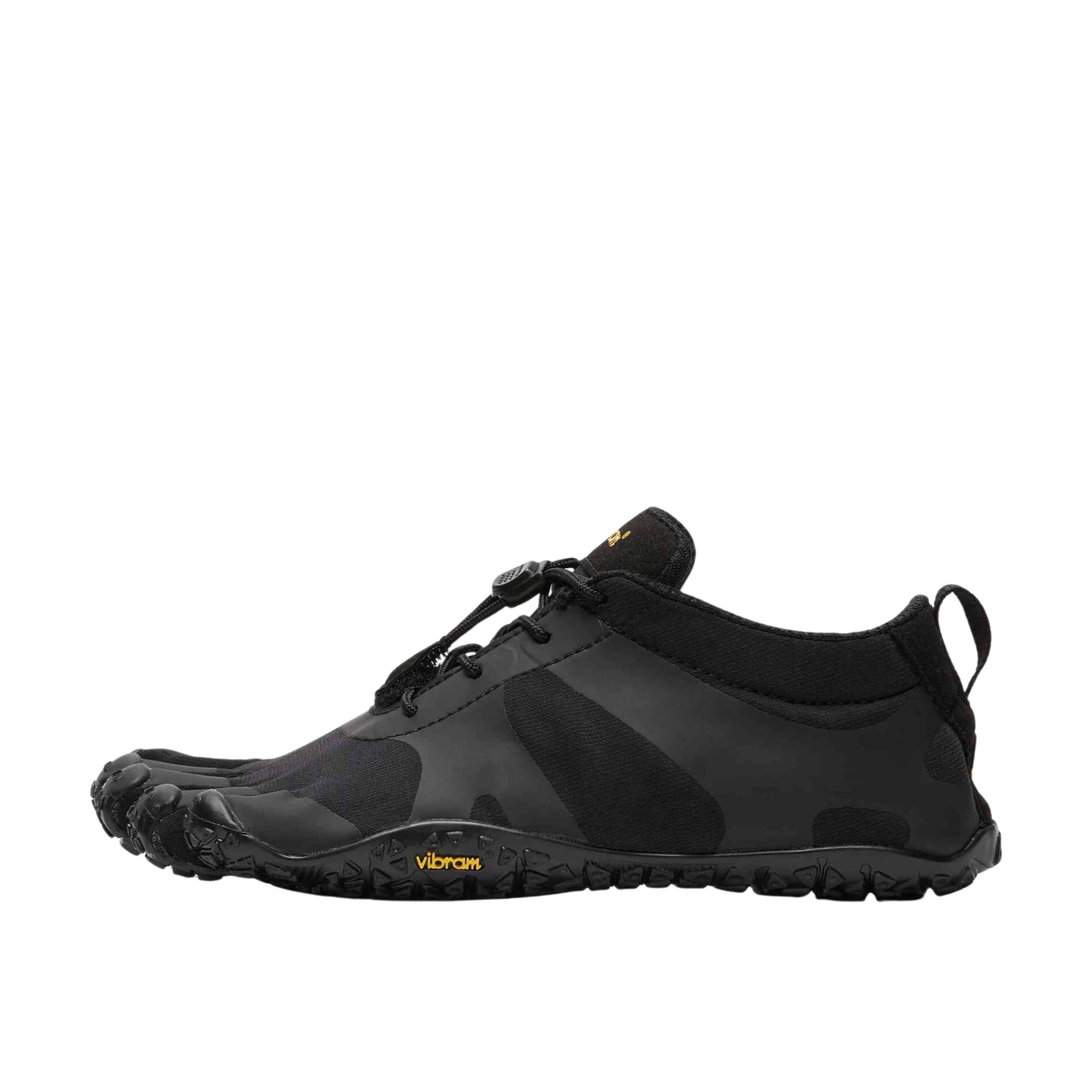
Vibram FiveFingers V-Alpha
Key Features
- Toe Box Width: Individual toe pockets
- Sizing Accuracy: Tricky fit
- Price: Premium
The V-Alpha’s individual toe pockets allow each toe to move independently, delivering a level of ground feel that conventional barefoot shoes cannot match. The thin, grippy sole provides excellent trail feedback while maintaining enough protection for light hiking.
This design suits barefoot purists who want maximum sensory connection to the trail. However, fit depends heavily on individual toe proportions — the big toe pocket can feel tight for some. Strap durability has also been noted as an occasional issue.
Pros
- Individual toe pockets enable full toe splay and sensory feedback on uneven terrain.
- Works well across hiking, running, and cross-training activities.
- Quality construction from an established barefoot brand.
Cons
- Strap durability may be a concern; occasional popping has been reported.
- Big toe pocket can be tight for certain foot shapes, making fit trial-dependent.
Best for hikers who prioritize ground feel and toe articulation over convenience; those with average toe proportions get the most benefit.
Best for Wide-Foot Hikers
ALTRA Lone Peak 8
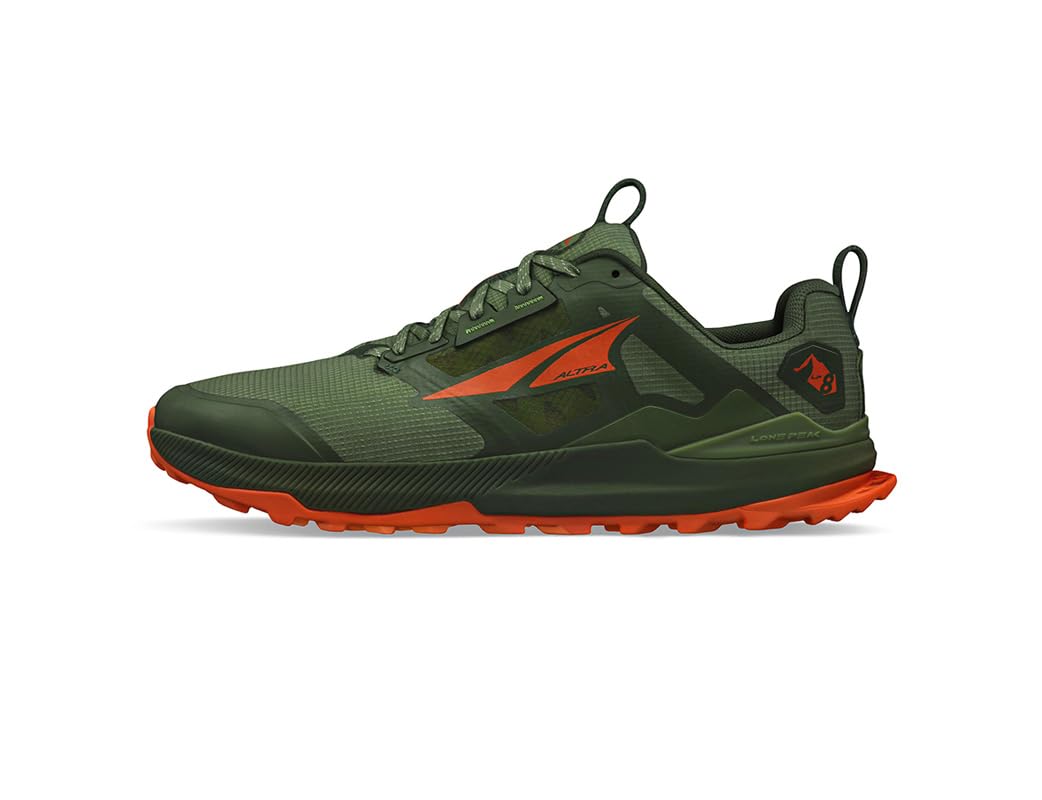
The Lone Peak 8 delivers on its promise of a spacious toe box that accommodates wide forefeet and bunions without pinching, and its outsole grips loose and wet terrain securely. However, reports of sole separation or upper tears within months of use mean longevity doesn’t match the premium price — a tradeoff worth accepting only if toe room is your top priority over lifespan.
Pros
- Generous toe box relieves pressure on bunions and wide forefeet.
- Outsole provides secure traction on loose and slick terrain.
Cons
- Sole separation or upper tears have been noted in some pairs, shortening usable life.
Best for hikers with very wide feet who accept that durability may be shorter-lived than the price suggests.
Best for Water Hiking
MIFAWA Water/Hike

This MIFAWA delivers strong grip on wet surfaces and a comfortable barefoot feel for water activities, at an entry-level price. However, the strap Velcro and sole can wear sooner than expected, and sizing runs small — order up for a proper fit. Best reserved for kayaking, water hiking, and gym cross-training rather than rocky trails or daily wear.
Pros
- Comfortable barefoot feel with wide toe box for water and gym use.
- Reliable grip on wet surfaces for water hiking and kayaking.
Cons
- Strap Velcro and sole may show wear sooner than expected, particularly with frequent use.
Best for wet-weather activities and gym sessions on a budget; not a long-term daily trainer or rocky trail shoe.
Best for Light Hiking
Jmzb Barefoot Unisex

Key Features
- Toe Box Width: Wide
- Sizing Accuracy: Inconsistent
- Price: Budget
The Jmzb Barefoot Unisex is very lightweight and breathable, delivering a true barefoot feel. Its thin sole offers limited protection against sharp rocks, making it best suited for dirt paths and water activities rather than technical hikes.
Pros
- Extremely comfortable with a true barefoot sensation
- Lightweight and breathable design suitable for warm weather and water use
Cons
- Thin sole can feel sharp on rocky ground, providing minimal protection from uneven terrain
Best for light hiking on soft dirt paths or water activities where ground feel is a priority and rocky terrain is minimal.
Best for Water/beach Use
Barezoey Water/Hike

The Barezoey delivers a genuine barefoot feel with a toe box that easily accommodates bunions or very wide forefeet. It excels for sandy shorelines or wading through calm water where protection matters little. However, the fit is inconsistent: some units run long and wide (too loose for average feet), while others feel short. This isn’t a shoe for rocky trails or technical hikes — the thin sole offers minimal underfoot armor. The value is fair for occasional wet-weather wear if your feet need extreme width, but expect to try a size down or two.
Pros
- Very comfortable barefoot feel with a spacious toe box
- Good overall quality for the budget price
Cons
- Fit can be too wide for average feet; sizing may run long or short between units
Only consider this shoe if you specifically need an ultra-wide toe box for water or beach use and are willing to manage sizing uncertainty.
Best for Casual Walking
FUNWINK Barefoot

The FUNWINK Barefoot delivers a comfortable, flexible feel for casual poolside or beach use, but the fit can run short or narrow for some feet, and the thin sole and light build mean this is a water-friendly occasional shoe rather than a trail companion.
Pros
- Comfortable feel for short walks and water activities
- Wide toe box allows natural toe splay
Cons
- Fit can be narrow or short for some foot shapes
Pick this if you need a budget zero-drop shoe strictly for water-side lounging or casual beach days and are willing to double-check sizing before committing.
Best for Extreme Budget
todaysunny Barefoot

This is the most affordable barefoot shoe you’ll find, and it delivers on initial comfort and lightweight portability. The wide toe box and zero drop meet minimalist hiking expectations for short, easy walks. However, the construction isn’t built to last: laces and fabric can wear quickly under regular trail use, and the sizing runs small — ordering up is advisable. Best suited for occasional gym sessions or paved paths where longevity isn’t the priority.
Pros
- Very comfortable for the price
- Lightweight and easy to pack
Cons
- For regular hiking or daily wear, the fabric and laces may wear out sooner than expected
This shoe works for occasional gym sessions or short walks on paved paths, but it’s not built for regular trail use.
How to Choose
The most important decision when buying minimalist hiking shoes is getting the fit right—because no amount of ground feel or traction compensates for a shoe that doesn’t match your foot shape.
Toe Box Width
A wide toe box allows your toes to splay naturally, improving balance on uneven terrain. Shoes with a narrow toe box can cause blisters and restrict the foot’s natural movement on long descents.
However, a toe box that is too wide may let your foot slide forward on steep climbs, causing toe jamming. Look for a shoe that secures the heel while giving the forefoot room to spread—this combination works best on mixed trails.
Sole Flexibility
A flexible sole mimics barefoot walking, offering excellent sensory feedback and agility on smooth surfaces. But on sharp rocks or gravel, a very flexible sole provides little protection, making every stone felt underfoot.
Moderate flexibility with a slightly thicker rubber outsole (around 8–12mm stack height) gives a good compromise: enough ground feel for technical sections and enough cushion for longer hikes on hard-packed trails.
Traction Pattern
Deep, aggressive lugs grip loose dirt and mud but can feel unnaturally slippery on smooth rock. Conversely, shallow treads perform well on hard surfaces but lose bite on wet grass or loose gravel.
For most hikers, a multi-directional tread pattern with moderate lug depth (3–5mm) offers the best all-round traction. Match the pattern to your primary terrain—if you hike wet rocks often, look for sticky rubber compounds.
Upper and Sole Durability
Budget barefoot shoes often use thin mesh uppers that tear quickly and soft rubber compounds that wear flat within months. Reinforced toe caps and stitched overlays significantly extend upper life.
On rocky trails, expect to replace sub-$40 shoes annually. Shoes in the $50–$60 range with thicker outsoles and better stitching can last two seasons with moderate use. Check for warranty information if durability is a priority.
Sizing Accuracy
Sizing varies wildly between brands—and even between colorways of the same model. A shoe that fits perfectly in one size may crush your toes in the next batch.
Always read recent reviews for sizing advice specific to the model and color you want. Ordering two sizes and returning the misfit is the surest way to get the right fit for barefoot hiking.
FAQ
Do WHITIN minimalist hiking shoes run true to size?
No, many users report inconsistencies. Some find them true to size, while others need to size up or down. Check recent reviews for your specific size and color, and consider ordering two sizes to compare at home.
How long do budget barefoot hiking shoes typically last?
With regular hiking on mixed terrain, expect around 6–12 months before the sole wears thin or the upper starts tearing. Shoes in the $40–$60 range tend to last longer than those under $30. Retire them once the tread smooths out.
Can barefoot shoes handle rocky trails without hurting your feet?
Barefoot shoes with a thin sole (less than 10mm stack height) transmit sharp rocks directly to your feet, which can be painful on long hikes. Shoes with moderate cushioning and a flexible but slightly thicker sole offer better protection while retaining ground feel. If you hike on technical terrain, avoid the thinnest models.
What’s the difference between Merrell Trail Glove and ALTRA Lone Peak for hiking?
Merrell Trail Glove has a narrower fit and lighter cushioning, making it better for runners and hikers with slim feet. ALTRA Lone Peak offers a much wider toe box and more stack height, suiting wide-footed hikers who want a touch more protection. Durability is a concern for both, but ALTRA’s failures are more commonly reported given its premium price.