
This post contains affiliate links. We may earn a small commission when you buy through our links — at no extra cost to you.
Many women’s rollerblades claim to be ‘beginner-friendly,’ but ankle support often gets sacrificed for a soft, sneaker-like feel. The result? Shin splints, instability, and a quick return to the box. This guide cuts through the marketing to find skates that balance comfort with actual support — the kind that lets you skate longer without pain.
Sizing inconsistencies and premature wheel wear are common complaints across the board. The skates that earn lasting trust from buyers share a few key traits: a snug but forgiving fit, durable components, and a supportive cuff that doesn’t cut off circulation. These are the details that matter most when choosing a pair.
Whether you’re skating around the neighborhood or logging miles on paved trails, the right skate depends on your foot shape and goals. We’ve highlighted the key trade-offs so you can match the right pair to your needs.


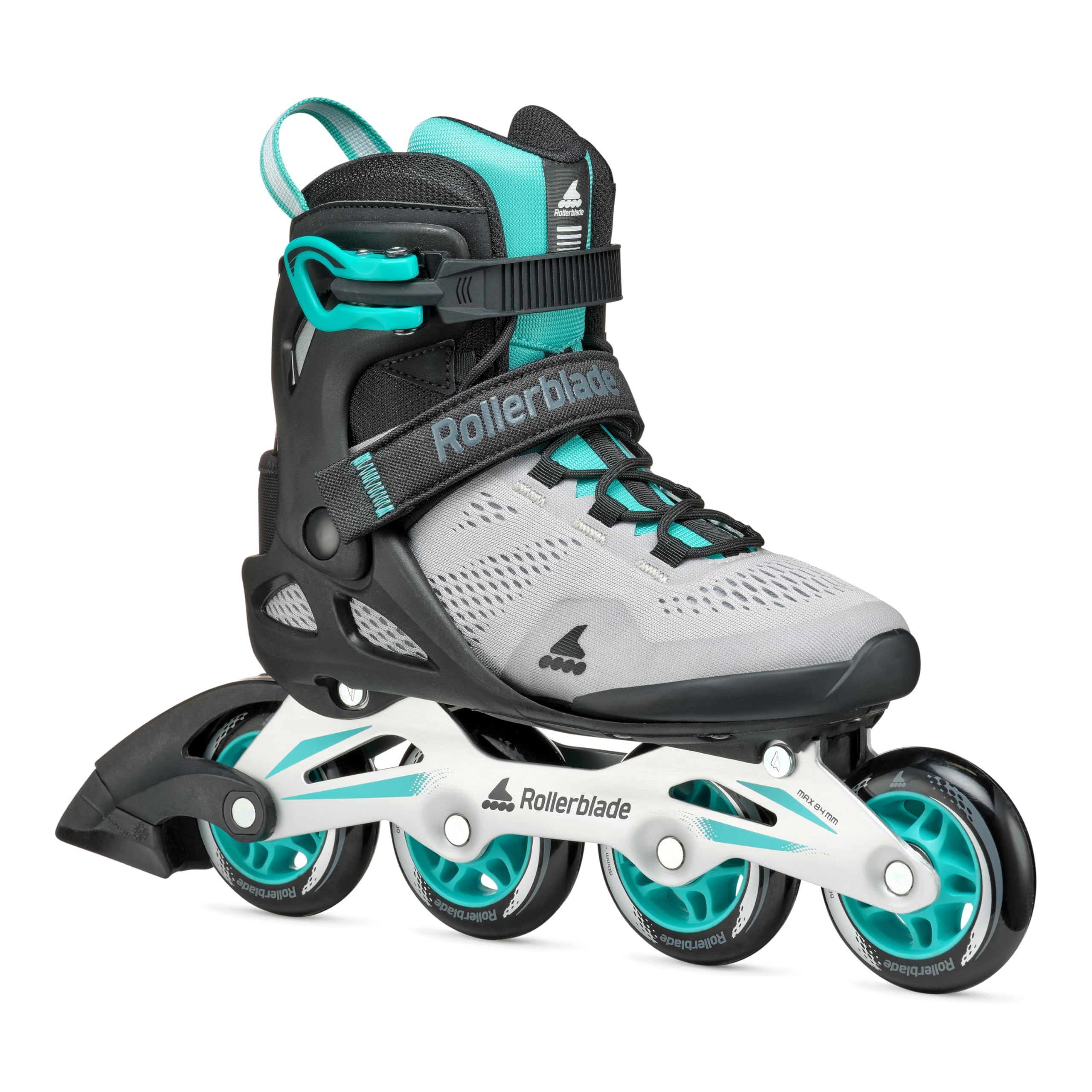


Best for Beginners, Recreational
Rollerblade Zetrablade
Key Features
- Closure System: Buckle + strap
- Bearings: SG5
- Wheel Size & Hardness: 80mm / 82A
- Frame Material: Monocoque
- Price: Mid-Range
The Zetrablade’s supportive boot and monocoque frame deliver a stable, comfortable ride that takes the intimidation out of skating. The padding and buckle- strap closure keep your foot secure without pressure points, making longer sessions enjoyable. Smooth-rolling 80mm wheels and SG5 bearings provide a steady glide on pavement and paths.
While the skate feels solid and well-constructed, some units show wheel material degradation faster than expected under regular use. This is not a universal issue, but it’s worth checking wheel condition after a few months. The boot’s narrow-to-medium fit also means those with wider feet should consider the fit carefully.
This skate is ideal for women new to inline skating or those who want a relaxed fitness roll without chasing speed. The sizing runs small for some – ordering a half to full size up is a common adjustment. For its target audience, the combination of comfort, stability, and reasonable price makes it a reliable choice.
Pros
- Plush, supportive boot that stays comfortable on long skates
- Stable monocoque frame and smooth-rolling wheels for a confident ride
- Strong value – quality construction at a mid-range price
Cons
- Wheel wear can be faster than expected in some cases
- Boot runs small for some – ordering up is often needed for a proper fit
A smart starting point for anyone looking to skate for fitness or fun without overcomplicating the gear. The comfort and support do the heavy lifting.
Best for Budget Beginners
Roller Derby AERIO Q-60
Key Features
- Bearings: Bevo Gold 7 Race
- Wheel Size & Hardness: 80mm
- Frame Material: Aluminum Tri-Coil
- Price: Budget
The Roller Derby AERIO Q-60 combines an aluminum Tri-Coil frame with a memory foam soft boot at a price that’s hard to beat for casual indoor rink skating. The ride is smooth, and the purple design stands out. That said, the shin area lacks padding, which may cause discomfort during longer sessions, and the stock wheels and bearings can wear quicker than those on pricier skates. For occasional recreational use on smooth surfaces, these limitations are manageable. This skate suits beginners who want an affordable entry point and don’t plan to skate extensively or push for speed.
Pros
- Solid overall quality for the price – frame and boot hold up well for casual use.
- Smooth ride on most surfaces, absorbing bumps reasonably well.
- Attractive design and color options that appeal to style-conscious skaters.
Cons
- Stock wheels and bearings can wear quickly with regular use, and occasional wheel detachment has been noted.
- Shin pain and ankle pressure may develop during extended skating due to limited padding in the boot’s shin area.
A cost-effective entry skate for budget-minded beginners who stick to smooth indoor rinks and don’t need high durability or all-day comfort.
Best for Comfort-Focused Recreational
K2 Kinetic 80
Key Features
- Bearings: ABEC 5
- Wheel Size & Hardness: 80mm / 80A
- Frame Material: FBI composite
- Price: Mid-Range
The K2 Kinetic 80 prioritizes comfort over rigidity with a well-padded soft boot and FBI composite frame that smooths out pavement vibrations. Unlike the BOA-equipped model in this set, this skate relies on traditional lacing – less convenient but easier to dial in a custom fit for narrow to average feet.
Best for women who want a comfortable, quiet ride on flat surfaces without the stiffness of a performance skate. The tradeoff: limited ankle support means uneven trails or aggressive turns will feel insecure – stick to smooth park roads or boardwalks.
Pros
- Plush padding and flexible boot reduce fatigue on long recreational skates
- Quiet, vibration-dampening ride on paved surfaces
Cons
- On bumpy terrain the soft boot’s lateral support can feel lacking, limiting confidence for trail skating
A comfort-first skate for casual fitness or leisure – not for riders who need ankle support on uneven ground.
Best for Intermediate Fitness
Rollerblade Macroblade 80
Key Features
- Closure System: Buckle, power strap, laces
- Bearings: SG5
- Wheel Size & Hardness: 80mm / 82A
- Frame Material: Twinblade aluminum
- Price: Premium
The Twinblade aluminum frame and adjustable footboard give the Macroblade 80 a snappier stride than soft-boot alternatives, making it a natural next step for intermediate skaters covering 5+ miles per session. Snug fit and higher speed can overwhelm beginners, and the premium pricing reflects performance components rather than casual use. Sizing runs small – ordering up is recommended to avoid a cramped toe box. For skaters who value speed and efficiency, this offers noticeable gains in power transfer and stability.
Pros
- Aluminum frame improves power transfer for longer distances.
- Well-padded liner keeps feet comfortable during extended sessions.
- SG5 bearings and 80mm wheels deliver a smooth, stable ride.
Cons
- Sizing runs small – ordering up is recommended for a proper fit.
Best for intermediate fitness skaters who prioritize speed and responsiveness and are willing to size up – the top pick offers broader comfort for less experienced users.
Best for Convenience Skaters
K2 Alexis 80 BOA
Key Features
- Closure System: BOA dial system
- Bearings: ABEC 5
- Wheel Size & Hardness: 80mm / 80A
- Frame Material: FBI composite
- Price: Mid-Range
The K2 Alexis 80 BOA replaces standard laces with a rotary dial that tightens the boot in seconds — no fussing with loops or uneven tension. The soft boot and 80mm wheels roll smoothly on pavement and indoor rinks, and the FBI composite frame keeps vibration manageable. Where the top pick (the standard lace Zetrablade) offers more adjustable ankle support, this skate prioritizes speed of entry and exit.
Best for recreational skaters who value quick trips and dislike tying laces — the BOA makes sense for casual neighborhood cruising or rink sessions. Riders who need a firm, locked-in heel hold may find the dial can’t quite match the cinch of traditional laces, especially on one foot.
Pros
- BOA dial lets you tighten or loosen with a single turn — no laces to manage.
- Comfortable out of the box with minimal break-in needed.
- Smooth, quiet ride on asphalt and rink floors.
Cons
- BOA system may not achieve the same heel lockdown as traditional laces for some foot shapes.
If easy on/off matters more than maximum ankle hold, the Alexis 80 BOA delivers a fuss-free skate for relaxed outings.
Best for Absolute Beginners
SUPER YOUNGSTER Adjustable
Key Features
- Closure System: Buckle + hook & loop + lace
- Bearings: ABEC-7
- Frame Material: PP material
- Price: Budget
The SUPER YOUNGSTER stands apart from more padded models with its adjustable four-size frame, letting you keep a single pair as feet grow or for sharing among beginners.
This works best for absolute adult beginners skating on smooth sidewalks for short sessions. The basic padding means longer fitness skates may feel tight around the ankles — occasional use around the driveway or rink is fine.
Pros
- Budget-friendly price for an adjustable inline skate.
- Smooth rolling on pavement for the price point.
- Four-size adjustment accommodates growing feet or casual use.
Cons
- Lacks advanced features like an adjustable heel brake — acceptable at this price.
- Ankle pressure can develop during longer sessions — best kept to skates under 30 minutes.
If you’re a complete adult beginner skating only occasionally and want to spend close to $50, this adjustable skate delivers value — just keep sessions short.
Best for K2 Brand Loyalists
K2 Alexis 80 Pro

Key Features
- Closure System: Speed lacing
- Bearings: ABEC 5
- Wheel Size & Hardness: 80mm / 80A
- Frame Material: FBI composite
- Price: Mid-Range
Smooth rolling and solid construction give these skates a positive first impression for casual K2 loyalists. However, sizing can vary between units, and ankle support feedback is minimal, making the similar K2 Kinetic 80 a more consistent option for most buyers.
Pros
- Smooth, vibration-free ride from quality construction
- Pull-tight speed lacing for quick, easy adjustments
Cons
- Sizing can feel inconsistent between pairs — some find them too wide, others too tight
This skate suits K2 fans who prioritize smooth rolling and are comfortable with potential fit variance; for a lower-risk buy, the Kinetic 80 offers more consistent sizing feedback.
How to Choose
The right rollerblade comes down to how your foot fits the boot and how the wheels meet the road – ignore either, and you’ll end up with an uncomfortable or short-lived skate.
Wheel Size and Hardness
80mm wheels are the standard for fitness skating, balancing stability and maneuverability. Larger 100mm wheels roll over cracks more easily but make the skate taller and less agile for tight turns.
Hardness ratings (e.g., 80A vs 82A) affect grip and durability. Softer wheels (80A) grip smooth pavement but wear faster on rough surfaces. Harder wheels (82A+) last longer on trails but can feel more jarring on uneven ground. Choose based on where you’ll skate most.
Bearing Rating
ABEC ratings (5, 7, 9) indicate manufacturing tolerance, not speed. Higher ratings spin smoother but also let in dirt more easily. For recreational skating, ABEC 5 is sufficient and requires less frequent cleaning.
The trade-off: ABEC 7 and 9 bearings need regular maintenance to maintain performance. If you skate occasionally on clean paths, stick with ABEC 5. If you log serious miles, consider upgrading but plan to clean bearings every few months.
Boot Construction
Soft boots are lightweight and flexible, ideal for casual cruising but offer limited ankle support. Hard shells provide lateral stability for stronger pushes and uneven terrain but require a break-in period.
Many ‘beginner-friendly’ models use soft boots, yet beginners often need more support to prevent shin splints. If you have weak ankles or plan to skate outdoors, prioritize a boot with a higher cuff and stiffer materials.
Closure System
Laces allow the most customizable fit but take time to adjust. Buckles are quick but can loosen during skating. BOA dials offer micro-adjustments and fast release, but the wires can break and are expensive to replace.
The real test is heel hold: no closure system works if the boot is too wide. Try skates on with thin socks and check if your heel lifts. If it does, a different closure won’t fix it.
Frame Material
Composite frames (plastic) are lighter and cheaper but flex under heavy loads, reducing power transfer. Aluminum frames are stiffer and more responsive, ideal for longer strides and faster acceleration.
For fitness skating, aluminum frames give you a noticeable efficiency boost, especially on hills. Beginners won’t miss the stiffness, but intermediate skaters will appreciate the lack of flex.
FAQ
Why do my new rollerblades squeak when I skate?
Squeaks often come from the plastic shell rubbing against the frame or loose components. Tighten all bolts first; if the noise persists, apply a silicone-based lubricant to the contact points. Most squeaks are harmless and fade after break-in, but persistent noise may indicate a defective part.
Should I size up in Rollerblade women’s inline skates?
Many Rollerblade models run small, especially in the toe area. Measure your foot length in centimeters and compare it to the brand’s size chart. If you fall between sizes, order the larger one – you can always wear thicker socks to compensate for a slightly loose fit.
Are 3-wheel rollerblades harder to balance than 4-wheel?
3-wheel skates have larger wheels (100mm+) that roll over cracks more smoothly and maintain speed better, but the taller deck raises your center of gravity, making them feel less stable initially. Beginners are better off with 4-wheel skates until they build confidence and ankle strength.
How do I tighten the BOA system on K2 inline skates properly?
Turn the BOA dial clockwise until the boot feels snug but not cutting off circulation. Avoid over-tightening – you should be able to slide a finger under the tongue. To release, pull the dial outward. If the wire loosens during skating, the mechanism may need replacement; contact K2 for warranty support.