
This post contains affiliate links. We may earn a small commission when you buy through our links — at no extra cost to you.
Finding a snow boot that stays warm, dry, and intact through a full winter can feel like a gamble. Zippers fail, soles separate, and sizes vary wildly between brands – leaving many with cold, wet feet before the season ends.
The key is knowing which features actually matter: a reliable waterproof membrane, proper insulation, and a sole that won’t detach. This guide focuses on boots that have proven their durability and fit across real-world use, so you can buy with confidence.


Best for Budget Moderate Snow
NORTIV 8 Insulated Snow Boot
The NORTIV 8 Insulated Snow Boot delivers a combination of comfort, warmth, and weather protection that stands out at its price point. The generous toe box accommodates thick socks without pinching, while the insulation and waterproofing keep feet warm and dry in moderate snow and slush. Unlike zippered alternatives, the lace-up closure sidesteps a common weak point, and the traction handles packed snow and light ice with confidence.
This boot is best for budget-conscious buyers looking for everyday winter wear in moderate snow — not for extreme sub-zero temperatures or heavy-duty hiking. The roomy fit suits those who wear thicker socks, but durability can vary between units. Some reports note sole separation or heel tearing after months of use, a tradeoff worth considering for daily wear but manageable for light to moderate use.
Pros
- Spacious toe box allows thick socks without pressure points.
- Insulation keeps feet warm in snow and cold conditions.
- Strong value proposition for the level of comfort and protection offered.
Cons
A practical winter boot that balances warmth, comfort, and cost — ideal for moderate snow and casual daily use when durability risks are acceptable.
Best for Ultra-Budget Light Snow
Mishansha Waterproof Snow Boot
Key Features
- Insulation Level: Fleece lined
- Waterproofing: Claimed
- Price: Budget
The Mishansha Snow Boot delivers a soft, thick fleece lining that makes it comfortable for short trips in dry cold. The warmth is genuine for the price, but construction — particularly sole adhesion — can weaken with regular use. This boot suits someone who needs a warm, inexpensive option for very light snow or dry cold days and is comfortable replacing it after a season.
Pros
- Thick fleece lining delivers immediate warmth and comfort on cold days.
- Generous insulation keeps feet warm in dry cold conditions.
- Budget-friendly price for the warmth provided.
Cons
- Water resistance is limited; not suitable for slush or puddles.
- Sole separation can occur after a few months, reducing usable life.
A warm, affordable boot for occasional dry-cold use — but not built for daily snow or wet conditions.
Best for Quick On/off
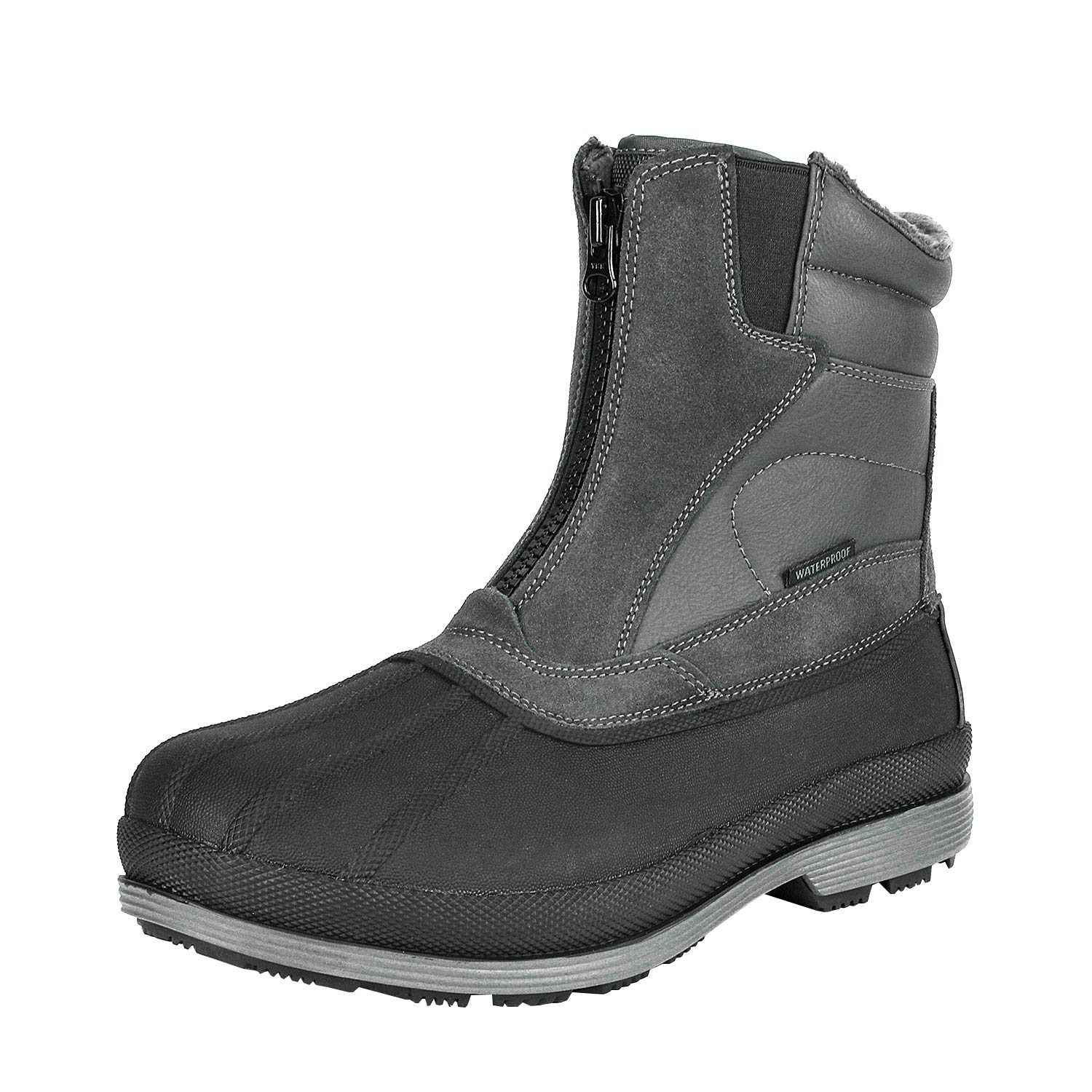
NORTIV 8 Zip Snow Boot
The side zipper on the NORTIV 8 Zip Snow Boot is a genuine time-saver for anyone who needs to pull boots on and off multiple times a day – dog walkers, parents, or quick errands. That convenience comes with a tradeoff: the zipper can jam or break after limited use, and the ankle fit may feel snug for some. This boot is best for those who prioritize speed over longevity and are comfortable with the possibility of the zipper needing replacement.
Pros
- Convenient side zipper for quick on/off
- Warm and comfortable for cold weather
- Good quality for the price point
Cons
- Zipper can jam or break after limited use – a known tradeoff for the convenience
- Fit may be tight in the ankle area, particularly with thicker socks
If quick on/off is your priority and you’re willing to accept a shorter lifespan on the zipper, this boot delivers warmth and convenience on a budget.
Best for Style Moderate Cold
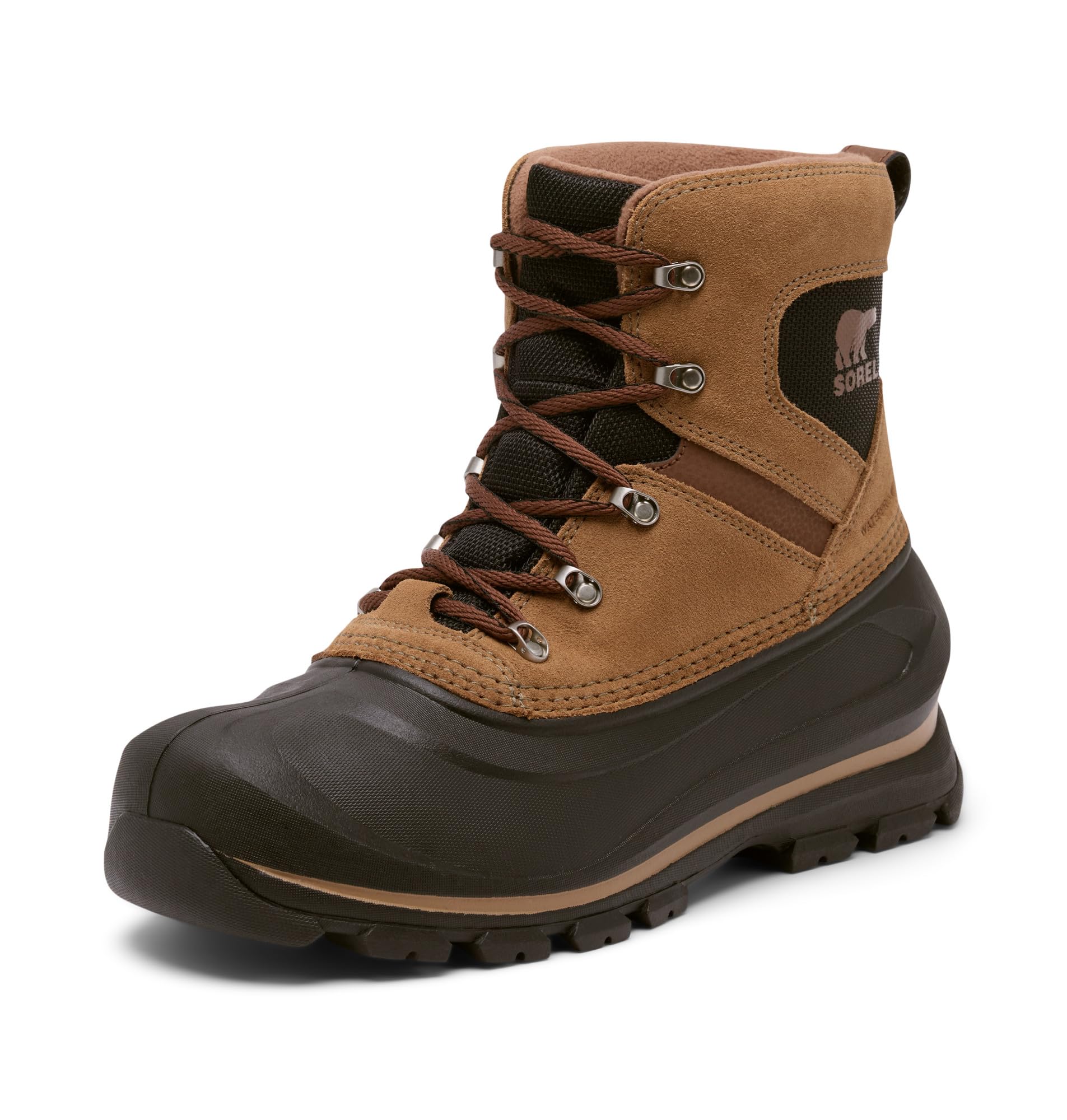
Sorel Buxton Lace
The Buxton Lace offers a sleek, modern silhouette that feels lighter than traditional winter boots, with enough warmth for temperatures down to around 20°F. It’s comfortable straight out of the box – no break-in period required. The tradeoff for this lighter build is that long-term durability under frequent wet use has been questioned; some owners note the rubber toe tread can peel after several months of wear. At a premium price, this boot best suits style-driven buyers who need a daily winter boot for city commutes and casual outings, not for extreme cold or heavy-duty work. For those who want heritage Sorel toughness or a sub-zero rating, the classic Pac-boot line is a better fit.
Pros
- Comfortable from day one with quality materials and construction.
- Insulation retains heat well for everyday winter temperatures.
Cons
- With regular wet use, the toe tread can separate from the boot over time – a tradeoff for the lighter build.
A polished winter boot for style-conscious buyers – just keep in mind that its long-term value lags behind more affordable alternatives if durability is a priority.
Best for Extreme Cold Pull-On
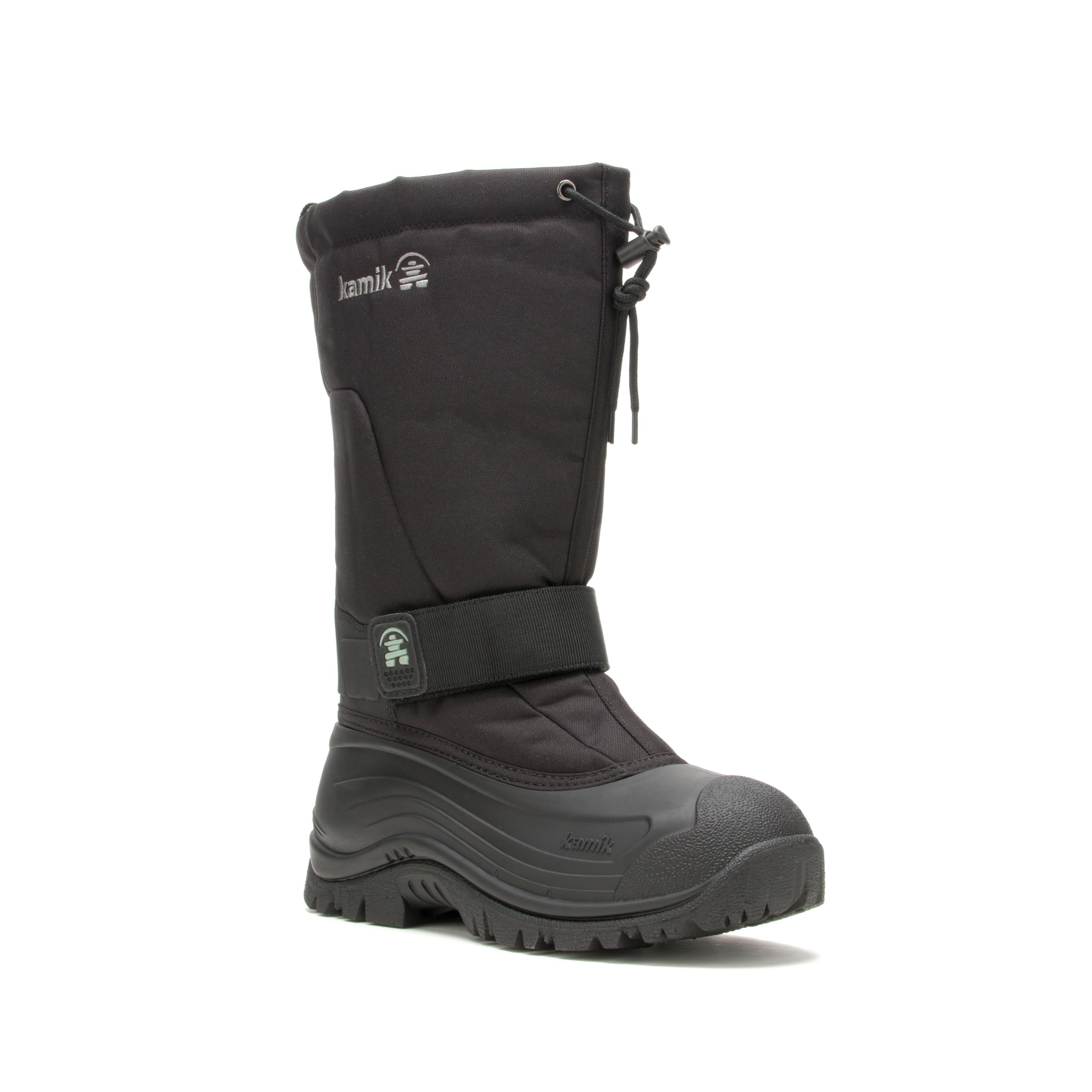
Kamik Greenbay 4
Key Features
- Insulation Level: Thermal Guard liner
- Waterproofing: Yes (rated)
- Price: Mid-Range
The Kamik Greenbay 4 is rated to -40°C, making it the warmest option here for those who face prolonged sub-zero conditions. Its pull-on style with a Velcro strap allows quick on/off without fussing with laces — a real asset when you’re rushing outside or coming back in.
This boot is best suited for buyers who prioritize warmth above all else and live in climates where temperatures regularly drop far below freezing. The trade-off: the fit runs small, so order a full size up, and some units show signs of nylon tearing or liner breakdown after extended use.
Pros
- Exceptional warmth for extreme cold (rated -40°C)
- High build quality and durable materials
- Easy to put on and take off with pull-on design and Velcro strap
Cons
- Fit runs small — most buyers need to order a full size up
- Durability can be mixed over time, with some reports of tearing or liner issues
For those who face temperatures well below freezing and prioritize warmth above all else, the Kamik Greenbay 4 delivers — just be prepared to order a full size up.
Best for Cold Climates Lace-Up
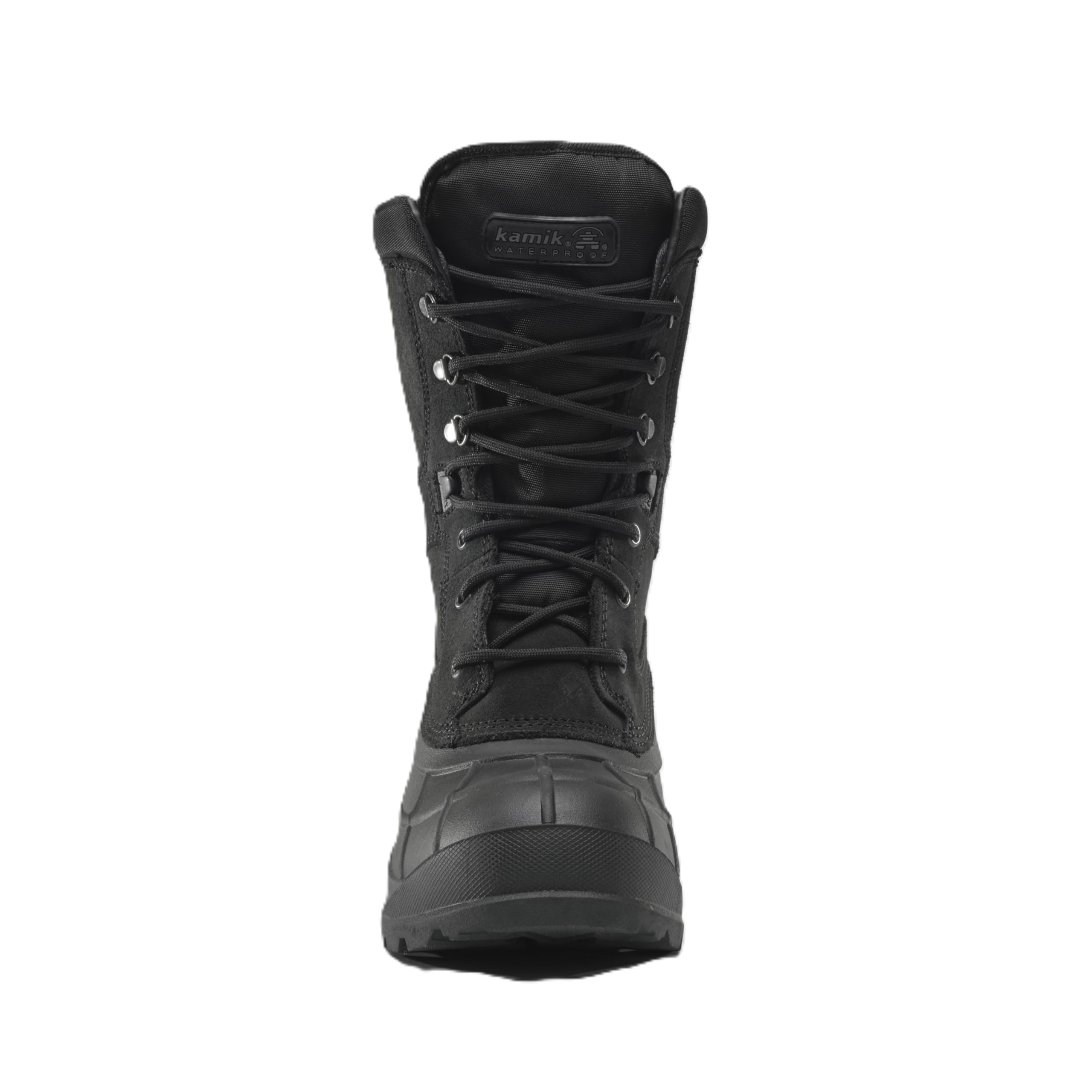
Kamik Nation Plus
The Kamik Nation Plus provides strong warmth for sub-zero winters and reliable traction on snow and ice, with a lace-up closure that lets you dial in fit. It runs small – order a full size up to accommodate thick socks. While not the warmest option for extreme cold, its balance of insulation, traction, and lace-up security makes it a strong choice for daily winter wear in cold climates.
Pros
- Strong cold-weather insulation keeps feet warm in sub-zero conditions
- Solid build quality and materials for the price
Cons
- Heel loops can detach under heavy use, and occasional sole issues have been noted
A warm, secure boot for cold winters with lace-up security and solid traction — the top pick offers better value, but this one holds its own if you need the fit and feel of laces.
Best for Work & Budget
NORTIV 8 Work Snow Boot

Offers the same insulation and waterproofing as the top-selling model in a darker, work-appropriate style. Durability can vary — sole separation has been noted after a season, and water resistance may weaken over time. With fewer user reports, confidence in long-term performance is lower than the more popular version.
Pros
- Warm and comfortable for cold work environments
- Good value for money
Cons
- Sole separation can occur after a season of heavy use — durability varies.
Best suited for buyers who want a dark work-style boot for cold environments and are willing to accept potential durability tradeoffs for the lower price.
Best for Light Snow Casual
CARENURSE Winter Boot

Key Features
- Insulation Level: Fur lined
- Waterproofing: Claimed
- Price: Budget
The CARENURSE boot delivers comfortable warmth and lightweight comfort for everyday winter wear. The fur lining and insulation keep feet warm in mild cold. However, its water resistance is weak, making it unsuitable for slush or melting snow – best reserved for dry winter conditions.
Pros
- Comfortable and easy to wear all day
- Keeps feet warm in cold weather
Cons
- Water resistance is limited – wet snow or rain can soak through
Best for dry, mild winter conditions where warmth and comfort matter more than full waterproofing.
Best for Occasional Dry Cold
WHITIN Cold-Weather Boot

Key Features
- Insulation Level: Fur lined
- Waterproofing: Claimed
- Price: Budget
The WHITIN delivers comfort and warmth at an entry-level price, with a soft fur lining that feels good in dry, cold weather. However, water resistance is inconsistent — it can let moisture through in slush or wet snow — and sole or lace durability may become an issue with anything beyond occasional use. This boot works best for short, indoor-adjacent trips or as a backup pair, not as a daily winter boot.
Pros
- Extremely comfortable with warm fur lining
- Exceptional value under $40
Cons
- Water resistance may not hold up in wet snow and sole/lace durability can be limited under regular use
Ideal as a backup boot for dry, cold days, not as a daily winter workhorse.
Best for Style Moderate Cold
Sorel 1964 Pac Nylon

Key Features
- Insulation Level: Removable liner
- Waterproofing: Yes
- Price: Premium
The Sorel 1964 Pac Nylon delivers classic looks and reliable warmth with a removable liner for drying. It’s built solid and looks the part. However, it’s priced high and sizing can vary between pairs – the Buxton offers similar cold-weather protection at a lower cost.
Pros
- Solid construction and brand heritage
- Keeps feet warm and dry in winter conditions
Cons
- When layering with thick winter socks, the sizing may feel off – too large or too snug depending on the pair.
Best for buyers who prioritize classic Sorel styling and don’t mind paying extra, provided they have wide feet or can accommodate fit variation with sock thickness.
How to Choose
The single most important buying insight: always size up half to a full size to comfortably wear thick winter socks.
Insulation Level
Insulation determines how long your feet stay warm in cold conditions. Boots with a temperature rating (e.g., -40°C) use synthetic or fleece liners to trap heat, but higher insulation often means a bulkier boot that reduces mobility.
For everyday winter use in moderate climates, standard insulation is sufficient. In sub-zero regions, look for boots with a specific temperature rating or removable liners that allow drying and adjustment.
Waterproofing Effectiveness
Waterproofing is achieved through membranes like Gore-Tex or rubber shells, but not all claims are equal. Boots labeled ‘water resistant’ may only handle light snow, while ‘waterproof’ models can withstand slush and puddles if the membrane is sealed properly.
The real test is the boot’s construction: stitched seams and material quality determine whether water leaks through after prolonged exposure. Avoid boots with visible gaps around the tongue or sole junction.
Traction on Snow and Ice
Traction depends on the outsole rubber compound and tread pattern. Deep lugs provide grip on loose snow, while softer rubber compounds perform better on ice but wear faster on pavement. Passive grip – like a built-in ice spike – is rare in this price range.
For icy sidewalks, boots with aggressive tread and a slight heel indent offer the best balance. Smooth soles are a red flag for any snowy environment.
Durability of Sole and Stitching
The sole is the most stressed component – delamination occurs when the upper separates from the rubber sole due to poor adhesive or flex fatigue. Stitching near the toe and heel reinforces the bond; double stitching is a sign of higher quality.
Zippers are another common failure point: plastic zippers on zip-up boots can jam or break after repeated use, while metal zippers with covered flaps last longer but add weight.
Fit Consistency for Thick Socks
Sizing varies widely between brands, and even within a brand. A boot that fits well with thin socks may become uncomfortably tight with winter wool socks. The toe box should allow your toes to wiggle freely without pressure.
Buyers who ignore this often return boots after one wear. The safest approach is to order two sizes and return the one that doesn’t work, or buy from a brand known for generous fit (like NORTIV 8).
FAQ
How long do cheap snow boots typically last before falling apart?
Boots under $50 often show sole or zipper failure within 3–6 months of daily use. For a full winter, the $60–$90 range offers significantly better construction, with many lasting 2–3 seasons of regular wear.
Are Sorel snow boots true to size for wide feet?
Sorel sizing varies by model. The Buxton Lace runs narrow and wide-foot buyers should size up a full size. The 1964 Pac runs wide and fits true to size for most. Always check model-specific reviews for fit guidance.
Which is better for extreme cold: a zipper boot or lace-up boot?
Lace-up boots are more reliable for extreme cold because zippers can freeze, jam, or break when exposed to snow and ice. If you need easy entry, a pull-on design without a zipper (like the Kamik Greenbay) is a safer choice.