
This post contains affiliate links. We may earn a small commission when you buy through our links — at no extra cost to you.
The best gift for a hiker is something that earns a permanent spot in their pack—not a drawer-dwelling gadget. Yet many well-meaning shoppers fall for clever multi-tools and survival bracelets that promise far more than they deliver on the trail.
A paracord bracelet compass that points south instead of north or a fire starter that sparks only disappointment isn’t a gift; it’s clutter. What hikers actually want is gear that performs reliably mile after mile: a water filter they can sip from mid-stride, a hammock that sets up before the bugs find them, socks that stay warm and intact.
This guide focuses on those everyday essentials—the items that earn their place through repeat use, not flashy claims.


Best for Backpackers, Day Hikers
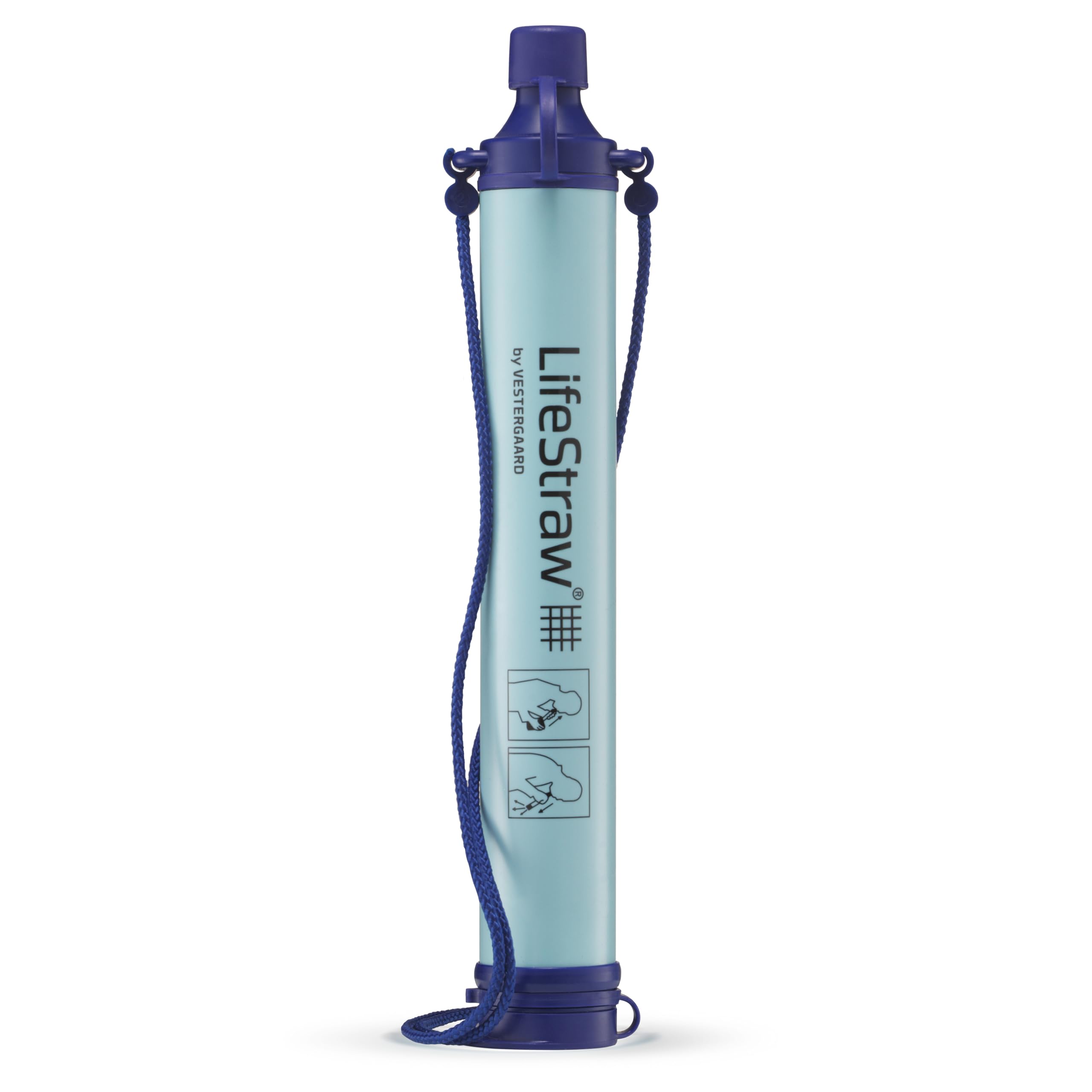
LifeStraw Water Filter
Key Features
- Weight & Packability: 2 oz
- Durability: 4000L filter life
- Ease of Use: Straw, no batteries
- Price: Budget
The LifeStraw Personal Water Filter removes 99.999999% of waterborne bacteria and 99.9% of protozoan parasites through a 0.2-micron hollow fiber membrane, meeting EPA standards for water purifiers without chemicals, electricity, or moving parts. At only 2 ounces, it slips into a pocket or daypack and stays there until needed—uncap it, dip it into a stream or lake, and drink.
Sipping through the straw requires deliberate suction, comparable to a thick milkshake, and the effort increases if you filter silty or turbid water. When flow drops, backflushing with clean water clears the pores and restores throughput. The membrane does not remove viruses, so pair it with chemical treatment in regions where that is a concern.
This filter suits the ultralight backpacker counting ounces, the emergency-kit builder assembling a go-bag, and the day hiker who wants a backup water source that barely registers in the pack. It is not designed for groups needing rapid high flow or for anyone whose primary water source carries a virus risk—then a pump filter or additional purification step is necessary.
Pros
- Removes 99.999999% of bacteria and 99.9% of protozoa—no chemicals or batteries
- Weighs 2 ounces and pockets away, always accessible on trail or in an emergency
- Costs less than a pair of trail meals, delivering 4,000 liters of clean water
- Uncap and drink—no setup, no tablets, no moving parts to break
Cons
- Strong suction required—drinking can feel like a thick milkshake, which may be tiring over repeated use
A gift that costs less than a trail meal and provides 4,000 liters of clean water—the most universally useful piece of hiking gear you can give.
Best for Camp Loungers
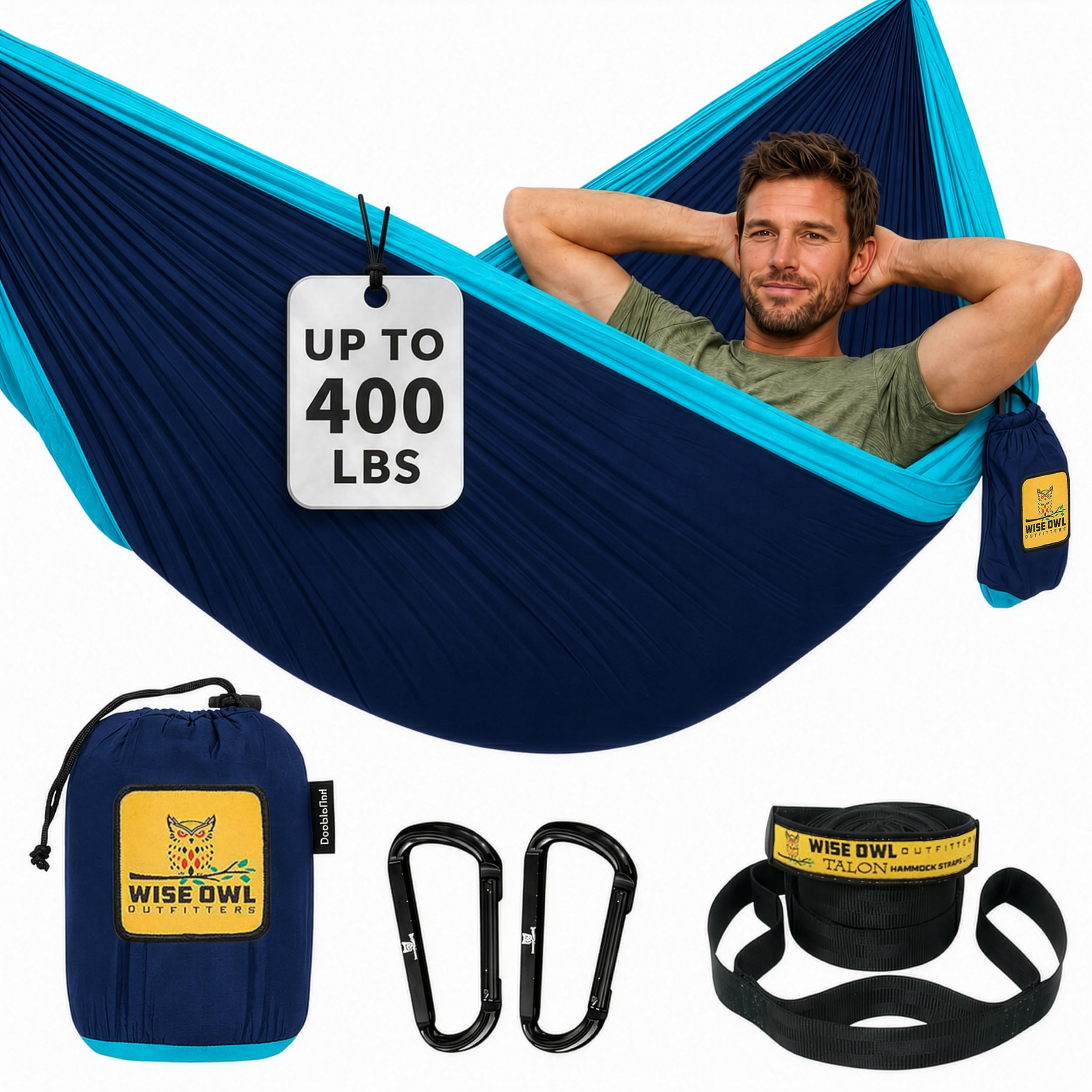
Wise Owl Camping Hammock
Key Features
- Weight & Packability: 16 oz
- Durability: 210T nylon, 400 lb
- Ease of Use: Includes tree straps
- Price: Mid-Range
Unlike bulky camp chairs or complicated shelters, this hammock packs down smaller than a water bottle and weighs less than a pound. The included tree straps eliminate the need for separate hardware, and setting it up is as simple as wrapping the straps and clipping the carabiners.
This is best for hikers who want a comfortable spot to read, nap, or stretch out after a day on the trail. The 210T nylon fabric holds up well for normal lounging, but the seam construction can be a weak point if the hammock is routinely subjected to heavy or dynamic loads. That means it’s a fine choice for casual use at camp or the beach, but not a replacement for a sleeping hammock in a backpacking sleep system without an underquilt or for repeated heavy-duty use.
Pros
- Lightweight carry at 16 ounces compresses small for backpacking trips
- Quick setup with included tree straps – no extra gear needed
- Comfortable 9-foot length and nylon fabric for relaxing at camp
Cons
- Seam integrity can be a concern under heavy or repeated stress
- Quality control may vary between units, with some experiencing seam separation earlier than expected
A budget-friendly hammock kit that delivers on portability and ease – best for the hiker who wants a casual lounging option rather than a full sleep system.
Best for Water Sports, Hikers
Earth Pak Dry Bag
Key Features
- Weight & Packability: 0.85 lb
- Durability: PVC material
- Ease of Use: Roll-top closure
- Price: Budget
The Earth Pak Dry Bag handles the wet-weather vulnerability that filters and clothing can’t: shielding your phone, snacks, and spare layers from sudden rain, river crossings, and muddy splashes. Unlike novelty gadgets, it’s a purely functional roll-top sack—with the welcome addition of a separate IPX8-rated phone pouch that seals out water rather than just resisting it. The PVC fabric feels stout and has survived scrapes on rough ground without tearing, and at under a pound, it’s easy to stash in a daypack or wear as a backpack.
Best for day hikers, kayakers, or travelers who want an affordable extra layer of protection for electronics and clothes. Just remember that the waterproofing hinges on folding the top three times and snapping the buckle—if rolled loosely, water can seep in. The bag also isn’t rated for prolonged submersion, so it’s suited for rain and splashes rather than sustained immersion.
Pros
- Keeps gear dry in downpours and shallow submersion when sealed correctly.
- Durable PVC construction withstands trail abuse and rough handling.
- Includes a genuinely waterproof IPX8 phone case that adds real value.
Cons
- Waterproof seal requires rolling the top three times tightly; a loose roll can invite leaks.
- Not rated for prolonged submersion; best for rain and splashes rather than full immersion.
A practical gift for day hikers who need dry electronics and clothes without spending much—the roll-top seal is simple once learned, and the included phone case is a genuine bonus.
Best for Night & Winter Use
YunTuo LED Beanie
Key Features
- Durability: Removable light module
- Ease of Use: USB rechargeable
- Price: Budget
The YunTuo LED Beanie combines a winter knit cap with a removable USB-rechargeable light module offering three brightness levels. This design gives hikers ambient light for evening tasks like setting up camp or reading a map without needing a separate headlamp. The light is surprisingly bright for short bursts, though the top pick’s water filter solves a different need entirely — hydration on the trail.
This beanie works best for hikers who want hands-free light during night walks, pre-dawn starts, or around the campsite — not for extended high-output illumination. The battery can degrade over time and light output may dim after sustained use, so it suits casual or backup use rather than a primary light source. The knit material provides genuine warmth, and the light module pops out for washing.
Pros
- Surprisingly bright with three settings for varied conditions
- Well-made and comfortable for everyday wear
- Keeps head warm while allowing hands-free lighting
Cons
- Battery life can diminish over time; some units may require more frequent charging
- Light output may dim after extended use, not a replacement for a high-beam headlamp
A thoughtful gift for hikers who want warmth and low-level hands-free light during evening walks or camp setup — best as a secondary light source given battery variability.
Best for Cold Trail Comfort
EnerWear Merino Hiking Socks
These socks wrap feet in a plush, itch-free merino blend that feels more expensive than their mid-range cost. The crew-length design and cushioning land right in the sweet spot for cooler-weather day hikes, while the vibrant color options add a playful touch most outdoor socks lack. They wick moisture effectively and resist odor across multi-day use, so a few pairs can carry someone through a long weekend on the trail.
Best for female hikers, as the sizing skews toward narrower feet and calves, though many men with average builds find a good fit. Casual day hikers and weekend campers will appreciate the out-of-the-box softness. Durability can be inconsistent — some pairs develop holes at the toe after limited wear — so thru-hikers and high-mileage backpackers should look to sturdier options. Fit may feel constrictive on wider calves or slip on particularly small feet, so it’s worth checking the recipient’s preferences before gifting.
Pros
- Warmth without bulk, ideal for winter hikes and chilly campsites.
- Remarkably comfortable with zero itch, even for sensitive skin.
- Soft, cushiony feel right from the first wear.
Cons
- Calf may feel too snug on wider legs, or the sock can slip on very small feet — sizing varies.
- Some pairs can develop holes in the toe after limited wear.
A gift that delivers immediate comfort and warmth for day hikers and casual campers, though it won’t rival the longevity of premium merino socks.
Best for Travel Dreamers
100 Parks, 5,000 Ideas
Key Features
- Weight & Packability: 2.48 lbs
- Durability: Hardcover
- Price: Mid-Range
Spanning 400 pages with full-color photography, this book presents 5,000 trip ideas across 100 national parks in the US and Canada, from scenic drives to iconic viewpoints. Unlike a piece of trail gear that solves a specific problem, this title fuels the planning side of a hiker’s life—helping map out the next adventure before the boots go on.
It’s a strong gift for RV travelers, road trippers, and daydreamers who want to scout future trips from home. The photo-forward layout and regional maps make route planning visual and inviting. Active hikers who already own solid gear will appreciate the inspiration, but those wanting detailed trail maps or backcountry route data won’t find them here—the book stays at the overview level. This isn’t a replacement for a field guide, but it’s a welcome addition for anyone who loves planning the next trip.
Pros
- Beautiful full-color photos that ignite travel daydreams
- Packed with 5,000 trip-planning ideas across 100 parks
- Regional maps for US and Canada help visualize road trip routes
Cons
- Lacks detailed trail maps; more of a visual overview than an in-depth guide
If your gift recipient already has reliable gear but loves scouting new destinations from the couch, this book fills the inspiration gap between hikes.
Best for Hot Weather, Sports
Tough Outdoors Cooling Towel

Key Features
- Weight & Packability: 38.5" x 12"
- Durability: Polyester/polyamide blend
- Ease of Use: Wet and wring
- Price: Budget
The towel brings immediate cooling when wetted and snapped, draping lightly around the neck or under a cap. Its thin, quick-drying fabric rolls into a palm-sized pouch, adding almost no weight to a daypack. Cooling can fade within 15 minutes, so it suits breaks or chores near a water source rather than sustained effort. For hikers who want a momentary chill on a sun-baked trail, it’s an affordable stocking stuffer.
Pros
- Cools skin instantly when wet, offering quick respite on scorching days.
- Weighs next to nothing and scrunches into an included pouch for grab-and-go convenience.
Cons
- Polyester-blend fabric can feel synthetic and may irritate those with skin sensitivities.
- Cooling sensation may diminish within 15 minutes, requiring a fresh soak to stay effective.
A budget-friendly gift for day hikers who want momentary relief during water breaks, not sustained cooling over long miles.
Best for Hikers, Bikers
Coghlan’s Bear Bell

Key Features
- Weight & Packability: 0.05 lb
- Durability: Magnetic silencer
- Ease of Use: Velcro strap
- Price: Budget
Coghlan’s Bear Bell adds a gentle, rhythmic jingle that alerts wildlife to your presence without the harsh clang of larger bells. The magnetic silencer lets you quiet the bell when alerts aren’t needed, such as during snack breaks or in camp. However, the bell’s volume may struggle to carry through dense brush or over loud stream noise, and the Velcro strap may lose its grip over time, which can lead to loss on rough terrain. This bell is best for casual day hikers, mountain bikers on shared trails, or parents wanting to keep tabs on kids – an inexpensive awareness tool, not a primary safety device.
Pros
- Gentle jingle alerts wildlife without sharp noises
- Adds peace of mind during solo hikes or when kids wander off
Cons
- Bell may be too quiet in dense brush or near loud streams
- Velcro strap may lose grip over time, risking loss
For well-maintained trails where a subtle noise is enough to announce your approach, this bell is a lightweight, affordable addition to a daypack. Pair it with bear spray if you’re entering thick backcountry where a louder deterrent is needed.
Best for Scouts, Preppers
ReferenceReady Knot Cards

Key Features
- Weight & Packability: 2.25" x 3.5"
- Durability: Waterproof plastic cards
- Ease of Use: Mini carabiner
- Price: Budget
The waterproof cards cover 22 knots with clean diagrams that take the guesswork out of tying a bowline or clove hitch. The carabiner lets you clip it to a pack for quick reference. The trade-off: the text is tiny. Hikers over 40 may need reading glasses to decipher the instructions. It works best as a backup for young scouts or preppers, not as a primary learning tool for older eyes.
Pros
- Diagrams clearly show each step, making it easy to learn at a glance.
- Plastic cards handle rain, creek splashes, and muddy fingers without warping.
Cons
- Text is extremely small; reading the instructions requires good eyesight or reading glasses.
For a young scout building knot skills or a prepper assembling a compact bug-out bag, this pocket guide provides durable, quick-draw reference. Older hikers will want a larger-print companion.
Best for Day Hikers, Emergencies
Coleman Mini First Aid Kit

Key Features
- Weight & Packability: 0.88" x 2.5" x 3.88"
- Durability: Crush-proof metal tin
- Ease of Use: 27 pieces, compact
- Price: Budget
This miniature kit organizes bandages, ointment, wipes, and sting relief in a crush-proof metal case barely larger than an Altoids tin. It handles scrapes and blisters on day hikes, and the hard shell keeps contents dry in a pack. For a hiker venturing into the backcountry, the supplies are basic—adding a few larger bandages, antiseptic towelettes, and personal medications will round it out.
Pros
- Incredibly compact metal tin fits in a pocket or pack without adding bulk.
- Covers most minor trail injuries with bandages, ointment, and sting relief.
Cons
- Supplies are minimal for extended trips—you’ll need to supplement with larger dressings and personal medications.
A smart stocking stuffer for casual day hikers—pair it with a few larger bandages if the recipient heads deeper into the woods.
Best for Scouts, Kids
Atomic Bear Paracord Bracelet

Key Features
- Weight & Packability: 8-10.5" adjustable
- Durability: Paracord
- Ease of Use: Adjustable fit
- Price: Budget
The bracelet cleverly packs multiple survival tools onto the wrist in an adjustable, gift-ready package. The compass can give inaccurate readings and may lose magnetization, and the fire starter demands practice to produce a spark. This makes it a fun novelty for kids, scout activities, or as a lighthearted gift — not a replacement for a dedicated compass or lighter on actual hikes.
Pros
- Combines a fire starter, compass, and whistle in a single wrist-wearable accessory
- A smile-inducing gift for outdoor lovers who enjoy quirky camping gadgets
Cons
- Compass can be inaccurate and may lose magnetization over time
- Fire starter proves tricky to ignite and requires practice to spark consistently
Best as a fun stocking stuffer or scout activity where the novelty outweighs the need for flawless navigation.
Best for Gag Gift
Blue Q Nature Socks

These socks feature a cheeky printed message and nature motif that consistently sparks laughter, making them a memorable stocking stuffer or gag gift. The cotton blend feels soft and comfortable for lounging around the cabin. However, they offer no cushioning, moisture-wicking, or durability for trail use — this is a novelty item, not a piece of gear. The hiker who appreciates a good joke will enjoy the humor, but anyone expecting functional socks for the next trek should look elsewhere.
Pros
- Hilarious nature-themed design sparks laughter at gift-giving moments
- Soft cotton blend provides cozy comfort for at-home lounging
Cons
- Cotton blend with no cushioning or moisture control — unsuitable for actual hiking
A joke gift that lands best with hikers who have a dry sense of humor and a full gear closet already.
How to Choose
The most cherished hiking gifts solve a real trail need without adding unnecessary ounces or complications.
Weight & Packability
Every ounce matters on a long trek, and a hiker will quickly abandon a heavy gadget. Look for gear that packs into its own pocket or weighs under a pound. A 2-ounce water filter gets sipped mid-stride; a 16-ounce hammock becomes a daily camp ritual; a bulky multi-tool stays in the car. The trade-off is that ultralight materials sometimes sacrifice long-term toughness, so for frequent use, mid-weight options with reinforced stitching hold up better mile after mile.
Durability
Real trail conditions punish gear. Nylon fabrics handle abrasion better than polyester, stainless steel resists rust where coated alloys flake, and PVC survives river crossings that would soak through thin ripstop. Seams and stress points tell the whole story: hammocks with triple-stitched ends last seasons, and a water filter rated for 4,000 liters means years of use. A budget-friendly item that fails on the third outing costs more in frustration than a slightly pricier, well-built piece.
Ease of Use
Complex setup or maintenance keeps gear in the pack, not on the trail. A straw filter that sips directly from the stream is faster than a pump. A hammock with included straps pitches before the mosquitoes find you. A beanie with a built-in light slips on without headlamp straps. But simplicity comes with trade-offs: straws can clog and need backflushing, roll-top dry bags require a tight triple seal, and rechargeable lights demand pre-charging. Match the gift to the hiker’s tolerance for fiddle, and it will actually get used.
FAQ
Does the LifeStraw remove viruses?
No, the LifeStraw’s 0.2-micron hollow fiber membrane captures bacteria and parasites with 99.999999% efficiency, but viruses are too small to be filtered. For backcountry trips where waterborne viruses are a concern, pair it with chemical tablets or choose a purifier rated for virus removal.
How do you unclog a LifeStraw that won’t suck?
When the straw becomes hard to draw through, backflush by blowing a sharp breath through the mouthpiece to dislodge silt and debris. If it’s still clogged, let it dry for a few hours, then backflush again. Never use a brush or try to open the unit, as that can damage the internal membrane.
Are bear bells loud enough to actually deter bears?
In dense brush or wind, a bear bell’s jingle may only carry 30 feet, which is often too quiet to alert a bear at a safe distance. Rangers often recommend talking loudly or clapping instead, since bears may not recognize a bell as human. Use a bell as a helpful first step, but don’t rely on it alone—carry bear spray and make extra noise around blind corners.
Why does my cooling towel stop cooling after 15 minutes?
Evaporative cooling relies on moisture wicking heat away as it evaporates, so once the towel dries out, the cooling effect stops. Re-wet it every 10–15 minutes and snap it in the air to refresh evaporation. On humid days, evaporation slows dramatically, and the towel may feel clammy rather than cold.