
This post contains affiliate links. We may earn a small commission when you buy through our links — at no extra cost to you.
Finding a hiking backpack that fits a woman’s frame without breaking the bank often means sorting through packs that are either too flimsy for regular use or built for generic torso lengths. This guide matches you with the right pack based on your torso length, trip type, and budget—whether you need a lightweight daypack or a framed multi-day pack.
The real trade-off is between packability and support. Ultralight packable backpacks excel at saving space and weight, but their thin straps and missing chest/hip belts limit them to loads under 10 pounds. For multi-day trips, a pack with an adjustable torso and padded suspension is essential for comfort, especially for shorter hikers who struggle with one-size-fits-all designs. Well-designed framed packs under $100 can offer features comparable to premium models—if you’re willing to accept a slightly heavier weight.




Best for Petite Multi-Day
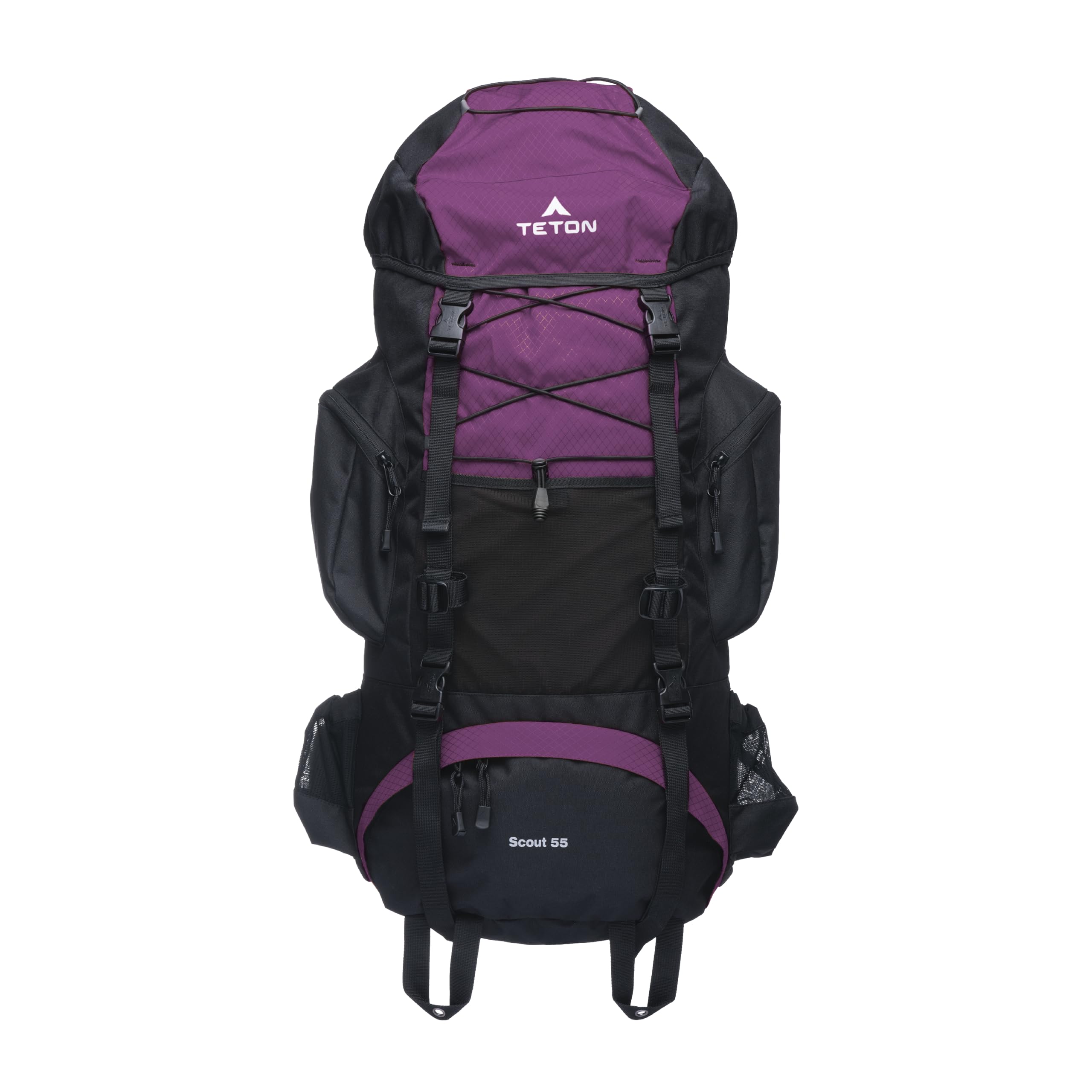
Teton Scout 55L
Key Features
- Capacity: 55L
- Weight: 4 lbs
- Frame Type: Internal Frame
- Hydration: Yes
- Durability: 600D Polyester
- Price: Mid-Range
The Teton Scout 55L uses an adjustable torso to give shorter hikers a proper fit — no extra length from a one-size-fits-all frame. Its internal frame and padded hip belt distribute weight well for loaded hikes, and the included rain cover adds weather protection.
This 55-liter pack carries enough gear for weekend trips and shorter multi-day outings. The hydration sleeve accepts standard bladders, and the multiple pockets keep essentials within reach. The suspension remains comfortable under moderate loads, making it a practical choice for entry-level backpackers.
Best suited for petite women and those on a budget, the Scout 55L delivers proper fit without premium cost. The sleeping bag compartment is small — bulky winter bags may need to go in the main compartment — but for three-season use with a compact bag it works. Taller hikers will find the torso too short.
Pros
- Adjustable torso provides a customized fit for shorter torsos.
- Padded hip belt and internal frame keep loads comfortable on the trail.
- Budget-friendly price includes a rain cover and hydration sleeve.
Cons
- Sleeping bag compartment is cramped — bulky winter bags may not fit.
Best value for women who need a properly fitting multi-day pack without paying premium prices.
Best for Ultralight Day Hikes
4Monster 24L Packable
Key Features
- Capacity: 24L
- Weight: 4 oz
- Frame Type: Packable
- Hydration: No
- Durability: 30D Nylon
- Price: Budget
At just 4 oz and folding smaller than a smartphone, this pack disappears into any bag. The 24L capacity swallows a jacket, snacks, and a water bottle without adding noticeable weight. For day hikes where every gram counts, it’s a practical choice — though the thin straps and lack of a chest strap mean it’s best kept under 10 lbs.
This backpack suits ultralight travelers and those wanting a spare pack for short, low-stakes outings. It handles a light load without complaint, but the 30D nylon and minimal structure aren’t built for regular heavy hauling. If your day hike involves more than a few pounds of gear, look to the top pick with an adjustable torso and padded suspension instead.
Pros
- Extremely lightweight at 4 oz, barely noticeable when packed.
- Packs down to wallet size for easy stowing in a larger bag.
- Surprisingly durable for an ultralight pack given the thin material.
Cons
- Thin straps can dig into shoulders under load, and there’s no chest strap to stabilize the pack.
The best ultralight packable for those who prioritize minimal weight over load-bearing capacity — grab it for short day hikes or as a travel backup, not for heavy gear.
Best for Light Multi-Day
Venture Pal 40L Packable
Key Features
- Capacity: 40L
- Weight: 11.2 oz
- Frame Type: Packable
- Hydration: No
- Durability: Nylon
- Price: Budget
The Venture Pal 40L packs 40 liters into just 11.2 ounces – an impressive capacity-to-weight ratio for travelers who want a spare daypack. Unlike framed packs designed for heavier loads, this lightweight nylon pack relies on minimal structure, so it’s best suited for light day hikes or as a travel backup. For women or anyone needing a budget-friendly option for occasional use, the tradeoff is durability: straps can detach after moderate use, so this isn’t a pack for regular backpacking trips.
Pros
- Weighs only 11.2 oz despite 40L capacity – easy to carry as a spare or for long days.
- Multiple compartments including a wet pocket keep gear organized.
- Cost-effective way to get a large pack without spending premium prices.
Cons
- Straps can detach under load – best reserved for light gear and occasional trips.
This pack works well for budget-conscious travelers who need a lightweight daypack for occasional hikes or as a travel backup, but consider a framed pack if you plan to hike regularly with heavier loads.
Best for Multi-Day Trips
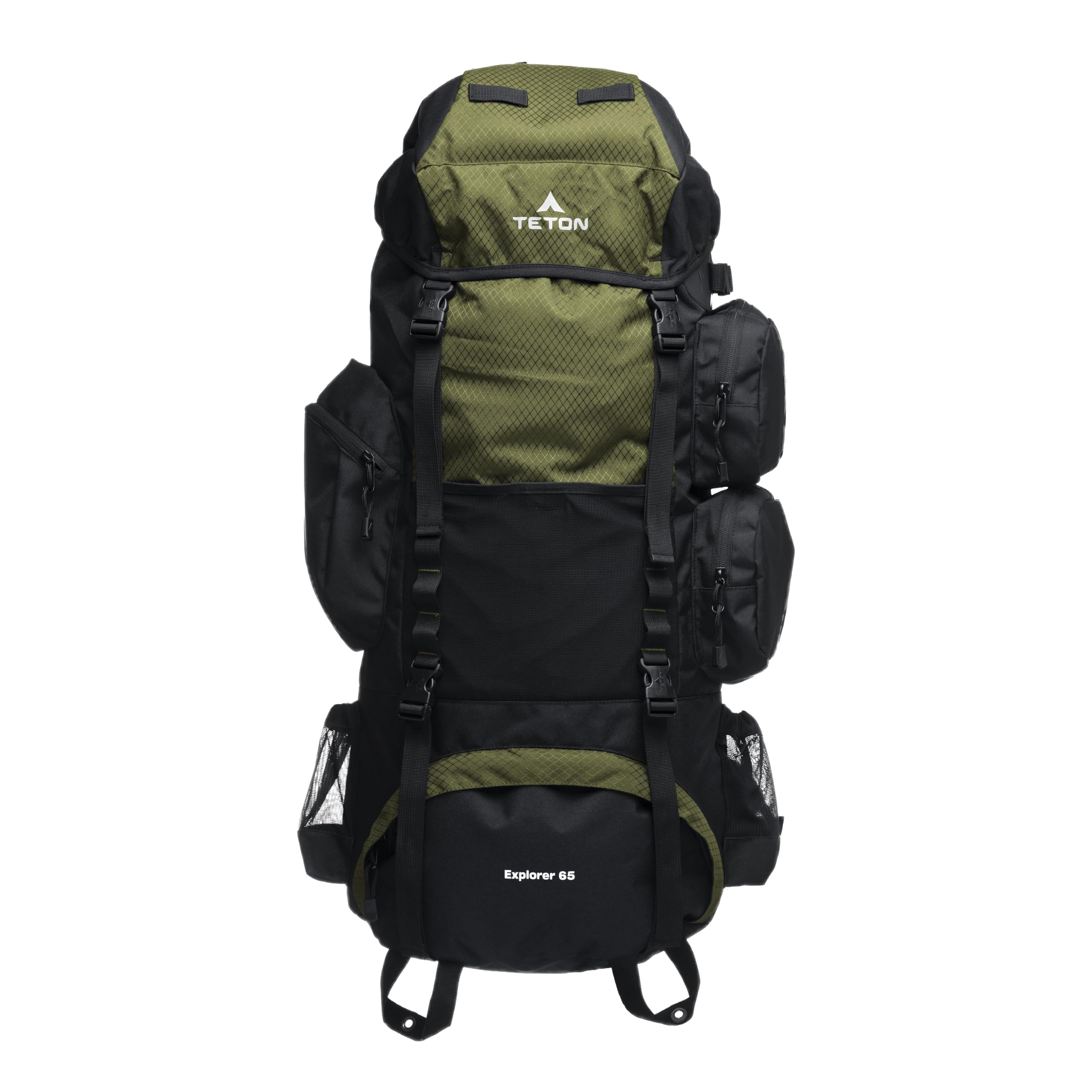
Teton Explorer 65L
Key Features
- Capacity: 65L
- Weight: 5 lbs
- Frame Type: Internal Frame
- Hydration: Yes
- Durability: 600D Polyester
- Price: Mid-Range
The Teton Explorer 65L delivers a padded suspension and generous 65-liter capacity at a price well below premium packs. It’s best for taller hikers or those carrying heavy loads who prioritize storage over weight savings. The pack is heavier than many alternatives, and the sleeping bag compartment can be tight for bulky bags—tradeoffs that matter less when you need room for gear.
Pros
- Padded suspension keeps loads comfortable on long trails.
- Feature set rivals packs costing twice as much.
- 600D polyester body holds up to regular use.
Cons
- At 5 lbs, it’s heavier than similarly priced packs—noticeable on steep ascents.
- Sleeping bag compartment can be cramped for larger down bags.
For hikers who need generous capacity and don’t mind extra weight, this pack delivers dependable performance without breaking the bank.
Best for Day Hikes
SKYSPER 20L Daypack
Key Features
- Capacity: 20L
- Weight: 1.1 lbs
- Frame Type: Frameless
- Hydration: No
- Durability: 600D Polyester
- Price: Mid-Range
The SKYSPER 20L Daypack stands out for its thoughtful pocket layout and padded back panel, making it easy to keep gear sorted without digging. It includes a whistle and anti-theft zipper, plus trekking pole attachments – features day hikers will appreciate. The tradeoff: it doesn’t fold into itself, so it takes up full space when empty, unlike the packable option in this lineup. For those who value structure and organization over ultralight stowability, this is a solid fit. Durability under heavy loads may be limited, so it’s best suited for moderate day hikes and commuting rather than rugged multi-day use.
Pros
- Multiple pockets keep small items accessible and separate.
- Padded back and shoulder straps provide all-day comfort.
Cons
- Does not collapse or stow – stays full size when empty.
- Heavy use may wear down seams and strap attachments over time.
This daypack works best for day hikers who prefer a structured, organized bag over something that packs away. If ultralight portability is your priority, the slimmer packable option is worth a look.
Best for Day Hikes Hydration
N NEVO RHINO 18L Hydration
Key Features
- Capacity: 18L + 3L bladder
- Frame Type: Frameless
- Hydration: Yes
- Durability: Nylon
- Price: Mid-Range
The 3L insulated bladder keeps water cool for hours, and the hip and chest straps help distribute the load comfortably. This is a daypack-first design: the 18L main compartment is fine for a change of clothes and snacks, but the pack lacks the frame and support for multi-day loads.
Day hikers and cyclists who prioritize hydration over carrying capacity will appreciate the integrated system and mid-range price. Just be aware that the bladder and zippers can show signs of wear over time—this pack suits regular outings rather than daily use or rough terrain.
Pros
- 3L insulated bladder keeps water cool for hours during summer hikes
- Hip and chest straps provide a stable, comfortable fit for active movement
- Complete hydration system at a mid-range price — no separate bladder purchase needed
Cons
- Bladder and zippers may show wear over extended use, making this better suited for occasional rather than daily carrying
Best for day hikers and cyclists who want an all-in-one hydration solution without the frame of a multi-day pack—just plan on replacing the bladder or zippers sooner than with pricier alternatives.
Best for Day Trips Travel
ZOMAKE 30L Foldable

Key Features
- Capacity: 30L
- Weight: 0.74 lb
- Frame Type: Packable
- Hydration: No
- Durability: Nylon
- Price: Budget
Great for day trips and travel, this 30L pack adds extra pockets for organization over the smaller sibling. Durability is a concern — under heavier loads the nylon fabric may tear, and the zipper can catch fabric. Best for light loads and occasional use.
Pros
- Lightweight and packs down to a small pouch for storage.
- Multiple pockets keep gear sorted and accessible.
Cons
- Under heavier loads the nylon fabric may tear — this pack suits light day trips.
Good as a spare daypack for travel or short hikes with minimal gear, not for multi-day backpacking or heavy loads.
Best for Travel Backup
WATERFLY 20L Packable

Key Features
- Capacity: 20L
- Weight: 10.2 oz
- Frame Type: Packable
- Hydration: No
- Durability: Recycled Nylon
- Price: Budget
This 20L pack folds into a palm-sized pouch, making it a convenient emergency backup or day bag. The recycled nylon and SBS zippers are adequate for light carrying. However, the lack of a chest strap and thin shoulder straps mean discomfort sets in quickly when carrying more than a few pounds – best reserved for situations where weight is minimal.
Pros
- Ultralight and folds into its own pouch for easy storage.
- Affordable price for a backup bag.
Cons
- No chest strap; thin straps dig in under heavier loads.
A suitable backup for travel or minimal day trips where weight is light, but not a hiking backpack.
Best for Minimal Day Trips
SKYSPER 15L Foldable

Key Features
- Capacity: 15L
- Weight: 0.75 lb
- Frame Type: Packable
- Hydration: No
- Durability: Polyester
- Price: Budget
Weighing just 0.75 lb and packing down smaller than a water bottle, this SKYSPER is built for situations where every ounce counts. The chest strap adds stability for light loads, and the whistle on the buckle offers a small safety bonus. Capacity tops out at 15L (or 20L), which means it can handle a jacket, snacks, and a water bottle — but not much more. For day hikes beyond a quick stroll or as an emergency backup in a suitcase, it works. For carrying a hydration bladder, rain gear, or any multi-day gear, it’s undersized. Durability is adequate for occasional use, but the polyester fabric and thin straps won’t tolerate heavy or sharp loads.
Pros
- Folds into its own pocket for near-zero storage space
- Chest strap with whistle improves comfort and safety on light carries
Cons
- 15L capacity only suits snacks, a jacket, and a small water bottle — not a full day hike kit
Best reserved for minimalists or as a packable travel backup, not for hikes that require carrying more than the basics.
Best for Petite Day Hikes
sunhiker 20L Lightweight

Key Features
- Capacity: 20-25L
- Weight: 12.3 oz
- Frame Type: Frameless
- Hydration: No
- Durability: Nylon
- Price: Budget
Priced at an entry-level cost, this 20L pack is lightweight and includes chest and waist straps plus a computer compartment for basic organization. The nylon fabric can rip under repeated use, and the waist strap may not fit larger adults, making it best for small children or petite users on short, light outings.
Pros
- Compact size fits daily hike essentials
- Weighs only 12.3 oz with useful organization pockets
Cons
- Fabric can develop tears with repeated use
A suitable option for small children or petite adults needing an inexpensive pack for occasional short hikes, but not for regular use by average-sized hikers.
How to Choose
The most important factor for a women’s hiking backpack is torso length adjustment, not just hip belt size – a pack that sits correctly on your shoulders and hips prevents back pain and chafing.
Capacity
Capacity is measured in liters and determines how much gear you can carry. Day hikes typically need 15-25L, overnight trips 30-50L, and multi-day trips 50-65L or more. A 40L packable bag may hold the same volume as a framed 40L pack, but it cannot support the same weight—packable bags are designed for loads under 10 lbs.
Choose capacity based on trip length and gear bulk. If you carry a sleeping bag, tent, and stove, a framed 55L pack is more practical than a 50L packable that will sag and strain under the load.
Weight
Pack weight directly affects fatigue on the trail. Ultralight packable bags weigh as little as 4 oz, while framed packs can exceed 5 lbs. Every extra pound on your back adds about 10% more energy expenditure per mile.
For day hikes, a sub-1 lb pack is ideal for minimalists. For multi-day trips, a 4-5 lb framed pack with proper suspension distributes weight better than a lighter frameless pack that causes shoulder pain.
Frame Type
Framed packs use an internal frame (metal or plastic stays) to transfer weight to the hips, reducing shoulder strain. Packable backpacks have no frame and rely on thin straps—they work for light loads but become uncomfortable above 10 lbs.
If your trip involves carrying more than a water bottle, snacks, and a jacket, a framed pack is the safer choice. For travel or short day hikes, packable bags offer convenience at the cost of support.
Hydration Compatibility
Hydration sleeves and included bladders let you drink while walking. This is convenient but adds 1-2 lbs of water weight. Bottle pockets are lighter and allow you to carry different volumes but require stopping to drink.
For long day hikes without refill points, a 2-3L bladder is practical. For shorter trips or those with frequent streams, bottle pockets give more flexibility. Some packs offer both options.
Durability
Durability is tied to fabric and construction. Budget packable bags often use thin nylon (30D–70D) that can tear under strain. Framed packs typically use 600D polyester or ripstop nylon, lasting years of regular use.
A pack that fails on the trail means carrying gear in a broken bag. If you hike often, invest in a pack with reinforced stitching and higher denier fabric. Occasional travelers can accept lighter materials in exchange for packability.
FAQ
Can I use a packable hiking backpack for a multi-day trip?
Packable backpacks are designed for loads under 10 lbs and light day use. For a multi-day trip with tent, sleeping bag, and food, the weight will exceed the pack’s support capacity, causing discomfort and risk of strap failure. Stick to a framed pack for overnight trips.
How do I know if a hiking backpack is the right size for my torso?
Measure from the C7 vertebra (the bony bump at the base of your neck) to your iliac crest (top of your hip bones). Most packs list a torso length range. For petite women, look for packs with adjustable torso lengths starting at 14-15 inches, like the Teton Scout. A pack that is too long will sag and cause lower back pain.
Why do my hiking backpack straps keep breaking?
Budget packable backpacks often use thin nylon straps with minimal stitching at stress points. Carrying more than 10 lbs or rough handling can cause seams to rip. To avoid this, stay within the weight limit and consider a pack with reinforced strap attachments or a framed design for heavier loads.
Is a hydration pack better than water bottles for day hiking?
Hydration packs let you drink hands-free and carry a larger water volume (2-3L), which is ideal for long, hot hikes without refills. However, they add weight and can be harder to clean. Water bottles are lighter, cheaper, and easier to refill. For day hikes under 10 miles with water sources, bottles are often more practical.