
This post contains affiliate links. We may earn a small commission when you buy through our links — at no extra cost to you.
Most travelers reach for a bulky jacket when a thin packable layer would do. The result: a stuffed suitcase and a jacket that never gets worn.
The real trick is choosing a jacket that compresses small, provides enough warmth for cool evenings, and resists light rain without feeling like a sauna.
That means balancing water resistance with breathability, and insulation type with weight. This guide breaks down the specs that actually matter for travel.




Best for Travel Packable Layer
Amazon Essentials Hooded Puffer
Key Features
- Weight & Pack: Stuffs into pocket
- Water Resistance: Water-resistant
- Insulation: Synthetic down
- Fit: Runs large
- Price: Budget
Despite its low cost, the jacket provides noticeable insulation for its weight. The synthetic fill traps heat effectively in cool 40°F weather, while the water-resistant shell handles light mist. It compresses into its own pocket, making it easy to stash in a backpack or carry-on.
This jacket suits budget travelers who need a spare layer for cool conditions. The lightweight construction means it’s not built for heavy daily use – it’s best reserved for occasional wear on trips or as an emergency backup. Sizing runs generous, so sizing down usually improves fit.
Pros
- Holds heat effectively for a lightweight jacket
- Compresses into its own pocket for effortless storage
- Offers exceptional value at a budget-friendly price
Cons
- Zipper can catch when layering with thicker mid-layers
- Runs large – sizing down recommended for most body types
For travelers on a budget who want a packable layer without weighing down their bag, this jacket is a smart buy. If you need a daily workhorse that withstands rough use, consider higher-priced options.
Best for Versatile Travel Jacket
33,000ft Women’s Softshell
Key Features
- Weight & Pack: Lightweight
- Water Resistance: Water-resistant
- Insulation: Fleece lining
- Fit: Sizing inconsistent
- Price: Mid-Range
For women who want a jacket that looks polished on the trail or in town, this softshell delivers a tailored silhouette and fleece warmth without the puffiness of a puffer. The outer fabric sheds light drizzle and blocks wind, making it a solid companion for cool, damp travel. That said, it lacks a stuff sack and won’t compress as small as the top pick’s packable design, so it’s better for daily wear than ultra-minimalist packing.
This jacket best suits women who value style and moderate weather coverage over maximum compressibility. Sizing can run small — those who plan to layer over sweaters may need to size up. It handles light rain fine, but heavy downpours call for a dedicated rain shell.
Pros
- Fleece lining adds warmth without the bulk of a traditional puffer
- Water-resistant shell handles light rain and gusty winds during hikes
- Construction feels solid with quality stitching and durable zippers
Cons
- Sizing can run small – those wanting to layer over thicker tops may need to size up
A strong choice for women who want a stylish, warm softshell for travel and daily wear — just be ready to size up if layering, and pack it loose instead of stowing in a pocket.
Best for Rain Protection Layer
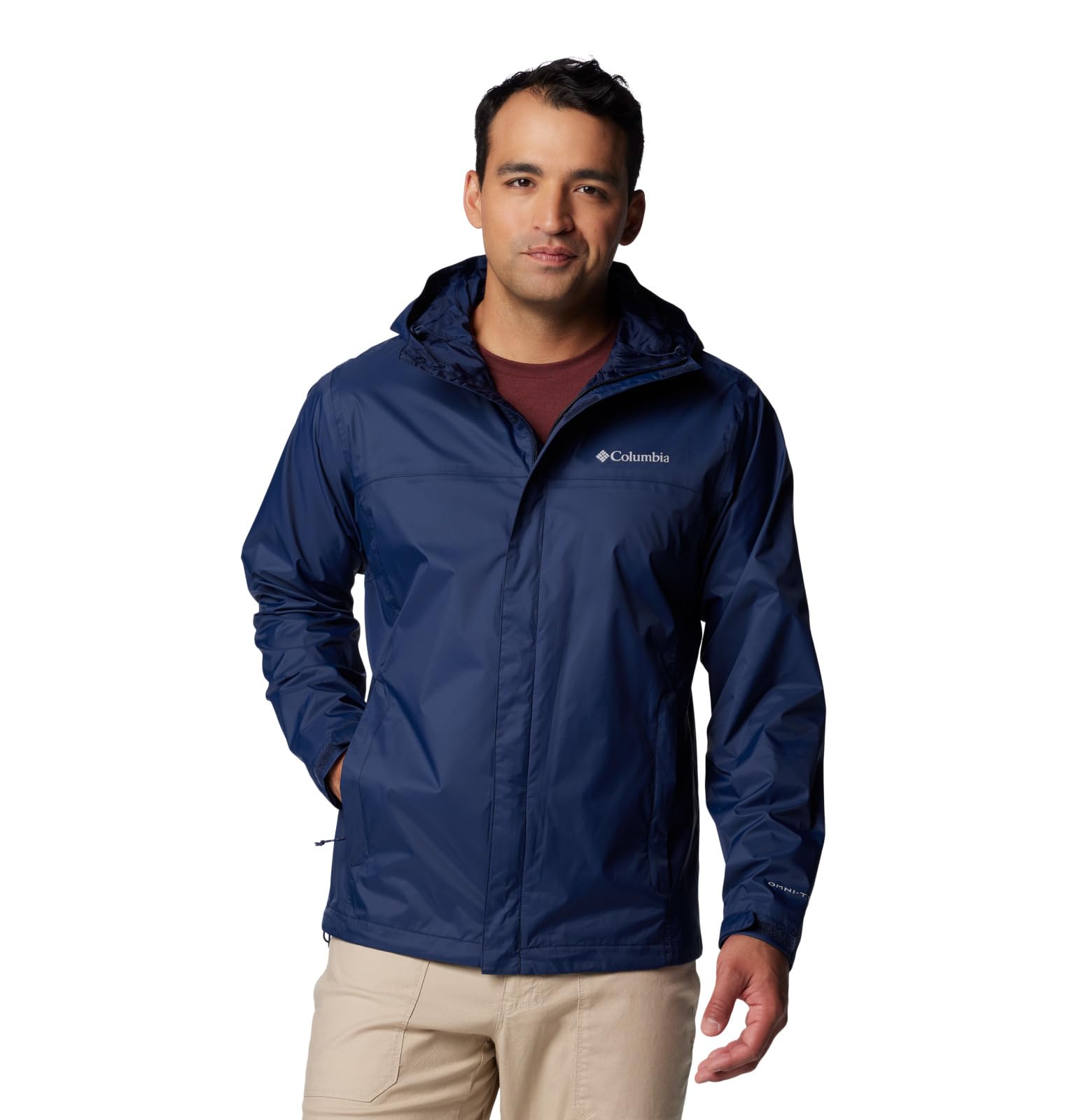
Columbia Watertight II
Key Features
- Weight & Pack: 8 oz, self-stuffs
- Water Resistance: Waterproof
- Insulation: Shell (none)
- Fit: Sleeves run long
- Price: Mid-Range
At just 8 ounces and packing into its own hand pocket, the Columbia Watertight II is the go-to shell for travelers who want rain protection without the bulk. Unlike the top pick’s insulated puffer, this jacket focuses solely on shedding water and blocking wind – it won’t keep you warm on its own. That makes it best for mild-weather rain showers, layering over a fleece, or as a backup in a daypack. The Omni-Shield coating handles steady downpours effectively, and the long sleeves (a plus for tall frames) may be too long for shorter buyers – something to check before buying.
Pros
- Waterproofing holds up in steady downpours.
- Ultralight and packs into its own pocket.
- Wind resistance that stops gusts effectively.
Cons
- No insulation – requires a mid-layer for warmth.
- Sleeves can run long for shorter buyers.
If you need reliable rain protection that disappears in a daypack, this is it – just remember it’s a shell, not an insulator.
Best for Budget Fleece Layer
Columbia Benton Springs Fleece
Key Features
- Weight & Pack: Lightweight
- Water Resistance: No
- Insulation: Fleece
- Fit: Runs small
- Price: Budget
The Columbia Benton Springs Fleece is a cult-favorite budget fleece known for its soft feel and exceptional value. The polyester fleece provides cozy warmth without bulk, making it a natural mid-layer under a rain shell or a standalone option for dry, mild days. It lacks water or wind protection, so it’s best paired with a shell for wet weather. The fit runs small – ordering one size up ensures a comfortable fit, especially when layering over a base layer.
Pros
- Soft fleece provides cozy warmth without bulk
- Budget-friendly price for the quality
- Full-zip front and two zip pockets add convenience
Cons
- Sizing runs small – order one size up for a proper fit
If you need an affordable, soft fleece for layering under a rain shell or for casual wear on crisp days, this Columbia delivers. Just remember to size up.
Best for Golf/commute Jacket
Weatherproof Golf Jacket
Key Features
- Weight & Pack: Lightweight
- Water Resistance: Water-resistant
- Insulation: Shell (none)
- Fit: Standard
- Price: Mid-Range
The Weatherproof Golf Jacket delivers a sharp, tailored look that holds up well over time. Its microfiber shell blocks wind effectively and handles light rain, while zippered chest and side pockets keep small items secure.
This jacket works best for men who need a clean layer for golf outings or daily commuting. It lacks a hood, so it won’t handle steady rain, and it does not pack into a pouch – not a fit for travel or daypack storage. Water resistance covers light drizzle but not extended wet weather.
Pros
- Sturdy microfiber shell resists wind and light rain for casual wear.
- Classic styling that looks more expensive than its mid-range price.
Cons
For a sharp, durable windbreaker that suits golf and daily errands, this is a strong choice – just don’t expect it to pack away or keep you dry in a downpour.
Best for Big & Tall Puffer
Amazon Essentials Men’s Puffer

Key Features
- Weight & Pack: Packs into pouch
- Water Resistance: Water-resistant
- Insulation: Synthetic down
- Fit: Inconsistent sizing
- Price: Budget
This puffer delivers lightweight warmth and packability at a budget price, with water resistance and extended sizing. It costs a bit more than the hooded top pick, the fit can be inconsistent, and there’s no hood for wet weather.
Pros
- Lightweight insulation that retains warmth without bulk
- Compresses into a small pouch for travel
Cons
- Sizing can be inconsistent – some find it runs large, others tight in chest
Best for big & tall travelers who need a packable layer that can handle light drizzle and don’t mind checking size reviews before ordering.
Best for Women’s Budget Puffer
Amazon Essentials Women’s Puffer

Key Features
- Weight & Pack: Packs into pouch
- Water Resistance: Water-resistant
- Insulation: Synthetic down
- Fit: Runs small
- Price: Budget
The Amazon Essentials Women’s Puffer delivers a flattering cut and multiple color options, plus the ability to pack into its own pocket for easy travel. However, the fit runs small in the hips and chest, so sizing up is needed for curvier builds. Compared to the men’s top pick, its higher price and fit issues make the 33,000ft softshell a better choice for style-focused travelers.
Pros
- Lightweight warmth for moderate winter conditions without bulk
- Packs into its own pocket for convenient travel storage
Cons
Best for budget-conscious travelers who want a packable, flattering puffer and are willing to size up for a proper fit.
Best for Insulated Softshell Travel
33,000ft Men’s Softshell

Key Features
- Weight & Pack: Lightweight, packable
- Water Resistance: Water-resistant
- Insulation: Fleece lined
- Fit: Runs small, tight cuffs
- Price: Mid-Range
This jacket delivers warmth and weather protection for 40–50°F, with a packable build that’s easy to stash. The sleeve cuffs can be tight when layering, and sizing runs small—size up. These fit quirks hold it back from premium picks, but for cool commutes, it’s a fair mid-range option.
Pros
- Provides effective warmth and wind resistance in cool conditions.
- Lightweight enough to pack into a daypack for travel.
Cons
- Sleeve cuffs can be tight, making layering difficult or arms hard to push through.
A capable commuter jacket if you size up, but those needing easy layering or a more forgiving fit should consider alternatives.
Best for Premium Daily Softshell
Columbia Ascender Softshell

Key Features
- Weight & Pack: 8 oz, not packable
- Water Resistance: Water and wind resistant
- Insulation: Shell (none)
- Fit: Sleeves excessively long
- Price: Premium
This softshell’s stretch fabric and water/wind resistance suit mild-weather commutes or office wear. It lacks a stuff sack for packing, and sleeves run long for shorter men – better for tall frames or daily use than travel packing.
Pros
- Stretch fabric moves comfortably during active wear.
- Looks polished enough for casual office settings.
Cons
- Sleeves run long for shorter builds – best if you have longer arms.
A premium daily softshell for those who prioritize build quality over packability – fits best on taller men.
Best for Budget Rain Shell
33,000ft Rain Jacket

Key Features
- Weight & Pack: 10.86 oz, packs into pouch
- Water Resistance: Waterproof
- Insulation: Shell (none)
- Fit: True to size
- Price: Budget
This jacket keeps you dry in heavy rain and stows into its own pouch, making it a smart add to any daypack. However, seams may tear after a few months of regular use, so it’s best reserved as a backup rather than a daily shell.
Pros
- Keeps you dry in heavy rain — the waterproofing holds up well for the price.
- Weighs under 11 ounces and packs into its own pouch for effortless travel storage.
Cons
- Seams in the armpit area may tear after a few months of wear, especially under frequent use.
Best as a lightweight emergency shell for travelers who don’t need daily durability.
Best for Women’s Travel Puffer
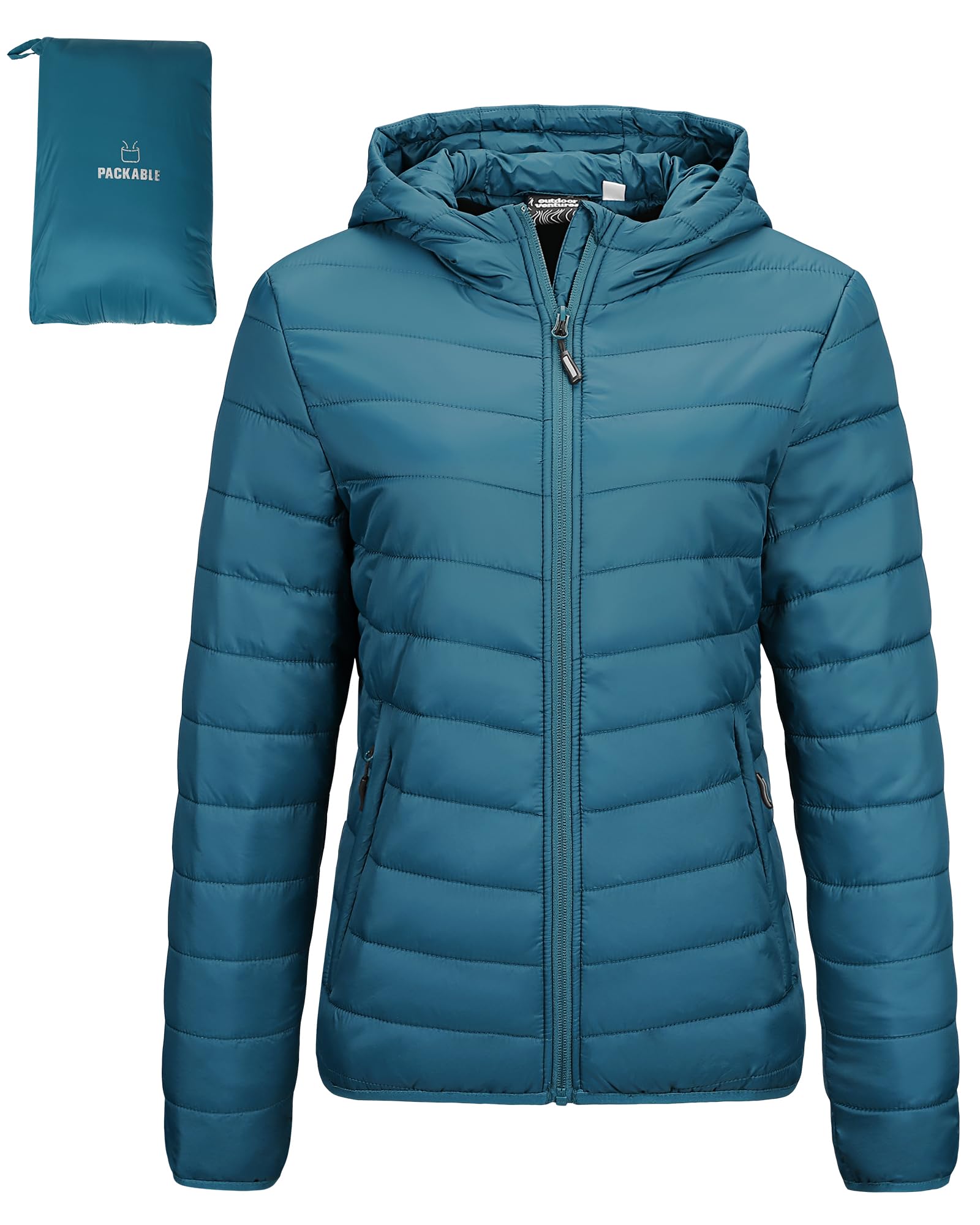
Outdoor Ventures Women’s Puffer
Key Features
- Weight & Pack: Packs into pouch
- Water Resistance: Water-resistant
- Insulation: Synthetic down
- Fit: Runs big, long sleeves
- Price: Mid-Range
Compresses small for travel, delivers enough warmth in 30–40°F with layering, and comes in attractive colors. The roomy cut and long sleeves may not suit everyone, and it lacks the sleeker style of the slimmer softshell option at a similar price.
Pros
- Packs into its own pouch for minimal carry-on space
- Keeps you comfortable in cool weather with a base layer beneath
Cons
- Fit can be loose with longer sleeves – worth checking if you prefer a more tailored look
Best for travelers who want an affordable, compressible puffer for mild destinations and don’t mind a relaxed fit.
Best for Classic Golf Jacket
London Fog Auburn Golf Jacket

Key Features
- Weight & Pack: Lightweight, not packable
- Water Resistance: No
- Insulation: Shell (none)
- Fit: Runs large
- Price: Mid-Range
The London Fog Auburn offers sharp looks and durable construction for casual outings and the golf course. Its cotton blend limits weather protection and it lacks packability, so it’s best for expected mild, dry days. Note that sizing runs large, so consider sizing down.
Pros
- Classic styling that looks more expensive than its mid-range price.
- Durable zippers and seams hold up well over time.
Cons
- Cotton blend offers no water resistance and the jacket doesn’t pack into a stuff sack, limiting travel use.
A good choice if you need a polished windbreaker for casual or golf outings in dry weather and don’t need to pack it.
Best for Fashion Bomber
Zeagoo Bomber Jacket

Key Features
- Weight & Pack: Lightweight
- Water Resistance: No
- Insulation: Shell (none)
- Fit: Runs small
- Price: Budget
This Zeagoo bomber offers a cute, lightweight design in multiple color options at a budget price. However, the material can feel plasticky and sizing runs small, making it a fashion piece rather than functional outerwear for travel or outdoor activities.
Pros
- Stylish and cute design with many color options
- Lightweight and comfortable for mild weather
Cons
- Material can feel plasticky and synthetic
Best for style-focused casual wear in mild weather; skip it if you need a packable travel jacket with reliable outdoor function.
Best for Tailored Softshell
Outdoor Ventures Women’s Softshell

Key Features
- Weight & Pack: Lightweight
- Water Resistance: Water-resistant
- Insulation: Fleece lined
- Fit: True to size, short length
- Price: Mid-Range
Fit and drizzle protection are this jacket’s strengths—true-to-size sizing and a cut many find flattering, plus a fleece lining that keeps you comfortable in 40–60°F. The shorter length leaves the backside exposed when sitting, and it’s not fully waterproof, so it works best as a layering piece or for short outdoor trips where full coverage isn’t a priority. Its limited packability and shorter cut make it less versatile than more compressible options in this guide.
Pros
- True-to-size fit that many find flattering and feminine.
- Water resistance holds up in light rain, keeping you dry in drizzle.
Cons
- Length leaves the backside exposed, noticeable when sitting in wet conditions.
A good choice for women who value fit and light rain protection over full back coverage and packability.
How to Choose
The most important factor for a travel lightweight jacket is its packed size – a jacket that doesn’t compress well will hog precious daypack space.
Weight and Packability
A jacket’s weight and how small it compresses determine whether you’ll actually carry it. A true packable jacket should compress to roughly the size of a water bottle or smaller. Jackets that claim to be ‘packable’ often come with a stuff sack that doesn’t reduce volume much.
Look for a jacket that packs into its own pocket or an included pouch. The ideal travel jacket weighs under 12 ounces. At that weight, you’ll barely notice it in your pack, and it becomes a no-brainer to bring along for unpredictable weather.
Water Resistance
Water resistance is a spectrum, not a binary. A ‘water-resistant’ coating can handle light drizzle, but steady rain will wet through within 20 minutes. For heavy rain, you need a waterproof membrane like Omni-Shield or a seam-sealed shell.
The trade-off: waterproof jackets are less breathable. If you plan to hike or walk fast, you may overheat in a fully waterproof shell. For casual travel, a water-resistant softshell or puffer with a separate rain shell is usually the smarter combination.
Insulation Type
Three common insulation types exist: fleece, synthetic down, and a shell with no insulation. Fleece is cozy and breathable but offers no wind or water protection. Synthetic down (like that in the Amazon Essentials puffers) provides good warmth-to-weight but loses insulation when wet.
For mild travel conditions (40-60°F), fleece or a light synthetic puffer is usually sufficient. If you need a jacket that can handle both rain and warmth, a softshell with fleece lining (like the 33,000ft models) occupies the middle ground.
Fit and Sizing Consistency
Sizing varies wildly between brands – and even within the same brand. A common mistake is ordering your usual size only to find the jacket too tight across the chest or too short in the sleeves. Budget jackets especially tend to run small (or large), so always check recent fit reviews.
If you plan to layer underneath, size up. If you want a trim fit for standalone use, stick with your normal size but verify in reviews. For online purchases, prioritize brands with free returns to avoid the fit gamble.
Pocket Configuration
Pockets matter for travel: zippered pockets keep phone and wallet secure, while interior pockets are ideal for passports. However, extra pockets add weight and bulk, so consider how many you actually need.
For a lightweight packable jacket, two zippered hand pockets are standard. Some jackets add a chest pocket or inner stash pocket. Avoid jackets with too many pockets if packability is your priority – they can prevent the jacket from compressing flat.
FAQ
Can a lightweight packable puffer keep me warm in 40-degree weather with just a t-shirt underneath?
Yes, if the puffer uses synthetic down with decent fill power. In calm, dry conditions, a packable puffer under $30 can handle 40°F with a t-shirt. But if it’s windy or you’re sitting still, you’ll need a windbreaker or mid-layer to stay comfortable.
Why does my Columbia Watertight II jacket feel clammy when I walk fast?
The Watertight II is a waterproof shell with limited breathability. When you generate heat and sweat walking fast, moisture gets trapped inside because the membrane doesn’t vent well. It’s a common trade-off with budget rain shells – wear a wicking base layer to manage clamminess.
Is a softshell jacket good enough for light rain, or do I need a full rain shell for travel?
A softshell with a DWR coating is fine for light drizzle and brief showers. For steady rain or downpours, you need a dedicated rain shell with sealed seams. If you’re traveling to a wet climate, carry a rain shell; for dry-ish destinations, a softshell is often enough.
How much room should I leave in a packable jacket for layering—should I size up?
Yes, size up if you plan to wear a fleece or sweater underneath. Most packable puffers are cut slim to compress well, so ordering one size larger gives you room for a mid-layer without losing much packability. Check recent reviews for brand-specific fit guidance.