
This post contains affiliate links. We may earn a small commission when you buy through our links — at no extra cost to you.
Many down jackets under $100 claim to keep you warm, but a closer look at the care label often reveals polyester fill instead of feathers. Even genuine down jackets at this price point frequently cut corners on shell fabric and zippers, leading to tears, leaks, and broken hardware within weeks.
That doesn’t mean you have to spend a fortune. The key is knowing which trade-offs matter for your use case — whether you need a jacket that packs down to nothing for travel, or one that can handle daily commutes in sub-freezing weather. This guide focuses on jackets that deliver real down warmth without the common pitfalls.


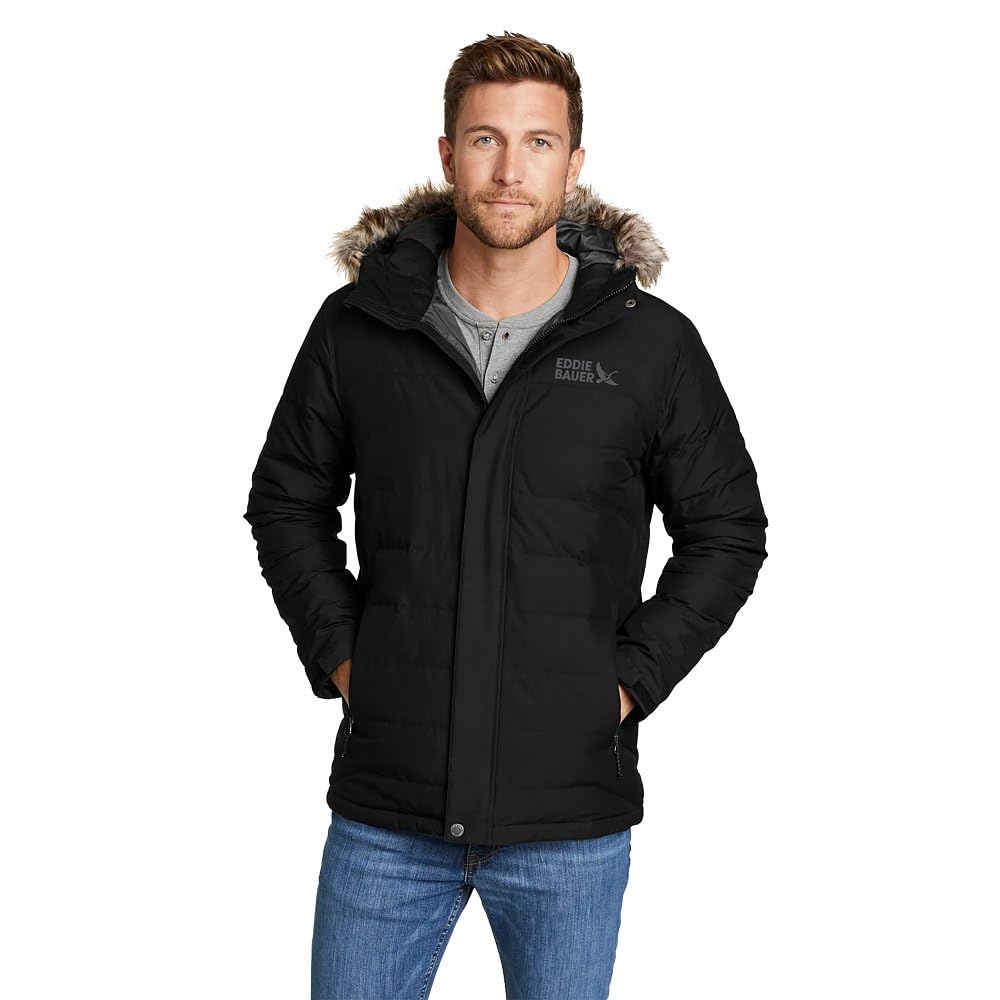
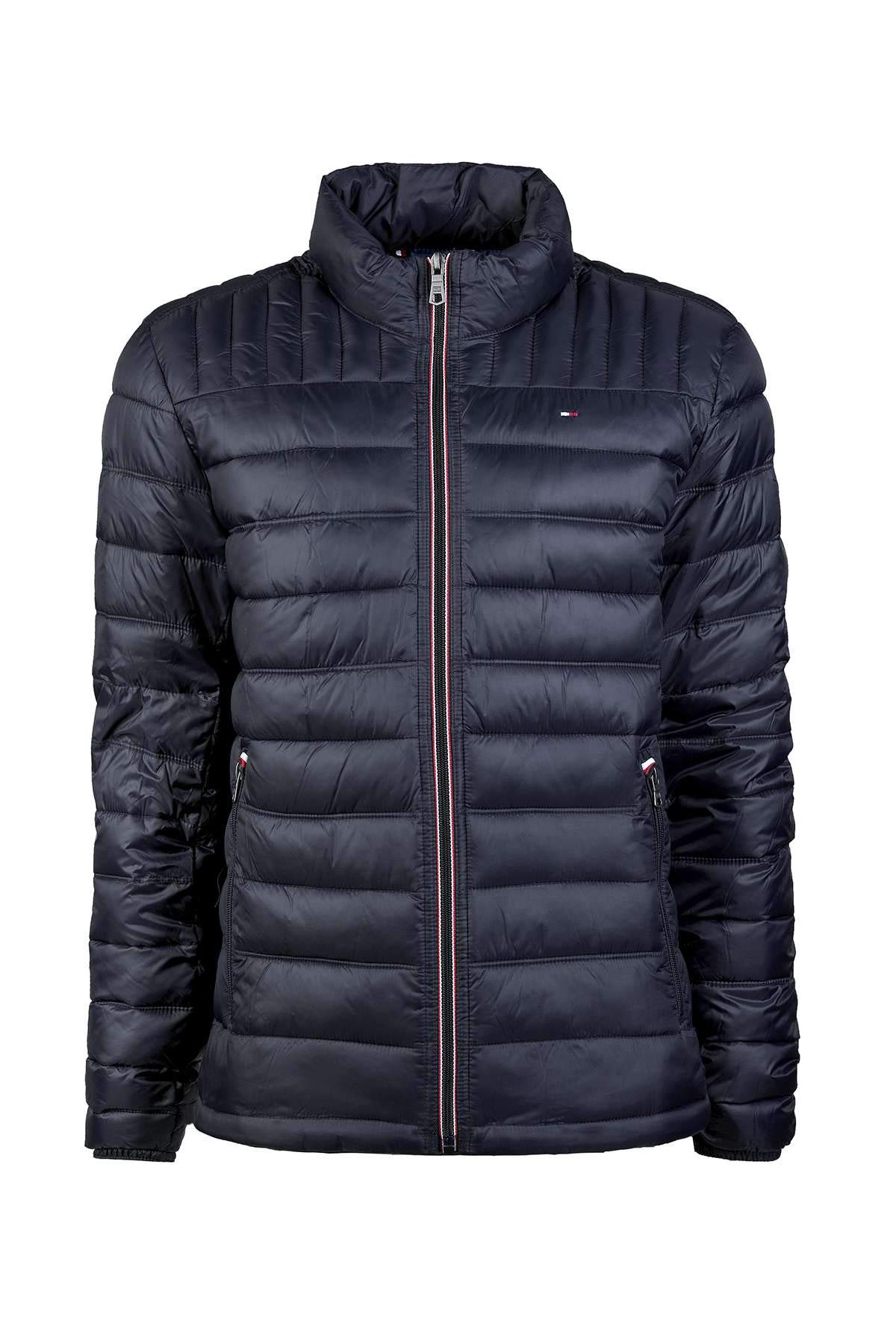
Best for Lightweight Travel
Eddie Bauer CirrusLite Down
Key Features
- Fill Type: Real down
- Shell Durability: Thin, fragile
- Zipper: Standard
- Weight: Ultralight
- Warmth: Mild to cool
- Price: $
The CirrusLite Down Jacket delivers warmth that rivals jackets costing three times as much, thanks to its efficient down fill. At under a pound, it stuffs into its own pocket and takes up minimal pack space. The fit runs true to size and leaves room for a mid-layer without feeling bulky.
This jacket suits travelers and backpackers who want maximum warmth per ounce and don’t plan to abuse the fabric. The shell is deliberately thin to achieve that weight – expect feathers to poke through occasionally and avoid brushing against rough surfaces. That tradeoff is fine for airport lounges, cool evenings, and dry hikes, but not for bushwhacking or daily commuter wear in a city.
Pros
- Exceptional warmth for its weight – outperforms jackets twice the price.
- Packs down small enough to fit in a coat pocket or carry-on.
- True-to-size fit with enough room for a fleece or sweater underneath.
Cons
- Thin shell can tear when rubbed against backpacks, zippers, or rough surfaces, and some down leakage occurs.
The CirrusLite is the go-to for lightweight warmth on a budget – just keep it away from sharp edges and abrasive gear.
Best for Urban Style
CK Sherpa Down Jacket
Key Features
- Fill Type: Real down
- Shell Durability: Standard
- Zipper: Frequent failures
- Weight: Lightweight
- Warmth: Warm
- Price: $$
The Calvin Klein Sherpa Down Jacket wraps you in a soft sherpa interior that feels noticeably warmer than typical down shells. Its modern, tailored cut and mid-range pricing make it an appealing choice for commuters who want a presentable winter layer without the bulk of a full parka.
This jacket is best for style-conscious buyers who prioritize comfort and looks over ultralight packability. It pairs well with casual office attire. However, the front zipper can stick or split during use, especially in colder conditions – a manageable tradeoff for those who don’t rely on rapid, one-handed zipping.
Pros
- Sherpa lining provides noticeable warmth and comfort.
- Clean, modern design suits urban commutes and casual settings.
Cons
- Zipper may stick or split when zipping up, particularly in cold weather.
A comfortable and attractive down jacket for daily commuters, provided the occasional zipper quirk doesn’t deter you.
Best for Outdoor Performance
Marmot Guides Down Hoody
Key Features
- Fill Type: Real down
- Shell Durability: Durable
- Zipper: Sturdy
- Weight: Lightweight for insulation
- Warmth: Sub-zero
- Price: $$$
The Marmot Guides Down Hoody delivers tested warmth at temperatures below -10°F, backed by high-quality shell fabric and stitching that hold up to rough conditions. It packs down small for its insulation level, making it a practical choice for backpackers who prioritize durability over ultralight weight.
This is the jacket for serious outdoor enthusiasts who need consistent insulation in extreme cold and are willing to pay premium for long-term build quality. The tradeoff is sizing can run smaller than expected; ordering one size up is a common adjustment to avoid a restrictive fit, especially with layers underneath.
Pros
- Sustains warmth in very cold conditions, tested below -10°F.
- High-quality materials and robust construction for extended use.
- Lightweight and compressible for a premium insulator.
Cons
- Sizing may be smaller than expected; ordering one size up can improve fit.
If your priority is sub-zero performance and a jacket that can take a beating in the backcountry, this is a strong pick — just account for the snug fit when ordering.
Best for Tall Winter Wear
Eddie Bauer Boundary Parka
Key Features
- Fill Type: Real down
- Shell Durability: Standard
- Zipper: Finicky
- Weight: Heavier
- Warmth: Cold winter
- Price: $$
This parka delivers serious warmth for low-teens winter days, and the long lengths mean tall men don’t settle for an awkward hem. The shell is sturdy enough for daily wear, though it’s not lightweight or stuffable like a travel down jacket. The tradeoff comes with the two-way zipper: it can separate or catch if not aligned carefully, so expect to handle it with a bit of patience.
Best suited for taller men who want a hooded parka for casual winter use and don’t need to pack it down. If you’re after a packable layer for hiking, the top pick’s CirrusLite jacket is a better match.
Pros
- Handles winter lows in the teens °F with ease.
- Extended sizes provide a proper fit for taller frames.
- Classic styling works for everyday casual wear.
Cons
- The two-way zipper can be finicky and may separate during use — something to check before heavy daily use.
A warm, well-fitting parka for tall men who prioritize insulation and coat length over packability; the zipper requires a bit of care but is manageable.
Best for Packable Travel
Tommy Hilfiger Down Puffer
Key Features
- Fill Type: Real down
- Shell Durability: Standard
- Zipper: Good
- Weight: Ultralight
- Warmth: Mild to cool
- Price: $$
This jacket packs into its own stuff sack and weighs little, making it a convenient layer for trips to mild climates. The real down fill provides decent warmth in the 40-50°F range, though it won’t handle freezing temps without added layers. The design is clean and polished, with a visible logo on the neckline that some may prefer. Color accuracy in product photos is an occasional issue – worth checking real-world images before buying.
Pros
- Packs into an included stuff sack for easy transport.
- Stylish design with quality stitching and materials.
- Real down insulation at an approachable price point.
Cons
- Color shown in product photos may not match the actual jacket.
Best suited for travelers who want a branded, packable down jacket for mild weather – just confirm the color you’re getting.
Best for Ultralight Backpack
EB CirrusLite Hooded

Key Features
- Fill Type: Real down
- Shell Durability: Thin, fragile
- Zipper: Standard
- Weight: Ultralight
- Warmth: Mild to cool
- Price: $
This hooded version of the top-rated CirrusLite down jacket delivers the same impressive warmth-to-weight ratio and comfortable mobility. The hood adds welcome protection for exposed necks on cold trails. However, the ultra-thin shell shares the same vulnerability as the non-hooded model: it can tear easily and leak down feathers under normal wear. For ultralight backpackers who need a hood and are careful with their gear, this is a viable option — but the non-hooded version offers better value and a higher review count for those who don’t need the extra coverage.
Pros
- Very lightweight yet warm for its weight.
- Comfortable fit with good range of motion.
Cons
- The thin outer shell can tear and leak down feathers under normal wear.
Best for ultralight backpackers who need a hood and accept careful handling — but the non-hooded version is a better buy for anyone else.
How to Choose
The single most important factor in a down jacket’s performance is the fill type — real down versus synthetic polyester — followed by shell durability.
Fill Type
Down offers superior warmth-to-weight ratio but loses insulating power when wet; synthetic fills like polyester are cheaper but heavier and less compressible. Many jackets labeled ‘down’ actually use polyester, so always check the care label or tag for ‘goose down’ or ‘duck down’ with a fill power number.
Shell Fabric Durability
Thin shells (20-denier or less) pack smaller and weigh less but tear easily and let feathers poke through. Thicker shells (40-denier or more) add durability and wind resistance but add weight and reduce packability. For daily commutes, a thicker shell is worth the extra ounces.
Zipper Quality
Plastic zippers are cheap and lightweight but prone to jamming and breaking, especially in cold weather. Metal YKK zippers are more reliable but add cost. If you plan to zip and unzip frequently, pay attention to zipper reviews.
Weight and Packability
Ultralight jackets (under 10 oz) compress to the size of a grapefruit and are ideal for travel. However, they often use thin shells and less down, meaning they are best for layering rather than standalone warmth in freezing conditions.
Warmth Rating
Down jackets are rated by fill power (600 to 900) and amount of down fill. Higher fill power means more warmth per ounce, but total fill weight matters more for absolute warmth. A 600-fill jacket with a lot of down can be warmer than a 900-fill jacket with very little down.
FAQ
How can I tell if my down jacket is actually filled with real down or just polyester?
Check the sewn-in care label inside the jacket. It will list the fill material: ‘goose down,’ ‘duck down,’ or a specific fill power. If it says ‘polyester,’ ‘polyfill,’ or ‘hollow fiber,’ it’s synthetic. Also look for a fill power number (e.g., 650) — real down usually has one.
Why do lightweight down jackets lose feathers so easily?
Lightweight down jackets use very thin shell fabrics to save weight. Feather shafts can poke through the weave, and small holes develop from normal friction. To minimize leaks, choose jackets with a higher denier shell (30D+) or a baffle construction that traps down.
Can a packable down jacket keep me warm in freezing temperatures?
It depends on the fill power and amount of down. A packable jacket with 800-fill down and a reasonable amount of fill (3-4 oz) can keep you warm down to about 20°F with proper layering. For sub-freezing temps, you’ll need a heavier jacket or a parka with more down and a windproof shell.
Is it worth spending more on a Marmot down jacket compared to Eddie Bauer?
If you need a jacket for occasional travel and mild winters, the Eddie Bauer offers 90% of the warmth at a third of the price. The Marmot is built for extreme cold (-10°F) and rugged use, with a thicker shell and better zipper. For backcountry skiing or daily winter commutes in harsh climates, the Marmot is worth the investment.