
This post contains affiliate links. We may earn a small commission when you buy through our links — at no extra cost to you.
If you’ve ever stepped into a slushy puddle confident in your ‘waterproof’ boots — and felt cold water seeping through the seams minutes later — you’ve experienced the category’s quiet frustration. Many winter boots are marketed as waterproof, but real-world use in wet snow or roadside slush quickly exposes a gap between the label and the performance.
This guide cuts through that noise by focusing on what actually keeps feet dry: sealed seams, proven rubber shells, and liners that stay warm even when damp. We’ll help you match the right level of waterproofing, insulation, and fit to your winter reality — from short city commutes to backcountry snowshoeing.
The result is a set of picks that honor the promise of a dry, comfortable winter — so you can pack one pair for travel, shovel the driveway, or walk the dog without second-guessing your footwear.


Best for All-Around Winter
Columbia Ice Maiden II
Key Features
- Waterproofing: Seam-sealed construction
- Insulation: 200g insulation, faux fur
- Price: Mid-Range
The Ice Maiden II secures dryness with seam-sealed construction that holds up in slushy, wet snow — the exact test where hangtag claims usually crumble. The 200g insulation stays warm without turning the boot into an oven, and the midsole cushioning feels closer to a walking shoe than a clunky winter boot. The tread pattern bites into packed snow and icy sidewalks, providing confident footing.
This boot suits women who need one pair for commuting, winter errands, and snow play — not deep-subzero expeditions. The fit runs narrow through the toe box, and wide-footed buyers may feel pinch points, even in the wide size. On sheer ice, grip can give out, though pairing with strap-on cleats resolves that entirely.
Pros
- Consistent warmth without overheating
- Sneaker-like comfort for all-day walking
- Waterproofing that keeps feet dry in snow and slush
Cons
- On sheer ice, grip may fall short — strap-on cleats resolve this
- Toe box runs narrow; thick socks can create pressure points, and wide sizes may not fully relieve bunion pressure
For everyday winter, this boot delivers verified waterproofing, all-day comfort, and consistent warmth at a mid-range price — just budget for add-on cleats if you face regular ice.
Best for Dry, Cold Days
COOJOY Mid-Calf Snow Boots
Key Features
- Waterproofing: Claimed waterproof
- Insulation: Faux fur lining
- Price: Budget
COOJOY’s mid-calf boot wraps feet in an exceptionally soft faux-fur lining that warms quickly, and the lightweight construction keeps the day comfortable. Unlike the top pick’s seam-sealed waterproofing, these boots are best suited for dry, cold conditions—wet slush and heavy rain can lead to leaks.
They shine on crisp winter sidewalks and light-snow errands; treat them as warm, water-resistant boots rather than waterproof workhorses. Shoppers on a budget who don’t face deep puddles will appreciate the cheerful style and toasty lining.
Pros
- Plush faux-fur lining delivers cozy warmth on cold days
- Lightweight design and soft interior keep feet comfortable all day
- Available in multiple colors with a cheerful, fashionable silhouette
Cons
- Sizing can run small; toe box may feel snug for wide feet or thick socks
- Waterproofing can be inconsistent in rain or wet snow, with leaks possible
For dry, cold winter days where staying warm and looking good matters more than battling slush, these boots deliver cheerful value.
Best for Extreme Cold
Sorel Caribou Snow Boot
Key Features
- Waterproofing: Waterproof leather, rubber shell
- Insulation: Removable felt liner, -40°F
- Price: Premium
What sets the Caribou apart is its extreme-cold insulation system: a removable felt liner rated to -40°F combined with a waterproof leather and rubber shell that sheds deep snow. This is a heavy, tall boot built for static use in bitter winter conditions, not for light walking. The boot runs a full size large, so most men will need to order down. The rubber upper can also crack in the toe bend area after a season of moderate use—a limitation that matters less for buyers who rotate boots or prioritize insulation over longevity.
Pros
- High-quality insulation handles sub-zero temperatures and deep snow.
- Waterproof construction keeps feet dry in slushy, wet conditions.
Cons
- Sizing runs a full size large; most buyers need to order down.
- Rubber upper may crack in high-flex areas like the toe bend over time.
For men facing harsh winters who value heritage-sourced warmth and are willing to handle the sizing quirk, this boot delivers. Those expecting long-term flexibility from the rubber should look for a different design if they plan high-output activities.
Best for Urban Style
DREAM PAIRS Zaylee Ankle Boot
Key Features
- Waterproofing: Claimed waterproof
- Insulation: Faux fur lining
- Price: Budget
The Zaylee boot’s slip-on design with plush faux-fur collar makes it a go-to for quick winter errands. The ankle-hugging fit stays secure, and the cute silhouette earns frequent compliments. Unlike taller, bulkier winter boots, this short style works effortlessly with skinny jeans and leggings.
Waterproofing holds up for light moisture, but prolonged slush or deep snow can cause dampness, particularly through the tongue area. These are best for cleared city sidewalks and casual outings, not for shoveling or trudging through unplowed lots.
Pros
- Plush faux-fur lining feels instantly cozy and requires no break-in.
- Fur-trimmed collar and sleek shape draw compliments with jeans or leggings.
- Secure ankle fit stays in place without pinching.
Cons
- Waterproofing is only surface-level; standing snow can cause dampness, especially through the tongue.
A stylish, comfortable ankle boot for dry winter days and light errands. If your routine involves deep snow or slushy parking lots, look to a taller, sealed boot.
Best for Lightweight Wear
HOBIBEAR Lightweight Boots
Key Features
- Waterproofing: Claimed waterproof
- Insulation: Faux fur lining
- Price: Budget
At under a pound per boot, these are among the lightest winter boots available, with a roomy toe box and cushioned midsole that make them walkable for hours. The faux fur lining and mid-calf height provide warmth, while the outsole grips well on snow and slush. This boot suits women who prioritize a light feel and all-day comfort for cold, dry days — it’s a cloud-like alternative to heavy boots. Waterproofing is adequate for light snow and dry conditions, but may not hold up in persistent wetness or slush; sizing runs small, so consider ordering a half size up.
Pros
- Lightweight build reduces fatigue during extended wear
- Wide toe box and cushioned midsole provide all-day comfort
- Outsole offers solid traction on snow and slush
Cons
- Sizing may run small; ordering a half size up is recommended
- Waterproofing may not hold up in wet snow or slushy conditions
A top choice for lightweight comfort in dry winter conditions, but verify your waterproofing expectations if you encounter wet snow.
Best for Hiking Hybrid
ANJOUFEMME Hiking Snow Boot
Key Features
- Waterproofing: Claimed waterproof
- Insulation: Faux fur lining
- Price: Mid-Range
Where the top pick seals out moisture with seam-sealed construction, the ANJOUFEMME leans into plush memory foam and a sporty hiker silhouette that moves easily from snowy sidewalks to light trails. The faux-fur lining adds warmth without bulk, and the lugs provide decent grip on packed snow. This works for casual winter walks and errands, but anyone who regularly stands in slush or needs heavy-duty durability will push past its boundaries — sole adhesion can thin over time, and waterproofing may falter during prolonged wet exposure. Those who value cushioning and style for dry-to-damp outings will find a comfortable companion here.
Pros
- Memory foam insole keeps feet comfortable through light hikes and long errands.
- Hiker-inspired look earns frequent compliments on trails and around town.
- True-to-size fit with enough room to layer winter socks without bunching.
Cons
- Sole adhesion may weaken after several months of regular use.
- Waterproofing can be inconsistent during prolonged exposure to slush or standing water.
For light hikers and casual winter commuters who want cushioning and style on mostly dry days, this boot delivers a comfortable ride — those who face sustained wetness or daily hard use will be better served by the seam-sealed top pick.
Best for Dry Casual Wear
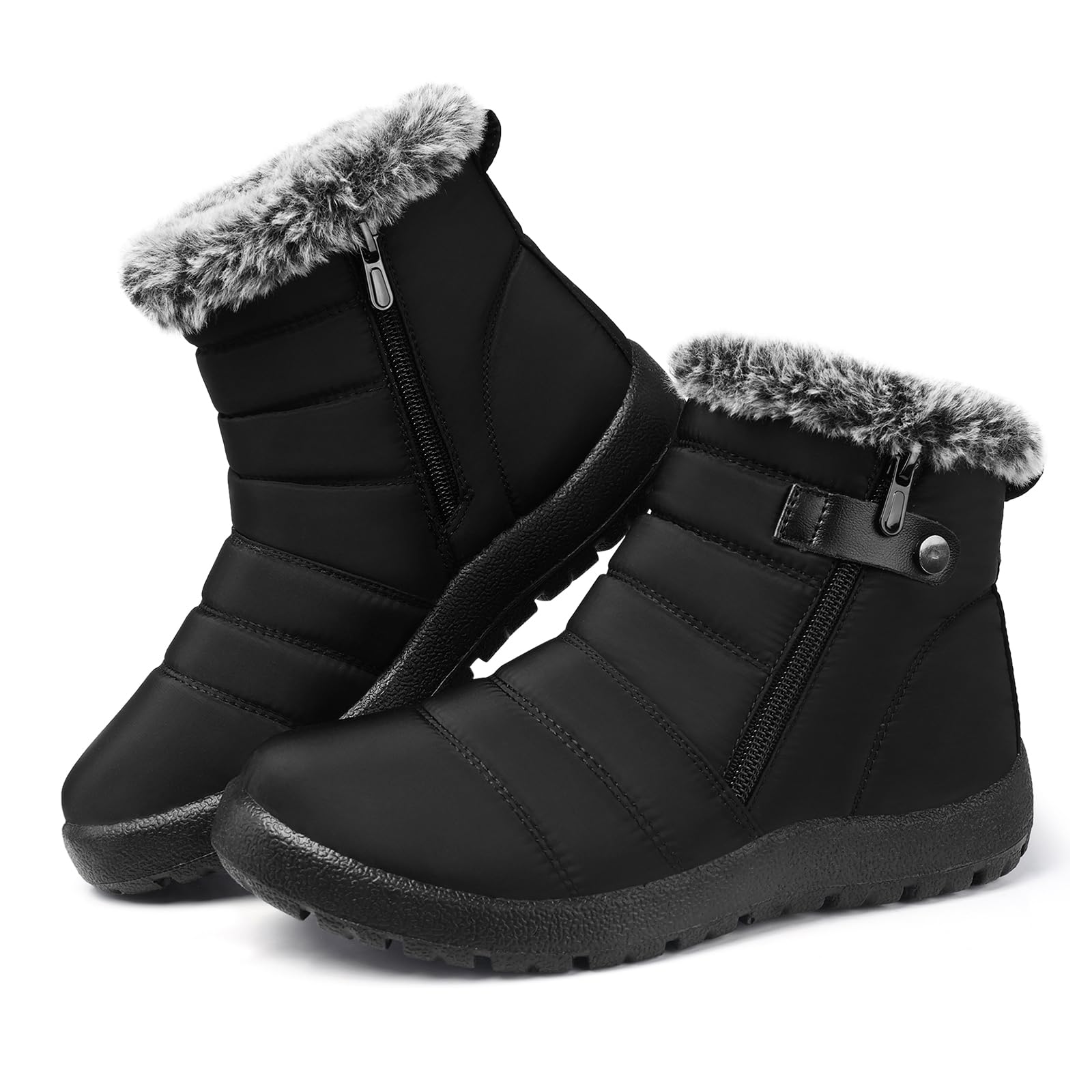
SHIBEVER Winter Ankle Boot
Key Features
- Waterproofing: Claimed waterproof
- Insulation: Fur-lined
- Price: Budget
This budget-friendly ankle boot packs a cozy fur lining that punches well above its price in warmth. For short outings in dry, cold weather, it’s a comfortable grab-and-go option. Waterproofing, however, doesn’t extend to deep snow or sustained moisture — occasional seam leaks mean it’s best kept to light winter days.
Pros
- Warmth that surprises for an ankle boot, keeping feet toasty on cold days.
- Soft, cozy fur lining that makes slipping them on a pleasure.
Cons
- Waterproofing can break down at zippers or seams in slushy conditions.
For quick trips in dry, cold weather, this boot’s warmth-to-price ratio is hard to beat — just don’t count on it when puddles or slush appear.
Best for Dry Cold Style
EARLDE Mid-Calf Snow Boots

Key Features
- Waterproofing: Claimed waterproof
- Insulation: Faux fur lining
- Price: Budget
Plush faux-fur lining and a roomy toe box deliver genuine warmth and all-day comfort. This boot is built for dry, cold outings—it doesn’t match the wet-weather protection of a seam-sealed winter boot. For budget-minded shoppers prioritizing style and cozy warmth on dry days, it’s a smart find.
Pros
- Plush faux-fur lining keeps feet warm in cold, dry weather
- Roomy toe box accommodates thick socks and orthotics comfortably
Cons
- Waterproofing can allow moisture through in slush or puddles
If you prioritize warmth and style over water protection and stick to dry, cold conditions, this budget-friendly boot fits the bill.
Best for Convenient Zip-Up
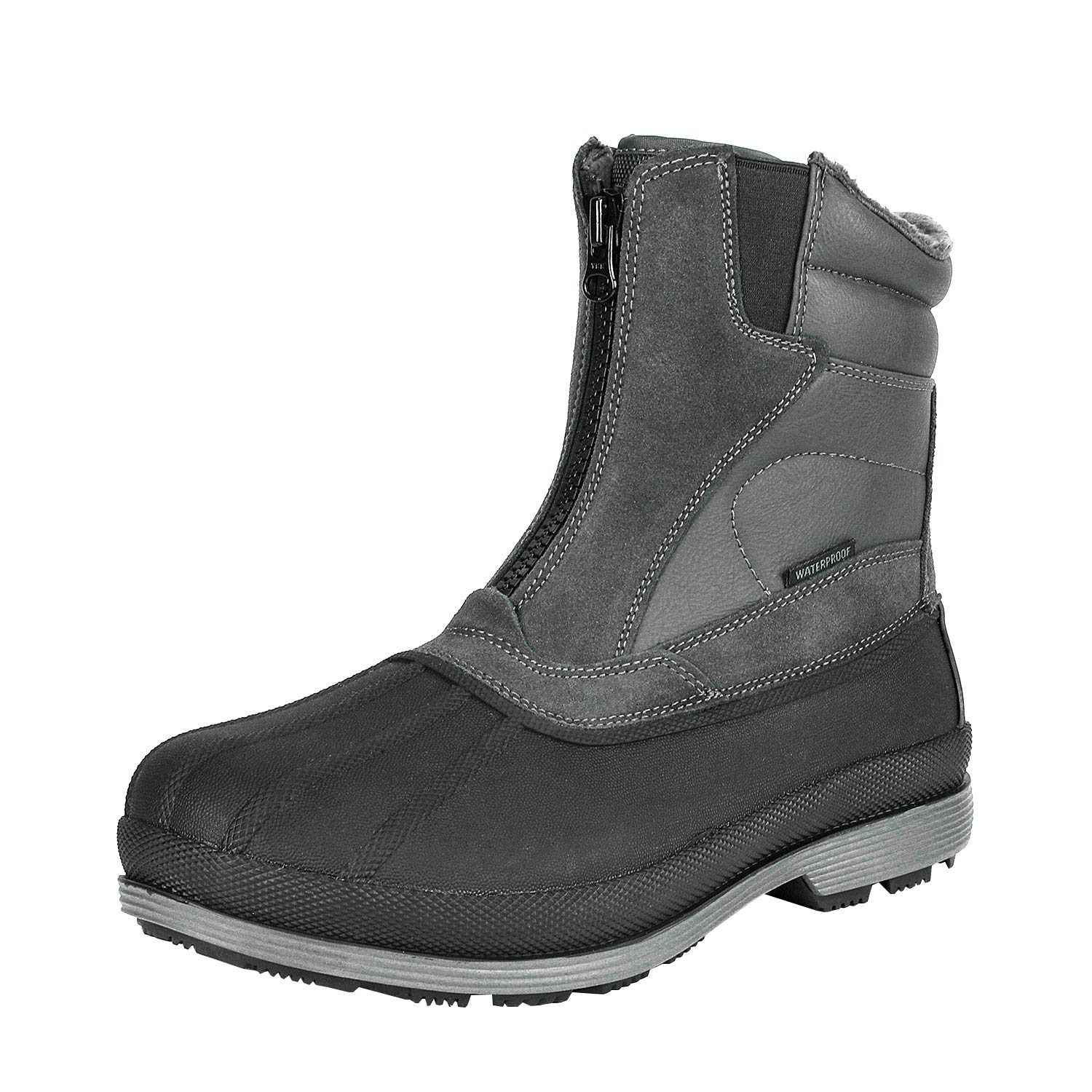
NORTIV8 Insulated Zip Boot
Key Features
- Waterproofing: Claimed waterproof
- Insulation: Insulated
- Price: Mid-Range
The front zipper turns shovel-ready mornings into a 10-second affair, and the insulated shaft delivers dependable warmth for short cold-weather tasks. The zipper mechanism demands a gentle hand, and the snug ankle fit won’t suit wider feet — so this boot works best for occasional, not all-day, use.
Pros
- Front zipper makes entry and removal quick — no lace wrestling.
- Warmth holds up through snow shoveling and short errands after a brief break-in.
Cons
- Zipper may seize or break after limited use if not handled gently.
For quick trips to clear the driveway or grab the mail, this boot’s zip-up convenience and warmth outweigh the zipper and fit tradeoffs — just don’t expect a daily workhorse.
Best for Short-Term Warmth
DREAM PAIRS Mid-Calf Snow Boots

Key Features
- Waterproofing: Claimed waterproof
- Insulation: Faux fur lining
- Price: Budget
This boot’s plush faux-fur lining and stylish mid-calf design provide immediate warmth and curb appeal. Waterproofing may falter in slush, and sole separation has been reported after a season of use, making it a short-term choice best for dry snow.
Pros
- Soft faux-fur lining keeps feet toasty on cold, dry days.
- Sleek mid-calf silhouette and wide color range add style to any winter outfit.
Cons
- Waterproofing may give way in prolonged wet snow, leaving feet damp.
Best for fashion-conscious buyers in dry-snow regions who need a warm, stylish boot for a season or two, and don’t mind replacing it when soles show wear.
Best for Deep Snow Luxury
Sorel Joan of Arctic

Key Features
- Waterproofing: Waterproof leather, rubber
- Insulation: Removable felt liner, -25°F
- Price: Luxury
Exceptional warmth and waterproofing in deep snow define this tall leather-and-rubber boot. The -25°F liner and iconic style come with heft that can fatigue on long walks, an unpredictable fit that can require multiple size tries, and snaps that may fail. It suits those prioritizing extreme snow protection over agility and hassle-free sizing.
Pros
- Extreme cold and deep-snow protection with a removable felt liner rated to -25°F
- Iconic tall silhouette with high-quality waterproof leather and rubber
Cons
- Fit can be unpredictable, with some pairs tight in the toe and others loose at the heel — exchanges may be needed
If you need knee-deep snow protection and iconic style more than a lightweight boot, and are willing to handle sizing exchanges and occasional hardware quirks, the Joan of Arctic delivers.
How to Choose
The single most important distinction in this category is whether the boot’s waterproofing holds up in slush and wet snow, not just light rain or frost.
Waterproofing Reliability
A tag that says ‘waterproof’ doesn’t always mean sealed seams and a gusseted tongue — the two features that actually block liquid from seeping in at critical junctions. Without them, splashing through a puddle forces water through needle holes, zipper gaps, or between the sole and upper.
Boots with a one-piece rubber shell or taped seams keep moisture out even during prolonged exposure. For city commutes and shoulder-season travel, prioritize construction details over marketing language to avoid the disappointment of damp socks by midday.
Insulation & Warmth
Insulation type matters more than thickness. Removable felt liners, like those in Sorel’s heritage boots, trap heat while wicking moisture, and they can be pulled out to dry overnight — a big plus for travelers. Fixed synthetic fills may compact over time and lose loft, especially if the boot gets soaked.
For sub-zero temperatures, look for a temperature rating based on active use (e.g., -25°F or -40°F). In milder winters, a dense faux-fur lining can be enough, but it won’t recover as well from moisture.
Traction on Ice and Packed Snow
Deep, multi-directional lugs help, but the rubber compound is what truly bites into ice. Soft, grippy soles conform to uneven surfaces at the cost of faster wear on dry pavement. Harder rubber lasts longer but slides more easily on a glazed sidewalk.
No boot offers perfect grip on sheer ice; adding a pair of strap-on traction cleats is the only reliable solution for the iciest streets. For everyday winter walking, check that the outsole feels tacky to the touch, not brittle.
Fit Consistency (with Thick Socks)
Many winter boots run narrow or short, and sizing up a half or full size is the unwritten rule to accommodate extra-thick merino socks. However, a boot that’s too large in the heel can cause blisters, so the goal is a snug heel lock with room to wiggle toes.
Look for a wide toe box if you’ll be walking long distances — cramped toes restrict circulation and make feet feel colder. Trying on boots at the end of the day, with the socks you’ll actually wear, reveals the true fit better than any size chart.
Durability of Soles and Seams
The high-flex zone near the ball of the foot is where rubber shells often crack after a single season, especially in freeze-thaw cycles that make materials brittle. Full-grain leather uppers resist flex-cracking better than synthetic panels, but they need occasional conditioning to stay waterproof.
Stitched or vulcanized sole attachments outlast glued-on soles, which are prone to separating when the adhesive gets wet and cold. If you’ll wear the boots daily on salted sidewalks, prioritize models that show reinforced toe caps and abrasion-resistant heel counters.
FAQ
Why are my waterproof winter boots still letting water in after a few wears?
Waterproofing can break down at seams and flex points as the boot bends. Cheaper models may rely on a surface coating that wears off quickly, while higher-end boots use sealed seams and rubber shells that keep water out even after heavy use. If dampness appears after only light moisture, the construction likely lacks taped seams or a gusseted tongue — a clear sign the ‘waterproof’ label is more marketing than engineering.
Should I size up in winter boots to wear thick socks?
Yes — ordering a half to full size larger is standard for winter boots, especially when you’ll wear thick wool or expedition-weight socks. However, if the boot’s heel slips, even thick socks won’t prevent blisters. Prioritize a secure heel fit with a roomy toe box, and always try on boots with the exact socks you’ll wear in deep cold.
Are lightweight winter boots warm enough for sub-zero temperatures?
Lightweight boots usually lack the thick insulation and rubber shells that trap heat in extreme cold. They’re fine for active walking above 0°F or for dry, cold days, but for sub-zero or extended standing still, a heavier boot with 200g–400g insulation or a removable felt liner is necessary. The weight penalty directly translates to thermal mass that retains warmth.
How can I tell if a winter boot is truly waterproof or just water-resistant?
Look for ‘seam-sealed,’ ‘waterproof membrane,’ or ‘one-piece rubber construction’ in the specs — not just ‘waterproof upper.’ Boots without sealed seams or a gusseted tongue will leak within minutes in slush. User reviews that mention ‘wet feet after puddles’ confirm that the design lacks the structural barriers needed for full protection.