
This post contains affiliate links. We may earn a small commission when you buy through our links — at no extra cost to you.
Most mini cooler marketing promises ice that lasts days, but a 9-quart cooler in a hot car will lose its chill in four to eight hours. That gap between claim and reality leads to soggy sandwiches and lukewarm drinks on the beach or at the job site.
This guide cuts through the exaggeration by matching each cooler to a specific outing length and load. A lunch bag that works for a desk job won’t cut it for a tailgate, and a rotomolded tank is overkill for a quick park picnic. Here you’ll find the tool that fits your actual use case, not the one that sounds best on the box.




Best for Everyday Lunch
Titan Arctic Zone 9-Can Cooler
Key Features
- Capacity: 8.45 qt
- Insulation: Radiant barrier
- Closure: Zipperless lid with seal
- Weight: 1.72 lbs
- Durability: Hard shell
- Price: $$
The Titan Arctic Zone avoids the common zipper failure point with its zipperless lid and seal closure, while the shoulder strap makes carrying a nine-can load easy. The exterior handles sand and spills well, and the interior wipes clean quickly. Ice retention holds for 4–8 hours in hot weather, which suits lunch breaks and day trips but not all-day beach outings.
This cooler fits buyers who want a dependable, mid-priced option for short-haul use and don’t need the weight or cost of rotomolded models. The main compromise is ice longevity: in temperatures above 85°F, expect six hours or less. For daily lunches and short outings where you can top off ice or store in a shaded spot, it performs well.
Pros
- Good value for everyday use with a solid build that holds up to regular handling.
- Keeps food and drinks cold for a typical workday or short outing.
- Durable exterior that resists scratches and cleans easily after beach or car use.
Cons
- Ice melts faster than expected in temperatures above 85°F; best suited for trips under 6 hours.
For short day trips and daily lunches, this cooler holds cold well and sidesteps zipper issues — a smart buy at its price point.
Best for Snack-Only
PackIt Freezable Snack Box
Key Features
- Capacity: 0.8 L
- Insulation: Built-in gel
- Closure: Buckle
- Durability: Fabric
- Price: $
PackIt’s freezable snack box stands apart from larger coolers by integrating the gel pack directly into the walls – freeze the whole thing overnight and it keeps snacks cold for hours without loose ice. The fabric collapses flat when empty, slipping into a purse or backpack with minimal bulk. This design suits anyone who only needs to carry one drink and a small snack, or wants a dedicated compartment for medication or breast milk while traveling. The 0.8-liter capacity is a deliberate limitation: it will not fit a full meal or multiple drinks, making it best as a secondary cooler or for ultra-minimalist outings.
Pros
- Built-in gel pack eliminates need for separate ice packs
- Weighs almost nothing and folds flat for storage
- Food-safe liner is easy to wipe clean after use
Cons
- If you need to carry more than a snack and a single drink, the small size becomes a boundary
A purpose-built snack pouch for those who value portability over capacity – grab it for kid outings, short commutes, or as a minimalist travel companion.
Best for Bulk Lunch
Lifewit 15L Lunch Bag
Key Features
- Capacity: 15 L
- Insulation: EPE foam
- Closure: Two-way zipper
- Durability: Fabric
- Price: $
With room for 24 cans or multiple meal containers, this soft cooler maximizes value per dollar — perfect for packing lunches for a work team or family outings. The thermal lining keeps contents cold for several hours, though the lightweight build means handles and zippers may wear under frequent use. Compared to the Titan Arctic Zone’s zipperless design, this bag trades long-term durability for sheer capacity at a lower cost.
Pros
- Spacious interior fits 24 cans or multiple containers — ideal for bulk packing.
- Good cold retention for a soft cooler, keeping food chilled for hours.
- Lightweight with a shoulder strap for easy carrying.
Cons
- Handles and zippers may wear out within a year under regular use.
Best suited for budget-conscious buyers who need maximum capacity and don’t mind replacing after a couple of years.
Best for High-End Adventures
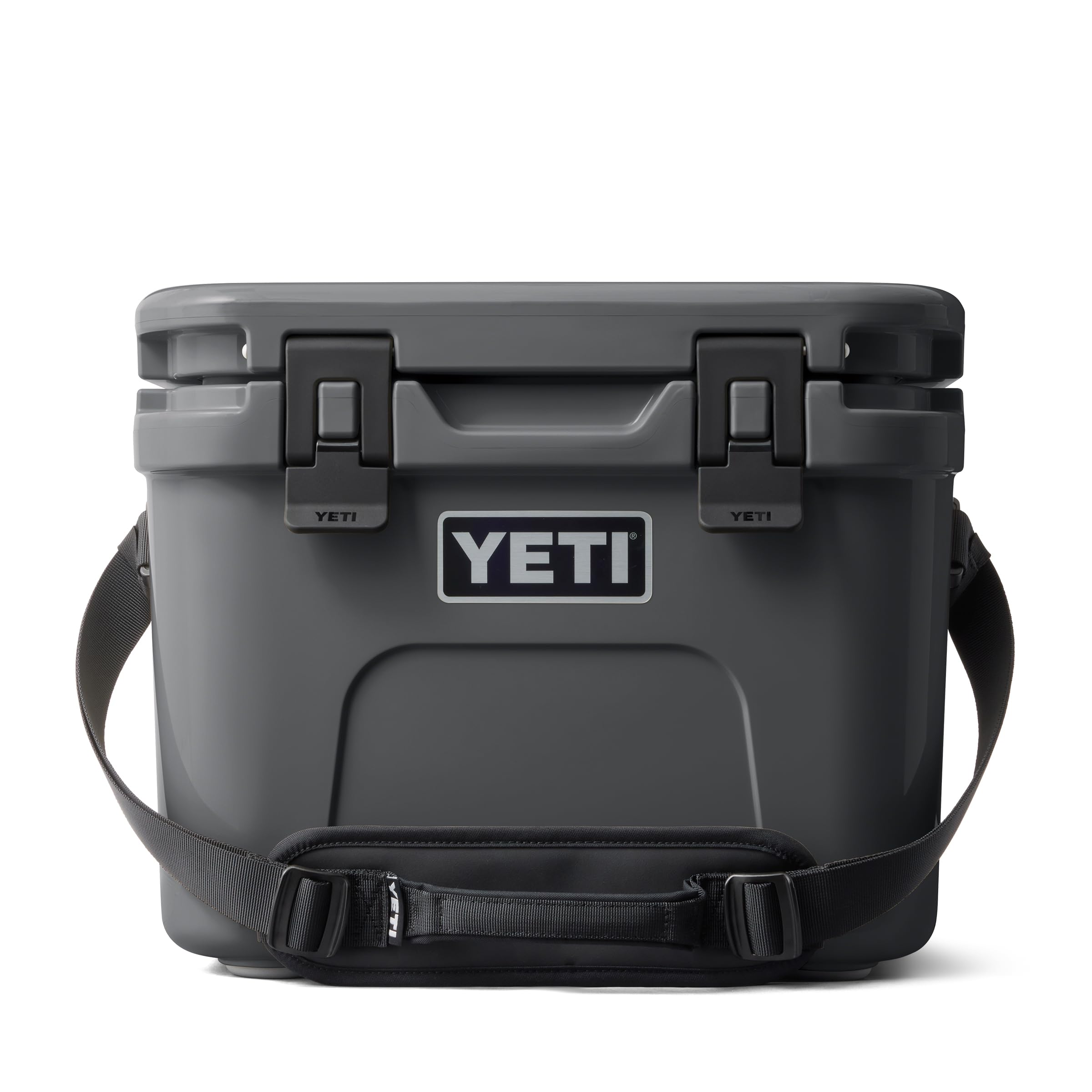
YETI Roadie 15
Key Features
- Capacity: 15 qt
- Insulation: Polyethylene foam
- Closure: Latches with rubber seal
- Weight: 12.6 lbs
- Durability: Hard shell
- Price: $$$$
The YETI Roadie 15 matches the ice retention of much larger coolers, holding ice for multiple days in a compact 22-can form. The penalty is a 12.6-lb empty weight and luxury price that puts it out of reach for casual use or budget-minded buyers. This cooler suits those who prioritize insulation performance above all else and aren’t deterred by the heft — ideal for day trips where cold drinks matter more than portability.
Pros
- Ice stays frozen for days, outperforming most soft coolers in this size range.
- Rotomolded construction handles rough use without cracking or denting.
- Carries 22 cans in a footprint small enough for a car’s backseat.
Cons
- Heavier than any soft cooler at 12.6 lbs empty — a direct tradeoff for the rigid insulation.
- Premium pricing puts it above many alternatives with similar capacity but lesser ice retention.
The Roadie 15 is the right choice when ice retention is the single priority and weight or price are secondary concerns.
Best for Large Lunches
Igloo Playmate 16qt
Key Features
- Capacity: 16 qt
- Insulation: Polyurethane foam
- Closure: Push-button lid with latch
- Weight: 4.2 lbs
- Durability: Hard shell
- Price: $
The Igloo Playmate offers a roomy 16-quart interior that fits a full day’s lunch or a picnic for two, with push-button latch that opens with one hand. This is the go-to choice if you need maximum capacity in a personal cooler without spending much—just be aware the handle and latch can loosen over time with regular use, and the lid may not always seal tightly, which can lead to spills when tipped.
This cooler suits buyers who prioritize size and budget over rugged portability. If you plan to toss it in a trunk or carry it by the handle daily, consider the top pick’s zipperless design instead—its closure is more reliable for frequent transport.
Pros
- Spacious interior holds a day’s worth of food for work or a picnic for two.
- Push-button latch opens easily with one hand for quick access.
- Solid polyurethane foam insulation keeps contents cold for hours.
Cons
- Handle and latch can break or become loose with regular use, affecting long-term durability.
- Lid may not always latch securely, which can cause spills if the cooler is bumped or tipped.
The Igloo Playmate delivers the most interior space at a budget price, but its handle and latch require careful handling. Best for occasional use where you don’t need to carry it far.
Best for Style-Conscious
Igloo Tag Along 11qt
Key Features
- Capacity: 11 qt
- Insulation: Polyurethane
- Closure: Lid with side locks and gasket
- Weight: 4.1 lbs
- Durability: Hard shell
- Price: $$
Vibrant colors and a detachable crossbody strap make this 11-quart cooler easy to carry on a walk or bike ride while keeping a six-pack and snacks cold for a few hours. The locking lid stays secure during movement, and the interior holds 14 cans without feeling cramped.
Best for style-conscious shoppers who want a hands-free cooler for short errands, commuting, or picnics where ice retention of 4-6 hours is enough. The lid requires two hands to close firmly, which can be a minor inconvenience when you’re in a hurry.
Pros
- Crossbody strap and multiple color options make it a fashion-forward carry option.
- Keeps drinks cold for several hours despite its compact size.
- Holds a six-pack plus snacks without feeling overly bulky.
Cons
- Lid can be difficult to open and requires firm pressure to latch shut — not ideal for one-handed use.
A well-styled, hands-free cooler for short outings where the lid’s resistance is a manageable trade-off.
Best for Air Travel
CleverMade Tahoe Collapsible
Key Features
- Capacity: 12 qt
- Insulation: PE foam
- Closure: Zipper
- Durability: Fabric
- Price: $
The CleverMade Tahoe collapses to a flat square that slides into a suitcase yet opens to hold 18 cans with a sturdy wire frame — a portable option for air travel. The tradeoff is the zipper closure: as ice melts, water can seep through, making it better suited for beach days or checked luggage than a car interior. Insulation keeps drinks cold for several hours at a budget-friendly price.
Pros
- Folds completely flat for easy storage and suitcase packing
- Keeps drinks cold for several hours with expanded PE foam insulation
- Sturdy wire frame holds shape when open, no sagging
Cons
- Water can seep through the zipper as ice melts
- Liner may tear after repeated heavy use
Best for travelers who need a packable cooler and can manage some leakage from melting ice.
Best for Fashion-Conscious
Stanley Julienne Soft Cooler

Key Features
- Capacity: 7.4 qt
- Insulation: Polyester liner
- Closure: Zipper with hinged top
- Durability: Fabric
- Price: $$$
The Stanley All Day Julienne Soft Cooler stands out for its high-quality polyester build and leak-resistant liner that wipes clean without staining. However, at a premium price, the 7.4-quart (10-can) capacity limits its value compared to similarly priced alternatives that offer more space. This cooler suits buyers who value aesthetics and build quality over raw volume.
Pros
- Premium materials and sleek design elevate the look beyond typical soft coolers.
- Leak-resistant interior wipes clean easily, maintaining appearance over time.
Cons
- Premium pricing for a 7.4-quart capacity may feel disproportionate for buyers seeking value.
A fitting choice for style-oriented individuals or gift-giving, provided capacity is not the priority — the build and look justify the cost in those scenarios.
Best for Daily Work
Igloo Profile 16qt

Key Features
- Capacity: 17 qt
- Insulation: Thermecool
- Closure: Lid with latch
- Weight: 4.35 lbs
- Durability: Hard shell
- Price: $$
The Igloo Profile 16qt’s vertical shape fits tall water bottles and includes a handy pouring channel. It keeps drinks cold for 2-3 days and handles daily use well. If tipped on its side, water may leak out—best for upright transport like in a car or as a lunchbox.
Pros
- Vertical profile fits tall bottles and includes a pouring channel
- Good ice retention keeps drinks cold for 2-3 days
Cons
- Can leak if tipped over, so keep upright
Best for road trips or daily lunchbox where cooler stays upright; less suited for activities with frequent jostling.
Best for Off-Road Use
Pelican 14qt Cooler

Key Features
- Capacity: 14 qt
- Insulation: Polyurethane
- Closure: Press-and-pull latches
- Weight: 8.3 lbs
- Durability: Hard shell
- Price: $$$
The Pelican 14qt delivers ice retention that holds for days in tough conditions, backed by a well-designed integrated tray and lid organizer. At 8.3 lbs, it’s heavy for its size, and some users find ice longevity less consistent than expected for the price. This cooler suits off-road and marine use where durability matters more than portability.
Pros
- Ice retention keeps contents cold for days in demanding environments.
- Rugged construction handles rough use without damage.
Cons
- Heavy for its size at over 8 lbs empty, making carry less convenient.
Best for those who prioritize rugged durability and near-YETI ice retention over weight savings.
Best for Pool/lake
RTIC Ultra-Tough 20Can

Key Features
- Capacity: 16.9 L
- Insulation: Closed-cell foam
- Closure: Waterproof zipper
- Weight: 3.5 lbs
- Durability: Fabric
- Price: $$
This soft cooler floats, keeps drinks cold for a day outing, and costs less than the premium alternatives. The stiff zipper can be difficult to operate and may fail over time, and the strap and seams show wear under regular use — so it’s best reserved for occasional trips to the pool or lake rather than daily hauling.
Pros
- Budget-friendly alternative to premium soft coolers like YETI
- Floats on water, adding convenience for pool and lake use
Cons
- Zipper is very stiff and can be prone to breaking over time
Best suited for occasional pool or lake outings where you prioritize floatability and budget over long-term durability.
Best for Everyday Lunch
Columbia PFG Cooler 22Can

Key Features
- Capacity: 16 qt
- Insulation: ThermaCool
- Closure: Zipperless flip-top lid
- Weight: 2.9 lbs
- Durability: Fabric
- Price: $$
The Columbia PFG cooler uses a durable zipperless lid and includes a removable shelf for organizing contents — useful for lunches or short outings. However, the interior feels smaller than the 22-can claim, and the front pocket zipper may wear over time. It’s a functional option if you prioritize easy access over advertised capacity.
Pros
- Zipperless lid opens easily and avoids common zipper failures.
- Keeps contents cold for several hours with insulated liner.
Cons
- Capacity is overstated — interior fits fewer cans than the 22-can label suggests.
Best for someone who values the easy-access lid and wants to pack lunches, not maximize can count.
Best for Personal Lunch
Igloo Playmate 7qt

Key Features
- Capacity: 7 qt
- Insulation: HDPE foam
- Closure: Push-button lid
- Weight: 2.2 lbs
- Durability: Hard shell
- Price: $
This 7-quart Igloo holds nine cans and maintains cold temperatures well for a day outing, backed by a durable exterior that has earned a loyal following. However, the lid latch and handle have shown early wear in some cases, making it a better fit for light, occasional use than for daily hauling or rough handling.
Pros
- Compact 9-can capacity for personal lunches or a six-pack
- Effective cold retention for a full day trip
Cons
- Lid latch and handle may show wear over time under heavier loads
Works well for casual, light-duty use where occasional latch care is acceptable.
Best for Occasional Trips
Coleman Chiller 9qt

Key Features
- Capacity: 9 qt
- Insulation: TempLock
- Closure: Lid with latch
- Weight: 2.85 lbs
- Durability: Hard shell
- Price: $
This 9-quart cooler fits easily in a car for personal use, keeping items cold for a few hours at a bargain price. However, the lid can be difficult to open and the seal may not hold securely, making it less suited for regular use or when a tight closure is needed.
Pros
- Compact size fits easily in a car for personal trips.
- Good value for a budget-friendly price.
Cons
- Lid can be difficult to open and the seal may not hold securely.
Best suited for occasional use like a beach day or kids’ lunch when price is the priority.
Best for Sous Vide
Igloo Island Breeze 9qt

Key Features
- Capacity: 9 qt
- Insulation: Polyurethane
- Closure: Swing-up handle and lid
- Weight: 2 lbs
- Durability: Hard shell
- Price: $
The Igloo Island Breeze 9qt holds six cans or a small sous vide setup nicely, with decent cold retention for a few hours. Its budget price makes it an easy impulse buy. However, the handle and lid can pop off during normal carrying, so this cooler is best suited for stationary use or occasional picnics rather than active outdoor trips.
Pros
- Compact 9-quart size holds six cans or a sous vide setup with a good fit.
- Keeps drinks cold for a few hours on short outings.
Cons
- Handle and lid can pop off during routine carrying, limiting use to gentle handling or stationary placement.
Works well for sous vide cooking or casual picnics where you can handle it gently, but not for daily or rugged use.
How to Choose
The biggest mistake mini cooler buyers make is expecting multi-day ice retention from a compact cooler — realistic performance is 4 to 8 hours of effective cooling.
Capacity: Quarts vs Reality
Capacity numbers like ‘9 cans’ or ’16 quarts’ often assume ideal packing, but a tall water bottle or a rectangular sandwich container wastes space. A 16-quart hard cooler might hold two full meal containers plus drinks, while a 9-quart soft bag struggles with a six-pack and a snack.
Match the volume to your actual load: lunch for one needs 7–10 quarts; a picnic for two needs 14–16 quarts. Oversized coolers create dead air that melts ice faster.
Insulation Type
Built-in ice packs (like PackIt’s EcoFreeze) eliminate the need for separate gel packs but add weight when frozen and limit flexibility — you can’t adjust the cooling power. Standard foam insulation works with loose ice or packs, giving you control over how long you want things cold.
For short trips under four hours, built-in gel is convenient. For all-day outings, foam plus separate ice packs lets you swap in fresh ice without hauling a frozen bag.
Closure Type: Zipper vs Zipperless
Zipperless lids (flip-top or latch) are more durable than zippers — no teeth to jam or break — and they seal tightly when designed well. The trade-off is that some latch designs require two hands to close securely, and a poor seal leaks cold air.
Zippers on soft coolers are the most common failure point. Thick, waterproof zippers used for insulation are stiff to open and prone to separating after months of use. If you prioritize longevity, a zipperless hardbody is the safer bet.
Weight and Portability
A rotomolded hard cooler like the YETI Roadie 15 keeps ice for days but weighs 12.6 lbs empty — that’s a burden on a long walk to the beach. A soft cooler like the CleverMade Tahoe folds flat and weighs under a pound, but sacrifices insulation and durability.
Shoulder straps help distribute weight, but a 9-quart cooler full of drinks still pulls on one side. Collapsible models save suitcase space but leak when tipped. Choose based on how far you’ll carry it: car trunk trips favor hard shells; public transit favors soft.
Durability: Handle and Latch Reliability
Budget hard coolers often use plastic handles and latches that snap after a few months of daily use. Igloo’s Playmate and Profile series have recurring latch and handle complaints, while Pelican and YETI use reinforced metal components that last for years.
Soft cooler durability depends on zipper and seam construction. A reinforced zipper track and double-stitched handles resist wear, but even good soft coolers have a shorter lifespan than hard shells. If you plan to use your cooler every day, invest in a hardbody with metal hardware.
FAQ
How long does a mini cooler actually keep ice?
Under typical summer use (80-90°F, frequent opening), a mini cooler with separate ice packs will keep contents cold for 4 to 8 hours. Rotomolded premium coolers like YETI can extend that to 2-3 days if kept closed and out of direct sun. Budget soft coolers rarely last beyond 5 hours.
Why is my soft cooler zipper so hard to open?
Thick insulation foam requires heavy-duty waterproof zippers that are inherently stiff. Lubricating the zipper teeth with a wax-based product (like a beeswax stick) every few months reduces friction. If the zipper is already binding, it may be misaligned — check for fabric caught in the track.
Can I use a mini soft cooler as my everyday lunch bag?
Yes, but expect 1-2 years of daily use before the zipper or interior liner wears out. A hard cooler with a zipperless lid and metal latch will last 5+ years under the same routine. For daily commuting, the extra weight of a hardbody is worth the durability.
What’s the difference between a zipperless cooler and a zippered one?
Zipperless coolers rely on a latched lid with a gasket, which eliminates the most common failure point (the zipper). They are easier to clean and more durable, but may not be fully leak-proof if tipped. Zippered coolers offer better interior access and often pack tighter, but the zipper is a wear item that can break or leak.