
This post contains affiliate links. We may earn a small commission when you buy through our links — at no extra cost to you.
Many men’s hiking shoes promise all-day comfort and trail-ready durability, but after a few rocky miles, soles may separate, waterproofing can give out, and the ride becomes punishing. The gap between marketing and the trailhead is wider than many expect.
This guide spotlights models that genuinely stand up to repeated use. You’ll find shoes that pair sneaker-like flexibility with Vibram outsoles, waterproof membranes that seal out puddles without turning into sweatboxes, and wide fits that accommodate real foot shapes. These are the shoes that prove comfortable hiking gear doesn’t have to be fragile.
Whether you log weekend miles on groomed paths or tackle daily hikes in mixed terrain, the picks that follow deliver the durability and underfoot support to keep you moving confidently, season after season.


Best for Day Hikes, Wide Feet
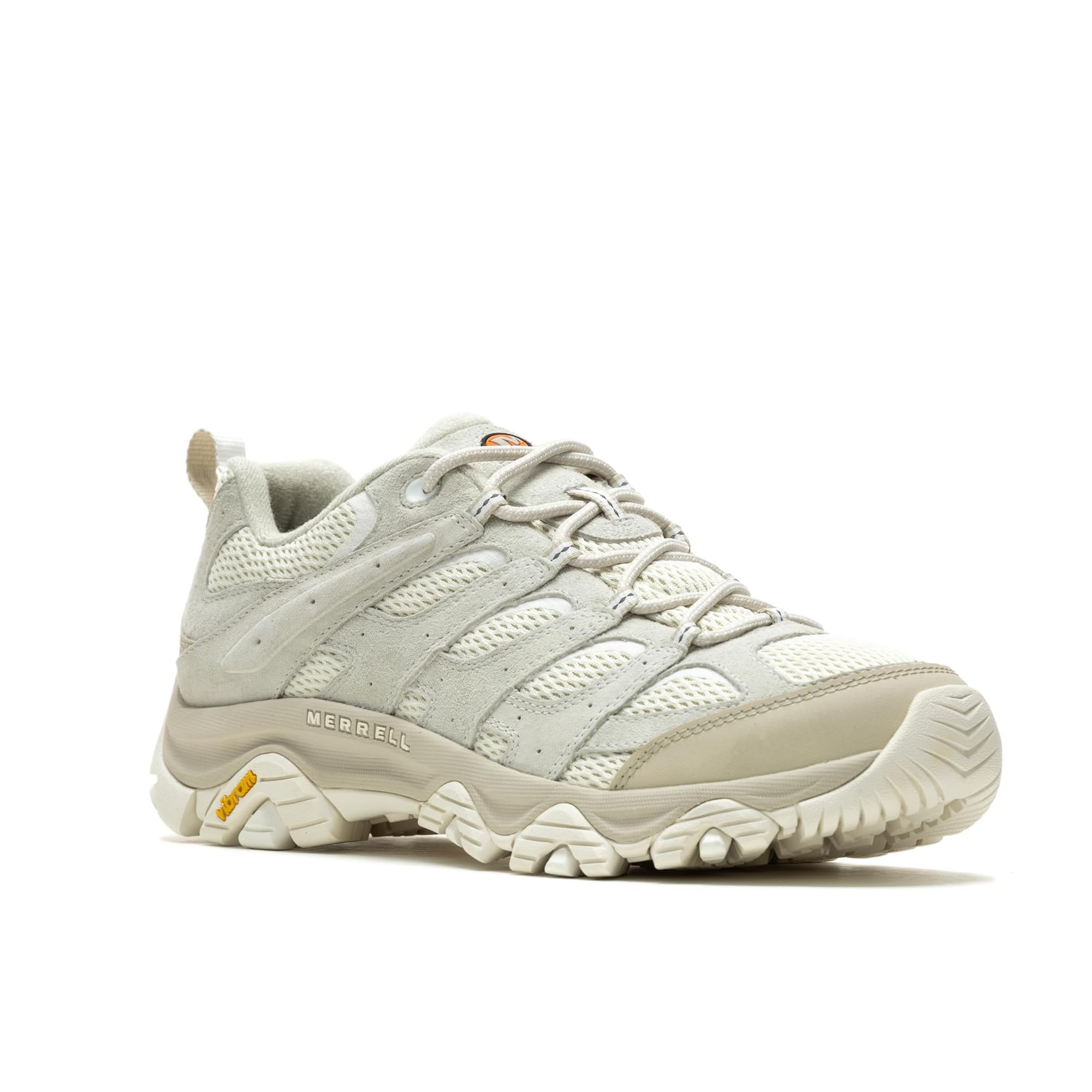
Merrell Moab 3
Key Features
- Waterproofing: Not waterproof
- Outsole Traction: Vibram
- Comfort & Fit: Wide sizes, instant comfort
- Price: Mid-Range
The Moab 3 feels broken-in from the first mile, delivering the kind of cushioned, supportive fit that keeps feet happy on 10-mile days. Its Vibram outsole bites into loose dirt and rock with consistency, and the leather-and-mesh upper shrugs off abrasion from rocks and roots. Unlike some plush shoes that pack out quickly, the Moab 3 maintains its supportive feel through seasons of use. It handles everything from well-graded forest trails to rocky ascents, though it’s not built for technical scrambling or deep mud.
Day hikers who prioritize immediate comfort and solid grip will find their match here. Wide-footed hikers can choose the EE sizing to avoid pinching. For wet or mucky conditions, the non-waterproof version can feel soggy, and the low-cut collar offers less ankle support than a mid boot—better to reserve this for dry to damp trails. The shoe’s durability and reasonable price make it a strong value for frequent trail use. Occasional sole separation has been noted after years of heavy use, a risk worth considering if you log more than 500 trail miles per year, but most casual-to-moderate hikers will find the longevity exceeds expectations.
Pros
- Immediate comfort with no break-in, even on long day hikes.
- Durable build withstands frequent trail use and casual wear.
- Mid-range price with long-lasting performance, delivering strong value.
Cons
- Sole separation can occur after prolonged heavy use.
For hikers who want a shoe that feels ready to go from day one and keeps performing on trail after trail, the Moab 3 remains the benchmark in its class.
Best for Casual Day Hikes
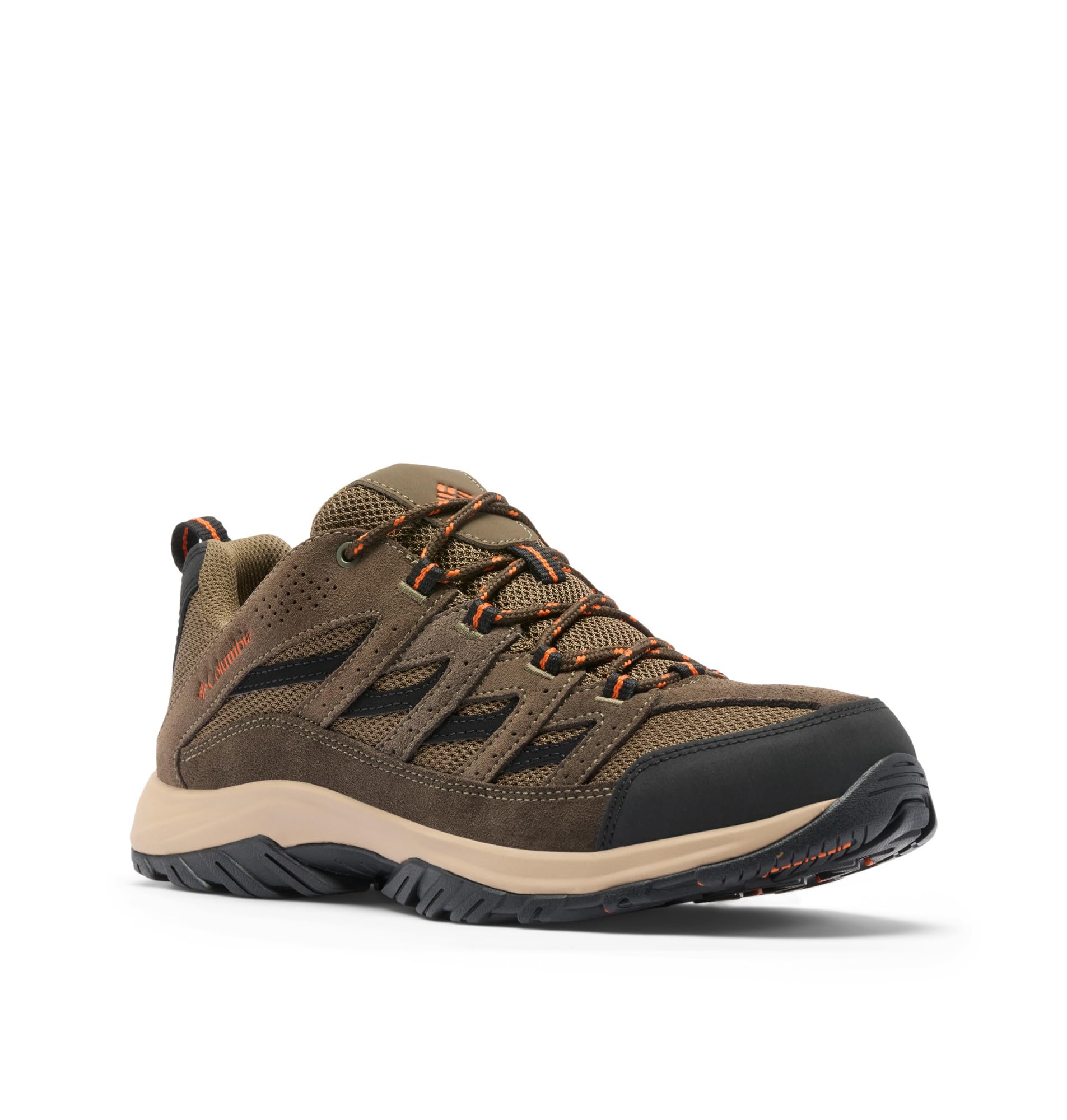
Columbia Crestwood
Key Features
- Waterproofing: Not waterproof
- Outsole Traction: Omni-Grip
- Comfort & Fit: EE width, lightweight
- Price: Budget
At just 1.25 lbs per boot and a wallet-friendly price, the Columbia Crestwood delivers all-day comfort for day hikers who don’t need waterproofing or aggressive durability. Available in EE width, it accommodates wide feet better than many slim-fitting alternatives. While the waterproof Columbia option in this set seals out rain, this model stays light and breathable — but it’s best kept to dry, well-maintained trails. Sole wear can progress unevenly with heavy use, and water resistance is minimal, so it suits budget-conscious hikers sticking to fair-weather day hikes.
Pros
- Extremely lightweight and comfortable for long walks
- Strong value for money with consistent trail performance
- EE width available fits hikers with wide feet comfortably
Cons
- Sole tread can wear down faster than some hikers anticipate with repeated trail use
- Water resistance is minimal; the boot will soak through in steady rain or puddles
A smart pick for casual hikers who prioritize light weight and wide-fit comfort over long-term durability and waterproof protection.
Best for Light Rain Trails
Columbia Transverse
Key Features
- Waterproofing: Waterproof
- Outsole Traction: Omni-Grip
- Comfort & Fit: Roomy toe box, lightweight
- Price: Budget
Lighter and less expensive than premium waterproof shoes, the Transverse handles light rain and shallow puddles without the weight penalty. The toe box is roomy, making it a comfortable choice for wider feet right out of the box. Long-term durability under sustained trail use is still unproven — some early wear has appeared — so it’s best reserved for occasional hikers who stick to maintained paths and moderate distances.
Pros
- Excellent comfort with a roomy toe box
- Effective waterproofing for light rain and puddles
- Very lightweight for a waterproof shoe
Cons
- Toe cap separation may develop with extended mileage on rugged terrain
A sensible pick for budget-minded hikers who keep mostly to groomed trails and need light rain coverage, but the durability question makes it a risky bet for frequent backcountry treks.
Best for Hot, Dry Trails
Merrell Moab 2 Vent
Key Features
- Waterproofing: Not waterproof
- Outsole Traction: Vibram
- Comfort & Fit: Runs large, arch support
- Price: Mid-Range
The Moab 2 Vent forgoes waterproofing and a high collar to deliver unmatched summer breathability at just 1.1 lbs. Where the top pick prioritizes all-season durability, this shoe’s mesh upper and Vibram sole shine on dry, dusty trails, keeping feet cool without sacrificing grip.
Hikers who stick to fair-weather outings and value a sneaker-like feel will appreciate the immediate comfort and supportive arch cushioning. Dewy grass or stream crossings will soak through, so plan trips for dry conditions. The generous fit typically requires sizing down a half-size, and the low-cut profile offers no ankle support, suiting well-graded paths over rocky traverses.
Pros
- Exceptional breathability keeps feet cool on hot, dry hikes.
- Comfortable out of the box with supportive arch cushioning.
- Vibram outsole provides consistent traction on packed dirt and rock.
Cons
- Sizing runs large — consider ordering a half-size down.
For dry-summer hikers who want sneaker-like lightness with Vibram grip, the Moab 2 Vent is a smart, budget-friendly choice — just mind the sizing and stick to sunny trails.
Best for Active Wet Hikes
Columbia Peakfreak II
Key Features
- Waterproofing: Waterproof (OutDry)
- Outsole Traction: Omni-Grip
- Comfort & Fit: Immediate comfort, lightweight
- Price: Mid-Range
The Peakfreak II delivers waterproofing without the weight penalty. Columbia’s OutDry membrane is bonded to the upper, shedding rain while allowing more breathability than traditional liners. Cushioning underfoot is generous, and the Omni-Grip outsole grips confidently on packed dirt and wet rock. This shoe suits hikers who want a light, plush feel that rarely needs a break-in period, and who are willing to forgo the multi-season ruggedness of heavier boots in favor of nimble, day-hike comfort.
Pros
- Immediate, plush cushioning that requires almost no break-in
- OutDry membrane keeps feet dry without the weight of a separate liner
- Lightweight build and breathable upper prevent overheating on active hikes
Cons
If every ounce counts and you prioritize a dry, cushioned stride over the ruggedness of a heavy boot, the Peakfreak II fits the bill.
Best for Short Wet Trips
KEEN Targhee 3

Key Features
- Waterproofing: Waterproof
- Outsole Traction: KEEN.ALL TERRAIN
- Comfort & Fit: Wide toe box, arch support
- Price: Premium
The KEEN.DRY membrane seals out rain and puddles, while the wide toe box and arch support provide immediate comfort. The trade-off: limited durability means this shoe suits short wet hikes rather than regular trail mileage.
Pros
- KEEN.DRY membrane keeps feet dry through puddles and steady rain.
- Wide toe box and supportive arch provide out-of-box comfort.
Cons
- Sole may delaminate from upper over time, compromising longevity.
For hikers who need guaranteed waterproofing on occasional wet trails and value a roomy fit, this shoe delivers — as long as long-term durability isn’t a priority.
Best for Moderate Waterproof Hikes
Columbia Newton Ridge

Key Features
- Waterproofing: Waterproof
- Outsole Traction: Omni-Grip
- Comfort & Fit: Soft interior, cushioning
- Price: Premium
Plush interior cushioning and a classic suede look make the Columbia Newton Ridge a forgiving companion on rainy trails. Water resistance handles wet grass and shallow puddles. The trade-off: lace holders and sole bonding can weaken over extended miles, so this boot suits occasional outings rather than season-long treks.
Pros
- Plush cushioning and soft interior provide all-day comfort on moderate trails.
- Waterproof suede upper keeps feet dry through rain, wet grass, and shallow puddles.
Cons
- Lace holders and sole bonding may fail after prolonged use, limiting long-term durability.
If your hiking is limited to weekend rambles and you value immediate comfort over multi-season longevity, the Newton Ridge delivers.
Best for Narrow-Feet Convenience
Merrell Moab MOC

Key Features
- Waterproofing: Not waterproof
- Outsole Traction: Vibram
- Comfort & Fit: Narrow fit, arch support
- Price: Mid-Range
The Merrell Moab Adventure MOC delivers quick slip-on access, a grippy Vibram outsole, and a supportive footbed for light trail days. Its narrow last, however, means wide-footed hikers and those needing a secure laced fit will find it limiting. For narrow feet and easy paths, the convenience is a real perk.
Pros
- Easy slip-on construction eliminates laces for quick transitions on and off the trail.
- Supportive footbed and arch support provide all-day comfort on mellow terrain.
Cons
- The narrow last may feel restrictive on wider feet, limiting sizing options.
A practical grab-and-go choice for narrow-footed hikers tackling flat, well-maintained trails where sliding in and out of the shoe is a daily convenience.
Best for No-Frills Durability
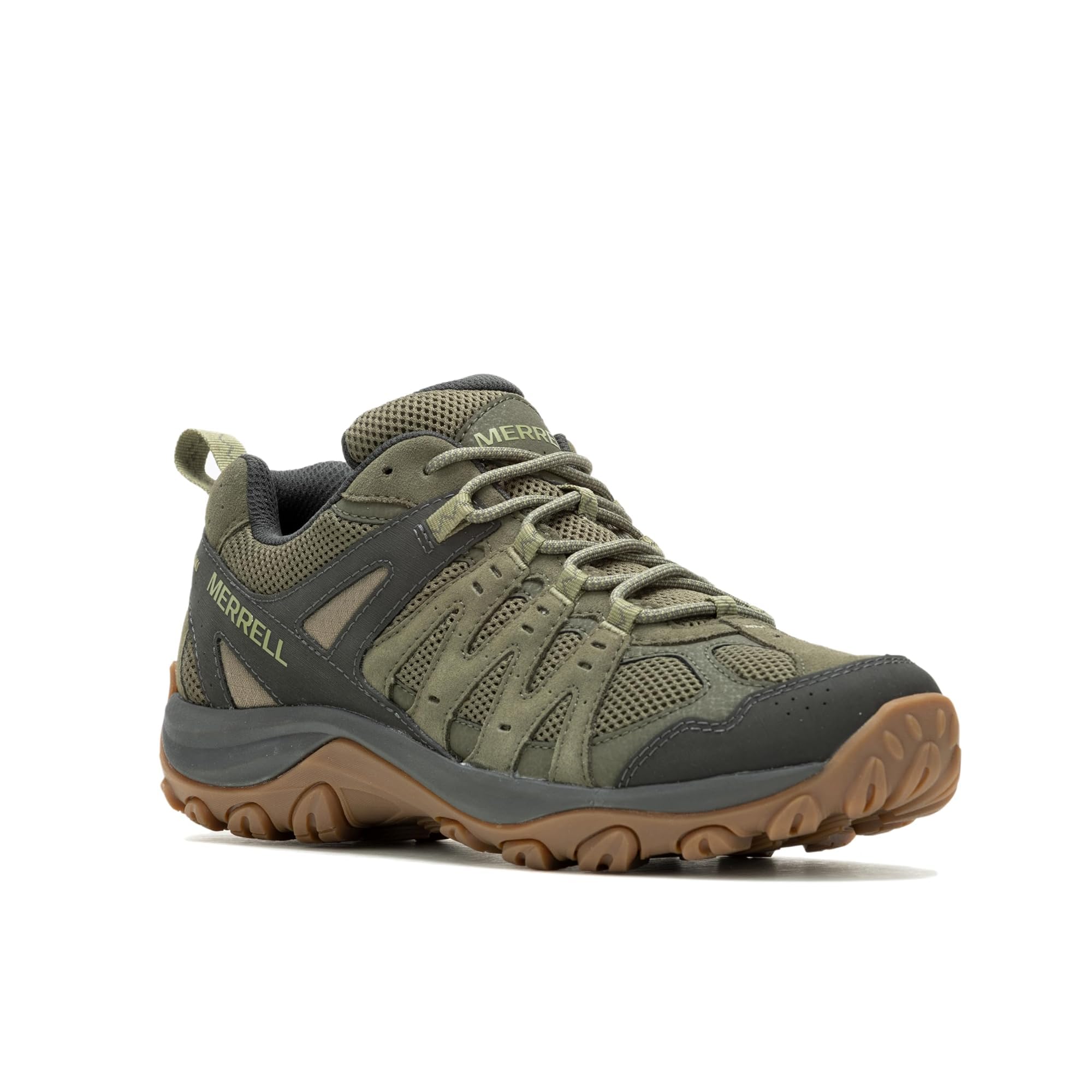
Merrell Accentor 3
Key Features
- Waterproofing: Not waterproof
- Comfort & Fit: Wide toebox, firm cushion
- Price: Mid-Range
The Accentor 3 delivers durable, firm support and a notably roomy toe box — a better fit for hikers who want ground feel rather than mushy cushioning. But the water-resistant label can disappoint in continuous rain, so keep these on dry trails.
Pros
- Roomy toe box accommodates wider feet without sacrificing lock-in.
- Durable construction holds up well to regular hiking wear.
Cons
- Water-resistant labeling overstates performance; feet may get wet in sustained rain.
A pragmatic pick for dry-weather hikers who need extra toe space and a firm, durable ride — not the one for wet conditions or pillowy soft steps.
Best for Versatile All-Day
Merrell Chameleon 8

Key Features
- Waterproofing: Not waterproof
- Outsole Traction: Vibram
- Comfort & Fit: Narrow entry, supportive fit
- Price: Mid-Range
The Chameleon 8 wraps your foot in immediate comfort with a Vibram sole that grips trails and job sites alike. The stretch collar aids entry, though the narrow opening can be snug. The main trade-off: the midsole can produce an audible squeak with each step, which becomes noticeable in quiet conditions. For loud trails or worksites, it remains a comfortable, supportive companion.
Pros
- Supportive cushioning feels broken-in from the first wear.
- Transitions smoothly from hiking to work to casual use.
Cons
- Midsole squeak can be intrusive in quiet settings.
A solid choice for hikers who value out-of-box comfort and don’t need stealth — the occasional squeak won’t matter on a loud trail or worksite.
Best for Casual Walking
Columbia Fairbanks Low

Key Features
- Waterproofing: Not waterproof
- Outsole Traction: Omni-Grip
- Comfort & Fit: Lightweight, comfortable
- Price: Budget
The Columbia Fairbanks Low is a featherweight casual walker with Omni-Grip traction that handles sidewalks and short, easy trails comfortably. However, the materials are not built to withstand regular hiking — uppers and soles can degrade quickly under repeated trail stress, keeping it from higher tiers. It’s a budget-friendly option for light use, not a long-term hiking companion.
Pros
- Lightweight cushioning keeps feet fresh during all-day casual wear.
- Omni-Grip outsole provides sure footing on sidewalks, grass, and gravel.
Cons
- Uppers and soles can show early wear with regular trail use.
Suits daily city walks and short, easy nature paths where durability demands are low.
Best for Occasional Light Use
NORTIV 8 Armadillo

Key Features
- Waterproofing: Waterproof (claimed)
- Comfort & Fit: Cushioned, comfortable
- Price: Budget
For occasional, short hikes, the Armadillo delivers cushioned comfort and a lightweight feel that defies its price. However, with frequent trail use, soles can separate and seams may come apart, and water resistance often gives way in wet conditions—making this a short-term companion rather than a lasting investment.
Pros
- Surprisingly cushioned underfoot at a budget price
- Lightweight build reduces fatigue on shorter hikes
Cons
- Soles can separate and seams may come apart with regular hiking
Worth considering only for light, infrequent trails where low cost is the priority—expect to replace it after moderate wear.
How to Choose
A higher price tag often masks the same durability pitfalls as budget models, so focus on proven design, not brand prestige.
Weight: Trade Lightness for Stability?
Lighter shoes reduce fatigue on long day hikes by cutting the energy cost of each step. But below 1.5 lbs per shoe, most models sacrifice underfoot protection and lateral stability on uneven terrain, leaving your ankles to do the work a sturdy midsole would handle.
For groomed trails and daily wear, a lightweight 1.1–1.5 lb shoe can be ideal. When the route includes rocks, roots, or a pack, a slightly heavier shoe with a rigid shank actually conserves energy by preventing foot fatigue from constant micro-adjustments.
Waterproofing: What Works and What Fades
Genuine waterproof membranes like OutDry or KEEN.DRY use a polyurethane or PTFE layer bonded to the upper. They seal rain and puddles initially, but repeated flexing and abrasion can cause microscopic tears within months, letting water seep through exactly when you need it.
Budget “waterproof” boots often rely on basic coated fabrics that degrade faster. For sustained wet use, look for a membrane-backed boot and treat it as reliable water resistance—not submersible gear. For occasional puddles, a non-waterproof shoe plus quick-dry socks often weighs less and stays more comfortable.
Outsole Traction: Vibram vs. the Rest
Vibram outsoles use engineered rubber compounds and lug patterns tuned for specific surfaces, delivering consistent grip on rock, loose soil, and wet roots. Off-brand rubbers or Omni-Grip formulas can perform well for light terrain but often harden or wear smooth faster on abrasive trails.
The real-world difference shows on angled, slippery surfaces where a Vibram sole keeps its edge while lesser compounds may skate. If your hikes stay on maintained dirt paths, Omni-Grip or similar is adequate; if you encounter granite slabs or creek crossings, Vibram’s multi-directional lugs provide noticeable security.
Comfort and Fit: Beyond the Try-On
Instant out-of-box comfort often comes from thick EVA foam midsoles, but EVA compresses over time and loses its ability to spring back. A shoe that feels plush in the store can turn flat after 200 miles. Firmer foams paired with a contoured insole tend to hold their character longer.
Wide toe boxes from brands like Merrell and KEEN let your toes splay naturally on descents, reducing hot spots. Sizing quirks matter too: some models run a half-size large or narrow. Always leave a thumb’s width at the front and try on with the socks you’ll hike in—thick wool can change the fit completely.
FAQ
How long should a pair of Merrell Moab 3 hiking shoes last?
With regular use on moderate trails, expect 400–500 miles before the Vibram sole shows meaningful wear. The midsole cushioning may start to lose rebound after a year of frequent hiking. Avoiding extreme heat (like leaving them in a hot car) helps prevent the rare sole peeling reported by some owners.
Are Columbia Crestwood boots actually waterproof for hiking in rain?
No, the Crestwood’s mesh upper is not designed to be waterproof and will let water in quickly during rain or puddles. It’s best for dry conditions. For budget-friendly waterproofing, the Columbia Transverse Hike Waterproof offers genuine rain protection without the weight penalty.
Why do my NORTIV 8 hiking boots squeak when I walk?
Squeaking often comes from moisture trapped between the insole and midsole, or from the outsole flexing against wet surfaces. Drying them thoroughly and applying a light silicone lubricant under the insole can help. Persistent squeaks usually point to sole separation, a common durability issue in ultra-budget boots.
Can I use Merrell All Out Blaze Aero for serious hiking or just water crossings?
The Blaze Aero is built for water crossings and wet terrain, not for extended technical treks. Its low-cut design and minimalist cushioning lack the ankle support and shock absorption needed for rugged trails. Use it for river hikes, slot canyons, or as a camp shoe, not for multi-day backpacking.