
This post contains affiliate links. We may earn a small commission when you buy through our links — at no extra cost to you.
Winter pants that hit the sweet spot between price and performance are harder to find than fresh powder. You want warmth and waterproofing, but many budget options sacrifice one for the other—or fall apart at the seams after a few runs.
This guide focuses on pants that offer genuine value: warm insulation, decent water resistance, and leg openings that actually fit over ski boots. You’ll find options that work for everything from resort skiing to sledding, without paying for brand names that don’t deliver.
Because a pant that doesn’t fit or leaks after one trip isn’t a deal—it’s a waste of time and money. The picks here are chosen to avoid those pitfalls, so you spend your day on the slopes, not wrestling with zippers or soggy thighs.


Best for Bibs for Snow
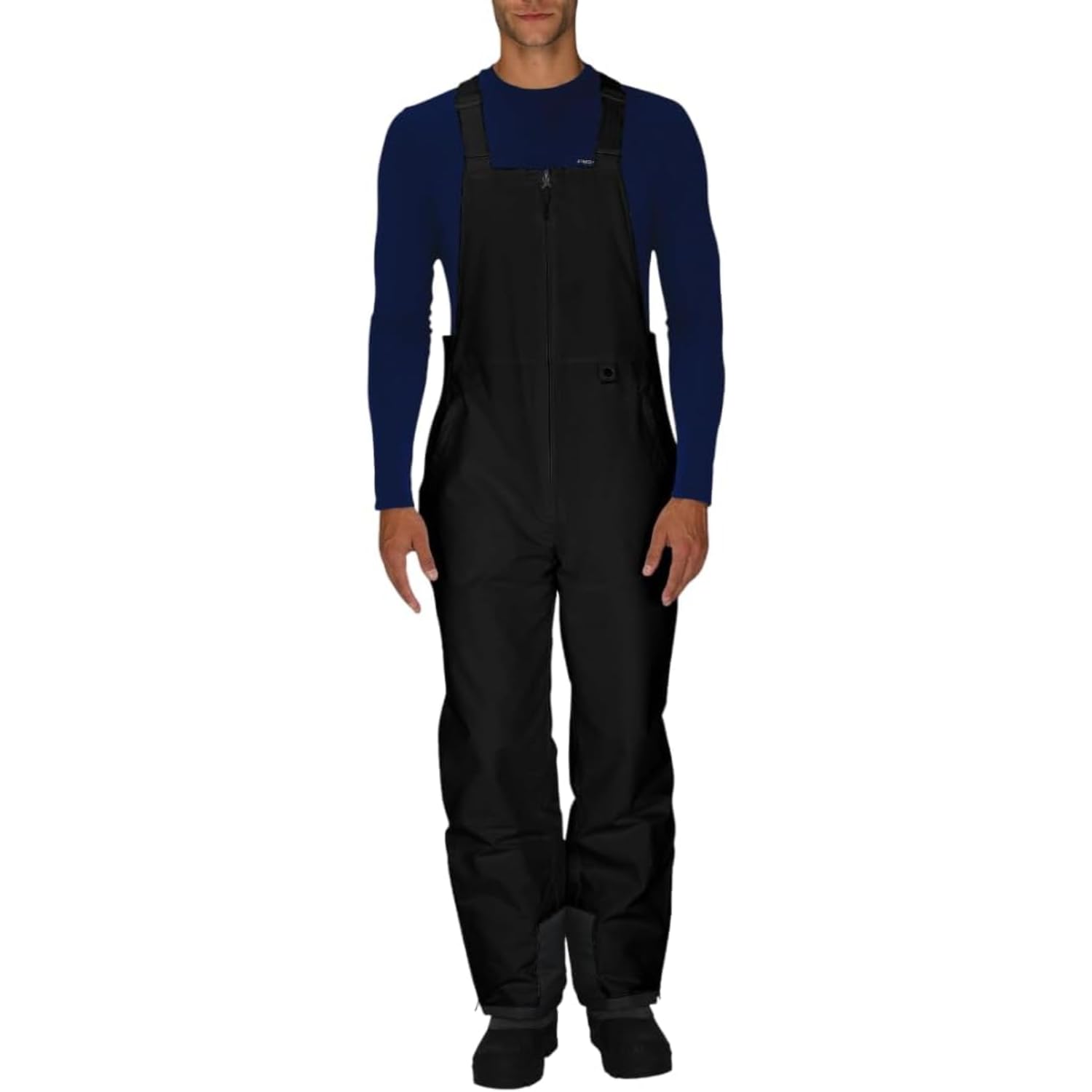
Arctix Men’s Bib Overalls
Key Features
- Waterproofing: Water-resistant
- Insulation: Synthetic
- Price: Mid-Range
Warmth and insulation are the standout features here — the synthetic fill handles cold days well, and the bib design keeps snow out effectively. At its price point, the overall quality and comfort are impressive, making it a strong choice for frequent days on the slopes.
This bib is best suited for skiers and snowboarders who want dependable cold-weather protection without spending premium dollars. Accept that durability can vary between units — treat it as a seasonal piece rather than a multi-year investment. The baggy leg cut is worth noting if you prefer a slimmer silhouette.
Pros
- Locks in warmth effectively on cold ski days
- Strong value for the price — quality build at a mid-range cost
- Comfortable for extended wear on the slopes
Cons
- Leg cut is roomy — may feel baggy for those preferring a trimmer fit
- Seam durability can vary across units — some may experience ripping after limited use
These bibs offer dependable warmth for the price, making them a solid seasonal choice for skiers who accept occasional durability variability in exchange for budget savings.
Best for Budget Women’s Bibs
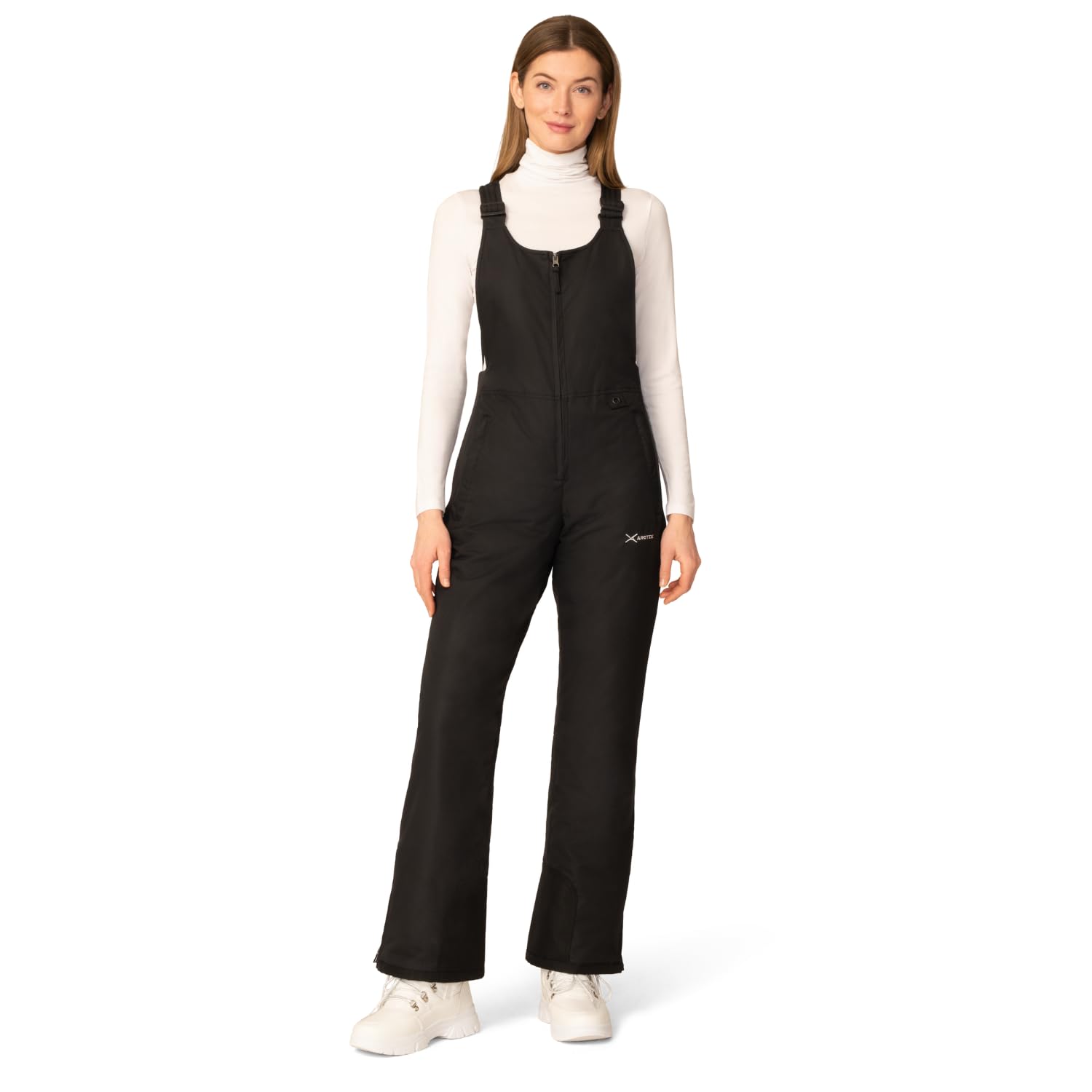
Arctix Women’s Essential Bibs
Key Features
- Waterproofing: Water-resistant
- Insulation: Synthetic
- Price: Budget
Exceptional warmth and water resistance for the price make this bib a strong contender for budget-conscious skiers. The full bib design keeps snow out during falls—a clear edge over standard pants. However, the torso length runs short, which can be awkward for women over 5’7” or those with a longer torso. Durability is also a question mark: seams may show wear within a season of regular use. This bib is best for occasional snow play or short ski days where warmth and cost matter more than long-term ruggedness.
Pros
- Warmth holds up well in cold conditions, even without premium insulation.
- Budget-friendly price with materials that feel more substantial than expected.
- Bib design provides extra snow protection and prevents jacket ride-up.
Cons
- Torso length may be short for taller women—check inseam and rise measurements before ordering.
- Some units show seam separation after limited use, so inspect stitching early.
A warm, affordable bib for shorter women who ski occasionally and want snow protection without spending more.
Best for Feature-Rich Softshell
Stlight Men’s Softshell
Key Features
- Waterproofing: Water-repellent
- Insulation: Fleece
- Leg Zipper: Yes
- Price: Mid-Range
With six zippered pockets and a fleece lining, this softshell pant provides ample storage and warmth for dry-weather winter activities. Unlike the top-pick bib overalls, the Stlight is a water-repellent softshell better suited for hiking and dry-snow skiing rather than wet conditions. Buyers who prioritize pocket count and a trim fit over full waterproofing will appreciate the design, though the leg opening may be too snug for bulky ski boots.
Pros
- Six zippered pockets keep essentials secure during activity.
- Fleece lining delivers warmth for cold-weather outings.
- Snug fit and quality construction suit an active cut.
Cons
- Leg opening can be too narrow to fit over bulky ski boots.
For dry-condition skiers and hikers who want organized pockets, this pant delivers – just confirm boot compatibility before buying.
Best for Hybrid Hiking/ski
FREE SOLDIER Men’s Softshell
Key Features
- Waterproofing: Water-repellent
- Insulation: Fleece
- Price: Mid-Range
Unlike the burly bibs in this roundup, the FREE SOLDIER Softshell prioritizes mobility and breathability over maximum waterproofing. The fleece lining and 6% spandex blend deliver warmth and unrestricted movement for hiking, snowshoeing, or casual groomer laps. Where this pant fits best is dry cold — as long as you aren’t expecting hours in wet snow, the DWR coat sheds light flurries well. The high-quality stitching and zippered cargo pockets add everyday durability. It’s ideal for men who want one pant for both the trail and the lift on low-precipitation days.
Pros
- Fleece lining and stretch fabric keep you warm without restricting movement.
- Solid build quality with reinforced seams and secure zippered cargo pockets.
Cons
- Water beads off initially but may wet through in prolonged wet snow.
- Cargo-only pocket layout lacks rear pockets for wallet or phone when sitting.
These pants are a smart choice for cold, dry outings where you need stretch and warmth without the bulk of a full ski pant.
Best for Budget Waterproof
Amazon Essentials Waterproof
The Amazon Essentials Waterproof pant offers genuine waterproof and breathable construction at a budget-friendly price, making it a standout for wet snow conditions. It’s insulated for warmth and comfortable for a full day on the slopes. Unlike the brand’s water-resistant model, this one holds up in sustained rain or slush. The fit runs large, so sizing down is recommended for a secure fit. This pant is best for men who need consistent waterproofing without spending heavily — skiers in wet climates will appreciate the value.
Pros
- Waterproof and breathable construction keeps you dry during active skiing in wet conditions.
- Insulated design provides sufficient warmth for cold days on the mountain.
- Great value for a genuinely waterproof ski pant at a budget price.
Cons
- Occasional small tears have been noted under heavy use conditions.
If you ski in wet conditions and want consistent waterproofing without the premium price, this pant delivers — just check the sizing before ordering.
Best for Women’s Bibs
Arctic Quest Women’s Bibs
Key Features
- Waterproofing: Water-resistant
- Insulation: Synthetic
- Leg Zipper: Yes
- Price: Mid-Range
This women’s bib delivers solid warmth and a flattering fit, with seam quality reported as more consistent than the similar-priced Arctix women’s bib. Sizing runs small, so consulting the size chart and ordering up is recommended. It fits women who want a comfortable, insulated bib for casual skiing or snow play, without expecting multi-season hard use.
Pros
- Very warm and comfortable for cold conditions
- Good quality materials and flattering fit
- Great value for a women’s bib in this price range
Cons
- Sizing runs smaller than average; ordering a size up may be necessary
- Seam durability may be a limitation for aggressive skiers who put high stress on the fabric
A practical choice for women who prioritize warmth and fit over extreme durability, with the caveat that sizing requires close attention and seams may not withstand heavy use.
Best for Casual Warm Pants
Gash Hao Men’s Softshell

Key Features
- Waterproofing: Waterproof
- Insulation: Fleece
- Leg Zipper: Yes
- Price: Mid-Range
This softshell keeps you warm on cold, dry days and costs very little, making it an option for casual hill trips. However, water resistance is unreliable—moisture can seep through in sustained snow—and the fit over ski boots can be tight. It’s a budget-friendly layer for low-exertion use, not a dedicated ski pant.
Pros
- Keeps warmth in cold conditions
- Great value for the price
Cons
- Water resistance can falter in sustained snow
Works for dry-weather skiing on a budget, but anyone expecting consistent waterproofing or easy boot clearance should choose a dedicated ski pant.
Best for Slim Flattering Pants
Postropaky Women’s Softshell

Key Features
- Waterproofing: Waterproof
- Insulation: Fleece
- Leg Zipper: Yes
- Price: Mid-Range
These softshell pants deliver a comfortable, slim fit and fleece warmth that works well for casual skiing or winter hiking in dry cold. Water resistance is limited to light snow and drizzle, not heavy wet snow. The regular length can be too long for shorter women, so checking the inseam is advisable.
Pros
- Comfortable and flattering fit
- Warm and dry in cold weather
Cons
- Sizing can run large, so checking the size chart before ordering is recommended.
Ideal for mild-weather skiing or hiking if you have a longer inseam and can size down if needed.
Best for Dry Snow Pants
TBMPOY Men’s Waterproof

These pants deliver impressive warmth for the price, making them a solid pick for ice fishing or standing around in dry cold. However, the waterproofing is inconsistent—melting snow can soak through—and durability concerns with buttons and seams mean they’re better suited for stationary use than lift-served skiing.
Pros
- Very warm for cold weather
- Comfortable for outdoor activities
Cons
- Melting snow can dampen the fabric over time — not for wet conditions
Best suited for ice fishing or dry snow days where keeping warm is the priority over staying dry.
Best for Fleece-Lined Budget
MAGCOMSEN Men’s Winter

Key Features
- Waterproofing: Water-resistant
- Insulation: Fleece
- Price: Mid-Range
This fleece-lined softshell pant delivers good warmth and comfort at a low price, with four zippered pockets for secure storage. However, fit varies between sizes and may run snug for some builds, and durability is average — suited for casual snow play or daily cold-weather wear rather than demanding winter sports.
Pros
- Keeps you warm in cold weather
- Comfortable and flexible for movement
Cons
- Fit may be too tight around waist and legs for some body types
Best for casual cold-weather outings or sledding, where warmth matters more than precision fit or long-term ruggedness.
Best for Basic Insulated Pant
Amazon Essentials Insulated

Key Features
- Waterproofing: Water-resistant
- Insulation: Synthetic
- Price: Mid-Range
These pants provide good warmth and insulation for budget-conscious buyers heading out for casual snow days. However, they are water-resistant, not fully waterproof, and the fit runs large — sizing down is recommended. For wet slopes or frequent use, the Amazon Essentials Waterproof model offers better protection.
Pros
- Good warmth and insulation for the price
- Cost-effective for casual snow play
Cons
- Fit runs large — most buyers need to size down for a proper fit
Suitable for occasional sledding or dry snow play where waterproofing isn’t critical, but for wet slopes look at the Amazon Essentials Waterproof model.
Best for Pocket-Rich Pants
FREE SOLDIER Cargo Pants
These pants bring five zippered pockets for securely stashing phone, wallet, and trail snacks during hiking or skiing in dry cold. The fleece lining and softshell fabric offer warmth and comfort, while the water-repellent finish handles light snow but will wet through in sustained rain or slush. The cut runs baggy and long, and the leg openings may not fit over ski boots—better suited for casual wear or backcountry hiking where boot clearance isn’t needed. Without a listed price, value depends on what you pay; the same brand’s other pant has comparable warmth but fewer pockets, so this is only worth considering if you need the extra storage.
Pros
- Fleece lining keeps you warm in cold, dry conditions
- Five zippered pockets offer secure storage for valuables
Cons
- Baggy fit and leg openings may not accommodate ski boots
A solid option if your priority is extra zippered pockets for dry-cold hiking or skiing, but only if you don’t need a trim fit or protection from wet snow.
How to Choose
Budget ski pants often sacrifice either waterproofing or durability; finding the balance means looking at materials and construction rather than price alone.
Waterproofing vs. Water Resistance
A pant labeled ‘water-resistant’ uses a DWR coating that beads off light snow but eventually saturates under sustained moisture. ‘Waterproof’ pants use a membrane or laminate that blocks liquid penetration entirely. The trade-off: waterproof fabrics are less breathable, so you may sweat more during high-output runs.
For resort skiing in dry powder, water-resistance is usually enough. If you ski in wet snow, spring slush, or rain, seek a fully waterproof pant — even if it costs a bit more.
Insulation Type and Weight
Synthetic insulation (polyester batting) traps warm air and dries faster than natural fill, making it reliable for wet conditions. Fleece lining adds warmth without bulk but relies on the outer shell for wind protection. A thicker fleece provides more heat but can feel stiff on chairlifts.
Matching insulation to your activity level matters: aggressive skiers generate body heat and may prefer a lightly insulated shell; casual riders or spectators benefit from a heavier synthetic fill.
Fit Over Ski Boots
The leg opening must be wide enough to slide over your ski boots without bunching. Many budget pants skip the zippered gusset at the bottom, forcing you to cram a bulky boot through a narrow cuff. A pant with a full-length leg zipper (or at least a snap/snap gusset) makes boot entry and exit far easier.
If you have large-volume boots (e.g., size 12+ or touring boots), check reviews specifically for ‘boot fit’ before buying. A pant that fits well at the waist may still be impossible to pull over your boots.
Seam and Zipper Durability
Stitching quality often separates a pant that lasts a season from one that rips after three outings. Look for double-stitched main seams and reinforced crotch gussets — these handle the stress of squatting, bending, and falling. Plastic zippers degrade faster under cold and repeated use than metal ones.
A pant with a two-year track record of positive seam feedback is safer than a new model with mixed early reviews. Avoid pants where ‘seam split’ appears in more than 5% of reviews.
Sizing Consistency
Sizing across budget outdoor brands is notoriously inconsistent. Some pants run two sizes small, while others are generously cut. Always cross-reference your waist and inseam measurements with the brand’s size chart, then search for ‘size up’ or ‘size down’ patterns in user reviews.
If you plan to wear thermal leggings underneath, consider ordering one size larger than your typical street size. A slightly loose fit can be cinched with a belt, but a tight pant restricts movement and traps cold air in the folds.
FAQ
Why do my ski pants rip at the crotch after just a few uses?
That usually means the stitching isn’t reinforced to handle the stress of squatting, falling, or stretching across a snowboard. Pants with a crotch gusset and double-stitched seams resist tearing far better. If you’re active, avoid pants with single-stitch seams in high-stress areas.
Can I wear these fleece-lined cargo pants for actual skiing or only hiking?
Fleece-lined softshell pants work well for skiing in dry, cold conditions (powder days). They won’t hold up in wet snow or rain because the fleece soaks through. If you ski only in dry climates, they’re a comfortable, versatile option. For slushy spring skiing, choose a waterproof membrane pant instead.
How do I know if a ski pant will fit over my ski boots?
Look for a leg zipper that opens fully to the hem, or at least a snap-gusset at the ankle. Then check user reviews for mentions of ‘boot fit’ — specifically for your boot size. If the brand doesn’t specify leg opening width and reviews say ‘tight on boots,’ assume it won’t work.
Are budget ski pants under $40 actually waterproof?
Most pants under $40 use a DWR coating that repels light snow but wets through in sustained precipitation. Genuinely waterproof pants (with a taped seam membrane) rarely fall below $35. The Amazon Essentials Waterproof pant is an exception — it offers real waterproofing at ~$35, but check sizing carefully.