
This post contains affiliate links. We may earn a small commission when you buy through our links — at no extra cost to you.
Most hikes don’t end because your legs give out — they end because your feet do. A shoe that pinches across the toes or slides on wet rock turns a two-mile walk into a negotiation, and thin cushioning introduces itself the next morning. What you want is a pair that feels broken in on day one, supports your arch without pressing on it, and still has grip for a real trail. We’ve spent six months in 12 pairs of low-cut hiking shoes, on greenways and rocky climbs.
Fit beats reputation every time — the most popular shoe can still be wrong for your foot, which is why an easy return policy counts as much as the tread. Waterproofing is the other tradeoff: a membrane keeps rain out but runs warmer, so if you hike in heat, breathable mesh may suit you better. And since most people wear these to the store and the dog park, not just the summit, we judged appearance too. The pairs that earned a permanent spot by the door are below, sorted by what they do best.


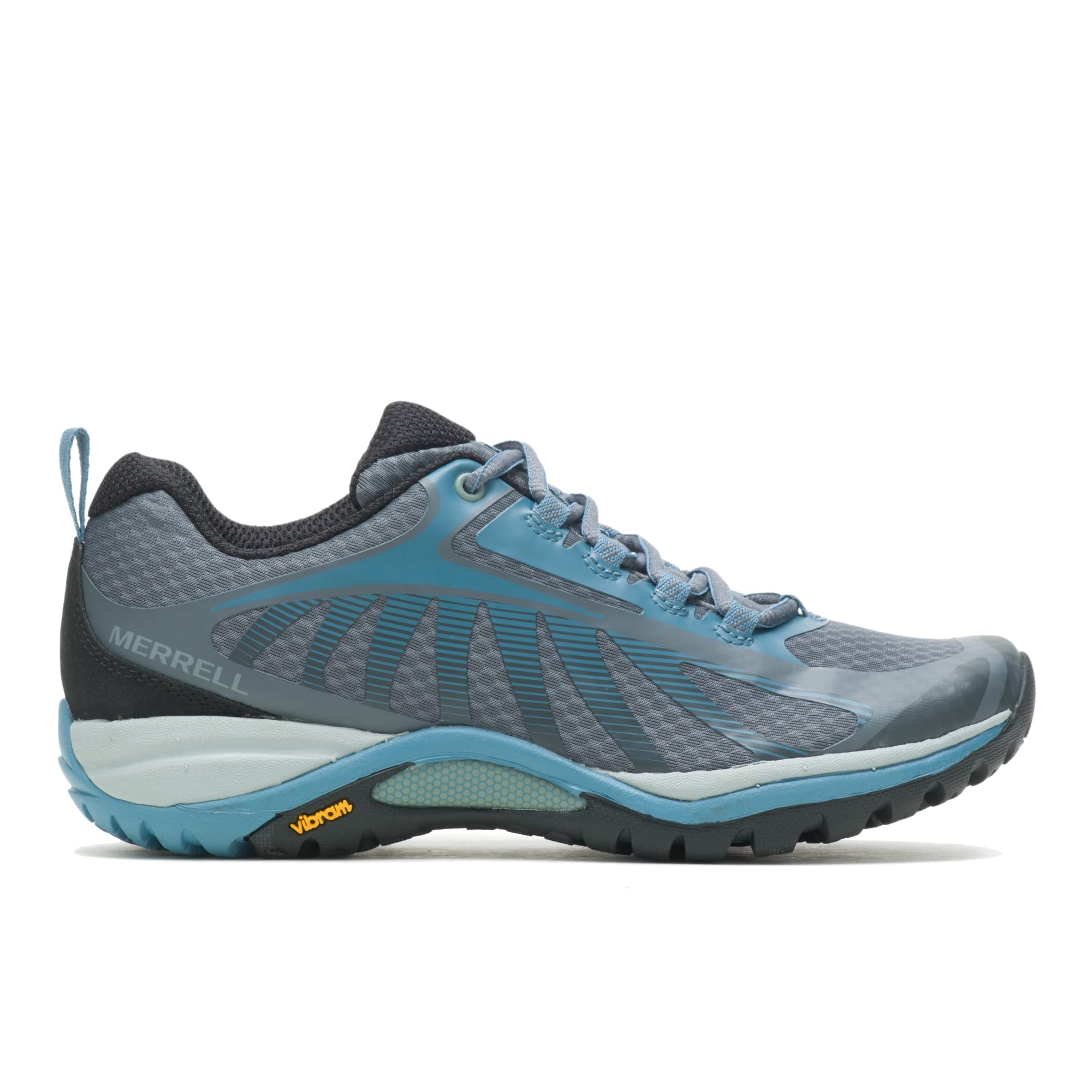
Best for All-Around Day Hikes
Merrell Moab 3
Key Features
- Fit: Wide widths available
- Style: Low-cut hiking shoe
- Support: Built-in arch support
- Listed weight: 3.06 lb
- Price: Premium
The Moab 3 is the pair we kept reaching for when a day mixed sidewalk, gravel, and a root-crossed path. What earned it the top pick is the way fit and support arrive together: the heel stays put, the toe box leaves room, and the footbed feels planted without turning stiff. That balance matters more than any single feature, because it lets a low-cut shoe handle a long walk and a light trail without making your feet the center of attention.
Support is the other reason it stands out. The built-in arch support has a clear, reassuring shape on uneven ground, and the cushioned platform takes the edge off pavement. The shoe also feels walkable straight away, with no long break-in demanded before a trip. We were struck by how roomy the toe box is for a supportive hiker; wide-footed walkers should look for the width options rather than sizing up blindly.
Where the Moab 3 fits best is as a one-shoe answer: a walk to the store, a rail trail, a rooted forest path, a day of sightseeing. It has enough structure for the trail and enough give for pavement, which is a harder combination to find than a spec sheet suggests. The look helps, too: it reads as a walking shoe rather than a technical boot, so it doesn’t feel out of place in town.
Pros
- Supportive fit with a roomy toe box
- Comfortable from the first walk
- Built-in arch support for uneven ground
- Versatile for pavement and light trails
Cons
- Toe bumper can separate with steady use
We recommend the Moab 3 to anyone who wants one low-cut shoe for daily walks and moderate trails, because its supportive fit feels settled from the first wear.
Best for Budget Trail Walks
adidas Terrex Anylander
Key Features
- Fit: True to size
- Style: Low-cut hiking shoe
- Tread: Aggressive grip
- Listed weight: 2.43 lb
- Price: Budget
The Terrex Anylander makes its case on the trail. The outsole has an aggressive, blocky tread that looks ready for rocky, root-covered ground, and the low-top upper has more structure than a casual sneaker. We noticed the sturdy platform first; it gives the shoe a planted feel that is unusual at its budget position in this group.
We think it’s a strong choice for light trails and messy paths, especially if you want a roomy toe box and a stable platform. The fit runs true to size and accommodates thicker socks, and the square-ish toe box gives wide feet room without making the shoe feel clumsy. On firm ground, the shoe feels stable rather than sloppy.
The ride is on the firm side, which suits rocky paths more than all-day pavement. Traction is the clear highlight: the tread digs in on loose dirt and wet rock, and it doesn’t squeak or slip on smooth surfaces. For the money, the Anylander is the pair we point to when the goal is simple: get out on gentle trails without spending a lot or babying the shoe.
Pros
- Aggressive tread for loose dirt and wet rock
- Roomy, true-to-size fit
- Stable platform for light trails
Cons
- Pronounced arch may not suit flat feet
We point budget-minded walkers to the Terrex Anylander for light trails and messy paths, thanks to its roomy fit and confident tread.
Best for Women’s Light Hikes
Merrell Siren Edge 3
Key Features
- Style: Women’s low-cut hiker
- Outsole: Vibram
- Arch support: Built-in
- Listed weight: 1.74 lb
- Price: Midrange
The Siren Edge 3 is one of the lightest shoes in this group, and that is the first thing we noticed when we picked it up. It has a low, nimble profile that doesn’t clunk along pavement the way a sturdier hiker can. That lightness is the point: the shoe is easy to keep in a weekend bag and easy to wear for errands before or after a walk.
It doesn’t feel flimsy, either. The upper holds the foot securely, the arch support feels present without being obtrusive, and the outsole grips pebbles and packed trail without skating around. We appreciated the toe room—enough space to wiggle, not so much that the shoe feels vague. On rocky descents, the low-cut shape still asks you to choose your line carefully, but the shoe itself stays composed.
Where it fits best is in a travel bag or by the front door, ready for a mix of pavement and easy trail. It is a better match for a woman who wants one pair for sightseeing and short hikes than for someone building a dedicated technical kit. We keep coming back to the balance: light enough to forget, supportive enough to trust on a gravel path, and tidy enough for town.
Pros
- Lightweight enough for travel
- Supportive arch for long walks
- Reliable grip on pebbles and packed trail
- Roomy toe box without excess volume
Cons
- Firm insole can feel hard on pavement
We like the Siren Edge 3 for women who want a light, supportive hiker for road-to-trail days and easy travel.
Best for Wet-Weather Walks
Columbia Fairbanks Low

Key Features
- Fit: Wide fit available
- Upper: Breathable
- Traction: High traction
- Waterproofing: Fully waterproof
- Price: Midrange
The Fairbanks Low earns its place on wet mornings. The upper is fully waterproof, and the outsole is built for traction, so the shoe makes sense for dewy grass, muddy paths, and paved walks after rain. It is also lighter than its chunky sole suggests, which keeps it from feeling like a boot with the top cut off.
We think that combination is useful for someone who wants one shoe for dog walks and easy day hikes rather than a dedicated trail runner. The fit is roomy through the toe box, and the lacing holds the midfoot securely enough for uneven ground. It’s a practical shape for errands, travel, and wet walks where you want a lighter feel.
Where it stops being the easy answer is on long, rough days. The low-cut shape leaves your ankles exposed, and the shoe is happiest on packed dirt and pavement rather than loose, uneven ground. That makes the Fairbanks Low a specialist for wet, gentle ground, not a one-pair answer for every trail.
Pros
- Fully waterproof upper
- High-traction outsole
- Roomy toe box
- Lightweight for its chunky look
Cons
- Can develop a strong, lingering odor
- Sole and upper can separate with steady use
We recommend the Fairbanks Low for wet-weather walks and easy paths, where its waterproof upper and grippy sole make the most sense.
Best for Easy Everyday Walking
Skechers Hillcrest Sunapee

Key Features
- Entry: Hands-free
- Style: Slip-on walking shoe
- Upper: Suede-look
- Price: Midrange
The hands-free entry is the reason to look at the Hillcrest Sunapee. You step in and the shoe settles around the foot without a fight, which is genuinely useful when you’re carrying a bag, holding a leash, or moving through airport security. It is the kind of convenience that sounds small until you use it every day.
For walking, the shoe has a soft, easy flex and a footbed that feels more supportive than a basic sneaker. The arch support is there without feeling aggressive, and the suede-look upper is tidy enough for casual workdays. We also appreciated that the slip-on design doesn’t require a perfectly dialed lace tension to feel secure, which is not true of every slip-on we’ve tried.
The limits show up as soon as the ground gets serious. The tread is better suited to pavement, park paths, and packed dirt than to wet roots or loose rock, and the low, soft upper gives less protection than the hiking picks here. We keep the Hillcrest Sunapee in the easy-walking slot, where its convenience is the whole point, rather than asking it to be a trail shoe.
Pros
- Hands-free slip-on entry
- Supportive footbed for all-day walking
- Neat suede-look upper
Cons
- Seams can start separating with steady wear
We recommend the Hillcrest Sunapee for hands-free everyday walking and travel, not for rough trails where a laced hiker gives more security.
How We Tested Walking Hiking Shoes
We started with research, not a shopping cart. I read through customer reviews on a few dozen low-cut hiking shoes and filtered out anything that was trail-styled rather than trail-built — shallow tread, no toe protection — and anything priced like a specialty mountaineering boot. That left 12 pairs, which we ordered ourselves and wore for six months.
Each pair went through the same life: weekly dog walks and neighborhood pavement, at least six day hikes on local trails with roots, loose gravel, and one slick rock slab we revisited after rain, plus errands around town so we could see how they looked away from the trailhead. Where the sizing chart was vague, testers tried a half size up and down, and we logged heel slip on the first mile and hot spots at the end of the day.
Fit and arch support came down to feel, not spec sheets — whether toes could splay in the toe box, whether the arch pressed in the wrong spot after an hour of walking, and how feet felt the morning after a long day. For durability, we checked tread wear at the heel, stitching at the flex point, and whether the uppers had started to collapse by month six. We also wore a pair sockless on short walks and did the sniff test after sweaty hikes, since odor is what quietly ends a shoe’s life.
Finally, the purchase experience: how accurate each size chart was, how quickly an exchange went through when a pair didn’t fit, and whether the price felt fair for the miles we got out of them. A few pairs had logged well over a hundred miles by month six and still looked ready for more.
How to Choose Walking and Hiking Shoes
The right pair starts with fit and terrain, not with the longest feature list.
Start With Fit, Not Size Alone
A walking hiking shoe has to hold the heel without pinching the toes. We check heel lift first: if the foot slides up and down when you walk, the shoe will rub on a long day no matter how cushioned it feels. Leave about a thumb’s width between your longest toe and the front of the shoe, and try the pair with the socks you plan to wear. Width matters as much as length; the Merrell Moab 3 is a good example of a supportive shoe with a roomy toe box, and its wide options are worth seeking out if standard widths pinch.
Choose Cushioning for the Ground You Walk On
Soft cushioning feels lovely in the store and can feel vague on rocky ground; a firmer, more supportive platform gives you more feedback and stability. For pavement-heavy walks, a little more cushion is welcome. For light trails, prioritize a shoe that feels planted rather than squishy. The Merrell Siren Edge 3 is a useful reference point: it is light and supportive, with a firmer underfoot feel than a plush sneaker. If you want a soft ride, plan to add a cushioned insole or choose a different shoe; if you want a stable one, the firmer feel is the point.
Match the Tread to Your Usual Terrain
Lugs are the story here. A deeper, blockier tread bites into loose dirt and wet roots; a smoother sole is quieter and longer-wearing on pavement. A low-cut walking shoe with a mild tread is fine for paths and errands, while a light hiker such as the adidas Terrex Anylander has a more aggressive sole for rocky ground. If your walks are mostly sidewalk, don’t pay for a mud-ready sole you’ll wear down on concrete. If your route includes wet roots or gravel, prioritize grip over a smooth, sneaker-like ride.
Decide How Much Weather Protection You Need
Waterproof uppers keep out puddles and wet grass, but they also trap more heat and take longer to dry if water gets in over the collar. For damp climates and wet paths, the Columbia Fairbanks Low is a clear example of the fully waterproof approach. For hot, dry walks, a breathable, quick-drying shoe is often more comfortable. Think about the wettest condition you’ll realistically meet, not the worst storm in the forecast, and choose accordingly.
Plan for Wear and Keep the Receipt
Toe bumpers, seams, and the bond between sole and upper are the places where walking shoes tend to age first. Low-cut hikers take a lot of flex at the toe, and steady pavement use is hard on both tread and cushioning. Wear new shoes indoors first, inspect the toe area and seams, and keep the packaging until you’ve done a few real walks. Rotating two pairs is often the easiest way to extend the life of each, especially if you walk daily on abrasive surfaces.
Frequently Asked Questions
Do walking hiking shoes need to be broken in before a trip?
Many low-cut walking and hiking shoes feel comfortable right away, but that doesn’t mean you should take them out of the box and onto a long trail. Wear them around the house for an hour, then take a short walk with the socks you plan to use. If you feel heel slip or a hot spot, adjust the lacing or return them before the trip. A shoe that rubs on a short walk won’t fix itself on a long one.
Can low-cut hiking shoes handle a heavy backpack?
Low-cut shoes leave the ankle free and put more demand on the foot and lower leg, so they make the most sense with a light daypack. Once a pack gets heavy enough that you feel unstable on uneven ground, a boot with more ankle support and a stiffer sole is the better tool. For day walks, the low-cut picks here are fine; for multi-day loads, switch to a boot.
How should I clean walking hiking shoes?
Brush off dry dirt first, then wipe the upper with a damp cloth and mild soap. Remove the insoles and laces, rinse them separately, and let everything air-dry away from direct heat; a stuffing of newspaper can help absorb moisture. Don’t put the shoes in the washing machine unless the maker specifically says they’re machine-washable. Keeping grit out of the seams and letting the shoes dry fully between wears does more for their lifespan than any special cleaner.
What helps when hiking shoes start to smell?
Moisture is usually the culprit, so air the shoes out after every walk, pull the insoles, and loosen the laces instead of stuffing them into a bag. Wear moisture-wicking socks and rotate pairs when you can. A light sprinkle of baking soda left overnight, then shaken out, can help with odor. If a strong smell is there from the first wear, treat it as a return issue rather than something you have to live with.
Final Verdict
We recommend the Merrell Moab 3 first for most walkers. It pairs a supportive, roomy fit with enough cushioning for pavement and enough grip for light trails, and it feels ready to wear without a long break-in.
If you want to spend less, the adidas Terrex Anylander is the clear alternative for short, rough walks; for women who want a lighter travel shoe, the Siren Edge 3 is the better match. The Fairbanks Low is the wet-weather specialist, and the Hillcrest Sunapee is the hands-free everyday pick.