
This post contains affiliate links. We may earn a small commission when you buy through our links — at no extra cost to you.
Snow pants that claim to be waterproof often let moisture through after a few hours on the slopes. Seams split, zippers jam, and sizing charts seem random. The challenge isn’t finding a warm pair—it’s finding one that stays intact and actually blocks snow.
This guide cuts through the noise. It focuses on the trade-offs between price and longevity, and between insulation and mobility. The best snow pants for you depend on how often you ski, the conditions you face, and whether you prefer bibs or pants. Each recommendation here serves a specific use case—from weekend slope days to daily commuting.


Best for Affordable Warm Bibs
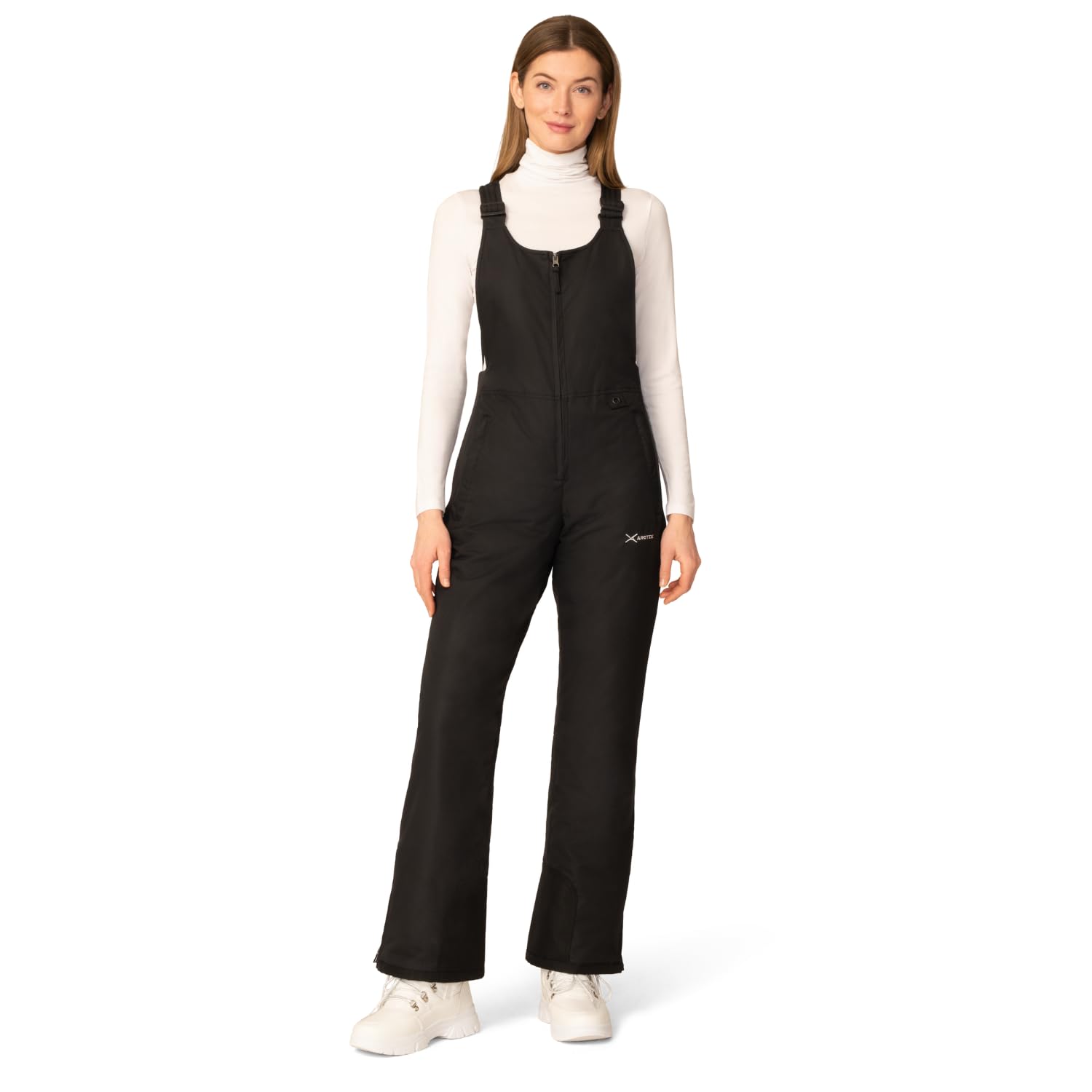
Arctix Women’s Essential Ski Bibs
Key Features
- Insulation: Insulated
- Waterproofing: Water resistant
- Fit: Runs small
- Durability: Seam rips reported
- Style: Bib
- Price: $
The Arctix Women’s Essential Insulated Ski Bibs deliver noticeable warmth for cold-weather activities without demanding a premium price. The insulation holds up well on freezing days, and the adjustable suspenders and waist ensure a comfortable fit for most body types. Sizing does run small, so ordering up is advised.
These bibs are a strong match for women who prioritize warmth on a budget. Tall women with longer torsos may find the torso length a bit short. Seam and strap durability can vary under frequent resort use, so this is best treated as a seasonal option rather than a long-term investment.
Pros
- Exceptional warmth for sub-zero days and cold-weather outings.
- Budget-friendly price with strong insulation performance.
- Comfortable fit that accommodates a range of body shapes.
Cons
- Sizing may run small; ordering up is recommended.
- Seam and strap durability can vary under frequent use.
For casual skiers and snow-tubers on a budget, these bibs offer exceptional warmth per dollar. Just account for the sizing and treat them as seasonal gear rather than a long-term investment.
Best for Men’s Ski Bibs
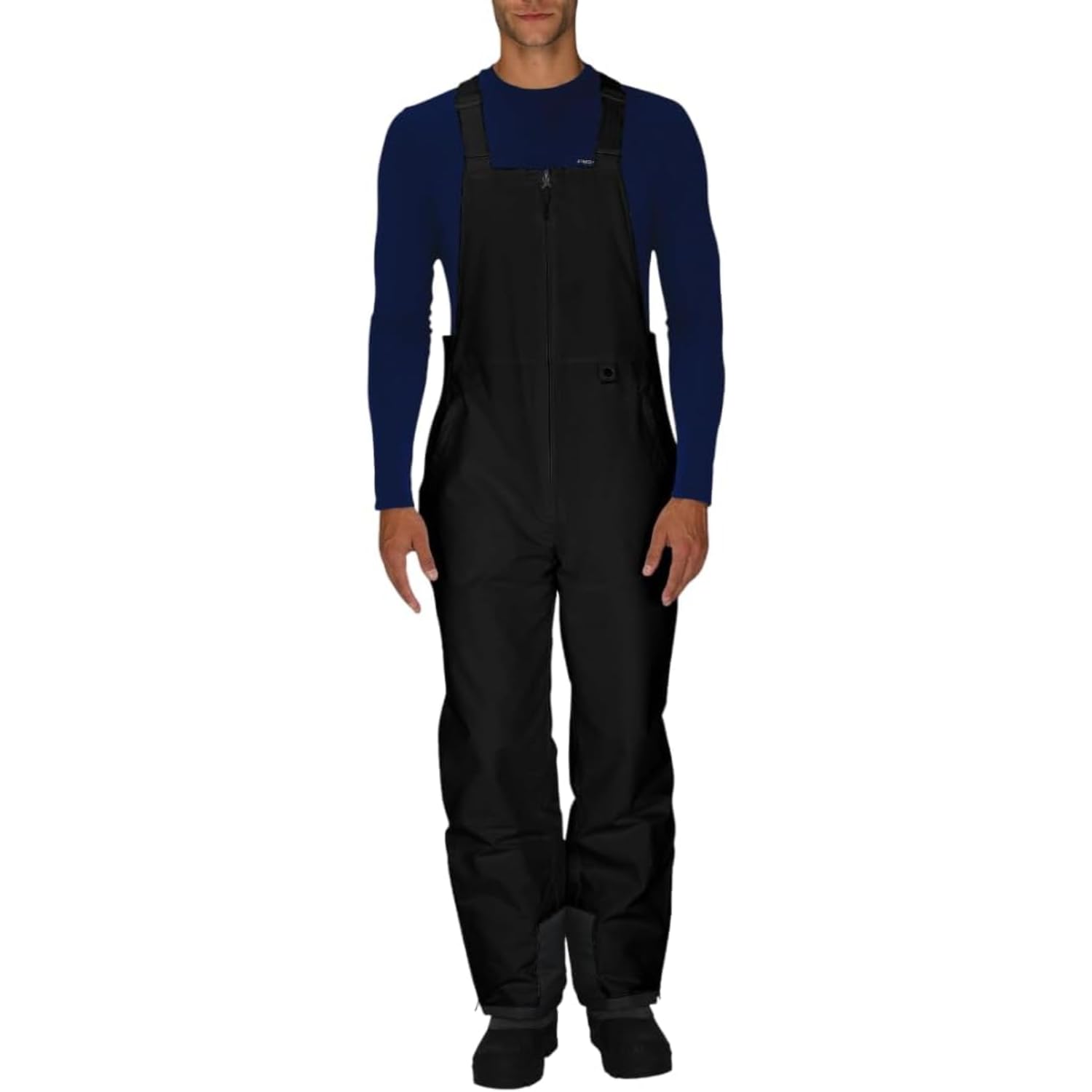
Arctix Men’s Essential Bibs
Key Features
- Insulation: Insulated
- Waterproofing: Water resistant
- Fit: Runs small
- Durability: Seam tears common
- Style: Bib
- Price: $$
For men needing full-coverage snow protection, the Arctix Essential Bib Overalls deliver solid warmth and insulation akin to the top-rated women’s bib, with an over-the-shoulder design that keeps snow out during deep powder days. This bib suits male skiers, snowboarders, and outdoor workers who prioritize staying warm over long-term durability. Note that the seams and lining may show wear under frequent heavy use, and the sizing tends to run small — ordering up a size is wise.
Pros
- Insulation keeps you warm in cold conditions
- Full bib coverage adds snow protection for skiing and working
- Comfortable fit with good mobility
Cons
- Sizing runs small; sizing up is recommended
- Seams and lining may tear after limited use
A solid value for the warmth and coverage it provides — best for those who can accept some durability trade-offs and plan to size up.
Best for Versatile Winter Pants
Gash Hao Men’s Snow Pants
Key Features
- Insulation: Fleece lined
- Waterproofing: Inconsistent
- Fit: Snug fit
- Durability: Seam rips possible
- Style: Pant
- Price: $
The Gash Hao Men’s Snow Pants bring solid warmth at a budget-friendly price, thanks to the soft fleece lining that traps heat without adding bulk. This makes them a practical choice for hiking, casual winter walks, or the occasional ski day. The stretch fabric allows good mobility, but the water resistance is limited – in heavy snow or wet conditions, moisture can seep through. Sizing also runs narrow in the thighs and may not fit comfortably over ski boots or thick base layers, so checking the size chart is important.
Pros
- Soft fleece lining keeps you warm in cold conditions without feeling heavy.
- Budget-friendly price for a multi-purpose winter pant that handles hiking and light snow play.
- Flexible softshell material allows good range of motion for walking or bending.
Cons
- Water resistance can fall short in persistent heavy snow or wet slush.
- Fit runs snug in the thighs and may not accommodate ski boots or thick layers.
If you need a warm, affordable pant for occasional snow outings and don’t rely on all-day waterproofing, these work well – just verify sizing.
Best for Stylish Winter Pants
Rdruko Women’s Snow Pants
Key Features
- Insulation: Insulated
- Waterproofing: Water resistant (light snow)
- Fit: Tight waist/hips
- Durability: No issues reported
- Style: Pant
- Price: $$
The Rdruko Snow Pants deliver warmth without the bulk that often makes all-day wear uncomfortable, making them a solid option for hiking and light snow play. The insulated fleece lining and water-resistant exterior hold up well in cold, dry conditions, though fit can be snug in the waist and hips for some builds — sizing up is worth considering. Tall women (5’9"+) may find the inseam short, so this pant suits average-height frames best.
Pros
- Insulation provides warmth without feeling heavy or restrictive.
- Clean, modern look that works for both trail and casual winter outings.
- Water resistance handles light snow and damp conditions adequately.
Cons
- Waist and hip area may feel tight on curvier builds — ordering a size up helps.
- Inseam runs short for women over 5’9", limiting fit for taller frames.
A warm, stylish pant for average-height women who want a non-bulky layer for hiking and occasional skiing, as long as you check the size chart.
Best for Cute Patterned Bibs
Arctic Quest Women’s Snow Bibs
Key Features
- Insulation: Insulated
- Waterproofing: Water resistant
- Fit: Inconsistent sizing
- Durability: Seams rip after few uses
- Style: Bib
- Price: $$
The Arctic Quest Women’s Snow Bibs deliver a stylish silhouette and reliable insulation for occasional skiing or snow play. Sizing can vary between batches — some women find the fit off by a full size — and the seams may not survive heavy, repeated use. This bib suits the woman who wants to look good on the slopes a few times a season and is willing to check measurements carefully before ordering.
Pros
- Keeps you warm in cold conditions without bulky layers
- Available in several attractive patterns that stand out on the hill
- Priced competitively for the warmth and style it offers
Cons
- Sizing can run larger or smaller than the chart suggests — expect to try more than one size
- Seam durability may be a concern after several outings if you ski aggressively or frequently
Best for women who value appearance and occasional warmth over long-term ruggedness.
Best for Cargo Pocket Pants
FREE SOLDIER Men’s Cargo Pants

Key Features
- Insulation: Fleece lined
- Waterproofing: Water resistant
- Fit: Runs slightly large
- Durability: Durable construction
- Style: Pant
- Price: $$
Offers fleece-lined warmth and water resistance for cold-weather hikes and commutes. However, missing back pockets limits everyday carry options, and the softshell design lacks the insulation and snow protection needed for dedicated skiing or snowboarding.
Pros
- Warm and comfortable for cold weather hiking
- Water resistant and windproof
Cons
- No back pockets; wallet storage limited to thigh pockets
Best for hikers and commuters who want a warm, water-resistant cargo pant; not ideal for skiing or snowboarding due to missing snow-specific features.
Best for Reliable Waterproof Pants
Outdoor Ventures Snow Pants

Key Features
- Insulation: Insulated
- Waterproofing: Waterproof
- Fit: Runs small
- Durability: Sturdy seams
- Style: Pant
- Price: $$
The Outdoor Ventures Men’s Snow Pants deliver reliable waterproofing and fleece warmth for skiing and hiking at a mid-range price. The shell sheds snow and keeps you comfortable in cold conditions. However, the waist adjustment tabs are too short to be useful, which may require a belt or sizing up for a proper fit. This is a solid option if you value waterproofing over perfect waist adjustability.
Pros
- Warm fleece lining and waterproof shell keep you dry and comfortable in snow.
- Expandable waistband allows room for layers and fit flexibility.
Cons
- Waist adjustment tabs are too short for effective cinching, reducing fit precision.
A capable snow pant for those who prioritize waterproofing and warmth and can work around the limited waist adjustability.
Best for Extreme Cold Pants
TBMPOY Men’s Snow Pants

Key Features
- Insulation: Fleece lined
- Waterproofing: Hit-or-miss water resistance
- Fit: True to size
- Durability: Belt buckle issues
- Style: Pant
- Price: $$
Offers effective warmth down to single digits for ice fishing and cold-weather hikes. Water resistance can be inconsistent in wet snow, and belt buckle or seams may not hold up under regular stress. Best suited for dry, extreme-cold conditions rather than wet snow activities.
Pros
- Effective insulation for extreme cold
- Good value for budget-conscious buyers
Cons
- Water resistance is inconsistent in wet snow
Best for dry, extreme-cold conditions like ice fishing or winter hiking, where wet snow is not a concern.
Best for Slim Cargo Pants
BenBoy Women’s Cargo Pants

Key Features
- Insulation: Insulated
- Waterproofing: Inconsistent
- Fit: Inconsistent fit
- Durability: Seam strength average
- Style: Pant
- Price: $$
This cargo pant provides warmth and a sleek look for casual winter activities, with a slim cut that avoids bulk. However, water resistance may be insufficient in heavy snow or rain, and fit varies across body types — tradeoffs that keep it from competing with dedicated snow pants for consistent protection.
Pros
- Warm and comfortable for winter activities.
- Stylish design with cargo pockets for a modern look.
Cons
- Water resistance may be insufficient for heavy snow or rain.
Best for women who want a fitted, fashionable option for light snow days or casual winter walks, but not for those who need reliable waterproofing on the slopes.
Best for Budget Men’s Pants
MAGCOMSEN Ski Pants

Key Features
- Insulation: Fleece lined
- Waterproofing: Water resistant
- Fit: Tight waist
- Durability: Pocket ripping risk
- Style: Pant
- Price: $
This budget-friendly pant delivers warmth and water resistance for casual winter outings at a price that’s hard to beat. However, the fit runs tight through the waist and seat, and the pocket stitching may give out under regular use — making it best for occasional wear rather than repeated ski trips.
Pros
- Warm fleece lining provides comfort in cold conditions.
- Water-resistant fabric holds up to light snow and slush.
Cons
- For men with larger thighs or a broader waist, the cut can feel restrictive.
This pant works for someone who needs a low-cost option for occasional snow days and doesn’t mind a snug fit or potential pocket wear.
Best for Ultra-Budget Pants
Arctix Women’s Snow Pants

Key Features
- Insulation: Insulated
- Waterproofing: Water resistant
- Fit: Inconsistent sizing
- Durability: Fabric tears reported
- Style: Pant
- Price: $
These pants deliver genuine warmth at a low price, ideal for infrequent winter outings. However, sizing varies significantly and the fabric may tear after a few uses, so they suit light-duty or one-season use rather than regular skiing.
Pros
- Impressive warmth for a budget-friendly cost
- Lightweight insulation keeps legs comfortable in cold conditions
Cons
- Sizing can vary significantly — some find them too tight or too long
Best for someone who needs an affordable pair for a few snow days a year and can work around sizing uncertainty.
How to Choose
The single most important decision is how much waterproofing and durability you need—because the cheapest pants that keep you warm in dry snow may soak through after an hour of wet snow.
Insulation and Warmth
Insulation is measured by fill weight or type (e.g., polyester fleece vs. synthetic down). Heavier insulation traps more heat but restricts movement and adds bulk. For high-output activities like skiing, a balance between warmth and breathability is key. If you run cold, a bib with 85g+ insulation is a safer bet than a thin shell.
The trade-off: insulated pants are less versatile for spring skiing or hiking uphill. If you plan to wear them in variable conditions, look for a removable liner or a shell you can layer underneath.
Waterproofing and Breathability
Water resistance comes from either a durable water repellent (DWR) coating or a waterproof membrane like Gore-Tex. DWR wears off after a few washes and needs reapplication. Membranes are more reliable but drive up cost. For occasional use, a good DWR coating with regular spray treatment is enough. For all-day snowboarding in wet snow, a membrane is worth the money.
Breathability is often overlooked. If your pants trap sweat, you’ll feel damp and cold. Look for a breathability rating (e.g., 5,000g/m²/24h) if you expect to work up a sweat.
Fit and Sizing
Sizing variations are the #1 complaint in this category. Many brands cut pants slim to reduce bulk, but that means they won’t fit over a thick base layer or ski boots. Always check the size chart and measurements—waist, inseam, and hip—before ordering. Reviews consistently recommend sizing up if you plan to layer.
A practical tip: look for pants with adjustable waist tabs or suspenders. These let you fine-tune fit without exchanging sizes. Bibs naturally eliminate waist-fit issues but add complexity for restroom breaks.
Durability and Construction
The weak points on budget snow pants are seams and zippers. Seams pop under stress from falls or squatting, especially if they are single-stitched. Reinforced seams or double stitching at high-stress areas (crotch, knees) add longevity. Zippers—especially on pockets—fail rapidly on cheap models. Look for YKK or similar-brand zippers as a reliability indicator.
Denier (D) rating of the fabric also matters: 300D or higher is more abrasion-resistant. For occasional use, 150D is adequate. For regular resort skiing, aim for 200D+.
Bib vs. Pant
The core difference is snow protection. Bibs cover your torso, preventing snow from getting in when you fall or sit. Pants are easier to take on/off and more comfortable for restroom breaks. If you snowboard or ski in deep powder, bibs are the safer choice. For casual skiing or hiking, pants are sufficient and more convenient.
Another consideration: bibs often have fewer sizing issues because they sit on the shoulders rather than your waist. But they can be warmer and less breathable. Your body type and activity level should drive the decision.
FAQ
Do Arctix snow pants run small or large?
Arctix snow pants consistently run small, especially in the waist and hips. Most buyers recommend ordering one size larger than your usual size, especially if you plan to wear thick base layers underneath. Check the size chart and measure your waist and inseam before ordering.
Why do my snow pants rip after the first use?
Seam construction is often the culprit. Budget snow pants use single stitching that isn’t reinforced at stress points like the crotch and knees. Falling, squatting, or even sitting can put enough force on those seams to cause tearing. To avoid this, look for pants with reinforced stitching or a higher denier fabric (200D+).
Are cheap snow pants waterproof enough for skiing?
Cheap snow pants (under $40) usually rely on a DWR coating rather than a waterproof membrane. They work in light, dry snow but will wet through after a few hours in wet conditions or if you sit in slush. For resort skiing in variable weather, spend a bit more on pants with a membrane layer or apply DWR spray regularly.
Should I get bibs or pants for snowboarding?
Bibs are the stronger choice for snowboarding because they keep snow out when you fall or sit. They also eliminate waist-gap issues and stay in place during movement. Pants are more convenient for restroom breaks and feel less restrictive. If you frequently ride in powder, bibs are worth the trade-off.