
This post contains affiliate links. We may earn a small commission when you buy through our links — at no extra cost to you.
Many lightweight waterproof boots promise all-day comfort but reveal their true character only after a few months of use. Budget models often feel great out of the box, yet a pattern of sole separation and fading waterproofing emerges within a single season.
This guide focuses on the boots that balance weight, waterproofing, and structural integrity. The right pair depends on how often you hike and where—occasional day hikes demand less from materials than regular weekend trail use.
The mid-range price bracket consistently delivers the best trade-off between initial feel and long-term durability. Sizing up half a size is a practical workaround for many of these boots, especially if you have wider feet.


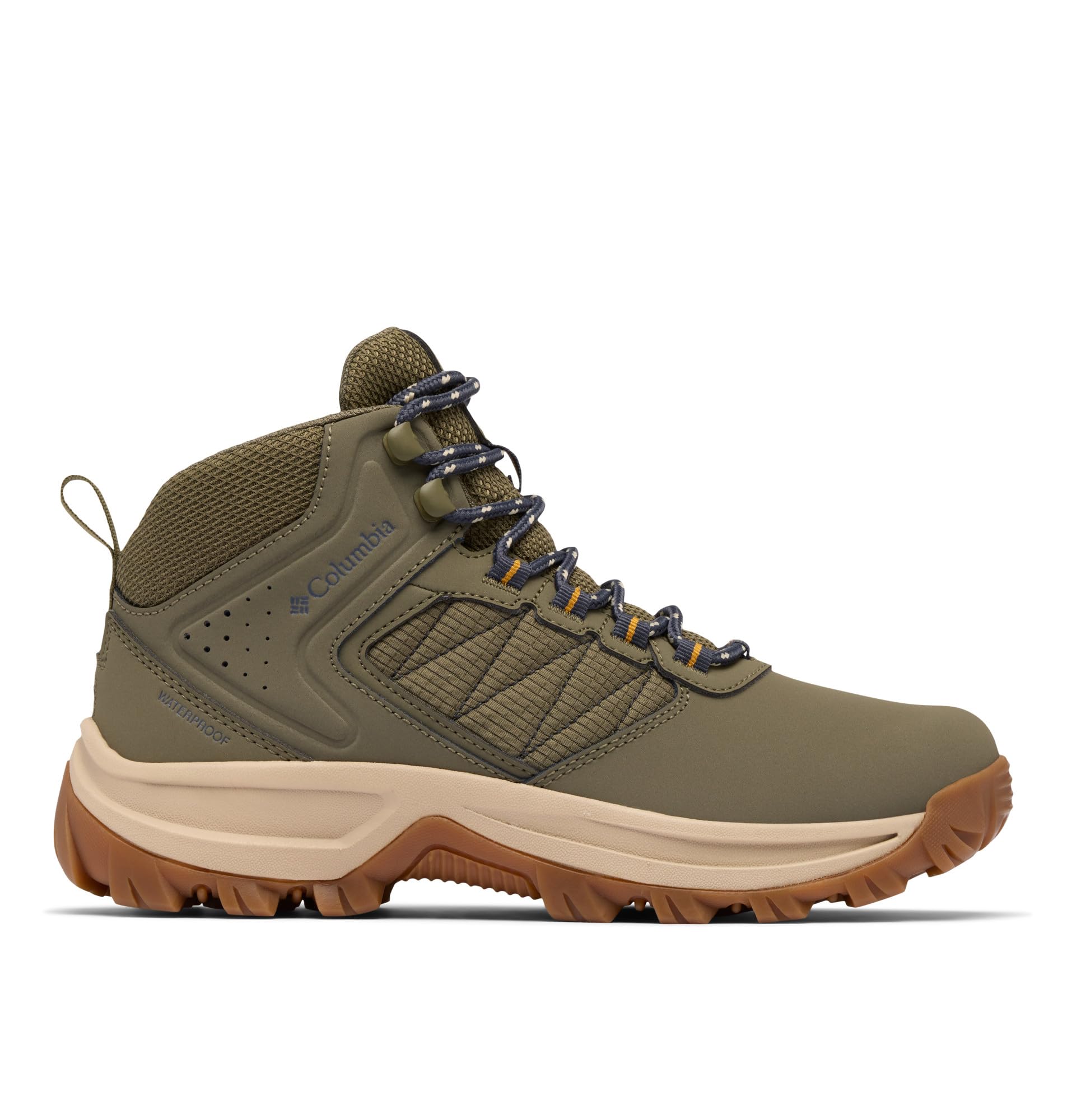
Best for All-Around Hiking
Columbia Newton Ridge Plus
The Newton Ridge Plus feels good from the moment you lace up – no break-in period, and the waterproof membrane keeps feet dry through puddles and rain. The ankle and arch support gives solid footing on uneven trails, and the outsole grips well on typical day-hike terrain.
Over years of regular use, the leather and sole hold together better than many mid-range boots. Hikers report the stitching and waterproofing outlast multiple seasons, making it a long-term investment for frequent trail use.
This boot suits day hikers and light backpackers who want a no-fuss boot that works from the first hike. It’s not the lightest option on the shelf – if shaving every ounce matters, consider a more travel-oriented model. The toe box runs narrow, so those with wider feet should size up or look for wide widths. For everyone else, it’s a straightforward, consistent performer.
Pros
- Comfort right out of the box with no break-in required
- Keeps feet dry in puddles and rain
- Supportive ankle and arch for uneven trails
- Holds up over multiple seasons of regular use
Cons
- Toe box may feel restrictive for those with wider feet
If you want a boot that delivers consistent comfort and waterproofing without the risk of early failure, this is the safest bet in the mid-range category – just be aware of the narrow fit.
Best for Serious Day Hikes
Merrell Moab 3 Mid
Where the top pick requires a break-in period, the Merrell Moab 3 Mid feels ready from the first step. The grippy outsole provides steady footing on rocks and muddy trails, while the supportive construction cradles ankles and arches right away. At 1.5 pounds per pair, it’s not the lightest option, but that trade-off buys immediate comfort that many hikers appreciate.
This boot suits serious day hikers who tackle uneven terrain and want reliable support without a prolonged break-in. The waterproof membrane holds up well in light rain and puddles, but its long-term performance in consistently wet conditions can diminish — occasional re-treatment helps. Those with wider feet may find the toe box snug; going up half a size often resolves the fit.
Pros
- Wearable straight out of the box with no blister period
- Grippy outsole holds well on wet rocks and muddy trails
- Ankle and arch support that helps stabilize on uneven ground
Cons
- Toe box can feel narrow for some foot shapes
- Waterproofing may lose effectiveness after a few months of heavy wet use
Best for day hikers who want immediate comfort and solid support, and are comfortable re-treating the waterproofing after a season of wet conditions.
Best for Day Hikes
Foxelli Lightweight
Weighing under a pound per boot, the Foxelli delivers the feel of a sneaker with arch support that holds up over a full day on the trail. The suede upper gives it a premium, casual look that blends into town wear — a clear departure from the bulkier leather construction of the top pick.
This boot fits day hikers and travelers who prioritize light weight and style over maximum durability in wet conditions. The suede requires periodic waterproofing to maintain its appearance, and those with wider feet should order the wide size option. It handles dry trails and airport terminals well but is less suited to sustained rain or muddy terrain.
Pros
- Weighs under one pound per boot with support that rivals heavier hiking boots.
- Zero break-in period – comfortable for all-day wear from the first step.
- Arch and ankle support suited to long days and plantar fasciitis.
Cons
- Narrow fit may require opting for the wide size for comfort.
- Suede upper needs periodic reapplication of waterproofing to stay effective.
A lightweight, comfortable day-hiker that looks great off the trail — ideal for hikers who value style and immediate comfort over long-term durability in wet conditions.
Best for Budget Hikers
NORTIV 8 Seeker
Surprisingly good traction and waterproofing at a budget-friendly price, with a classic hiking boot look that appeals to many. The outsole grips well on damp grass and loose dirt, and the water-resistant membrane keeps feet dry through shallow puddles and morning dew. This boot feels more substantial than its price tag suggests — both in build and appearance.
This is a boot for the occasional hiker who sticks to maintained trails and short walks. The weight comes in higher than the “lightweight” label implies, so it’s less suited for full-day treks or anyone who prioritizes a feather-light feel underfoot. The toe box runs narrow — if you have average or wider feet, ordering a half-size up is a good precaution. For travelers who need a do-it-all boot that won’t break the bank, the Seeker offers solid value, provided you accept the weight tradeoff.
Pros
- Very affordable with good initial comfort — many find them comfortable out of the box.
- Water resistance works well for light puddles and wet grass.
- Attractive design for the price — looks more expensive than it is.
Cons
- On longer hikes, the boot can feel heavy and bulky — fine for short walks or travel.
- The toe box runs narrow; some need to size up for a comfortable fit.
If you hike occasionally and don’t mind a bit of weight, this is a smart budget buy that looks and performs above its price.
Best for Beginner Hikers
Columbia Transverse
Great ankle support at a low price – the Transverse Hike’s structured collar and Omni-Grip outsole provide stable footing for beginner hikers. Columbia’s waterproof membrane keeps feet dry in rain and puddles, matching the intent for a waterproof boot. Unlike the more durable Newton Ridge Plus, this boot uses a stiffer leather that demands a break-in period before it feels comfortable.
This boot is best for new hikers on a budget who prioritize ankle support. The toe box is narrow, so hikers with wider feet or those who plan to wear thick socks may need to size up. The break-in period means it’s not ready for an immediate long hike, but once softened, the support holds up well for moderate day trails.
Pros
- Great ankle support for stability on uneven terrain
- True-to-size fit for most foot shapes
- Waterproofing keeps feet dry in rain and puddles
Cons
- Toe box can be too narrow for wider feet – a consideration for those needing extra room
- Stiff leather requires a break-in period before full comfort
For budget-conscious beginners seeking ankle support in a waterproof boot, the Transverse Hike works well – provided you allow time for the leather to break in.
Best for Winter Day Hikes
NORTIV 8 Trekking

These NORTIV 8 boots are warm and comfortable right out of the box, with outsoles that grip snow and ice well. The insulation makes them a strong choice for winter day hikes, though they run heavier than typical lightweight hiking boots. Waterproofing holds up in snow but may not be reliable in sustained rain. Fit runs small — plan to order a full size up. Long-term durability is the main tradeoff: sole separation has been noted after several months of use, so these are best for occasional cold-weather outings rather than regular weekly hikes.
Pros
- Keeps feet warm in cold conditions
- Grippy outsole performs well on snow and ice
- Comfortable from first wear, no break-in needed
Cons
- Sizing runs small; order a full size up for a comfortable toe box
- Sole may separate after months of use in some cases
Best for budget-focused winter day hikers who need warmth and grip for occasional snow trails and are willing to size up and accept potential sole wear.
Best for Comfort Hikers
NORTIV 8 Ankle Trek

The generous toe box and cushiony interior are the standout features, providing comfort for hikers who use custom insoles or have wider feet. The waterproofing is inconsistent—light rain is manageable, but sustained downpours may let moisture in. This makes the boot better suited for dry-day hikes or as a backup pair, rather than a primary boot for wet trails.
Pros
- Spacious toe box accommodates orthotics and custom insoles comfortably.
- Plush cushioning keeps feet protected on long hikes.
Cons
- Waterproofing may not hold up in sustained rain or heavy downpours.
Best for hikers who prioritize orthotic-friendly fit and cushioning over guaranteed waterproofing in wet conditions.
Best for Travel Backpackers
NORTIV 8 Light

The NORTIV 8 Light is a remarkably lightweight and packable hiking boot that suits short day hikes and travel use. Ankle support holds up on uneven ground, and the water-resistant fabric handles light rain and puddles without issue. However, the fit runs narrow and small — ordering a size up is necessary for most feet. This makes it a solid pick for narrow-footed budget shoppers who prioritize weight savings over a roomy toe box.
Pros
- Lightweight and easy to pack for travel
- Good ankle support for a budget-price boot
Cons
- Narrow fit requires sizing up for comfort
Best for narrow-footed hikers who do occasional short walks and want a boot that doesn’t weigh down their luggage.
Best for Slippery Terrain
XPETI Dimo Mid

The XPETI Dimo Mid delivers impressive non-slip grip on wet rocks and a cushioned memory foam insole that feels comfortable from first wear. Ankle support is stable on uneven ground, and the style looks more expensive than its price suggests. However, the fit runs small—plan on ordering a full size up—and some boots have shown sole separation after months of use, making this best for occasional day hikes on slippery terrain where grip matters more than long-term durability.
Pros
- Exceptional traction on wet rocks and slick surfaces
- Memory foam insole provides soft cushioning from the first wear
Cons
- Fit can run small; sizing up by a full size is often necessary
- Sole separation may occur after several months of use
Best for budget-oriented day hikers who prioritize wet-weather grip and immediate comfort over multi-season durability.
How to Choose
The most common mistake is assuming all lightweight boots are equally durable; the materials and construction that save weight often reduce longevity.
Weight per Boot
Lighter boots (under 1.5 lbs per boot) reduce fatigue on long days, but the trade-off is often thinner soles and less robust waterproof membranes. A boot that feels featherlight in the store may sacrifice the underfoot protection needed for rocky trails.
If you primarily hike on well-groomed paths, a lighter boot works fine. For uneven terrain with sharp edges, a few extra ounces in sole density and midsole cushioning will save your feet from bruising after a few miles.
Waterproof Membrane Type
Most waterproof membranes (Gore-Tex, M Select DRY, Omni-Tech) are laminated layers that block liquid water while letting vapor escape. Over time, dirt and body oils clog the membrane’s pores, reducing breathability and causing the boot to feel wet from sweat inside.
Reapplying a DWR (durable water repellent) spray each season restores the outer fabric’s ability to bead water, but the internal membrane will eventually degrade. Budget boots often use a basic waterproof coating rather than a true membrane, which fails faster.
Traction Pattern
The lug depth and rubber compound determine grip on wet rock, mud, and loose gravel. Deep, widely spaced lugs shed mud effectively but can feel unstable on hard, slick surfaces. Vibram outsoles are a benchmark, but many brands use proprietary rubber that performs well in dry conditions and poorly in wet.
For slippery terrain, look for a multi-directional tread with chevron-shaped lugs and a sticky rubber compound. A flat, shallow tread pattern is fine for packed dirt but will slide on wet logs or stream crossings.
Toe Box Width
A narrow toe box is the most common complaint in this category. Many boots run slim to save weight and create a secure heel fit, but that constricts toes on descents and can cause blisters or black toenails. Sizing up half a size often provides the needed width without sacrificing heel lock.
If you have naturally wide feet or need orthotics, look for models that explicitly offer a wide width option. Some budget boots have a roomier forefoot despite their price, but that’s not consistent across brands.
Ankle Support Height
Mid-height boots (4-5 inches from the heel) strike a balance between ankle stability and freedom of movement. Higher cuts offer more protection against twists on uneven ground but can feel restrictive and may cause pressure points on the shin if laced too tightly.
For day hikes on moderate trails, a mid cut is sufficient. Backpacking with a heavy pack or traversing talus fields justifies a taller boot. The stiffness of the upper material also matters – soft suede flexes more than full-grain leather or synthetic mesh panels.
FAQ
What is the best lightweight waterproof hiking boot for women with wide feet?
No single boot consistently fits wide feet, but the NORTIV 8 Ankle Trek and Foxelli Lightweight (in wide sizes) are frequently cited for having a roomier toe box. Columbia and Merrell also offer wide width options on some models. Sizing up half a size is the most reliable workaround across the category.
Do NORTIV 8 hiking boots run true to size?
Most NORTIV 8 models run small and narrow. The majority of reviewers recommend ordering a full size up from your usual, especially if you plan to wear thick hiking socks. Ordering two sizes and returning the misfit is a practical approach given the inconsistency.
How long do waterproof hiking boots stay waterproof before they leak?
A quality waterproof membrane should last 4–6 months of regular use before losing effectiveness. After that, reapplying a DWR spray can restore water beading, but if the membrane itself tears or delaminates, the boot is no longer waterproof. Budget boots with a coating rather than a membrane may fail within weeks.
Are Columbia Newton Ridge boots good for long-distance day hikes?
Yes, for day hikes of 6–10 miles on moderate terrain. The Techlite midsole provides good cushioning, and the Omni-Grip outsole handles varied surfaces well. For longer distances or heavy backpacking loads, a sturdier model with a full-length shank (like the Merrell Moab 3) offers better arch support and fatigue reduction.