
This post contains affiliate links. We may earn a small commission when you buy through our links — at no extra cost to you.
Finding a boot that’s actually both lightweight and waterproof can feel like a trail mirage. Too many pairs listed as “light” weigh more than expected, and the waterproof lining quits after a few rainy miles. Meanwhile, sizing runs narrow across nearly every brand, turning a simple purchase into a guesswork exercise.
This guide focuses on boots where the weight claims match the out-of-box experience, and the waterproofing holds up through real on-and-off rain. The key is matching the boot to how and where you hike — a fast-moving day hiker needs different support than a casual trekker. With a few fit tricks (like ordering half a size up and using wool socks), you can step into a pair that keeps your feet dry and your pack light.
Better yet, many of these picks break in quickly, so you can wear them straight onto a trail without blisters — a must for travel where days are long and break-in time is zero.


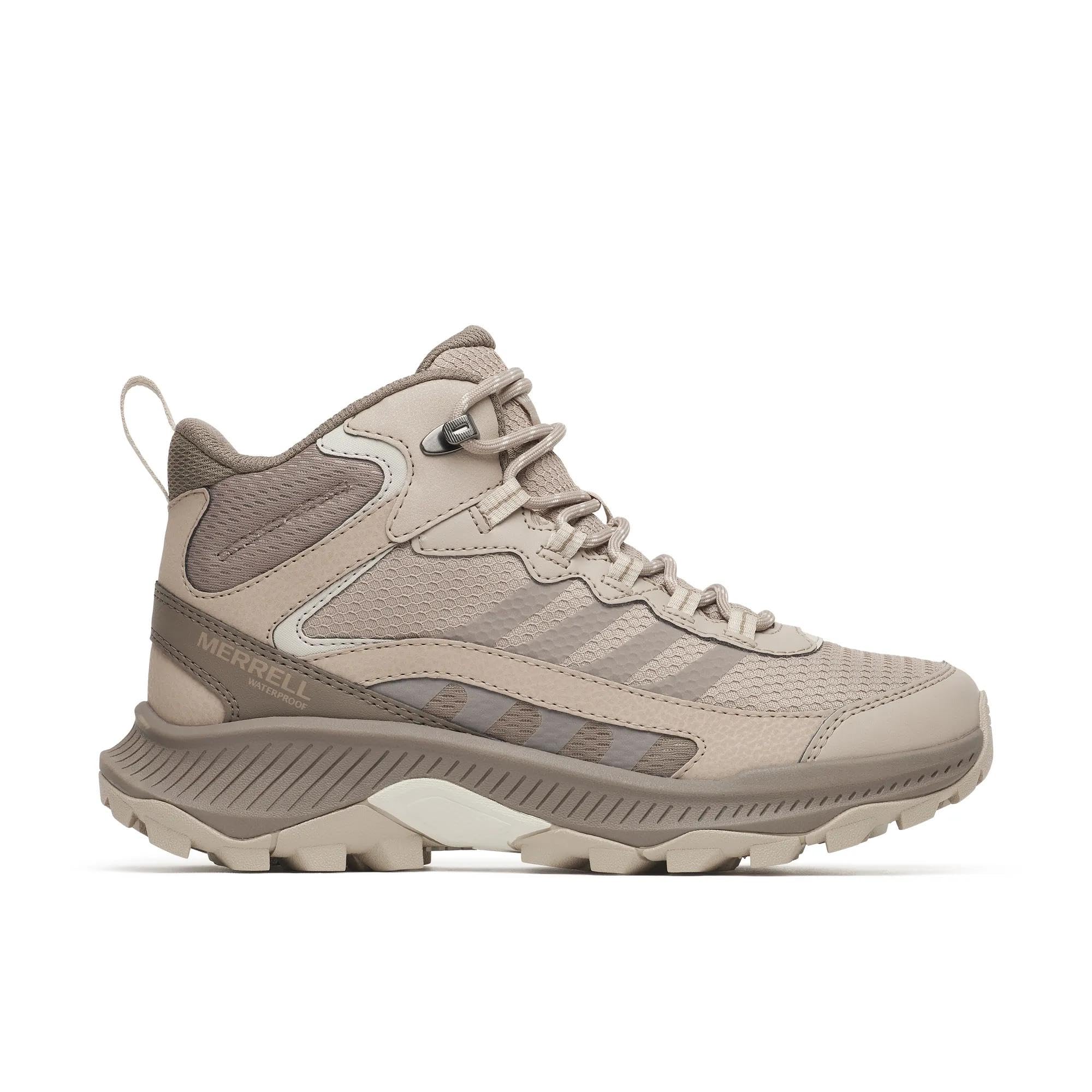

Best for Day Hiking Travel
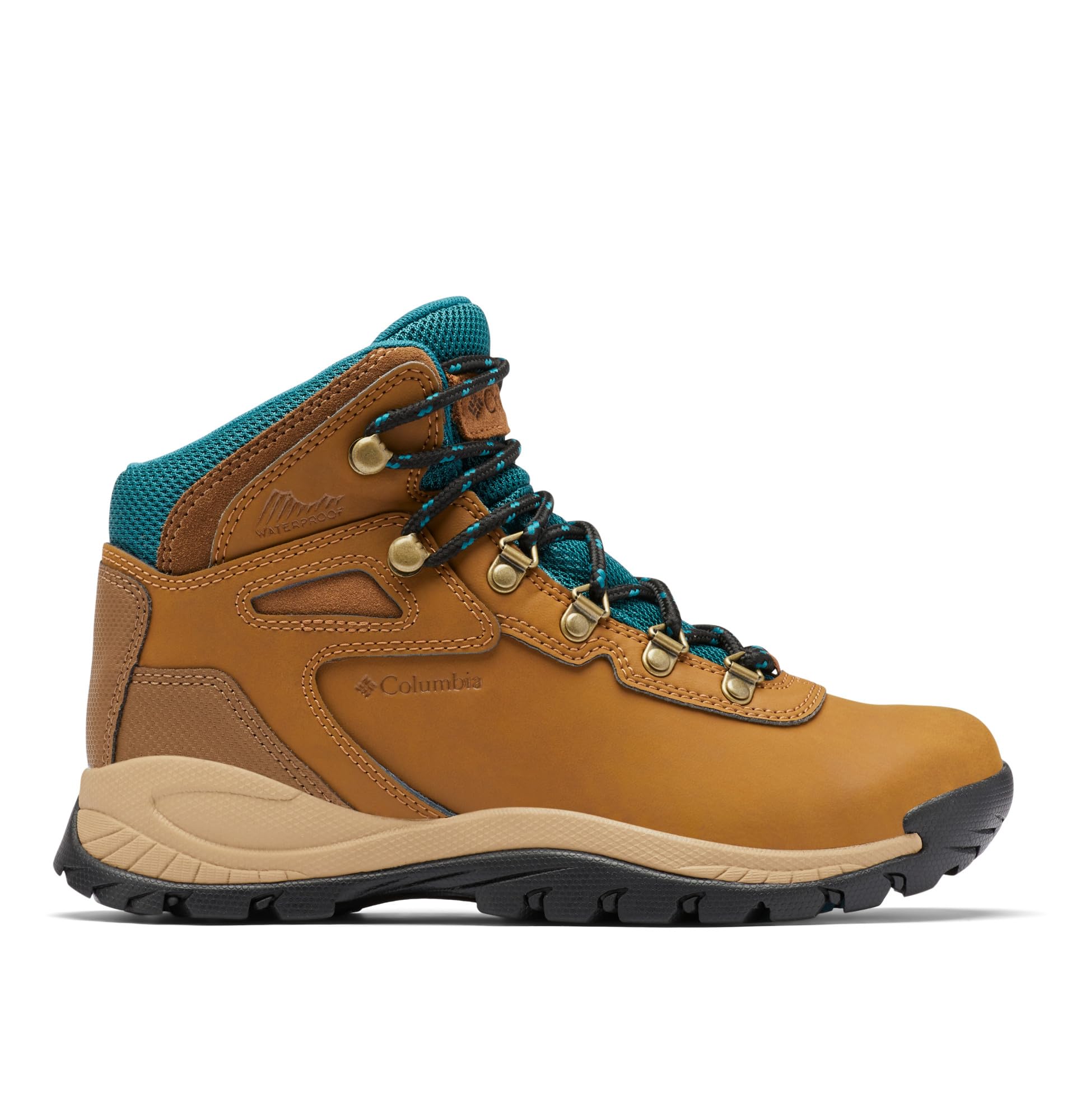
Columbia Newton Ridge Plus
Key Features
- Waterproofing: Leather & mesh with membrane
- Comfort & Break-In: Cushioned EVA midsole, no break-in
- Fit Consistency: Narrow; wide version available
- Traction & Support: Omni-Grip rubber, moderate ankle
- Price: Mid-Range
The Columbia Newton Ridge Plus weighs just 15.4 ounces per boot, putting it among the lightest waterproof hikers in its class. The leather-and-mesh upper sheds rain and snow effectively, while the cushioned midsole absorbs impact without feeling mushy — a combination that explains why most buyers find them comfortable straight out of the box.
On the trail, the outsole grips well on loose dirt, gravel, and damp rock, and the modest ankle collar offers enough support for moderate terrain. The waterproofing holds up through puddles and light stream crossings, though it’s not designed for prolonged submersion. Under steady day-hike use, the sole and upper hold together well; extended backpacking trips may accelerate wear on the outsole lugs.
Best suited for day hikers and weekend backpackers with normal to narrow feet. Women with wider feet should order the wide version or go half a size up. For extended wet-weather treks where continuous submersion is likely, a boot with more robust waterproofing would be a better fit.
Pros
- Wearable right out of the box with zero break-in needed
- Lightweight build (15.4 oz) without sacrificing trail durability
- Comfortable all-day performance on mixed terrain
- Effective water resistance for rain and snow
Cons
- Under sustained heavy use, the outsole and upper may show premature wear
- Waterproofing is not intended for prolonged submersion or continuous wet conditions
The Newton Ridge Plus is the lightweight waterproof hiker for day-trippers who value instant comfort and low weight over absolute wet-weather endurance.
Best for Rocky Trails Support
Merrell Moab 3 Mid
Key Features
- Waterproofing: Sealed seams, waterproof
- Comfort & Break-In: EVA midsole, immediate comfort
- Fit Consistency: Snug; wide model available
- Traction & Support: Vibram TC5+, high ankle
- Price: Mid-Range
The Vibram sole and supportive shank provide exceptional grip on rocky, uneven trails — a clear advantage over lighter boots that sacrifice stability for weight savings. However, at 1.5 pounds per boot, it’s noticeably heavier than the top pick, which matters less on technical terrain than on fast, mile-eating day hikes.
This boot fits hikers who prioritize traction and ankle roll prevention over pack weight. The standard fit runs snug, especially in the toe box, so ordering half a size up or selecting the wide version is recommended for comfort with thicker socks. It’s a sturdy choice for moderate to advanced trails where ground grip and arch support carry more value than ultralight design.
Pros
- Comfortable on long hikes with minimal blister risk
- Durable construction and quality materials hold up over seasons
- Ankle and arch support for stability on uneven ground
Cons
- Snug toe box may require sizing up for long downhill sections
- In heavy or prolonged rain, waterproofing can seep through seam areas
A solid choice for hikers who value grip and support over ultralight weight — just plan for a half-size up.
Best for Style-Conscious Hikers
Foxelli Suede Hiker
Key Features
- Waterproofing: Suede with waterproof treatment
- Comfort & Break-In: Cushioned insole, plush out of box
- Fit Consistency: Narrow toe box
- Traction & Support: Rubber outsole, decent grip
- Price: Premium
Foxelli bundles its suede hiker with spare laces and a pair of hiking socks right out of the box — a touch that appeals to travelers who want a complete, stylish setup without extra shopping. The suede upper looks premium, and the boots feel genuinely lightweight on the foot, avoiding the clunky feel of heavier alternatives. The blister-free break-in is a consistent highlight. While the minimalist top pick in this set wins on verified weight and raw data, the Foxelli counters with a curated look and thoughtful extras that feel more crafted.
Style-conscious hikers with narrow feet will find the most to like here. The toe box runs slim, so anyone with wide feet should look elsewhere or size up and monitor for hot spots. Waterproofing holds up in light rain and puddles, but sustained downpours may eventually overwhelm the membrane — this is a dry-to-moderate trail boot, not a storm-ready workhorse. The included socks match the boot’s color nicely and are a practical bonus for travelers hopping between city and trailhead.
Pros
- Exceptional out-of-box comfort — no break-in period or blisters.
- Suede leather upper looks and feels premium, far from typical synthetic hikers.
- Includes spare laces and a pair of hiking socks — a rare unboxing perk.
Cons
- Slim toe box can pinch wider feet; sizing up or choosing the wide version resolves it for some.
A stylish, lightweight hiker that sacrifices broad fit and budget appeal for a curated, accessories-included package — an easy choice for travelers and style-first hikers with narrow feet.
Best for Budget Day Hikes
NORTIV 8 Seeker
Key Features
- Waterproofing: Waterproof membrane
- Comfort & Break-In: Memory foam footbed, cushioned
- Fit Consistency: Narrow; size up
- Traction & Support: Grippy rubber, low ankle
- Price: Budget
While the top pick earns its place with a verified 15.4-ounce weight and out-of-box waterproofing, the NORTIV 8 Seeker leans into a different strength: memory foam cushioning that makes dry trail miles feel forgiving and a design that draws compliments. The generous padding and supportive feel belie its entry-level price.
Dry-trail day hikers on a budget will get the most from this boot. The fit runs narrow in the toe, so ordering a half or full size up is a wise precaution. Wide-footed hikers and those who trek through steady rain will brush against its two key limits — a snug cut and occasional water seepage.
Pros
- Memory foam footbed delivers out-of-box comfort with minimal break-in
- Build quality and materials feel premium for the price
- Sleek design draws frequent compliments on the trail
Cons
- Waterproofing can fall short during extended rain or creek crossings
- Toe box can feel restrictive; sizing up may be required for a comfortable fit
If you want a stylish, comfortable boot for dry trail days and don’t mind dialing in the fit with a size-up, the NORTIV 8 Seeker overdelivers on value — just don’t push its waterproofing past a drizzle.
Best for Fast-Paced Hiking
Merrell Speed Strike 2
Key Features
- Waterproofing: Waterproof membrane
- Comfort & Break-In: EVA cushion, plush feel
- Fit Consistency: Slightly small; size up
- Traction & Support: Vibram outsole, low ankle
- Price: Premium
The Speed Strike 2 carves out a distinct lane for hikers who value agility and plush underfoot cushioning over maximum ankle support. Compared to the heavier Vibram-soled option in this set, it trades some edge grip and stability for a lighter, livelier feel that encourages a quick pace. The arch support is immediately noticeable, and the traction holds up on smooth rock and steep, dry terrain. It’s a boot that begs you to push the tempo.
Fast-paced day hikers and trail runners will appreciate how the boot disappears on the foot — it’s easy to stow in a travel bag and doesn’t weigh you down after miles. The arch cushioning is a standout for high-arched feet, and the construction feels premium despite its minimal weight. The waterproofing isn’t invincible: membrane performance can dip after prolonged rain, so occasional re-treatment is part of the deal for wet-weather adventurers.
Pros
- Lightweight build with plush cushioning for long days on trail.
- Arch support that keeps feet stable during quick, dynamic moves.
- Grip that holds well on smooth rocks and steep slopes.
Cons
- Fit runs small — consider ordering half size up to avoid a too-snug feel.
- Waterproofing may need re-treatment after sustained rain; seam-sealing can falter at flex points.
For the hiker chasing speed and comfort over burly rock stability, the Speed Strike 2 delivers in a sleek package — as long as you’re willing to manage the occasional waterproofing touch-up and size up.
Best for Ankle-Support Hiking
Columbia Transverse Hike
Key Features
- Waterproofing: Waterproof leather
- Comfort & Break-In: Cushioned midsole, supportive
- Fit Consistency: Narrow
- Traction & Support: Deep lugs, high ankle
- Price: Mid-Range
The Columbia Transverse Hike stands out for its firm ankle support and reliable waterproofing at a mid-range price — a clear alternative to ultralight designs that prioritize weight savings over stability.
This boot suits narrow-footed hikers tackling uneven, rocky trails where wobble reduction matters more than grams saved. The fit runs narrow, so those with wider feet may need to size up or order a wide version. It is not the lightest boot available, but the trade-off is genuine water resistance and a secure heel hold.
Pros
- Comfortable during long hikes without causing blisters
- Ankle support reduces wobble on uneven ground
- Waterproofing keeps feet dry in wet trail conditions
Cons
- Heavier than ultralight hiking boots; not ideal for weight-conscious hikers
- Narrow toe box may feel snug for wider feet; sizing up or ordering wide version can help
Narrow-footed hikers seeking durable ankle support on rocky, wet trails will find this a dependable mid-range choice.
Best for Ultra-Budget Casual
XPETI Dimo

Key Features
- Waterproofing: Waterproof coating
- Comfort & Break-In: Cushioned footbed
- Fit Consistency: Runs small; size up
- Traction & Support: Good grip, low ankle
- Price: Budget
The XPETI Dimo delivers passable traction and sufficient cushioning for short, dry trail walks at a rock-bottom price. Waterproofing is inconsistent enough that you wouldn’t rely on it in sustained rain, and the materials are not built to last beyond a season of casual use. For someone who hikes just a handful of times per year and always checks the forecast, its low cost offsets the short lifespan.
Pros
- Surprising traction on uneven terrain, given the budget price.
- Adequate comfort and cushioning for short dry outings.
Cons
- Waterproofing is hit-or-miss; may not keep feet dry in sustained rain.
- Materials and construction may show wear after a single season of regular use.
A fair pick for the occasional hiker who prioritizes price over durability and plans strictly fair-weather outings.
Best for Casual Dry Trails
Eddie Bauer Astoria

Key Features
- Waterproofing: Water-resistant spray
- Comfort & Break-In: Flexible sole, casual feel
- Traction & Support: Weak traction, no ankle
- Price: Budget
Comfortable, flexible soles and a sleek, non-bulky profile make the Astoria a pleasant companion for urban walks and dry easy trails. The lightweight build comes with a sole that can wear quicker on uneven ground, and the waterproof claim falls short in rain — plan on treating them with spray if you’ll be out in wet weather. This boot suits casual outings and fashion-minded wearers; serious hikers should seek a more durable, truly waterproof option.
Pros
- Flexible sole provides step-in comfort that works well for all-day urban walks.
- Sleek, non-bulky design earns consistent style praise.
Cons
- Outsole durability is limited on rocky or uneven trails.
For style-conscious wearers sticking to paved paths and dry, gentle trails, the Astoria offers good looks and decent comfort at a budget-friendly price. Wet conditions and rugged terrain call for a more serious hiking boot.
Best for Cushioned Casual
R CORD Hiking Boot

Key Features
- Waterproofing: Waterproof membrane
- Comfort & Break-In: Pillow soft insole
- Fit Consistency: Runs small; size up
- Traction & Support: Moderate grip, low ankle
- Price: Mid-Range
The R CORD Hiking Boot delivers plush, pillow-soft comfort and a cute design perfect for moderate dry trails. It includes extra laces and insoles — a value add at this mid-range price. The boot’s weight isn’t published, and real-world feedback suggests it doesn’t lead the class in lightness. Durability is similarly unconfirmed: outsole wear can appear sooner than expected on rougher ground. This makes it a solid choice for occasional, low-mileage hikes where immediate comfort and style are the priority, not a boot built for the long haul.
Pros
- Cushioned footbed delivers immediate, blister-free comfort on casual hikes.
- Includes extra laces and insoles, adding practical value to a stylish design.
Cons
- Some wearers may need to size up; the boot runs slightly small.
- Outsole may wear faster than expected on abrasive surfaces, limiting lifespan.
For casual hikers who prioritize out-of-box cushioning and a cute look on dry, moderate trails, this boot is a comfortable choice — just don’t expect it to become a long-haul workhorse.
Best for Winter Snow Hikes
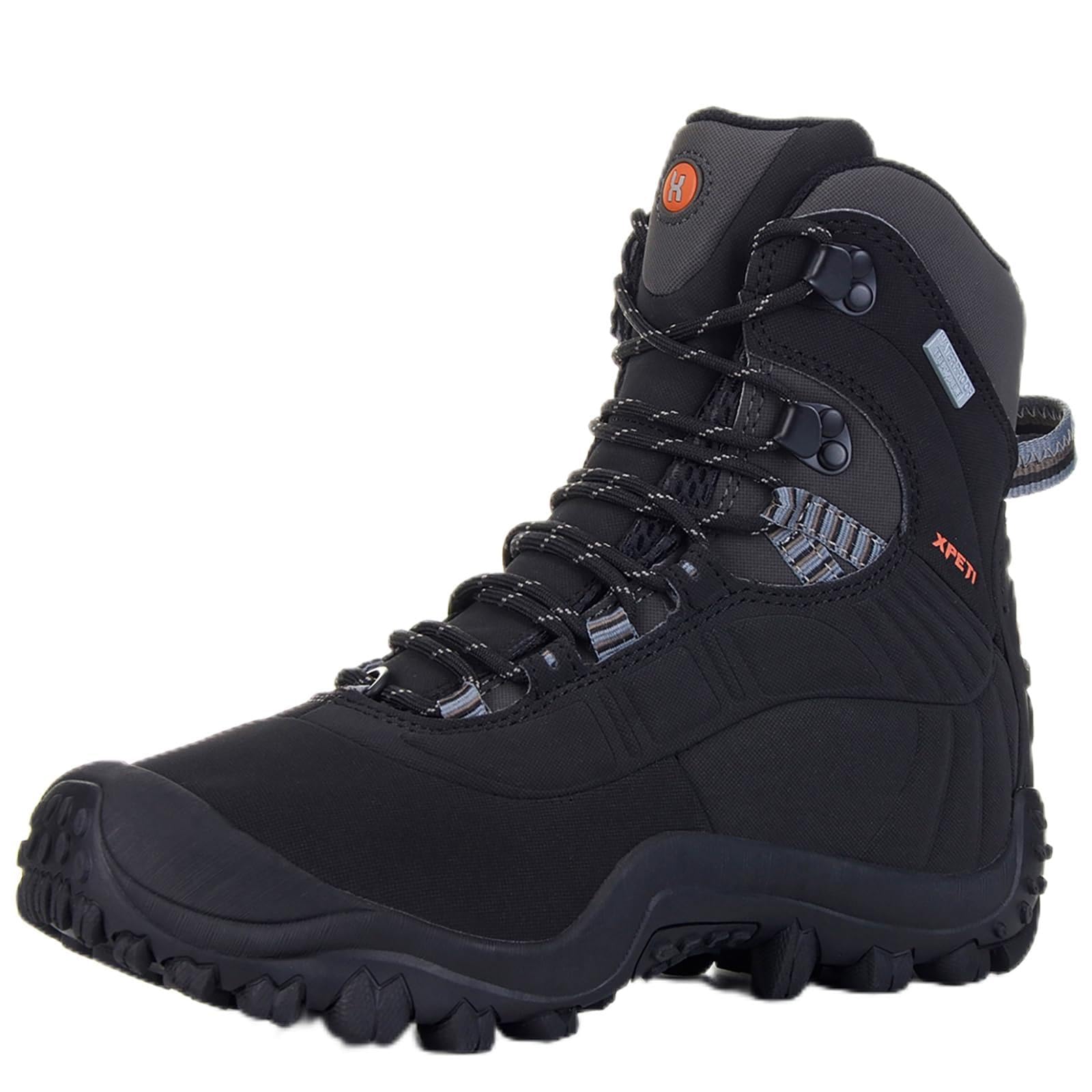
XPETI Thermator
Key Features
- Waterproofing: Waterproof with insulation
- Comfort & Break-In: Cushioned EVA, warm
- Fit Consistency: Narrow; size up
- Traction & Support: Good grip, high ankle
- Price: Mid-Range
The XPETI Thermator delivers dependable cold-weather warmth and sturdy ankle bracing at a mid-range price. Its heavier build and bulk directly conflict with the lightweight hiking boot intent — this is a dedicated snow-and-ice boot, not a packable three-season option. Hikers tackling frozen trails and deep slush will appreciate the trade: extra insulation and secure footing when lightweight designs leave you shivering.
Pros
- Insulated design keeps feet warm in snow and ice
- Supportive high-top collar and arch reduce fatigue on winter hikes
Cons
- Bulky build and heavier weight make it a poor match for lightweight hiking in warm conditions
If your trail involves snow, ice, and sub-zero temps, the Thermator’s insulation and grip justify the extra weight — but for three-season lightweight hiking, look elsewhere.
Best for Casual Winter Wear
ANJOUFEMME Winter Boot

Key Features
- Waterproofing: Water-repellent lining
- Comfort & Break-In: Fur-lined interior, cozy
- Fit Consistency: True to size
- Traction & Support: Poor traction, no ankle
- Price: Budget
ANJOUFEMME’s fur-lined boot brings genuine cold-weather warmth and a cute, color-rich look to casual snow days. The thick insulation and heavier build steer it away from the lightweight hiking boots you came for; waterproofing is inconsistent and the sole lacks trail-ready traction. For short walks on snowy sidewalks and sledding outings, those limits matter less — here, cozy comfort and cheerful style deliver where technical performance isn’t needed.
Pros
- Genuinely warm fur lining keeps feet cozy in cold weather
- Stylish design with a range of attractive color options
Cons
- Waterproofing claim doesn’t always hold up; damp feet possible in wet conditions
- The outsole lacks the grip and support needed for uneven trails, and the construction may not hold up to regular hiking
For snowy sidewalks and casual winter outings where warmth and style come first, it’s a fun, budget-friendly choice — just don’t expect a hiking boot.
How to Choose
A boot’s actual weight, not its advertised description, determines whether it earns a place in your pack.
Weight Matters More Than Brand Claims
Spec sheets often understate weight. A real lightweight hiking boot for women should fall under 20 ounces per boot. The lighter the boot, the less leg fatigue on long miles, but also potentially less cushioning and protection on rocky ground.
Check the manufacturer’s verified weight, not marketing copy. If a boot is more than 24 ounces, it likely won’t feel light after hour three.
Waterproofing That Lasts Requires Care
Even a high-end membrane can leak at the seams after repeated wear. The real differentiator is how well the boot resists water after 50 miles. Look for sealed or taped seams and a gusseted tongue.
Plan to apply a waterproofing spray every season if you hike in wet conditions, especially around the toe crease where most leaks start.
Out-of-Box Comfort Can Save a Trip
Boots with thick, uncollared leather uppers often demand a break-in period that can chew up your heels for the first few hikes. Lightweight synthetic and mesh builds typically feel snug right away. If you fly in and hike the next day, prioritize models with a padded collar and a flex-friendly EVA midsole.
Why Sizing Up Is Almost Always Necessary
Women’s hiking boots in this category consistently run a half-size small and narrow in the toe box. Ordering your normal street size often leads to black toenails on descents. Instead, go up a half size and wear thick hiking socks—this also leaves room for foot expansion.
Traction and Ankle Support for Your Terrain
Vibram or other proprietary rubber outsoles with deep lugs grip loose rocks better, but add weight. A mid-cut height provides ankle bracing on side hills, though too much stiffness can limit agility. For groomed trails, a low-ankle, shallow-lug boot suffices; for rocky scrambles, high ankle and deep tread prevent rolled ankles.
FAQ
Do lightweight hiking boots sacrifice ankle support?
Not inherently—the mid-cut height and internal shank matter more than weight. Many ultralight boots use a flexible, supportive cuff that stabilizes without bulk. However, for off-trail scrambling with a heavy pack, a heavier boot with a stiffer ankle counter may be safer. For most day hikes, a well-designed lightweight mid-cut provides sufficient support.
Why do waterproof hiking boots start leaking after a few months?
Abrasion from dirt and repeated flexing breaks down the waterproof membrane and wears off the factory DWR coating. Seams can also separate. To extend life, clean boots after each hike and apply a spray-on waterproofing treatment when water stops beading. Even then, expect to retreat annually.
What’s the best way to re-waterproof hiking boots?
Use a spray-on or wash-in DWR treatment designed for footwear, not general gear, and pay extra attention to the flex point at the toes. Avoid wax-based treatments on leather or suede, which can clog breathability. After application, let them dry fully to reactivate the waterproof barrier.
Are lightweight hiking boots tough enough for backpacking?
Yes, but with limitations. Lightweight boots excel on marked trails and moderate loads, but prolonged backpacking with a 35+ pound pack over rocky terrain can wear down soles and seams faster. Look for a reinforced toe cap and a deeper lug pattern if you plan multi-day trips.