
This post contains affiliate links. We may earn a small commission when you buy through our links — at no extra cost to you.
Heated ski gloves promise cozy fingers on frigid lift rides, but once you’re on the snow, battery life often plummets to a couple of hours on high, and some designs leave the pinky or thumb cold. Even premium models face these struggles—battery chemistry and heat distribution are simply tricky engineering problems.
The key to warm hands all day lies in selecting a glove with a genuine waterproof membrane, full-fingertip heating coverage, and batteries sized for real-world use, not just spec-sheet glory. Instead of chasing the highest peak temperature, focus on coverage and medium-heat runtime; that’s where the difference between a comfortable ski day and a miserable one actually lives.


Best for All-Day Resort Skiing
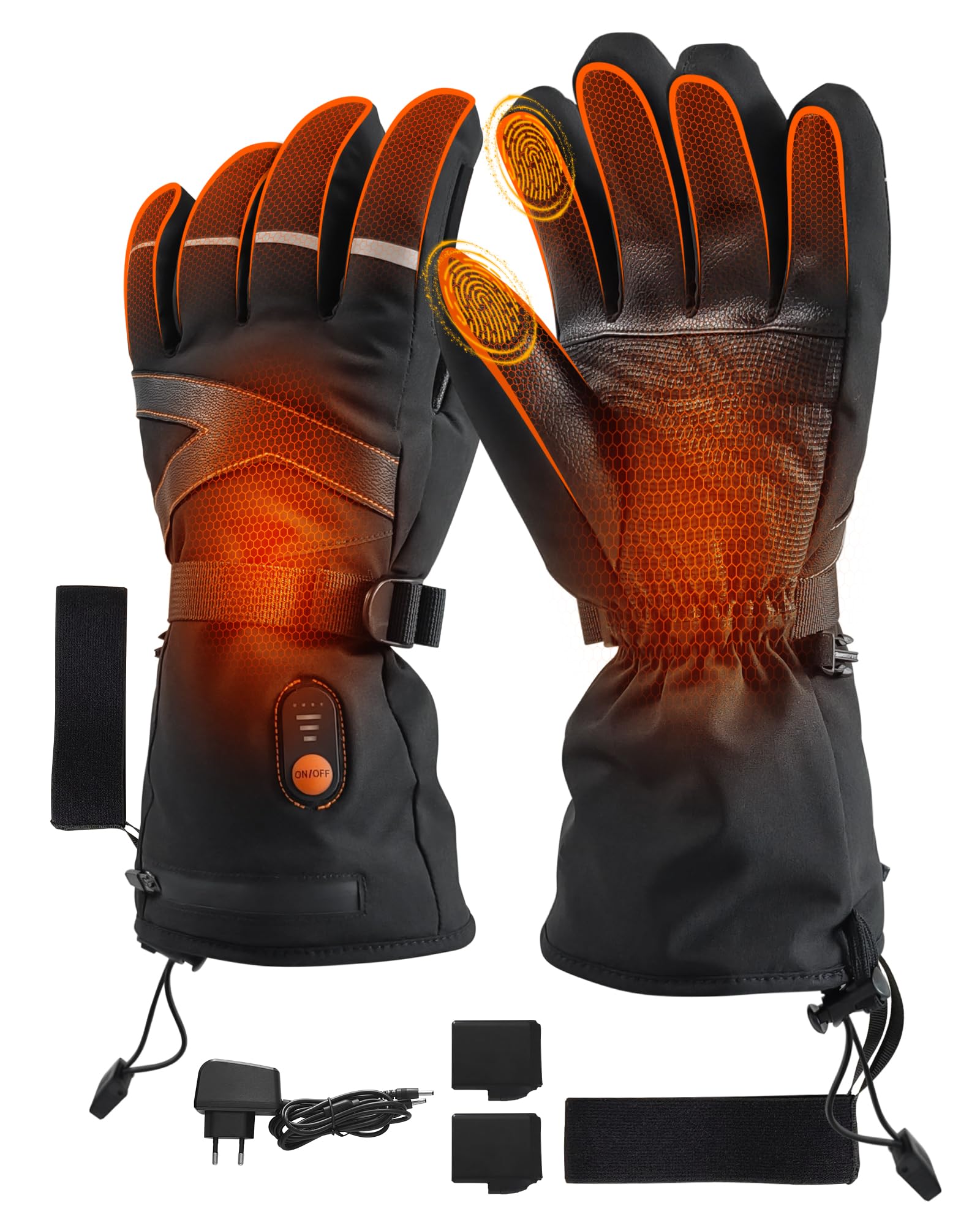
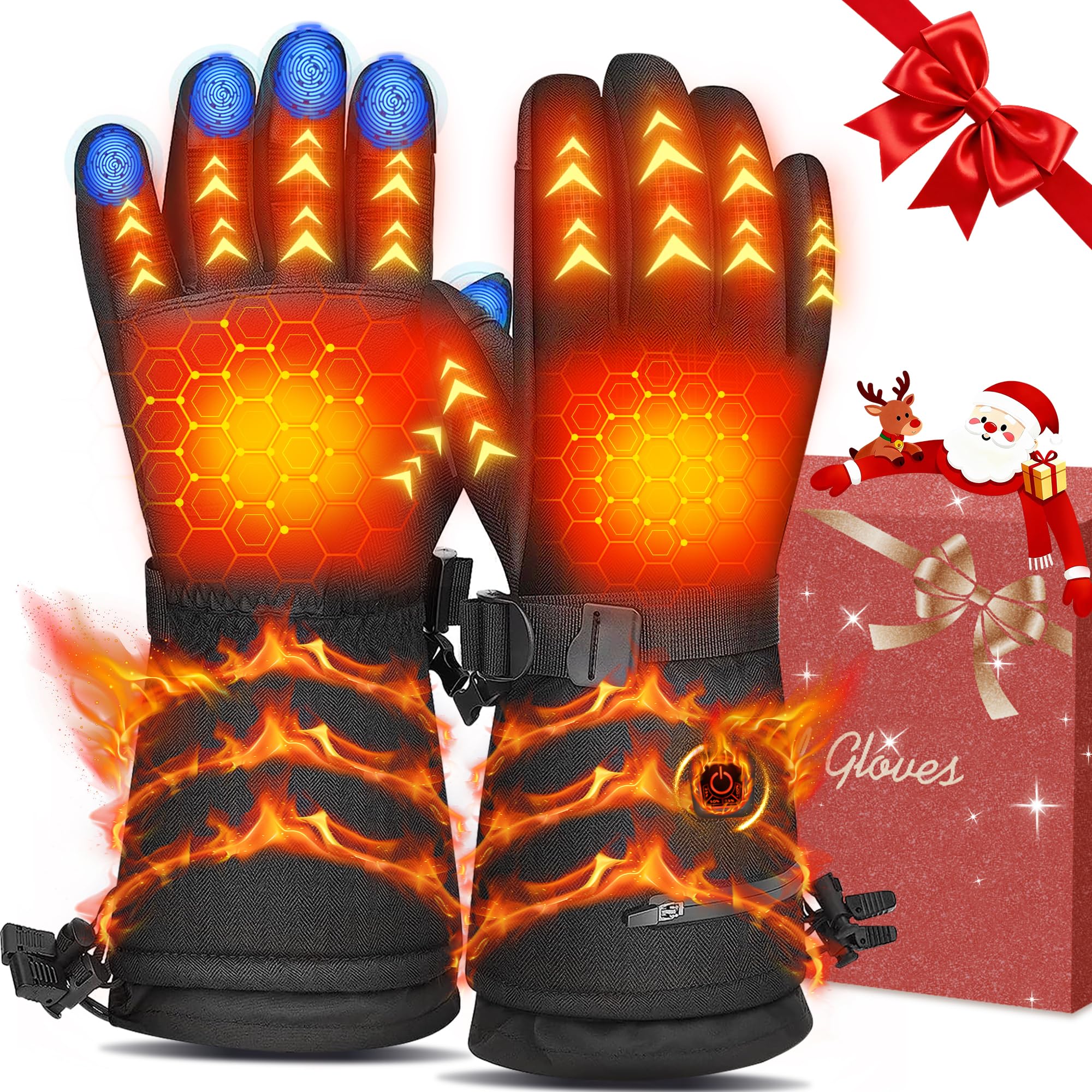
SAVIOR HEAT Heated Ski Gloves
Key Features
- Battery Life (Real-World): 15min–2h on high, varies
- Heat Coverage: Full-hand, pinky may be cold
- Waterproofing: Hipora membrane + 3M Thinsulate
- Price: Premium
Heat-up is rapid, reaching full temperature across the back of the hand and three main fingers in under 30 seconds. The Hipora waterproof membrane and 3M Thinsulate insulation create a warm, dry microclimate that works even without power — so you stay comfortable during long lift rides or if the battery runs out.
Dual 7.4V 3000mAh batteries provide enough capacity for most full-day resort sessions on medium, but the highest setting consumes power rapidly. In sub-zero conditions, high heat may last as little as 15 minutes, forcing you to treat it as a boost rather than a constant setting. Carrying a spare set of batteries is practical for all-day cold-weather use.
The pre-curved fit and soft lining deliver a natural feel for gripping poles and adjusting bindings, and the gloves remain comfortable without heat — a feature lacking in cheaper heated gloves. The leather palm and 150D twill shell resist abrasion from edges and falls, while touchscreen-compatible fingertips let you interact with your phone without exposing skin.
These gloves are designed for skiers and snowboarders who prioritize all-day warmth and are willing to use medium heat as their primary setting. The pinky finger may not receive full heat cover on some hand shapes, and heavy use over a single season can cause seam tears near the battery pocket or connection issues. However, the 2-year warranty and comfortable passive insulation make the SAVIOR HEAT a safe bet for riders who want a proven, high-volume product and don’t mind occasional warranty claims for durability concerns.
Pros
- Excellent, full-hand warmth with fast heat-up
- High build quality and premium materials
- Very comfortable fit, even without heat activated
- 2-year warranty provides strong after-sale support
Cons
- Pinky finger may not receive full heating on some hand shapes, leaving the little finger cooler
- Battery duration on high can be as short as 15 minutes in sub-zero temperatures, limiting all-day extreme cold use
For all-day resort skiers who rely on medium heat, the SAVIOR HEAT gloves offer comfort, waterproofing, and a 2-year warranty — keep spare batteries handy for the coldest chairlift rides.
Best for Tech-Savvy Skiers
SAVIOR HEAT 2.0 Ski Gloves
Key Features
- Heat Coverage: Excellent fingertip warmth
- Waterproofing: Hipora membrane + 3M Thinsulate
- Price: Luxury
The SAVIOR HEAT 2.0 builds on the brand’s core heated glove by adding smartphone app control and 7.4V fast charging. From your phone, you can toggle between three heat levels (104°F to 150°F) without unzipping a jacket or pulling off a glove — useful when conditions change mid-run. Batteries refill in roughly 1.5 hours, which cuts downtime between sessions.
This glove targets tech-savvy skiers who want hands-free temperature tweaks. The battery packs do add extra weight and circumference compared to the standard model; under tight jacket cuffs or on smaller wrists, the bulk can feel pronounced. If that tradeoff is acceptable and app-driven convenience matters more than minimalist cuffs, the 2.0 delivers even fingertip warmth and solid battery endurance for a full day on the slopes.
Pros
- Fingertip warmth stays even, with heat spreading uniformly across the hand
- Battery charges in 1.5 hours and holds up for long outings
- App control adjusts heat without removing gloves
Cons
- Battery packs add noticeable heft and circumference, which can feel cumbersome under tight jacket cuffs or on small wrists
A luxury upgrade that earns its premium for skiers who prioritize app control and fast top-ups, and don’t mind a slightly bulkier cuff fit.
Best for Budget-Conscious Skiers
Meoneo Heated Ski Gloves
Key Features
- Heat Coverage: Even heating, prevents numb fingers
- Waterproofing: Double-layer waterproof
- Price: Budget
Double-layer waterproofing and 7.4V warmth keep fingers toasty for under $25. The three heat settings deliver effective cold protection, with the medium level sustaining warmth for several hours—enough for a typical resort day. Build quality surprises at this budget tier: the gloves resist wind and moisture without feeling flimsy.
The Meoneo is meant for first-time heated glove buyers and frugal skiers who want reliable warmth without premium pricing. For those who run exceptionally cold, the maximum 140°F may feel slightly mild next to higher-output rivals. Touchscreen fingertip sensitivity is workable for basic controls, but precision drops with full gloves—manageable for quick phone checks, not for typing.
Pros
- Keeps fingers warm, preventing numbness during cold ski days.
- Build quality rivals pricier models, resisting wind and water.
- Battery life on medium lasts hours, covering a full morning on the slopes.
Cons
- Maximum heat output reaches 140°F, which can feel cooler than some premium gloves.
- Touchscreen accuracy is less crisp with full gloves, making precise swipes difficult.
The Meoneo punches far above its price, delivering dependable warmth and waterproofing for budget-minded skiers. If maximum heat output isn’t your top priority, it’s a low-risk entry into heated gloves.
Best for Extreme Cold Days
MaweMe Heated Ski Gloves
Key Features
- Battery Life (Real-World): ~2.5h on high
- Heat Coverage: Full-hand, intense heat
- Waterproofing: Waterproof & windproof
- Price: Budget
The MaweMe Heated Ski Gloves crank out up to 158°F across three heat levels — a temperature that can feel too hot on high, but is a serious asset in extreme cold. While the top pick leans on a proven warranty and long-term reliability, this model focuses on raw heat output at a price that’s hard to beat. The 7.4V 3200mAh battery drives impressive initial warmth, though runtime on the maximum setting shortens significantly.
These gloves are built for skiers and snowboarders who run exceptionally cold and are willing to trade all-day high-heat use for budget-friendly, intense warmth. On medium, they still produce solid heat and can last through a typical resort day. Those expecting marathon sessions on high will want to pack a backup battery. If you need full-hand coverage without the premium price, the MaweMe is a compelling choice — just plan around its battery boundaries.
Pros
- Delivers up to 158°F warmth; many find the high setting too intense, ideal for bitter cold.
- Thick, well-stitched construction with comfortable interior padding.
- High-wattage 7.4V battery and glove quality that rivals more expensive options.
Cons
- Battery life on high drops to roughly 2.5 hours; medium setting is needed for longer outings.
For skiers who run exceptionally cold and want maximum heat without a premium price, the MaweMe gloves deliver top-tier warmth — just plan to keep them on medium for all-day wear.
Best for Goggle Wiping Need
EBOSSOM Heated Ski Gloves
Key Features
- Battery Life (Real-World): Short on max, ~2h
- Heat Coverage: Toasty, even in below-zero
- Waterproofing: Water-resistant, windproof
- Price: Budget
Unlike the top pick, which focuses on legacy battery specs and a long warranty, the EBOSSOM adds a built-in goggle wiper, touchscreen-compatible fingertips, and a top heat of 149°F at an entry-level price. The wiper integrated into the thumb clears fog and snow in a single swipe, a small but meaningful perk on the lift. The glove heats up quickly and delivers consistent warmth across three settings, keeping fingers toasty in sub-zero conditions.
This glove fits budget-conscious skiers and snowboarders who prioritize resort-ready features over all-day runtime on max. Real-world use confirms that hands stay warm even in below-freezing windchill, but the battery drains faster on the highest setting — plan to use medium heat for extended sessions. Sizing runs slightly small, so ordering up ensures a comfortable fit, especially if you wear a liner. For those willing to manage heat levels and size up, it’s a practical, affordable heated glove with thoughtful extras.
Pros
- Hands remain warm even in sub-zero temperatures
- Heats up in seconds and functions consistently across cold outings
- Well-built construction with a comfortable, flexible fit
Cons
- Glove sizing runs slightly small; ordering a size up may be needed for a comfortable fit, especially with liners
- Battery life on high can drop quickly in extreme cold, limiting all-day warmth without a recharge
For resort skiers who value on-glove tools like a goggle wiper and don’t mind managing battery on medium to get through the day, this glove delivers solid warmth at a budget-friendly price.
Best for Raynaud’s Sufferers
MADETEC Heated Ski Gloves
Key Features
- Battery Life (Real-World): Under 3h on high
- Heat Coverage: Fingertip to back of hand
- Waterproofing: 7-layer waterproof & windproof
- Price: Mid-Range
Heating coverage extends from the back of the hand all the way to the fingertips, delivering consistent warmth that many competitors reserve only for the palm. This generous coverage makes the glove especially appealing for skiers with Raynaud’s or severe cold sensitivity who can’t afford cold spots.
The tradeoff is unit variance that can affect the left glove. Heating may fail after a short period, which turns an otherwise comfortable, well-constructed glove into a warranty claim. Skiers who need dependable all-day heat with zero fuss will find the top pick’s consistency a safer route; those who prioritize full-hand warmth for medical reasons and are willing to test immediately will get the coverage they need.
Pros
- Heating spans from back of hand to fingertips, warming the entire hand evenly.
- Solid build quality and a comfortable lining hold up to active winter use.
- Touchscreen fingertips stay responsive, so you can use a phone or lift scanner without exposing skin.
Cons
- Battery runtime on high may drop to under 3 hours, well short of the 10-hour claim.
- Left glove heating can stop working after limited use, leaving you with one warm hand.
If full-hand warmth is a medical necessity, the seamless heating coverage here is hard to beat, but test both gloves on high the moment they arrive and be ready to use the warranty.
Best for Casual Skiers
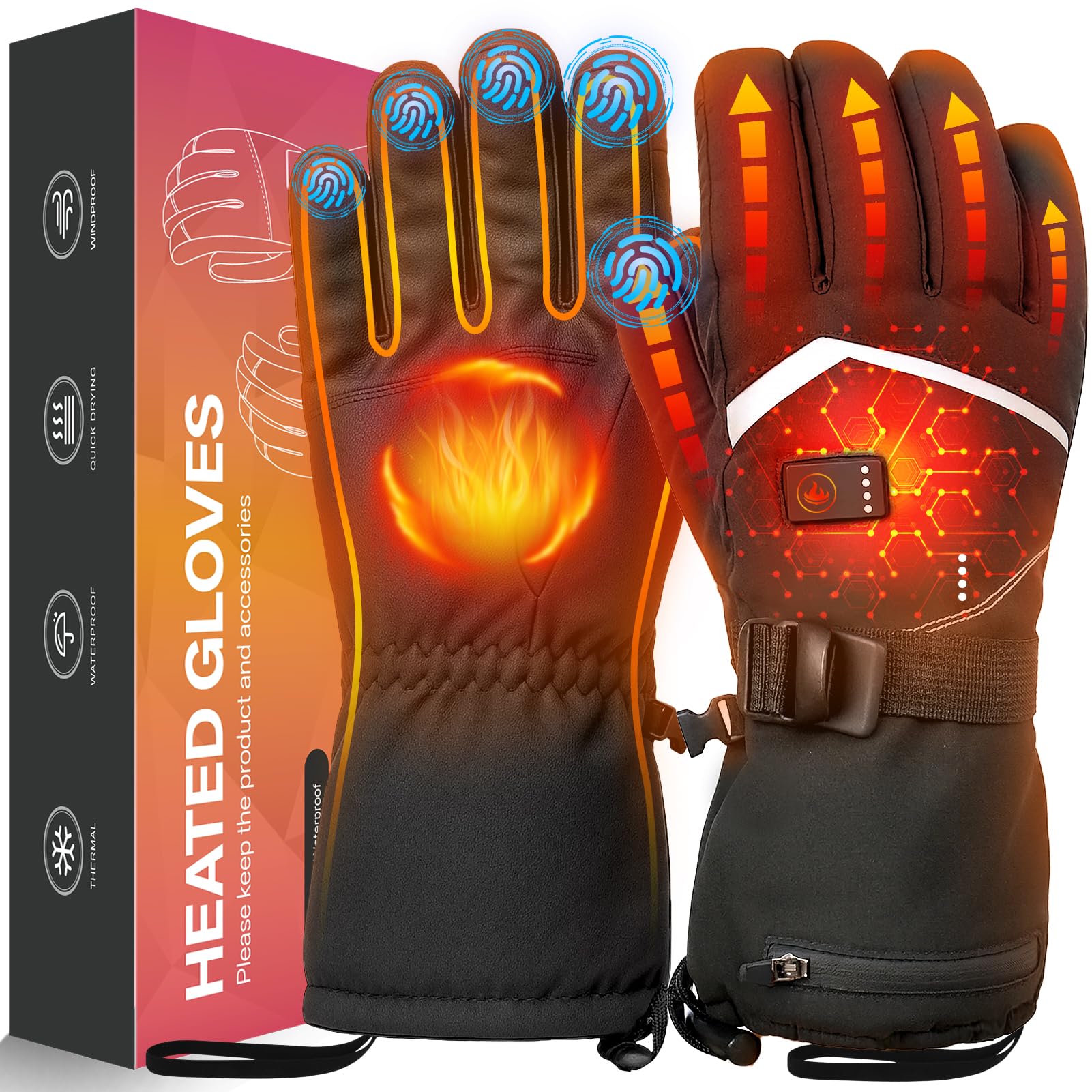
Waestcia Heated Ski Gloves
Key Features
- Battery Life (Real-World): ~2h on high
- Heat Coverage: Good warmth, fast heat-up
- Waterproofing: Double-layer waterproof fabric
- Price: Mid-Range
Waestcia’s glove delivers impressive build quality and quick heat-up for its price. Double-layer waterproofing works for light snow, but it doesn’t match the waterproofing pedigree of the top picks—wet, all-day conditions may be a stretch. Battery life on high can drop to two hours, so it suits half-day resort runs or medium-heat use. Sizing runs slightly small; order up if between sizes.
Pros
- Fast heat-up and effective warmth on medium and high settings
- Build quality that exceeds expectations for the price
Cons
- Thumb heat may be inconsistent on some pairs, leaving thumbs cooler than fingers
- Battery life on the highest setting can drop to around two hours, requiring mid-session recharges on long days
A capable glove for skiers on a budget who prioritize warm hands for a half-day session and can recharge between outings.
Best for Long Ski Days
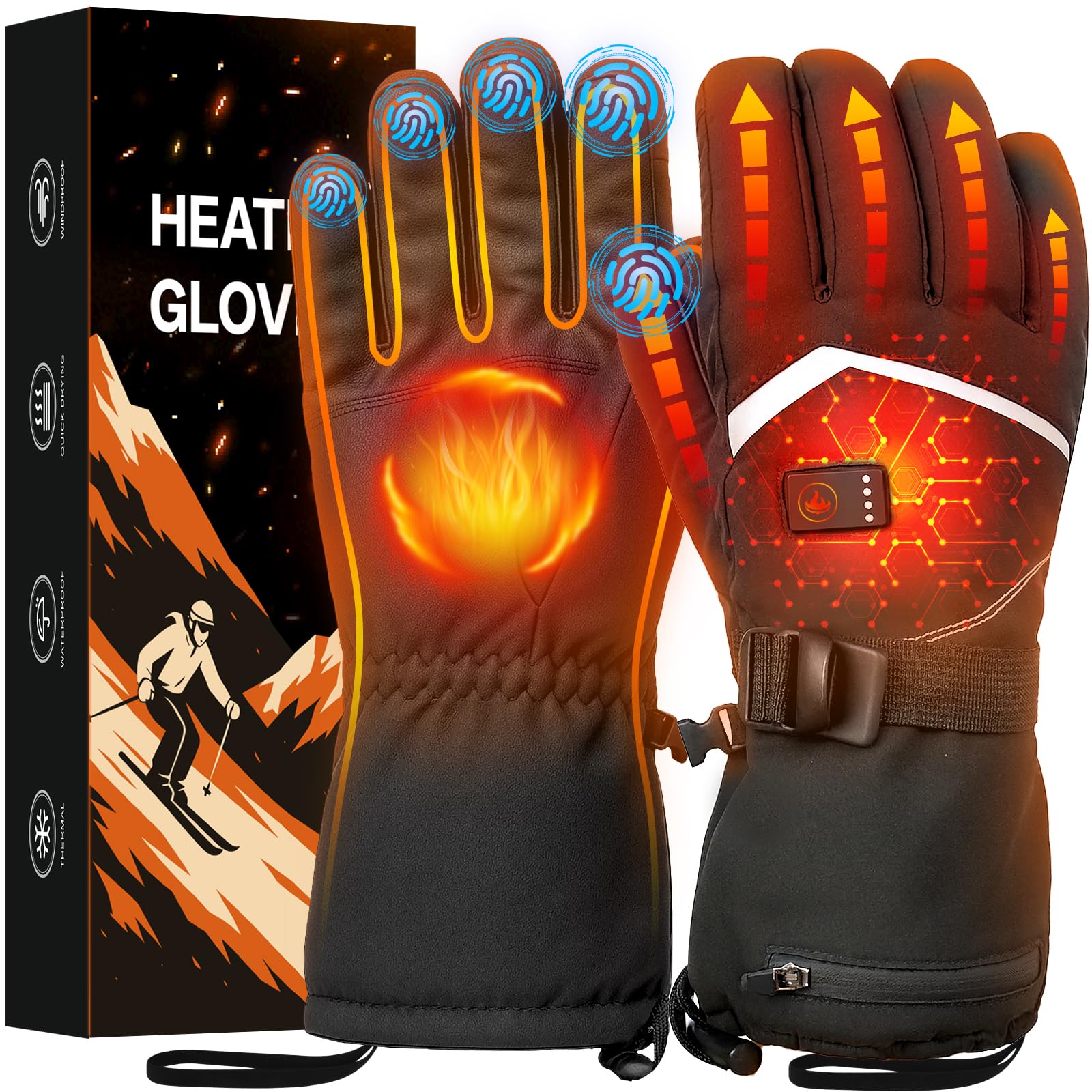
Cauasock Heated Ski Gloves
Key Features
- Battery Life (Real-World): All-day on medium
- Heat Coverage: Comfortable full-hand warmth
- Waterproofing: Waterproof
- Price: Mid-Range
The Cauasock gloves deliver three heat levels up to 150°F, with consistent warmth across all fingers and a soft interior that stays comfortable even when turned off. The 6000mAh battery reliably lasts through a resort ski day on medium, making it a practical pick for long sessions. Long-term durability under frequent use remains unknown, and stitching quality can be inconsistent—some gloves may show seams loosening earlier than expected. This glove is best for casual skiers and riders who want strong heat and waterproofing at a mid-range price and are comfortable with a newer brand’s evolving reliability.
Pros
- Comfortable warmth across all fingers, even on medium heat setting.
- Battery lasts a full ski day on medium heat, keeping hands warm without a recharge.
Cons
- Stitching may be uneven in spots, with occasional loosening at seams.
A mid-range glove for casual skiers who want strong, full-day heat and can accept that durability has not yet been proven over multiple seasons.
Best for Leather Feel Fans
SNOW DEER Heated Ski Gloves

Key Features
- Heat Coverage: Effective warmth, good dexterity
- Waterproofing: Waterproof & windproof membrane
- Price: Premium
Genuine lambskin and a leather palm give the SNOW DEER Heated Ski Gloves a natural grip and broken-in feel that stands apart from synthetic competitors. Without heat, they still offer excellent comfort and insulation, and the three heat settings provide effective warmth for resort skiing and snowboarding. Battery reliability keeps it from the top tier—some units may experience swollen packs or one glove losing heating functionality, and a warranty claim may be necessary. For skiers who prioritize leather dexterity and can accept that tradeoff, this is a unique option.
Pros
- Luxurious lambskin leather palm provides natural grip and flexibility
- Comfortable and soft interior stays cozy even without activating heat
Cons
- Battery swelling has been reported on some units, affecting reliability
- One glove may stop heating after limited use due to quality inconsistencies
If you value the feel of real leather over all-day heat security and can handle a possible warranty exchange, this glove delivers a tactile experience most heated options lack.
Best for Young Skiers
DINSVTA Kids Heated Gloves

Key Features
- Heat Coverage: Warm down to 10°F
- Waterproofing: Water-resistant
- Price: Mid-Range
This kids-only heated glove delivers consistent warmth for little hands during cold-weather activities like sledding and snowball fights. The rechargeable battery lasts through most children’s outings, and the water-resistant shell sheds light snow and moisture. It’s not designed for adults, which keeps it out of the primary heated ski glove conversation — but for parents shopping specifically for a child’s comfort on the slopes, it’s a well-matched option that earns its also-consider spot.
Pros
- Keeps children’s hands warm down to 10°F
- Good battery life for kids’ outings
Cons
If you’re shopping for adult heated gloves, look elsewhere; for parents needing a dedicated kids’ glove that actually delivers warmth and run time for young skiers and sledders, this one fits the bill.
How to Choose
The most important decision in a heated glove isn’t peak temperature—it’s whether the heat reaches your fingertips and lasts long enough for your typical ski day.
Battery Life: Real-World Run Times
Manufacturers often advertise 8–10 hours, but those numbers reflect the lowest heat setting in mild conditions. On high in freezing temperatures, most 7.4V batteries drain in 2–3 hours. The physical limitation is simple: lithium-polymer cells can only push so much current before voltage drops, and cold saps capacity further. For all-day resort skiing, plan to use medium heat and carry a spare power bank if you’ve had the gloves for a season and battery capacity has degraded.
A 3000mAh dual-battery system can realistically deliver 4–5 hours on medium, but that gap between advertised and actual runtime is the single greatest source of disappointment. Look for batteries that charge quickly (under 2 hours) so you can top up during lunch if needed.
Heat Coverage: Fingertips Matter Most
Most heated gloves warm the back of the hand well, but the pinky, thumb, and fingertips often remain cold because heating elements don’t extend fully into those zones. The reason is manufacturing complexity—wiring into glove fingers requires fragile, flexible circuits that can break over time. Gloves with larger heating pads that wrap from the back of the hand to the fingertips, or those with dedicated finger channels, keep every digit warm.
If you have Raynaud’s or poor circulation, prioritize models with explicit fingertip coverage claims; otherwise, your pinky will be the first to freeze on a long lift ride.
Waterproofing: Membrane vs. Coating
A true waterproof membrane (like Hipora or a PU membrane) prevents snowmelt from soaking through, while a DWR finish or water-resistant coating only beads light moisture and eventually wets out in heavy snow or rain. Under pressure—such as gripping a ski pole—coated fabrics often leak at the seams. When the interior gets damp, insulation collapses and heating elements can short, leaving you with cold, heavy gloves. For skiing, a glove with a membrane and taped seams is non-negotiable; water-resistant models are better suited for walking the dog than a powder day.
Build Durability: What Fails First
Seams, battery connections, and the on/off button are the most common failure points. Heating elements can fracture if gloves are crushed in a bag, and the thin wires leading to fingers are especially vulnerable. Even well-regarded brands see units fail within a season—this isn’t a sign of a bad product, but of the inherent fragility of wearable electronics. When you receive your gloves, test both on high immediately; if one glove stops heating, return them before a trip. A warranty of at least one year offers practical protection against early failures.
Fit and Sizing: Getting It Right
A heated glove that’s too tight restricts blood flow, making your hands colder despite the warmth. Too loose, and the heating elements lose contact with your skin. Many budget models run small, so sizing up is a common recommendation. Bulkier batteries housed in the gauntlet can also prevent a smooth jacket-cuff seal, letting snow sneak in. Always consult sizing charts based on hand circumference, and if you’re between sizes, choose the larger and pair with a thin liner glove for a snug, warm fit without sacrificing circulation.
FAQ
Why do my heated ski gloves only last 2 hours when they’re advertised as 10?
The 10-hour claim reflects the lowest setting in a mild indoor test. On high in freezing weather, battery chemistry slows and the heating elements draw maximum current, draining most 7.4V 3000mAh packs in 2–3 hours. Treat the advertised number as an absolute best-case and expect half the runtime on high, slightly more on medium.
Why are my fingertips still cold even with heated ski gloves?
Many gloves position heating pads only on the back of the hand, so the fingertips—especially the pinky and thumb—get little direct heat. Poor circulation, tight glove fit, and loose contact also contribute. Look for gloves with explicit fingertip-to-wrist coverage or dedicated finger heating elements if this is a persistent issue.
Can I wear heated ski gloves in heavy rain?
Only gloves with a true waterproof membrane (like Hipora) and taped seams can handle sustained wet snow or rain. Water-resistant coatings will eventually soak through and compromise the heating system. For rainy conditions, consider a waterproof over-glove or choose a glove specifically rated for submersion, though most heated models aren’t designed for prolonged soaking.
Why does one glove stop heating after a few uses?
One-glove failure usually points to a broken heating element wire, a loose battery connector, or a faulty control board. These are common quality-control issues across the category, not just budget models. Return the pair immediately if you notice uneven heating; waiting only risks getting stuck with a dead glove on the mountain.